

In recent years, pizza trucks have emerged as a popular trend in the mobile food business, captivating both foodies and entrepreneurs alike. Offering a unique dining experience, these mobile pizzerias not only capitalize on the time-honored love for pizza but also present a delightful twist on traditional dining options. With the global food service market projected to grow at a rate of 6.8% in 2023, particularly in segments like mobile dining (which includes pizza trucks), aspiring business owners have a golden opportunity to enter this lucrative market. The allure of pizza trucks lies in their flexibility and mobility, allowing owners to tap into various customer bases at events, festivals, and busy urban hotspots. Additionally, the low startup costs compared to brick-and-mortar restaurants and the decreasing overheads make them increasingly appealing for those looking to establish a profitable business. As consumer preferences shift towards unique and accessible dining experiences, the potential for success in the pizza truck arena continues to flourish. This article will explore the ins and outs of starting a pizza truck business and provide insights on how to navigate the vibrant and competitive landscape.
Benefits of Owning a Pizza Truck
Owning a pizza truck presents a myriad of advantages that can significantly benefit aspiring food entrepreneurs. Here are some of the primary pizza truck benefits:
Flexibility in Operations
Unlike traditional brick-and-mortar restaurants, pizza trucks offer unparalleled flexibility. Owners can choose high-traffic locations, attend special events, or set up in bustling neighborhoods. This mobility allows food truck operators to connect with their target audience directly, improving customer engagement and sales opportunities. By moving to where the customers are, pizza trucks can tap into diverse markets.
Lower Startup Costs Compared to Restaurants
Starting a pizza truck business typically requires a significantly lower initial investment compared to opening a conventional restaurant. According to a Forbes analysis, the startup costs for a pizza truck range from $50,000 to $150,000, while brick-and-mortar locations can exceed $300,000. This lower financial barrier allows budding entrepreneurs to enter the food industry with reduced risks and faster timelines for breaking even.
Potential for Higher Profitability
Pizza trucks can maintain high profit margins, achieving gross margins of 65-70%, compared to the 60-65% typical for average restaurants. Additionally, flexibility allows pizza trucks to adapt pricing and menu based on customer demand. With the capability to cater to events, festivals, and different neighborhoods, food truck businesses can boost profitability by optimizing their service offerings for unique consumer needs.
Overall, the decision to invest in a pizza truck can lead to a rewarding entrepreneurship journey with a balanced approach to flexibility, cost efficiency, and potential profitability. To learn how to launch your food truck business legally, check out our guide on the legal steps for launching a food truck.
Pizza Truck Specifications Comparison
When considering a pizza truck for your business, it’s essential to compare different options based on size, cost, features, and wattage. Below is a table highlighting the specifications of various pizza trucks available in 2023:
| Truck Model | Size | Cost (Approx.) | Features | Typical Wattage |
|---|---|---|---|---|
| Mobile Bakery Pizza Food Kitchen Truck | Standard size | $2,500 – $15,000 | Full kitchen equipment, suitable for pizza | Basic electric system |
| Pizza Foodtruck 2023 | Medium size | $6,950 – $10,890 | Oven, fridge, sink, prep space | Vehicle/External Power |
| 2023 Ford F-59 Custom Commercial Food Truck | 14 ft (4.27 m) | ~$153,000 | Customized design, professional setup | 3000 – 5000 watts |
| Jiangling Full-Size Delivery Van (2023) | Variable | Variable | Kitchen equipment can be added | 3000 – 6000 watts |
This table allows for a clear comparison across different specifications of pizza trucks. Depending on your specific needs and budget, you can select the most suitable option for your culinary ventures.
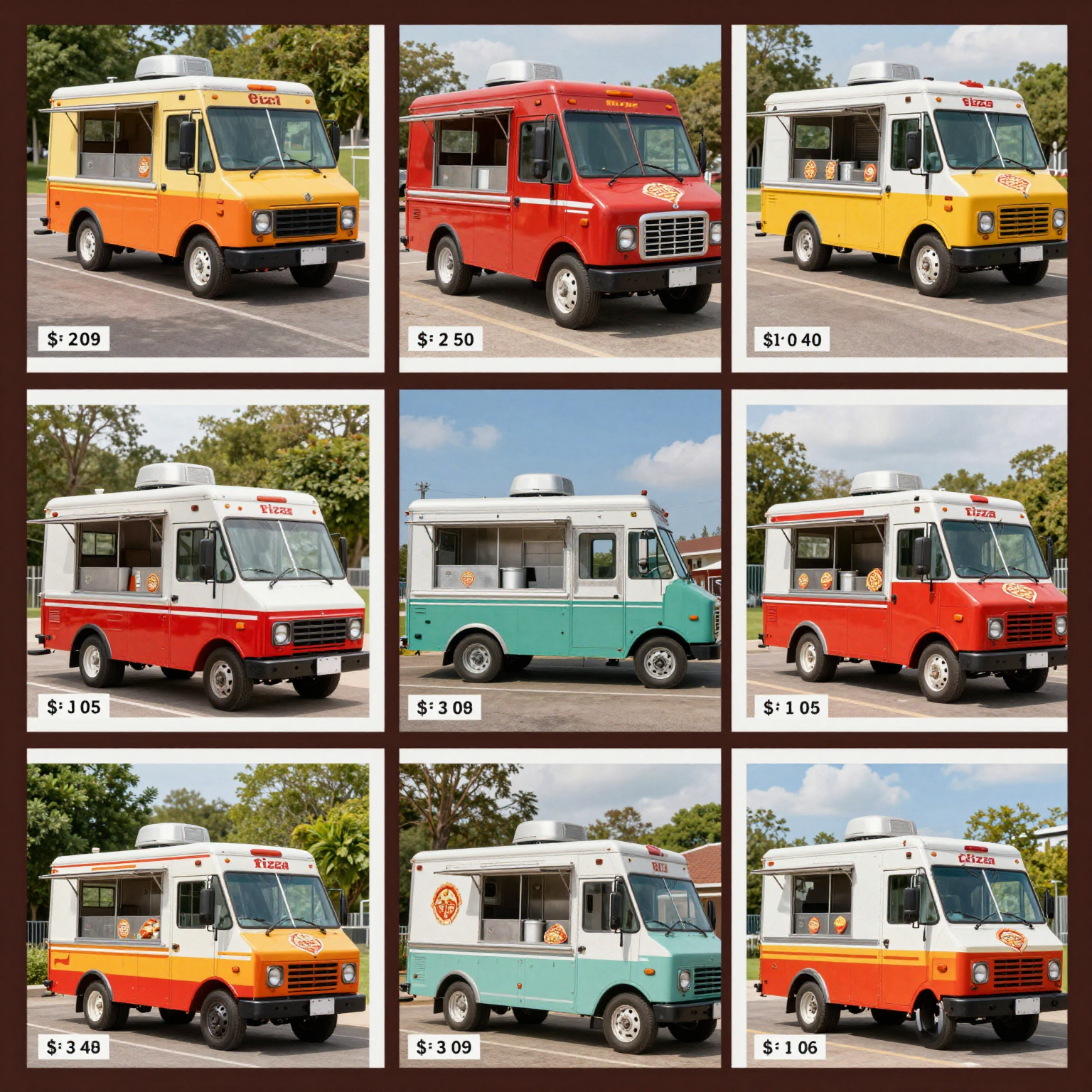
For further insights on the legal aspects of starting a food truck business, you can learn more about the legal steps for launching a food truck. Additionally, exploring the profitability of pizza trucks can help assess potential earnings-check out this analysis on pizza food trucks’ profitability.
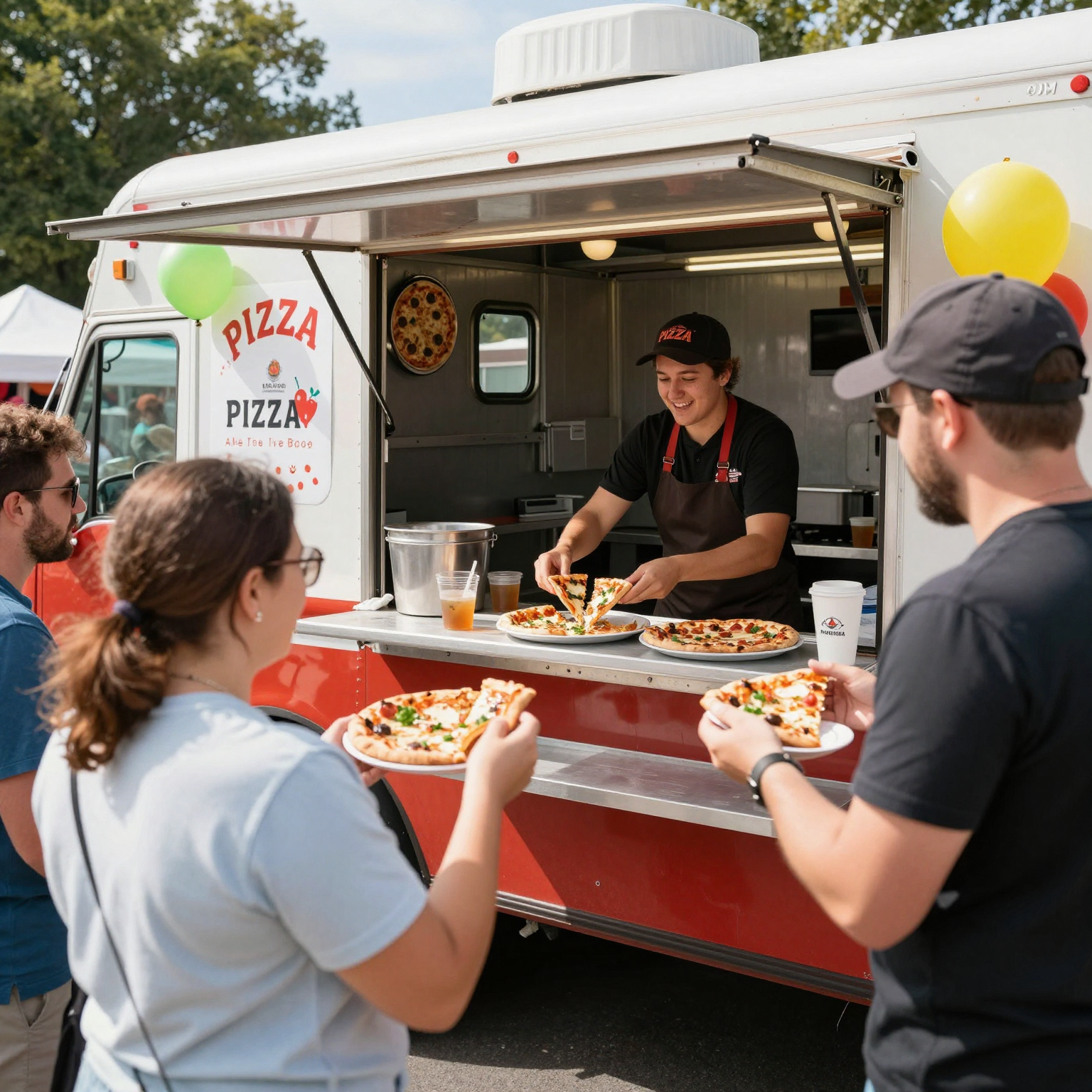
From Zero to Pizza Truck Success: The Journey of Carlos Mendez
In the bustling culinary landscape of Austin, Texas, Carlos Mendez’s journey to pizza truck success has become an inspiring tale for aspiring food entrepreneurs. Starting with nothing but a passionate dream and a vision for authentic Neapolitan pizza, Carlos transformed his humble beginnings into a thriving business that now generates over $1 million annually.
Laying the Foundation for Success
Carlos began his venture by crafting a custom-built pizza truck equipped with a high-performance wood-fired oven capable of reaching 900°F in mere minutes. He understood from the start that his product-authentic, high-quality pizza-needed to be impeccable. But crafting a great pizza was only part of the equation. Carlos recognized the importance of strategic event bookings and the power of social media marketing to gain visibility.
Key Strategies for Growth:
- Event Targeting: Carlos focused on major events, festivals, and corporate gatherings, ensuring that his pizza truck would always be at high-traffic locations. This not only increased foot traffic but also built brand recognition.
- Social Media Presence: By regularly updating his followers with behind-the-scenes content and real-time location updates, he created an engaged community around his pizza truck. This innovative approach allowed him to build anticipation and drive traffic to his location.
You can learn more about the legal steps necessary for launching a food truck here.
Expanding and Innovating
Within two years, Mendez expanded his business by adding a second truck and launching a subscription-based pizza delivery service known as the “Pizza Box”. This innovative practice not only catered to local residents but also provided a steady stream of revenue outside of event sales.
Operational Efficiency and Menu Streamlining
To maintain profitability, Carlos implemented a streamlined menu that focused on high-margin, easy-to-prepare items such as personal pizzas and calzones. This approach helped manage inventory and minimize waste, which are critical factors in a mobile food business. Additionally, investing in a mobile POS system significantly increased his efficiency and overall sales.
Challenges and Learning Experiences
Like many entrepreneurs, Carlos faced challenges, including navigating food regulations and managing operational costs. However, by analyzing data and customer feedback, he adjusted his strategies to enhance customer satisfaction and operational efficiency. According to a recent study, successful pizza trucks typically average daily sales between $1,200 and $2,500, emphasizing the importance of a robust financial strategy combined with a strong brand identity.
You can explore more insights into the profitability of pizza trucks here.
Conclusion: Your Road to Pizza Truck Success
Carlos Mendez’s story reflects the significant potential that the food truck industry holds. For aspiring pizza truck owners, the takeaways are clear:
- Invest in Quality: Whether it’s ingredients, equipment, or your truck itself, quality should lead your business decisions.
- Utilize Technology: Embrace tools such as mobile ordering systems and social media marketing to enhance customer engagement and streamline operations.
- Stay Adaptive: Be ready to pivot your strategies based on performance data and market trends.
With dedication and innovative practices, anyone can achieve business growth in the pizza truck sector. The journey from a dream to a successful pizza truck operation is filled with opportunities waiting to be seized!
User Adoption Data for Pizza Trucks
The food truck industry is witnessing significant growth, especially for concepts like pizza trucks, which cater to the increasing demand for unique dining experiences. According to recent market research, the global food truck market is projected to grow from $2.4 billion in 2024 to approximately $3.6 billion by 2030, representing a compound annual growth rate (CAGR) of 6.8% (source). This growth is largely driven by urban consumers seeking convenient and diverse dining options.
Data from a 2023 survey reveals that 60% of millennials and Gen Z consumers express willingness to pay a premium for unique culinary experiences that food trucks provide. This demographic shift indicates a strong preference towards food trucks, particularly in urban settings where traditional dining options are limited. In fact, the popularity of pizza trucks specifically is growing, with consumers increasingly favoring them for their distinctive menu offerings and the element of social engagement they encourage.
The following chart illustrates the overall growth of food truck market size over the next few years:
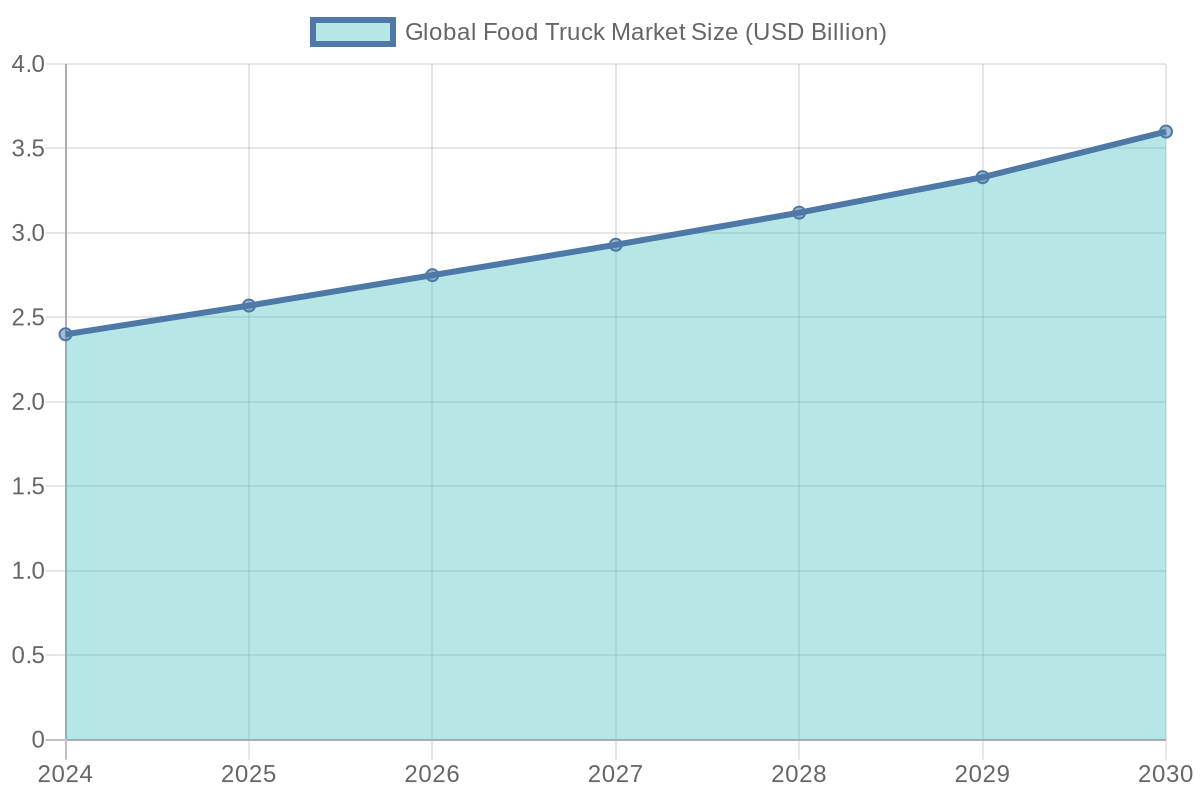
Meanwhile, data shows that the proportion of consumers aged 18-34 who prefer food trucks has risen dramatically, indicating a transformative trend towards mobile dining (source). This suggests that pizza trucks, as an integral part of the food truck movement, stand to benefit greatly from rising consumer interest and acceptance.
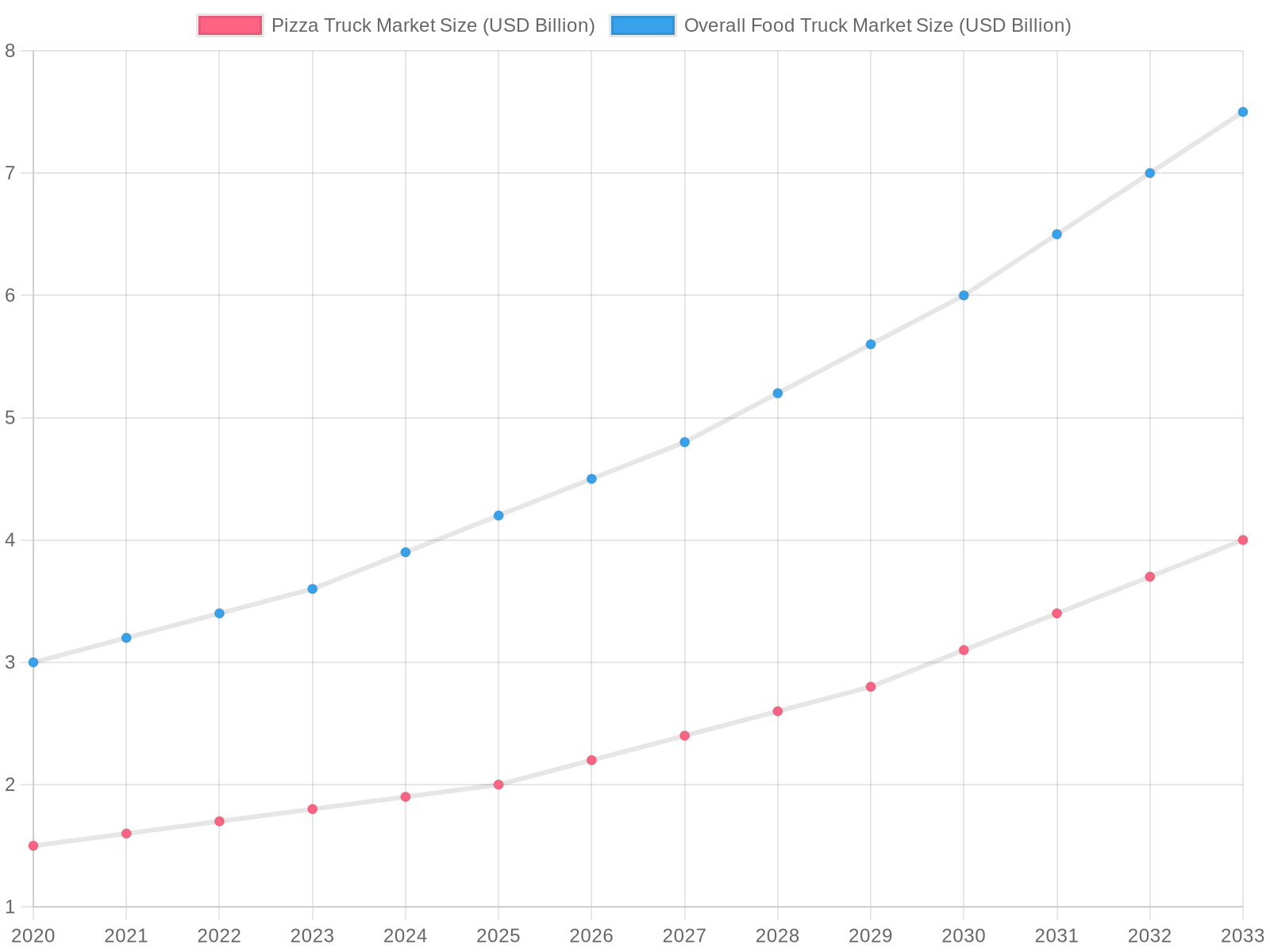
Overview of Pizza Truck Market Growth
This chart illustrates the projected growth of the pizza truck market from 2020 to 2033, reflecting an increase from 1.5 billion USD in 2020 to approximately 4 billion USD by 2033. The compound annual growth rate (CAGR) for the pizza truck segment stands at 9%, surpassing the overall food truck market’s expected growth of 7.2% during the same timeframe.
- 2020: 1.5 Billion USD (Pizza Trucks)
- 2033: 4.0 Billion USD (Pizza Trucks)
- Overall Food Truck Market Growth (CAGR 7.2%)
This trend signifies a robust demand for pizza trucks, fueled by an increasing consumer preference for unique, high-quality dining experiences on the go.
Essential Equipment for a Pizza Truck
Starting and operating a pizza truck requires a range of equipment to ensure efficiency and quality of service. Here’s a practical list to get you started:
- Pizza Oven: A commercial-grade pizza oven (gas or electric) is crucial for baking pizzas efficiently. Options include conveyor ovens or deck ovens, which can reach high temperatures for perfect crusts.
- Refrigeration Units: Ensure you have a walk-in cooler or under-counter fridge for ingredient storage to keep your vegetables, meats, and cheeses fresh.
- Prepping Stations: Include a prep table with an integrated sink for ease of access while assembling pizzas.
- Hot Food Holding Cabinet: This equipment keeps freshly baked pizzas warm until they are served, helping to maintain temperature and quality.
- Cooking Utensils: Essential tools like pizza peel, spatula, pizza cutter, mixing bowls, and dough sheeter are necessary for daily operations.
- POS System: A reliable point-of-sale system is vital for efficient order processing and inventory management.
- Safety Gear: Don’t forget gloves, aprons, and fire extinguishers to keep your staff safe and comply with safety regulations.
- Ventilation System: Proper ventilation is a must to maintain air quality in the cooking area and meet health standards.
- Branding Components: Invest in a vibrant truck wrap, menu boards, and signage to attract customers and establish your brand presence.
For a more detailed understanding of the legal requirements and steps to launch your business, you can learn more about the legal steps for launching a food truck and check out other pizza truck experiences that can guide you further.
With the right equipment and planning, your pizza truck can embark on a delicious journey to success!
“The secret to a thriving mobile pizzeria isn’t just the pizza-it’s the experience. We bake every pie with real wood fire, not just for flavor, but to create a moment that customers remember. If you’re on the road, your oven is your brand.”
- Grace Holden, successful pizza truck operator
This quote perfectly encapsulates the essence of running a successful pizza truck. It highlights the importance of not just the quality of the pizza, but also creating an unforgettable customer experience. To dive deeper into the crucial steps of launching your own food truck business, you can learn more about the legal steps for launching a food truck.
Conclusion: Embrace the Adventure of Owning a Pizza Truck
Owning a pizza truck is not just a business; it’s an opportunity to turn your culinary passion into a profitable venture. The unique benefits of operating a pizza truck include lower startup costs compared to traditional restaurants, the flexibility to operate in high-traffic areas, and the ability to create a personal brand that resonates with customers. By offering tasty and convenient meals, you not only satisfy cravings but also bring joy to communities at various events, festivals, and gatherings.
Moreover, the versatility of a pizza truck allows you to adapt your menu to cater to diverse tastes and dietary preferences. Whether focusing on gourmet, vegan, or classic options, you can carve out a niche that sets you apart in the food industry. Quick and efficient operations, along with engaging in social media marketing, can elevate your brand presence, ensuring customers keep coming back for more.
As you embark on this thrilling journey, remember to equip yourself with the right knowledge about launching your pizza truck. You can explore valuable insights through articles like how to start a pizza food truck business and tips for launching your pizza business.
The time is ripe to take action! Dive into the exciting world of mobile pizza services and explore premium pizza trucks at truckpizza.net. Start your flavorful adventure now and become a beloved food truck owner today!