
Introduction
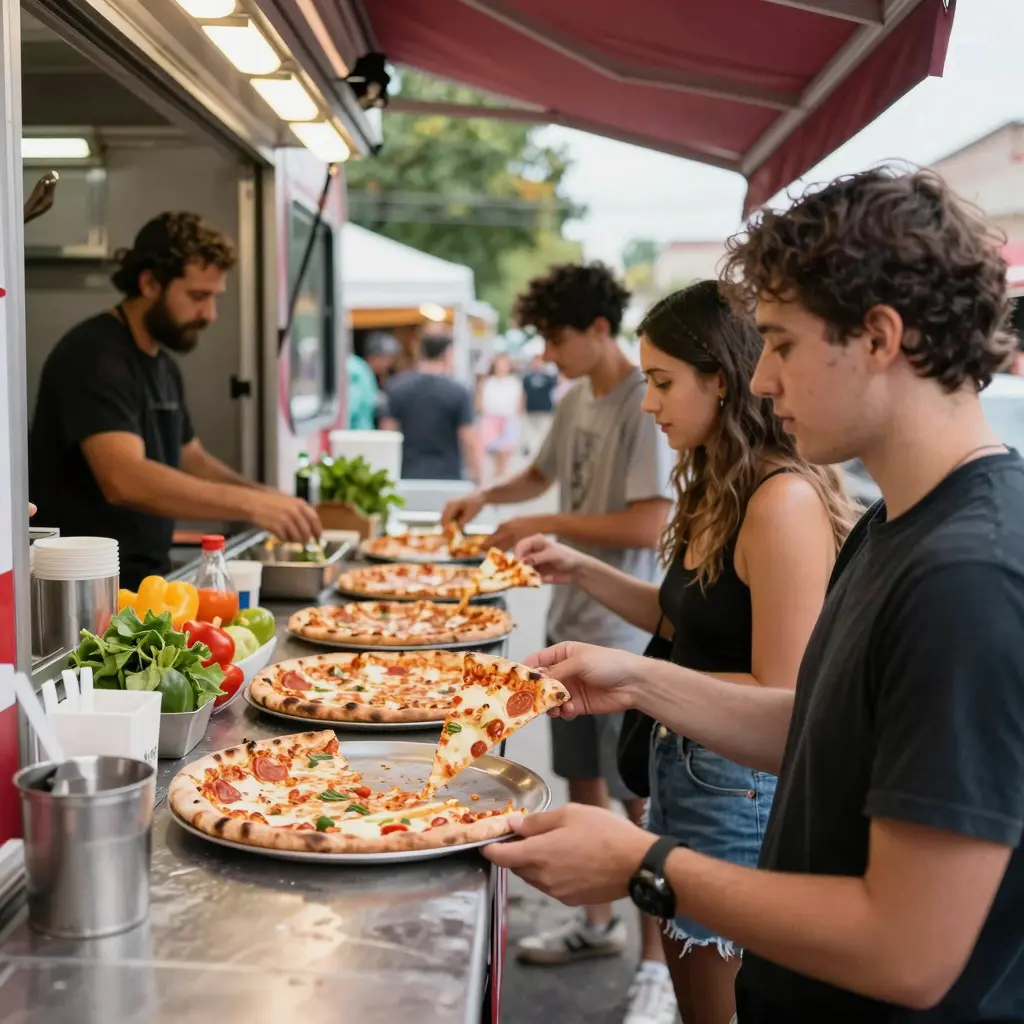
In recent years, the food truck industry has exploded in popularity, transforming how we experience culinary delights. Among the many offerings, pizza food trucks have emerged as a favorite, serving freshly-made, mouthwatering slices to hungry customers on the go. Imagine the aroma of baking dough wafting through the air as you roll through bustling neighborhoods or local festivals, sharing delicious meals with eager patrons. With minimal startup costs and the flexibility to move to high-traffic events, the mobile pizza business not only promises profitability but also allows you to unleash your passion for cooking in an exciting, dynamic environment. In this guide, we will explore how to build a pizza food truck and turn your culinary dreams into a reality, ensuring you have the recipes for both success and satisfaction. Want to dive deeper into the legal prerequisites and financial insights that make this venture rewarding? Learn more here.
Conducting Market Research for a Pizza Food Truck
Before launching your pizza food truck, conducting thorough market research is crucial for setting a solid foundation for your business. It helps you understand your potential customers, gauge competition, and determine the best locations to operate. Here’s why it matters and how to approach it:
Importance of Market Research
-
Understanding Customer Preferences: Market research allows you to identify trends in food consumption and customer favorites, enabling you to tailor your menu and offerings to appeal to local tastes.
-
Competitive Analysis: Familiarizing yourself with existing competitors will inform you about their strengths and weaknesses, giving you insight into what they offer and how you can differentiate your food truck in the market.
-
Location Viability: Research can reveal optimal locations based on foot traffic patterns, events, and demographics. A strong location increases your visibility and the potential for higher sales.
-
Financial Projections: With a clear understanding of the market size and potential revenue, you can develop accurate financial projections and a viable business model to prepare for operational costs and profitability.
Strategies for Market Research
To effectively conduct market research for your pizza food truck, consider the following strategies:
-
Surveys and Feedback: Utilize online surveys or social media polls to collect input directly from potential customers about their preferences regarding food types, pricing, and service.
-
Competitor Analysis: Visit other local food trucks or pizza restaurants to analyze their offerings, pricing structures, and customer interactions. Keeping an eye on social media engagement also helps you understand customer responses.
-
Community Engagement: Participate in local events and festivals to meet potential customers, distribute samples, and gather real-time feedback on your pizza flavors and service.
-
Online Research: Utilize platforms like Food Truck HQ to gain insights on industry trends and consumer preferences. This can also include exploring market reports or academic studies related to food truck customers.
-
Observational Research: Spend time observing crowds in different neighborhoods to discern which locations generate the most foot traffic and what types of food are popular.
By prioritizing market research, you can make informed decisions that pave the way for a successful launch of your pizza food truck. Incorporating customer insights into your planning ensures that you’re not just serving pizza, but creating an experience that resonates with your target audience.
Essential Equipment for a Pizza Food Truck
Starting a pizza food truck requires a combination of essential equipment to ensure operations run smoothly and that customers receive high-quality meals. Below is a concise list of must-have equipment for operating a pizza food truck:
-
Pizza Oven
A commercial-grade pizza oven is crucial for cooking pizzas quickly and efficiently while maintaining quality. -
Refrigeration Unit
A refrigerator or cooler is needed to store fresh ingredients, including dough, cheese, and toppings. -
Pizza Preparation Table
A prep table allows for efficient assembly of pizzas and is often refrigerated for ingredient storage. -
Serving Equipment
Essential serving tools include pizza cutters, serving trays, and utensils for toppings. -
Cooking Equipment
Additional cooking devices such as a stovetop or grill may be needed for sides or specialty items. -
Water Supply
Access to fresh water is necessary for washing food and maintaining hygiene in food preparation. -
Safety Equipment
This includes fire extinguishers and first-aid kits to ensure safety practices are upheld. -
Generator
A reliable power source is vital for running all electric equipment on the food truck. -
Handwashing Station
Compliance with health regulations requires access to sanitation facilities for food handlers. -
Portable Display Options
Consider portable options for showcasing your pizzas to attract customers effectively.
For more detailed planning and logistical support, check out these resources: learn about the legal steps for launching a food truck and explore profitable aspects of pizza food trucks.
The right equipment is essential for providing a quality pizza experience and ensuring your food truck can meet customer demands efficiently.
Starting a pizza food truck business is an exciting venture, but it comes with its own set of legal challenges. Navigating permits, licenses, and regulations can be daunting, especially as these requirements vary significantly across different regions. Here’s what you need to know to get your pizza food truck up and running legally.
Necessary Permits and Licenses
-
General Business License: Almost every state and local jurisdiction requires a business license to operate. This provides a legal foundation for your business.
-
Food Service License: Usually issued by the health department, this license ensures that you meet health and safety standards. Compliance with health regulations is critical, as non-compliance can lead to fines or business closure.
-
Vehicle License: Your food truck must be registered as a commercial vehicle with the state. This might also involve failing inspections to ensure it meets safety and operational standards.
-
Sales Tax Permit: You’ll need to collect sales tax on your pizzas, so obtaining a sales tax permit from your state’s revenue department is paramount.
-
Zoning and Parking Permits: Different regions have specific zoning laws that dictate where food trucks can operate. You might need to secure permits that allow you to park and serve at certain locations.
Common Challenges and Overcoming Them
While the legal landscape can be complex, there are common challenges you may face, along with strategies to address them:
-
Understanding Local Regulations: Regulations can differ vastly even within a single state. It’s crucial to check with local health departments and city regulations. For instance, in Georgia, recent rulings now allow food truck permits issued in one county to be recognized in others, streamlining the process.
-
Health and Safety Compliance: Maintaining food safety is not just about following regulations, but also about establishing trust with your customers. Regular training for staff and routine checks of equipment can help mitigate violations related to health codes.
-
Navigating Multiple Permits: In areas where food trucks need multiple permits, keeping track can be a nightmare. Using a checklist or management system can help keep everything organized. Additionally, consulting resources like your guide to food truck regulations can provide clarity.
-
Cost of Permits: Permitting can be expensive. It’s essential to budget for these upfront costs. Some areas might offer support or grants for small businesses that can help offset initial expenses.
Conclusion
To successfully launch your pizza food truck, thorough research and preparation concerning the necessary legal requirements are essential. From securing various licenses to managing local regulations, being proactive can help navigate potential challenges effectively. For detailed guidance on the legal steps you’ll need to take, consider checking our comprehensive article on legal steps for launching a food truck.
Taking the time to understand and comply with these legal requirements will not only streamline your operation but also set the stage for a successful culinary adventure on wheels!
| Model | Size (ft) | Price Range | Capacity (Pizzas/Hour) | Features |
|---|---|---|---|---|
| Classic Pizza Truck | 14 x 8 | $50,000 – $80,000 | 50 – 100 | Wood-fired oven, ample counter space |
| Compact Pizza Van | 10 x 6 | $35,000 – $60,000 | 25 – 50 | Lightweight, easy to maneuver in urban areas |
| Deluxe Pizza Mobile | 20 x 8 | $80,000 – $120,000 | 100 – 200 | High-capacity ovens, larger prep area |
| Wood-Fired Oven Truck | 16 x 8 | $60,000 – $90,000 | 75 – 150 | Traditional wood-fired oven, outdoor appeal |
| Mini Pizza Food Truck | 12 x 7 | $30,000 – $50,000 | 20 – 40 | Compact design, ideal for small events |
Note:
- Prices are approximate and can vary by the manufacturer and specific build configurations.
- Capacities are estimates based on average production rates for pizza trucks.
For potential buyers seeking more information on launching a food truck, you might find the following resource helpful: legal steps for launching a food truck.
If you’re interested in exploring the profitability of pizza food trucks, take a look at this article on pizza food trucks profitability.
Effective Marketing Strategies for Promoting a Pizza Food Truck Business
Starting a pizza food truck business can be an exciting venture, but effective marketing strategies are essential to gain traction and attract customers. Here are some actionable insights tailored for food truck owners:
1. Social Media Marketing
Leverage social media platforms like Instagram, Facebook, and Twitter to showcase your delicious offerings. Here are some approaches:
- High-Quality Images: Post visually appealing photographs of your pizzas, highlighting fresh ingredients and unique toppings.
- Live Updates: Use Instagram Stories or Facebook Live to announce your location and daily specials. This creates a sense of urgency and excitement among followers.
- User-Generated Content: Encourage customers to share their experiences and tag your food truck. Reposting their content not only boosts engagement but also builds community.
2. Participate in Local Events
Being visible in your community is key. Consider the following:
- Food Festivals: Join local food festivals, fairs, or markets to get your name out there. These events provide a great platform to engage with food lovers and introduce them to your brand.
- Community Events: Offer to cater for local events or partner with community organizations, providing food for fundraisers can also lend to goodwill and exposure.
3. Customer Engagement Techniques
Building relationships with customers can turn one-time buyers into regular patrons:
- Loyalty Programs: Implement a rewards program where frequent customers earn points towards free food or discounts. This can enhance customer retention.
- Surveys and Feedback: Use social media or paper surveys to gather customer feedback. This not only shows that you value their opinions but helps you make improvements.
- Interactive Contests: Create contests where customers can submit their own pizza topping ideas. Winners could have their creation featured as a special for a limited time, engaging customers and generating excitement.
Conclusion
The success of a pizza food truck business relies heavily on effective marketing strategies that engage the community and foster customer relationships. By implementing these actionable insights, you’ll be on the right path to building a loyal customer base and ensuring ongoing success in your food truck venture.
For more information on the essential steps to start your food truck journey, check out our article on legal steps for launching a food truck.
Conclusion
As we journey through the essentials of building a pizza food truck, it’s clear that passion and strategy combine to pave the road to success. You’ve learned about the crucial steps in setting up your food truck, such as selecting the right equipment, developing an appealing menu, and navigating the necessary legal requirements to launch your venture. With the pizza food truck industry growing steadily – with about 36,324 food truck businesses operating in the U.S. as of 2023, a substantial increase from previous years – the time to dive into this business opportunity is now!
Whether it’s understanding your target market or optimizing your operations for efficiency, each section of this guide is designed to equip you with the knowledge needed to thrive. The next step is to put these insights into action.
Are you ready to take your pizza passion on the road? Explore premium pizza trucks available at truckpizza.net and embark on your journey to culinary success today! Don’t hesitate; the world of gourmet pizza awaits you!
Suggested Quote
“Success is not just about making great food; it’s about passion, resilience, and learning from every experience on the road.” – Anonymous Food Entrepreneur
This quote emphasizes the importance of passion and resilience in the food truck industry. Building a pizza food truck requires not just culinary skills but also the ability to adapt and overcome challenges.
Adding Context
In your pizza food truck journey, you will face various challenges-from legal hurdles to managing finances. Understanding and embracing the lessons learned along the way can make a significant difference. You can delve deeper into some of these essential aspects by checking out the legal steps for launching a food truck or learn why pizza food trucks are profitable by visiting this insightful post.
Menu Development for Your Pizza Food Truck
Creating a unique and appealing pizza menu is critical for attracting customers to your food truck. Here are several strategies for developing a successful menu that showcases local ingredients and seasonal specials while also considering the importance of variety and dietary options.
Embrace Local Ingredients
-
Research Local Farms: Start by connecting with local farms and suppliers in your area. By using seasonal vegetables, fruits, and meats, you can create pizzas that are not only delicious but also reflect the local landscape. For example, incorporating locally sourced heirloom tomatoes and artisanal cheeses can set your menu apart from competitors.
-
Highlight Seasonal Specials: Design the menu to change with the seasons. For example, offer a summer pizza topped with fresh basil and tomatoes, or a fall version featuring hearty ingredients like squash and mushrooms. Seasonal specials not only keep the menu fresh but also resonate with customers looking for unique dining experiences.
Focus on Variety and Dietary Options
-
Cater to Different Dietary Needs: It’s essential to include a range of dietary options in your menu to cater to various customer preferences. Offering gluten-free crusts, vegan cheese, and a variety of toppings can attract health-conscious patrons and those with food allergies. According to a recent survey, 61% of food trucks provided multilingual menus, highlighting the importance of catering to diverse customer bases.
-
Create a Diverse Menu: A well-rounded menu that offers a plant-based pizza option, traditional favorites, and unique specialty pizzas can attract a broader audience. The right mix can increase customer satisfaction and loyalty, as noted by resources that emphasize the significance of menu variety in the food truck industry (Dojobusiness.com).
Engage with Customers
-
Integration of Feedback: Consider launching a “pizza of the month” based on customer feedback. Encourage patrons to suggest ingredients or themes for special pizzas, which fosters a sense of community and loyalty.
-
Visual Appeal: Use vibrant and appealing menu designs that dynamically showcase your offerings. A visually appealing menu can entice customers and drive sales.
In conclusion, designing a unique pizza menu for your food truck involves not just creativity but also the strategic use of local ingredients, seasonal specials, and attention to dietary needs. A well-thought-out menu can significantly enhance customer engagement, making your food truck a go-to destination for pizza lovers.