
Introduction
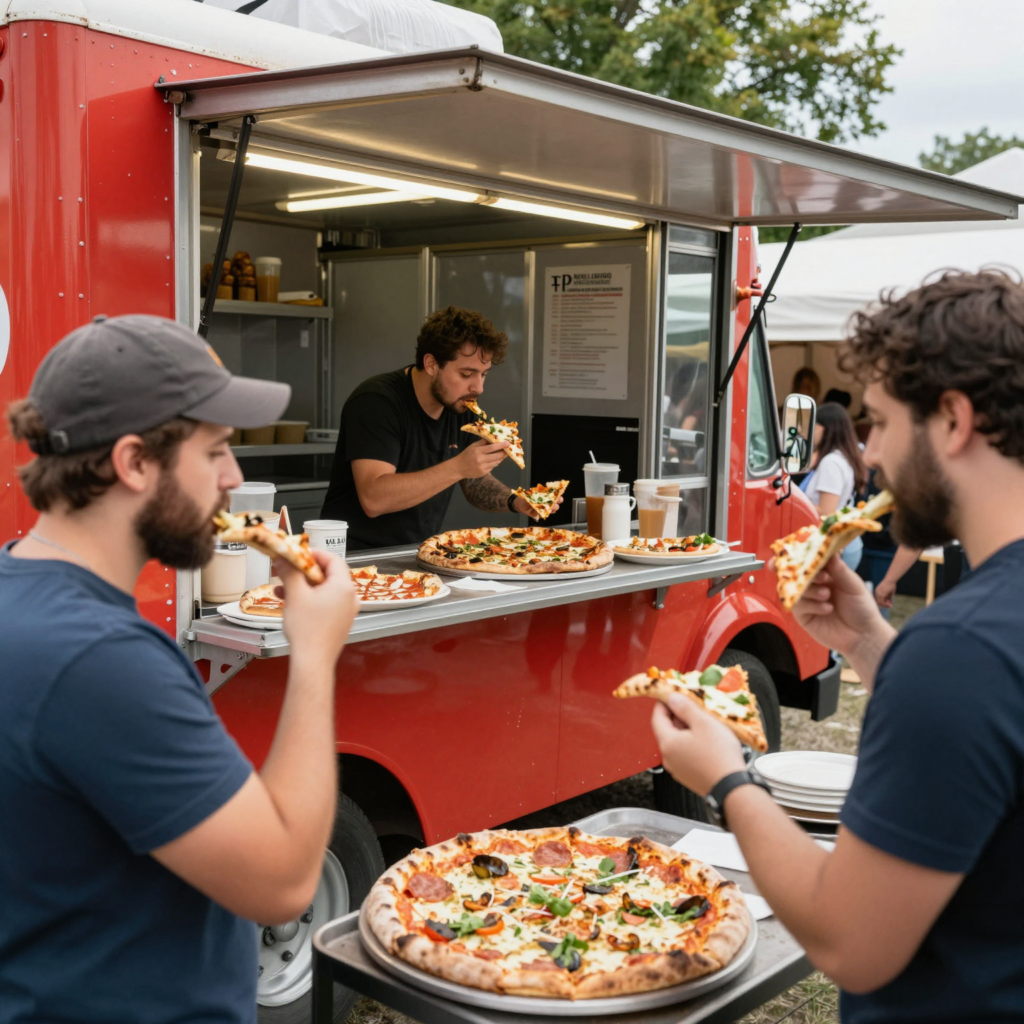
Can you deliver pizza in a truck? If you’re a business owner pondering the potential of launching a mobile pizza venture, this question might just ignite the spark of inspiration you need. The concept of pizza trucks has gained remarkable traction, offering a unique dining experience that blends convenience with deliciousness. With the rise of food trucks, entrepreneurs have begun exploring how to deliver culinary delights, specifically pizzas, directly to consumers from the back of a truck. Imagine the aroma of freshly baked pizza wafting through the air, captivating hungry passersby while your truck serves up slices of joy at events, parks, and festivals.
In this article, we will explore the ins and outs of setting up a pizza truck business, including legal considerations, operational tips, and the advantages of this growing trend in the mobile food industry. This exciting venture offers not just a chance to serve great food, but also a wonderful opportunity to be part of a community-driven experience. For more insights into the essentials of launching such a venture, check out our guide on legal steps for launching a food truck and the pizza truck experience.
Benefits of Using a Pizza Truck for Delivery
Delivering pizza from a truck offers numerous advantages that can significantly enhance operational efficiency and customer satisfaction. Here are some key benefits:
- Mobility: Pizza trucks are designed to be mobile, allowing them to reach various locations. This flexibility means you can serve multiple events, festivals, or even neighborhoods, reaching a broader customer base without being tied to a single location.
- Reduced Overhead Costs: Operating a pizza truck generally has a lower startup cost compared to traditional restaurants. According to the National Restaurant Association, the median startup cost for food trucks is about $95,000, which is 40% less than that of conventional restaurants. This cost savings extends to lower rent and utility expenses due to the absence of a fixed establishment.
- Enhanced Adaptability: Pizza trucks can quickly adapt to different events and customer needs. Whether it’s a local festival or a corporate gathering, you can adjust your menu and operating strategy to fit the occasion, ensuring you’re always meeting the market demand.
- Faster Delivery Times: Pizza trucks have optimized workflows that enable them to deliver meals quickly. Studies show that pizza trucks can deliver orders in an average of 18 minutes from order placement-12 minutes faster than traditional restaurant pickups. Faster service often translates to greater customer satisfaction and repeat business.
- Strong Brand Presence: Customizable truck designs allow for effective brand promotion. A well-branded pizza truck can attract attention and make a lasting impression at events, increasing your visibility in a competitive market and enhancing customer loyalty.
- High Customer Satisfaction: Customers enjoy the convenience of food trucks, with 74% preferring them for their variety and ease of access. Additionally, pizza truck deliveries are rated higher in terms of temperature and freshness compared to standard restaurant deliveries.
Explore more on how to launch a food truck and the benefits of operating a pizza truck to unlock your business potential.
Legal Requirements for Operating a Pizza Truck
Operating a pizza truck can be an exciting venture, but it comes with a set of legal requirements that must be adhered to. Here’s a summary of the necessary permits, licenses, and regulations that a business owner must follow, with variations by location highlighted where applicable.
1. Necessary Permits and Licenses
To legally operate a pizza food truck, owners must secure various permits which typically include:
- Business License: This is required for all businesses to operate legally within a given municipality. The process and fee vary by location.
- Mobile Food Vendor Permit: Issued by local health departments, this permit ensures that the truck meets necessary health and safety regulations.
- Food Handler’s Permit: All staff must have this certification, which illustrates that they understand proper food handling procedures.
- Federal Employer Identification Number (EIN): Required for taxation purposes if you plan to hire employees.
Moreover, specific states might necessitate additional permits. For example, California mandates a Mobile Food Facility Permit from the Department of Public Health, while Texas requires a Food Service Establishment Permit. It’s crucial to consult the U.S. Small Business Administration for your specific state’s requirements.
2. Health and Safety Regulations
Compliance with health and safety regulations is paramount:
- Health Inspections: Food trucks must pass inspections which verify compliance with local health codes as governed by entities like the CDC.
- Sanitation Standards: Your truck must include a handwashing station, refrigerators, and proper waste disposal systems.
- Food Safety Training: Staff should be trained in safe food handling to prevent foodborne illnesses.
3. Zoning Laws and Operational Restrictions
Zoning laws can dictate where your food truck can operate. Many cities have specific zones for food trucks, and some may prohibit trucks from operating near traditional restaurants or schools. It’s advisable to research local zoning laws thoroughly or consult with local city planners before launching your operation.
Conclusion
Starting a pizza truck involves navigating complex legal landscapes. By understanding and complying with the required permits and regulations, you’ll be well on your way to successfully delivering your delicious pizzas on the go! For more details on legal steps, visit our blog on legal steps for launching a food truck.
Operational Challenges in Pizza Truck Delivery
Operating a pizza truck involves navigating through myriad challenges that can impact service quality and profitability. Let’s explore some of the common difficulties faced by operators in this niche market.
Supply Chain Management
One of the most significant hurdles pizza truck operators face is managing their supply chain effectively. Timely procurement of ingredients is crucial for maintaining quality and customer expectations. Delays in supply deliveries, often exacerbated by transportation interruptions or sudden shortages, can lead to menu changes or reduced availability of key ingredients. To combat these issues, operators should establish strong relationships with suppliers, negotiate clear terms regarding delivery schedules, and have contingency plans for sourcing alternative suppliers in case of emergencies. Tips for managing these challenges can be found in this supply chain management guide.
Equipment Maintenance
The unique operational demands of a pizza truck require regular equipment maintenance to ensure smooth functioning. Issues such as equipment breakdowns or malfunctions can cause significant disruptions, leading to lost sales and dissatisfied customers. Preventative maintenance schedules and quick access to repair services are essential for reducing downtime. It’s also advisable for operators to invest in reliable equipment suited for mobile food service, as noted by industry benchmarks. Regular maintenance can also lead to better operational efficiency. An example of efficient delivery vehicles can be viewed here.
Parking Regulations
Navigating local parking regulations is another crucial challenge faced by pizza truck operators. Finding suitable and compliant locations for parking can be complex amidst competing interests from restaurants and other businesses. Operators must be familiar with local laws regarding food truck parking to avoid fines. They often need to creatively leverage partnerships with businesses that allow parking or designate special areas for food trucks. Understanding the local regulatory landscape can significantly improve operational efficiency and customer access.
Conclusion
Overcoming these operational challenges requires strategic planning, effective communication, and adaptability. By staying informed and proactive, pizza truck operators can ensure a successful delivery operation, enhancing both customer satisfaction and business viability.
| Pizza Truck Model | Key Features | Price Range | Benefits |
|---|---|---|---|
| Crispy Cruiser | – Professional pizza oven (480°F) – Dual workstations – Integrated beverage system |
$75,000 – $160,000 | – Instant operational capability – High fuel efficiency – USDA food safety compliance |
| Pepperoni Express | – Modular design – Large refrigeration unit – Ergonomic service windows |
Starting at $98,000 | – Flexibility for menu changes – Efficient workflow – Brand customization options |
| Urban Slice | – Customizable outdoor seating – Solar-powered options – Smart order system |
$90,000 – $120,000 | – Sustainable energy use – Increased customer engagement – Full-service support |
| Festival King | – Heavy-duty construction – Ample storage space – High capacity pizza oven |
$80,000 – $150,000 | – Perfect for events – Easy transport – High production potential |
| YITUO YT-FS450R | – Lightweight aluminum body – Efficient two-axle design – Modular kitchen setup |
$65,000 – $100,000 | – Enhanced mobility – Cost-effective operation – Fully customizable |
Frequently Asked Questions (FAQ) about Delivering Pizza from a Truck
Q1: Can I deliver pizza from a food truck?
- A: Yes, you can deliver pizza from a food truck. Many food trucks operate as mobile restaurants, and pizza is a popular option. Ensure you follow local regulations and obtain relevant permits. Learn more about the legal steps for launching a food truck.
Q2: What are the benefits of using a truck for pizza delivery?
- A: Delivering pizza from a truck offers flexibility in location, lower overhead costs, and the ability to cater events. It also allows for unique marketing opportunities, as the truck itself can serve as a moving advertisement.
Q3: How do I keep the pizzas warm during delivery?
- A: To maintain temperature, use insulated bags or warm boxes. Consider equipping the truck with warming devices for longer trips. This helps ensure the pizzas arrive hot and fresh, improving customer satisfaction.
Q4: What should I do in case of delays?
- A: Delays can occur due to traffic or weather. It’s best to inform customers promptly about their delivery status. Utilizing GPS navigation with real-time traffic updates can help prevent delays.
Q5: How do I manage orders effectively from a truck?
- A: Implement a simple POS system compatible with your truck setup. Clear signage and a menu can help streamline orders. Offering online ordering can enhance efficiency, allowing customers to place orders before they arrive.
Q6: What are the common challenges in pizza truck delivery?
- A: Common challenges include managing time pressures, ensuring food safety, and handling customer complaints. It’s essential to continuously communicate with your staff and customers, managing expectations.
Q7: How profitable is a pizza food truck business?
- A: Profitability can vary, but many food trucks report earning significant profits, especially during peak hours and events. Proper planning and marketing are key to success. Read about pizza food truck profitability.
Effective Marketing Strategies for Pizza Trucks
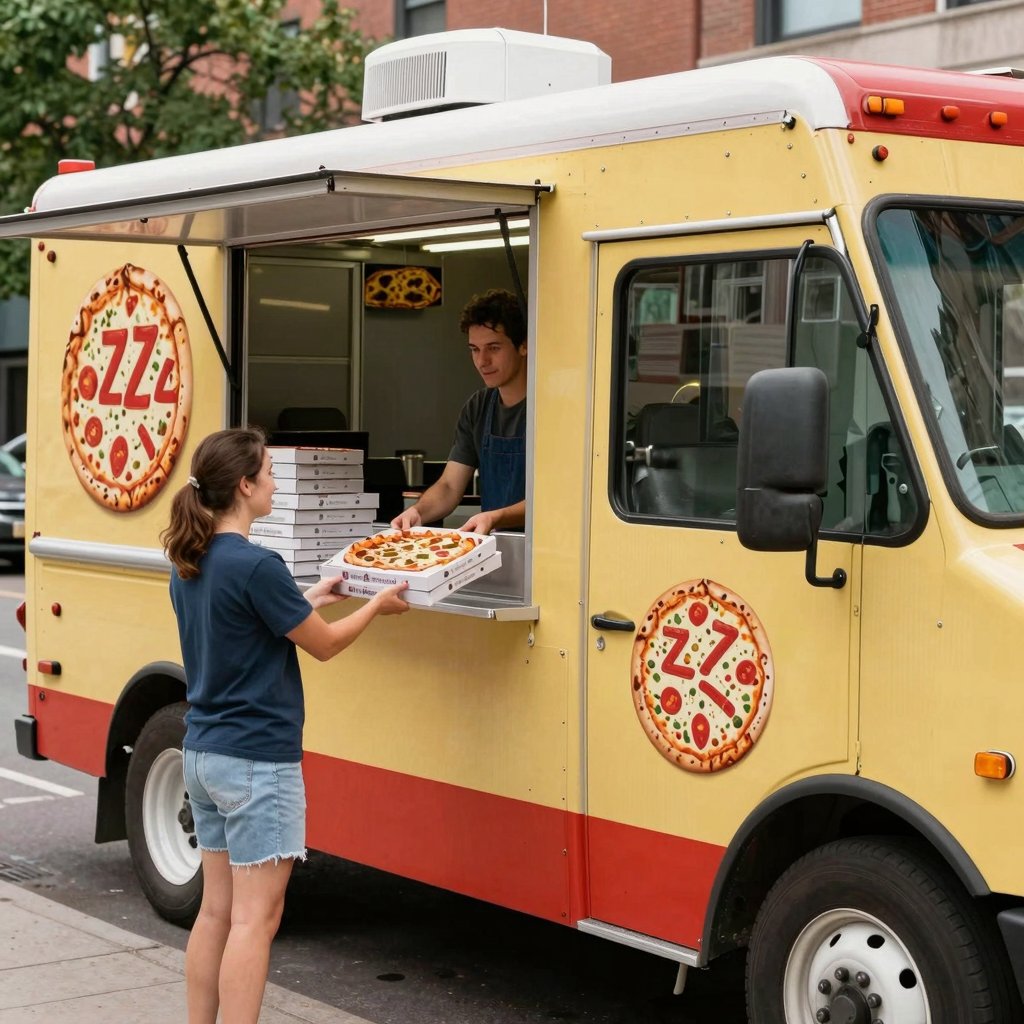
Starting a pizza truck is an exciting venture filled with potential for both creativity and business success. To ensure longevity and profitability, consider these marketing strategies tailored specifically for pizza trucks:
Social Media Tactics
Utilizing social media effectively is crucial for bringing awareness to your pizza truck. Here are a few strategies to consider:
- Engaging Content: Share high-quality images and videos of your pizzas. Behind-the-scenes looks at the pizza-making process can attract attention. For instance, slow-motion videos of cheese stretching or fun cooking challenges can become viral content.
- Location Updates: Use real-time location sharing on platforms like Instagram and Facebook. This lets customers know where to find you and can increase foot traffic.
- Guided Interactivity: Polls and Q&A sessions about favorite toppings or potential new flavors can create a strong connection with your audience and encourage interaction.
- Collaborate with Influencers: Team up with local influencers to reach wider audiences. Influencers can showcase your pizza in their posts, generating excitement and attracting new customers.
Participation in Local Events
Engaging in local events is a great way to market your pizza truck:
- Food Festivals: Set up your truck at food festivals or fairs to reach larger crowds and engage with local food enthusiasts.
- Community Initiatives: Participate in charity events or local markets. This not only supports the community but also builds your brand’s reputation.
Strategic Partnerships
Building partnerships with local businesses can bolster visibility:
- Cross-Promotions: Partner with breweries or local farms to offer unique dining experiences or collaborate in promotional events.
- Corporate Catering: Establish relationships with local businesses for lunch deliveries, which can ensure a steady stream of clientele through regular orders.
Utilizing these strategies effectively can create a loyal customer base and establish your pizza truck as a beloved local staple. For those considering launching a pizza truck, explore the legal steps for launching a food truck to start on the right foot.
Growth Trends in Mobile Food Services
The mobile food services industry, particularly pizza trucks, has shown significant growth in recent years. According to market analysis, the global mobile food service market was valued at $22.30 billion in 2023 and is projected to reach $42.30 billion by 2033, with a CAGR of 6.6% during this period. This growth is fueled by several factors, including:
- Increasing consumer demand for diverse dining experiences
- Convenience in food delivery options
- High acceptance rates among millennials for innovative food options
Market Size Chart

This chart visualizes the projected growth of the mobile food services market, specifically pizza trucks, illustrating the upward trend that business owners in this sector can expect in the coming years. For more insights into starting a food truck business, check out the legal steps for launching a food truck.
Conclusion and Call to Action
In summary, the pizza truck business offers an incredible opportunity for aspiring entrepreneurs, boasting a high success rate of approximately 68% to 71% within the first three years of operation. This success is largely driven by strong consumer demand, particularly in vibrant settings like events and urban lunch spots, where the convenience and quality of pizza on-the-go are highly valued. Independent pizza trucks often thrive by utilizing unique ingredients and effective social media marketing strategies to connect with customers.
If you’re considering diving into the mobile food industry, now is the perfect time to explore the possibilities that await. Head over to Truck Pizza to discover premium pizza truck options that could set you on the path to success. By leveraging existing trends in mobile dining and focusing on quality, you can join the ranks of successful pizza truck vendors and capitalize on the growing demand for delicious, portable meals.