
Introduction
In the fast-paced world of food service, the question arises: Can you deliver pizza with a truck? As the demand for pizza delivery grows, innovative solutions are emerging to meet customer preferences. In fact, did you know that as of 2023, there are approximately 36,324 food truck businesses operating in the U.S.? This number represents a significant growth from just a few thousand in the early 2010s, showcasing the increasing popularity of food trucks. It highlights not only a shift in consumer behavior but also the evolving landscape of food delivery options, where mobile solutions like pizza trucks are gaining traction.
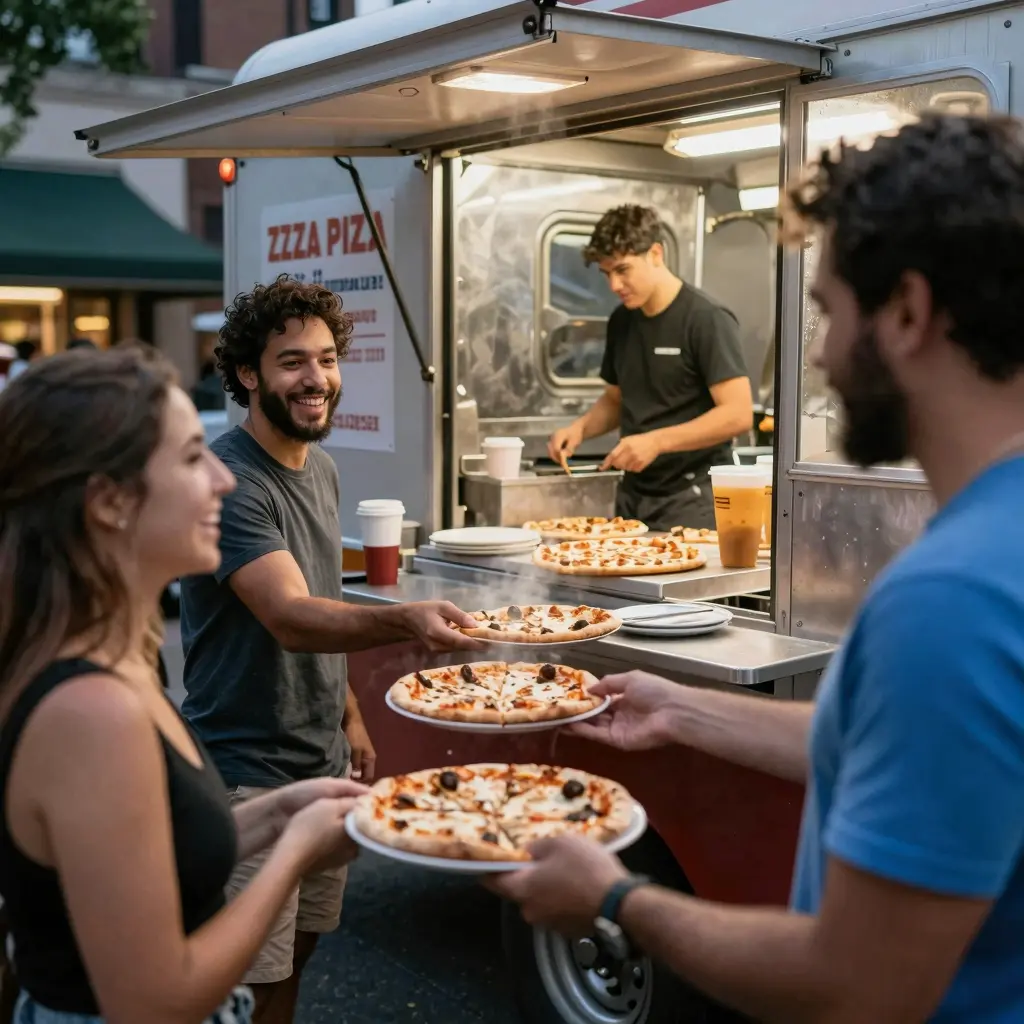
Imagine a late evening in a bustling city where the air is filled with the aroma of baked dough and melting cheese. A pizza truck rolls up to a local event, attracting a line of eager customers impatient for their fix. The allure of fresh, hot pizza delivered straight from a custom-equipped truck offers a unique dining experience that transcends traditional restaurant settings. This scene exemplifies why food trucks, particularly those specializing in pizza, are becoming a staple in the culinary world.
To explore what it takes to launch and manage a pizza delivery truck, learn more about the legal steps for launching a food truck.
As we delve deeper into this topic, we will discuss the opportunities and challenges associated with pizza delivery via trucks and how business owners can successfully tap into this thriving market.
Comparison Table: Traditional Pizza Delivery vs. Pizza Truck Delivery
| Criteria | Traditional Delivery | Pizza Truck Delivery |
|---|---|---|
| Costs | Higher overhead costs due to staffing, rent, and utilities. | Lower startup and operational costs; flexibility in location reduces expenses. |
| Reach | Limited to specific delivery areas; depends on the pizzeria’s location. | Can move to various locations, expanding customer reach significantly. |
| Customer Engagement | Established loyalty programs; direct communication through delivery apps. | Opportunity for direct interaction at events and festivals, creating engaging customer experiences. |
| Flexibility | Fixed operation hours and menu; limited adaptability to trends. | High adaptability to trends and events; mobility allows participation in festivals and pop-ups. |
Insights
This table illustrates the key differences between traditional pizza delivery methods and using a pizza truck for delivery. As food trucks gain popularity, the flexibility and cost-effectiveness they offer make them an attractive option for business owners in the food industry.
For more detailed information about the legal steps for launching a food truck, check out this guide on legal steps for launching a food truck. Additionally, if you’re interested in understanding the profitability of pizza trucks, you can learn more about pizza food trucks here.
How to Start a Pizza Truck Business
Starting a pizza truck business can be an exciting venture with plenty of opportunities. Below are crucial steps to help you get started:
1. Research and Planning
- Understand the Market: Before launching, research your local market. Understand what pizza offerings are popular and identify your competition. Consider this article on legal steps for launching a food truck for insights on navigating regulations.
- Create a Business Plan: Outline your business goals, target demographics, startup costs, and marketing strategies in a comprehensive business plan.
2. Permits and Licensing
- Obtain Necessary Permits: Check with your local health department to know the permits required for operating a food truck. Typically, this includes:
- Food handling permits
- Business licenses
- Health department permits
- Parking permits for specific locations
3. Equipment and Supplies
- Essential Equipment: Invest in necessary kitchen equipment that fits your menu. Some important items include:
- Wood-fired oven or pizza oven
- Refrigerator for ingredients and storage
- Food prep counters
- Cooking utensils
- Vehicle Purchase: Select a truck that can accommodate your equipment and provide enough space for operations. Ensure it meets local health and safety regulations.
4. Menu Development
- Craft Your Menu: Develop a unique menu that reflects your brand. Consider including:
- Traditional pizzas with a creative twist
- Vegan or gluten-free options
- Seasonal or local ingredients to enhance appealing and sustainable choices.
5. Marketing and Branding
- Create a Brand Identity: Design a catchy name, logo, and theme for your truck that resonates with your target audience. Utilize social media platforms to generate buzz before launching and engage with customers.
- Leverage Online Ordering: Implement mobile ordering and contactless payments to streamline customer engagement and adapt to modern consumer preferences.
6. Launching and Operations
- Choose Optimal Locations: Start by identifying high-traffic areas or events where you can park your truck. Participating in local festivals can also boost visibility.
- Catering Events: Expand your revenue by offering catering services for private events, which are increasingly sought after by customers.
Conclusion
Starting a pizza truck business involves careful planning, compliance with local regulations, and a unique menu to attract customers. For further tips on making your pizza truck venture successful, consider reading about the pizza truck experience. Keep trends in mind, such as the focus on sustainable ingredients and unique toppings, to compete effectively in this vibrant industry!
“Using a pizza truck has transformed our business by allowing us to be mobile and reach customers in various locations. It not only boosts our visibility but also creates an engaging experience for our customers, which is key in building loyal relationships.”
This quote reflects the sentiments often shared by food truck owners about the versatility and customer connection they gain from operating a mobile pizza business.
To read more about launching a food truck, check out the legal steps for launching a food truck for comprehensive insights.

Legal and Regulatory Considerations for Operating a Pizza Truck
Starting a pizza truck business involves navigating various legal and regulatory requirements. Ensuring compliance not only protects you from potential fines and closures but also promotes a safe and sanitary food environment for your customers. Here’s a breakdown of the necessary steps to operate legally:
1. Obtain the Necessary Licenses
- Business License: Register your business legally to operate in your state. This often requires an application through your local or state government. Learn more about licensing steps.
- Food Service License: Obtain a food service permit from your local health department, which may involve an application and a fee.
- Mobile Food Vendor License: Some jurisdictions require a specific mobile food vendor license tailored to food trucks.
- Fire Department Permit: If your truck has cooking equipment, you may need to pass an inspection and obtain a permit from the local fire department.
2. Comply with Health Codes
- Food Safety Regulations: Familiarize yourself with local health codes that pertain to food preparation and handling. This often requires training certifications for food safety.
- Health Inspections: Your food truck will need to pass health inspections by the local health department before you can start serving customers. Regular inspections will be required thereafter to ensure ongoing compliance.
3. Follow Local Regulations
- Zoning Laws: Check local zoning laws to ensure that you can park and operate your pizza truck in desired areas. Some cities have specific zones designated for food trucks.
- Parking Permits: You may need special permits to park and serve meals in high-traffic areas, events, or festivals.
- Operating Hours: Be informed of any local regulations regarding permitted operating hours for food trucks.
4. Keep Your Records and Renewals Up to Date
- Document Everything: Keep detailed records of your licenses, permits, and any inspections.
- Annual Renewals: Most licenses and permits will require annual renewal or periodic updates.
Conclusion
Starting a pizza truck can be a rewarding venture, but it is crucial to adhere to legal requirements diligently. Failure to comply can lead to fines, suspension, or even the shutdown of your business. Always check local websites or consult with local government offices for the most current regulations. To understand more about starting a food truck, consider visiting our blog on legal steps for launching a food truck.
Customer Engagement Strategies for Pizza Truck Deliveries
Engaging customers is crucial for the success of any pizza truck business. Here are various effective strategies to enhance customer engagement through social media, promotions, and events specifically tailored to pizza truck operations.
1. Social Media Engagement
- Visual Content: Share high-quality photos and videos of your menu items. Showcase fresh ingredients, employee interactions, and the unique aspects of your pizza truck experience.
- Interactive Posts: Create polls, contests, or quizzes related to customers’ favorite flavors or toppings. Engage your audience by asking questions and encouraging comments.
- Updates and Promotions: Regularly post about your location, operating hours, and any special offers. Consider using tools like Instagram Stories or Facebook Live to keep your audience updated in real time.
- Hashtags: Utilize popular and relevant hashtags related to food trucks and pizza to expand your reach. Examples include #PizzaTruck, #FoodTruckFridays, and specific local tags to target your community.
- Customer Features: Highlight customer reviews and user-generated content by reposting their photos enjoying your pizza. This builds community and trust around your brand.
2. Promotions and Discounts
- Loyalty Programs: Implement a rewards program where customers can earn points for each purchase, which can later be redeemed for discounts or free items, fostering customer loyalty.
- Flash Sales: Announce limited-time promotions via social media to create urgency. For example, a “Topping of the Day” discount can encourage customers to try new items.
- Combo Deals: Offer meal deals that bundle pizzas with drinks or sides at a discounted rate. This not only increases the average order value but makes customers feel they’re getting a good deal.
3. Events and Collaborations
- Local Events: Participate in local fairs, markets, and festivals where people can try your pizzas in a fun atmosphere. This builds local recognition and excitement around your brand.
- Themed Nights: Organize themed nights or events, such as trivia or music nights at your truck, to attract more engagement and create a memorable experience.
- Collaborations: Partner with local breweries or artisan food producers to create exclusive pizza offerings that can be marketed via both brands’ social media channels.
By integrating these customer engagement strategies, pizza truck business owners can enhance their customers’ experiences, foster loyalty, and ultimately drive more sales. For more information on launching a food truck business, consider learning more about the legal steps for launching a food truck.
Engaging with customers through dynamic content, real-time interactions, and community-based promotions will not only make your pizza truck stand out but also create a loyal customer base that keeps coming back for more!
Growth of Mobile Food Businesses
The mobile food business, including pizza trucks, has seen a significant increase in popularity in recent years. This trend is not only a reflection of changing eating habits but also an opportunity for aspiring business owners. According to market research data, the Global Mobile Food Services Market is expected to grow from USD 22.30 billion in 2023 to USD 42.30 billion by 2033, indicating a steady increase in demand.
Projected Growth of the Mobile Food Services Market
Here’s a line chart that illustrates the projected growth in the mobile food services market from 2023 to 2033:

| Year | Projected Growth (USD Billion) |
|---|---|
| 2023 | 22.30 |
| 2024 | 23.181 |
| 2025 | 24.4 |
| 2030 | 38.25 |
| 2033 | 42.30 |
As the chart shows, the mobile food services sector is on a trajectory for growth, making it an appealing prospect for entrepreneurs looking to enter the pizza delivery business. Owning a pizza truck can be a lucrative venture, especially in an era where convenience and on-the-go dining are increasingly favored by consumers.
For those interested in this business model, learn more about the legal steps for launching a food truck to ensure you are on the right track!
Conclusion
In summary, establishing a pizza truck can be a lucrative and exciting venture for aspiring business owners. Various advantages make this model appealing:
- Lower Startup Costs: Compared to traditional brick-and-mortar restaurants, pizza trucks often require significantly less capital investment, making it easier for entrepreneurs to enter the market.
- Mobility: A pizza truck’s ability to move to various locations allows owners to reach a wide array of customers and participate in local events, fairs, and festivals, maximizing visibility.
- Flexibility in Menu: Business owners can adapt their menus based on customer preferences and seasonal ingredients, keeping offerings fresh and appealing.
- Reduced Overheads: With lower fixed expenses – no rent or utility bills typical for restaurants – driving profitability is more feasible.
- Engagement with the Community: Food trucks often create strong community bonds through direct engagement with customers, enhancing brand loyalty.
As the food truck industry continues to evolve, there is ample space for creativity in how pizza is delivered. With growing demand for gourmet and unique food options, investing in a pizza truck can align with current culinary trends and consumer preferences. If you’re ready to take the next step into this delicious business adventure, explore your options at truckpizza.net. Here, you will find resources and support to help you embark on your pizza truck journey. Whether you are fine-tuning your menu or navigating the legal landscape in the food trucking world, learn more about the necessary legal steps for launching a food truck to ensure you start on the right foot. Don’t miss this opportunity to bring your tasty creations to the streets!
Common Challenges of Operating a Pizza Truck
Operating a pizza truck is an exciting venture, but it comes with its own set of challenges. Here are some of the most common obstacles pizza truck owners face:
-
Regulatory Issues: Pizza truck owners often encounter strict health regulations that require compliance with various local permits, licenses, and zoning laws. Navigating these regulations can be complex and time-consuming, especially when they vary from state to state.
-
Competition: The food truck market is highly competitive, particularly in urban areas where multiple vendors often operate simultaneously. Pizza truck owners must find ways to differentiate their offerings through unique recipes, innovative marketing strategies, and excellent customer service.
-
Operational Costs: There are numerous costs involved in running a pizza truck, including supplies, fuel, maintenance, and labor. Balancing these expenses while maintaining the quality of food is a significant challenge for owners. Proper budgeting and financial planning are essential.
-
Logistics and Scheduling: Successfully locating the best spots to park, managing schedules around local events, and maintaining proper inventory levels can be daunting. Furthermore, exterior factors such as weather can impact customer turnout, necessitating quick adaptations.
-
Maintenance and Equipment Issues: Regular maintenance of the pizza truck is essential for smooth operations. Issues with cooking equipment, power generators, or other machinery can lead to unexpected downtime, affecting sales and customer satisfaction.
-
Marketing and Branding: Building a loyal customer base requires effective marketing strategies. Owners often need to leverage social media platforms and participate in community events to enhance visibility and attract customers.
By understanding and addressing these challenges, pizza truck owners can better navigate the complexities of this bustling sector. For more guidance on starting your own food truck venture, check out our post on legal steps for launching a food truck and discover what makes food trucks profitable in our article on pizza food trucks profitability.
Conclusion
Running a pizza truck can be a rewarding experience, but it requires diligence and adaptability to overcome common challenges. With careful planning and a focus on quality and service, you can drive your pizza truck towards success.