
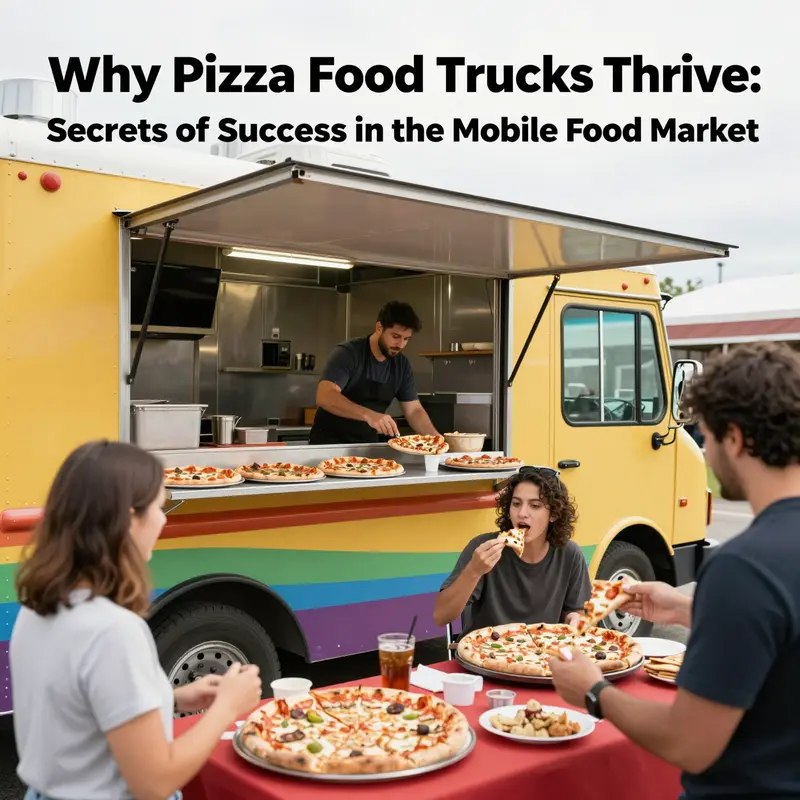
Pizza food trucks are more than just a trendy food option; they are quickly becoming one of the most lucrative segments of the mobile food industry. With a growing demand for convenient, high-quality meals, these trucks are seizing opportunities like never before. In this overview, we will delve into the profitability insights of pizza food trucks, analyze the current market demand, explore their operational flexibility, compare costs versus traditional eateries, and discuss future trends poised to shape this niche further. Each chapter weaves together the factors contributing to the thriving phenomenon of pizza food trucks.
Profitability in Mobile Pizzerias: Slicing into Margins
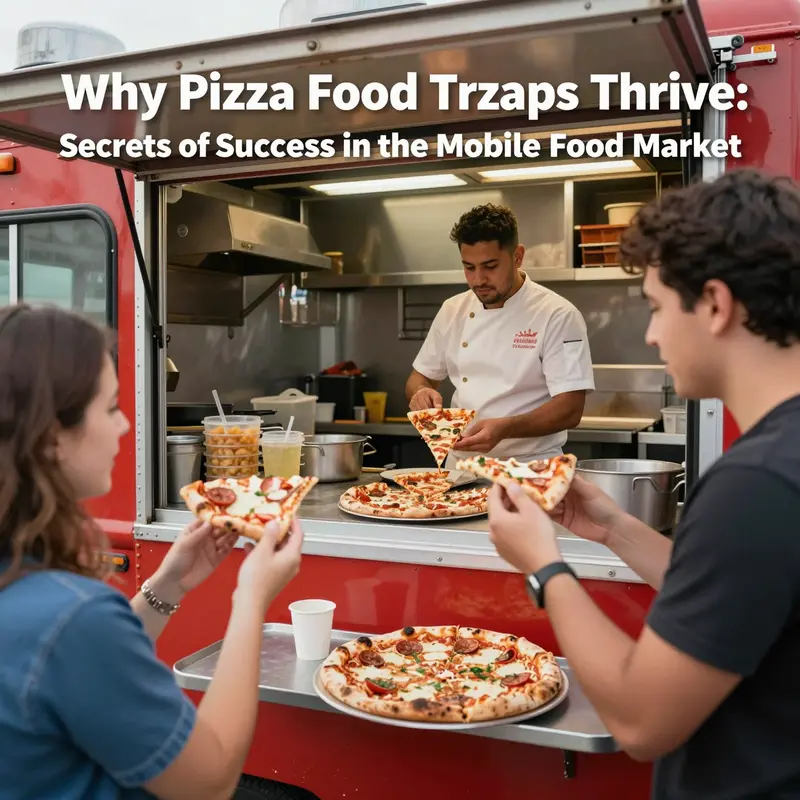
The conversation around pizza on wheels often begins with appetite and ends in numbers. A pizza food truck combines a beloved product with the mobility of a compact kitchen, creating opportunities for scale if costs, capacity, location, and branding are managed with discipline.
Operational costs matter most: a wood-fired oven can deliver a premium experience but requires longer preheat times and higher fuel, while compact setups using electric or quick-assembly methods can accelerate throughput and reduce upfront costs. The choice shapes margins because it drives price potential, turnover, and labor efficiency.
Investment and returns follow a simple rhythm: control throughputs, price intelligently, and manage fixed costs so that volume drives margin. A lean unit with strong location access can outperform a larger, more expensive setup if it maintains a steady stream of orders and minimizes waste. The real-world math hinges on managing ingredients, portions, staff, and a pricing strategy that reflects value without alienating customers.
Market positioning determines profitability as much as capability. A premium wood-fired concept may attract customers who equate crust and smoke with quality but requires sufficient demand to justify the costs. A leaner configuration can win with volume, rapid turnover, and strategic calendars—office parks, campuses, festivals, and busy neighborhoods—where speed and reliability win repeat business.
Finally, a robust financial model should track capital costs, depreciation, utilities, permits, maintenance, and insurance alongside sales. A simple forecast and regular reconciliation reveal whether premium offerings are sustainable and how pricing levers, menu mix, and location strategy impact margins. With disciplined execution, a mobile pizza operation can achieve stable profitability and scalable growth.
Rising Tides: How Market Demand is Propelling Pizza Food Trucks to the Frontlines of Mobile Dining

Pizza on wheels is no longer a novelty but a recognizable engine within the broader shift toward convenient, high-quality, and visually engaging food experiences. The momentum behind pizza food trucks mirrors a larger pattern across the global food service landscape: consumers want speed, consistency, and choice without sacrificing flavor or personality. Market analyses point to a trajectory that is hard to ignore. The global Food Trucks Services Market is projected to grow from US$ 1.8 billion in 2026 to US$ 3.1 billion by 2033, a compound annual growth rate of 8.4%. This expansion is not about hype; it reflects a durable demand for street-level dining that satisfies both appetite and pace. Pizza, with its universal appeal and adaptability, sits squarely at the confluence of these forces. When a pie emerges from a compact kitchen on four wheels, the visuals alone—steam rising, a blistered crust, and the rhythmic whir of a wood-fired or convection oven—create a spectacle that draws curious passersby and hungry professionals alike. It is not merely the food; it is the experience of dining in motion, a trend that aligns with how many modern consumers want to eat: quick, delicious, and shareable in real time through photos and posts that validate the moment. The market signal is reinforced by regional patterns as well. In China, the pizza restaurant industry reached 60.3 billion yuan in 2026, up 13% year over year, signaling a broad consumer appetite for pizza across formats, including mobile units. The data underscore a critical demographic detail: young adults aged 25–35 now constitute more than 60% of the customer base for pizza offerings, and mobile formats resonate particularly well with this group because they value novelty, speed, and the ability to customize. A pizza truck, then, becomes more than a culinary option; it is a portable social space where bite-sized indulgence meets the urban cadence. The appeal is amplified in city centers, outdoor markets, event venues, and late-night zones where on-the-go consumption is the norm and where the theater of pizza making—watching dough stretch, seeing toppings land, and hearing the sizzle—translates into impulse purchases and repeat visits. The diversity within truck formats itself matters. Some trucks lean toward classic New York or Neapolitan aesthetics, others embrace deep-dish or gourmet, and a growing cohort pioneers vegan or allergy-friendly riffs. The flexibility is essential because it broadens appeal across different neighborhoods and occasions, from office lunches and campus pops to family gatherings and festival settings. The broader context—an increasingly mobile and experience-driven food culture—gives pizza trucks room to flourish even as the market evolves. The business case for pedaling dough and delivering hot slices hinges not just on the cooking but on the way the operation is branded and located. A truck’s footprint is small, but its impact can be outsized when a compelling story is told through the menu, the oven’s glow, and the chef’s chatter with customers. The theatre of cooking becomes a marketing asset, drawing attention in crowded districts and at events where food trucks act as both a culinary option and a social anchor. For operators, this translates into strategic choices about what to cook, where to set up shop, and how to recruit a loyal following. The appeal to urban dwellers and workers seeking reliable midday meals or late-night bites hinges on several experiential dimensions: speed, customization, and quality. A well-timed lunch queue outside a business park or a bustling festival line can convert a busy schedule into steady revenue, especially if the truck can offer a rotating menu that reflects seasonality and local tastes while maintaining core favorites. The adaptability of pizza as a product—its ability to carry a high perceived value with relatively predictable ingredient costs—reinforces the profitability narrative. This is where the internal economics begin to matter. The cost structure for a pizza truck tends to favor operators who maximize throughput without sacrificing consistency. Ingredient costs are substantial but controlled by standardized recipes and bulk purchasing, while the selling price for a good slice or a gourmet pie can deliver strong margins when labor, maintenance, and fuel are managed efficiently. The equipment mix matters, too. A compact kitchen with a reliable oven, refrigeration, and heat sources can support a wide variety of toppings and styles while keeping the operation nimble enough to relocate as demand shifts. The initial investment in a fully equipped pizza trailer, with features such as refrigeration, ovens, and possibly outdoor bar capabilities, can vary widely. In 2026 market observations noted entry-level fully equipped trailers available around US$ 4,900, with higher-end models reaching up to US$ 10,360. While these figures are just a snapshot of the global market, they illustrate a broader point: pizza trucks offer a lower barrier to entry than traditional brick-and-mortar restaurants, with the potential for rapid return on investment when paired with the right route-to-market strategy and a distinctive brand. The commercial viability of these units is not solely about the machine; it is about how the operator leverages digital touchpoints and delivery ecosystems to extend the reach of a physical truck. In an era when customers expect seamless ordering, real-time updates, and reliable pickup or delivery windows, the ability to synchronize online presence, order fulfillment, and on-site service becomes a core competitive advantage. A successful pizza truck pulls in customers with a vivid, consistent brand story—colorful signage, a recognizable logo, and a menu that communicates value and quality at a glance. The sensory cues matter: the aroma of baking crust, the sight of cheese bubbling in a blistered crust, and the sound of a pizza being slid into a hot oven—all these elements create a memorable impression that encourages repeat visits and word-of-mouth referrals. The growth trajectory also invites a broader reflection on risk management and sustainable scaling. As demand grows, operators will need to decide how to scale responsibly—whether by adding more trucks to a regional roster, forming partnerships with events and venues, or integrating delivery programs that extend the reach of a single vehicle. Each path has its own set of challenges, from permitting and compliance to the complexities of coordinating staff across multiple locations and times. Yet the core appeal remains straightforward: the pizza truck is a portable, adaptable, and visually engaging platform that can deliver a consistent product across diverse settings while keeping overhead lean relative to a traditional sit-down restaurant. It is this combination of flexibility, value, and spectacle that underpins the rising tide of demand. For those considering entering the market, the question often becomes not whether pizza trucks do well but how to do it well. The answer lies in a deliberate blend of branding, menu differentiation, and location strategy. A compelling brand helps differentiate a truck in crowded markets where dozens of other vendors may be offering similar fare. A menu that blends reliability with curiosity—classics that satisfy and innovative twists that entice—keeps customers returning and talking about the experience. And a location strategy that targets high-footfall environments while preserving the ability to adapt to shifting demand is essential to sustaining momentum over time. The market signals described above reinforce a practical implication: pizza trucks perform well when they connect with consumer desires for speed, quality, and variety while maintaining control over costs and operations. The profitability story rests on a careful balance—between a robust menu that exceeds expectations and a lean, well-run backbone that delivers consistent performance across shifts and days. This balance is what turns a mobile kitchen into a durable business asset rather than a passing trend. For practitioners seeking a concise snapshot of profitability in this space, a focused look at the economics of pizza trucks is available here: pizza-food-trucks-profitable. It points to how disciplined menu planning, smart price realization, and efficient service can translate into reliable margins even as the industry expands. The broader market context remains favorable, with strong growth anticipated in multiple regions and a continuing appetite for mobile, customizable dining experiences. The fusion of a beloved product, adaptable formats, and strategic deployment is what makes the pizza truck a compelling archetype of modern, mobile food entrepreneurship. In this sense, the rising tide is not just about more trucks on the street; it is about a more thoughtful, scalable approach to delivering hot pizza where people are, when they want it, and in a way that feels personal and fresh. The story continues to unfold as operators experiment with new toppings, sustainable practices, and smarter logistics, but the core dynamic remains clear: demand is expanding, and pizza trucks are well positioned to meet it with speed, flavor, and flair. External market data supports this view, offering a macro perspective that complements the hands-on operational knowledge that drives everyday success in the field. For those who want to explore the broader data landscape, the MarketsandMarkets report provides a comprehensive backdrop to the growth narrative of food truck services. (External resource: https://www.marketsandmarkets.com/Market-Reports/food-trucks-services-market-379612712.html)
Rolling with the Flow: The Operational Flexibility that Powers Pizza Food Trucks
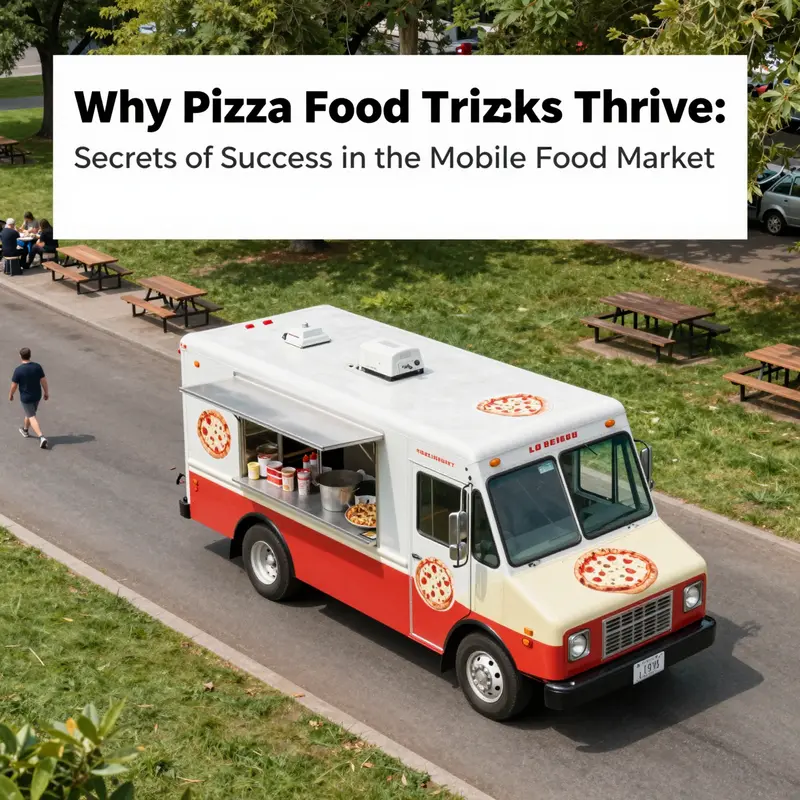
Mobility defines the essence of pizza service in the modern food landscape. A truck can chase crowds, slide into a bustling plaza, or pull up at a festival just as demand surges. In this sense, operational flexibility is not a luxury; it is the core lever that turns a mobile kitchen into a sustainable business. The best operators read the rhythm of a city the way a chef reads a recipe. They sense when office towers empty for lunch and when a farmers market becomes a magnet for weekend families. They optimize presence, not just menu, so every location becomes a chance to serve, learn, and refine. That adaptability emerges from design choices and from the way a team gathers, trains, and executes. It translates into fewer idle hours, steadier cash flow, and a sharper edge against seasonal shifts. In a market where convenience is king and variety is expected, the ability to move with demand is worth more than any single flavor ever could be. The result is a business model that can scale up or contract down without losing consistency or quality. This is the backbone of why pizza trucks perform well: they turn mobility into a strategic advantage, letting operators be present where the appetite is strongest and where the competition is least predictable.
A central aspect of this advantage lies in the variety of truck configurations available to operators. When the plan is to maximize throughput at peak moments while preserving quality, the choice of vehicle matters as much as the recipe. Wood-fired models carry a gourmet aura and produce pizza in blistering minutes, creating a theater of cooking that draws in curious onlookers and repeat customers alike. The visible flames and the scent of wood create a sense of craft that can justify premium pricing in the right setting. Yet these ovens demand space, power, and careful timing. Their peak cooking times are genuinely fast—often two to four minutes at high heat—but that speed must be balanced with preheat, dough preparation, and the flow of toppings. Operators who master this flow tend to fill lines with a steady cadence, turning a short burst of high demand into a reliable revenue stream. The payoff is clear: a gourmet image plus the velocity that keeps queues turning and customers satisfied.
Concession-style trucks, by contrast, embody efficiency and affordability at scale. They are compact, nimble, and designed for settings where space is at a premium and crowds are dense. The kitchen is lean, and the menu typically centers on reheated or pre-made slices warmed quickly by electric ovens or hot plates. This approach trades the romance of a live bake for the precision of a high-volume system. The advantage is resilience: a concession layout can be deployed to multiple venues in a single day, with predictable prep times and predictable power needs. It suits events with rapid turnover, long lines, and a market push for familiar comfort foods. For operators, the concession model reduces upfront costs and ongoing overhead while preserving the essential appeal of hot, slice-ready pizza that can be grabbed on the move. The risk, of course, is a narrower menu and potentially thinner margins if price competition becomes intense. Yet when executed with discipline, concession-style trucks deliver a predictable, scalable engine for growth across busy calendars.
Then there are mobile customized prep trucks, the workhorses for larger ambitions and multi-site operations. These trucks centralize ingredient preparation, portioning, and cold storage, creating a backbone of consistency across a network of serving units. They are not just kitchens on wheels; they are distribution hubs, designed to support teams that staff multiple locations during peak seasons or big events. The advantage here is operational harmony. Central prep reduces waste, streamlines inventory, and stabilizes quality from one shift to the next. It also enables more elaborate menus that teams can execute with confidence across locations. In practice, a prep-centric rig can serve as the anchor for a pop-up strategy or for a planned itinerary that circles through a regional market. With a well-thought-out prep truck, an operator can deliver the same crust texture, sauce balance, and topping distribution whether the unit is parked in a downtown corridor, at a university, or at a major festival. This modular approach makes growth feel manageable rather than speculative, turning a single truck into a scalable platform.
Of course, the flexibility of these configurations depends on a network of practical considerations. Gas-powered ovens require propane refills and careful logistics to avoid interruptions during a rush. Electric ovens need reliable hookups or generators, which adds a layer of planning about energy sources and site compatibility. On-site clutter can quickly undermine efficiency, so smart layouts and a disciplined workflow are essential. For food safety, the movement between locations compounds the need for portable sanitation stations, organized cold storage, and clear separation of raw and ready-to-eat ingredients. A well-designed truck minimizes back-of-house chaos, enabling staff to move quickly without compromising hygiene. In this sense, operational flexibility is not merely about where to park; it is about how smoothly the kitchen can function in a changing landscape while maintaining safety and quality.
The strategic value of flexibility also extends to the timing and geography of a truck’s presence. A manager who plans ahead can align a truck’s route with predictable demand patterns. Weekdays may see a business district crowd seeking quick lunches, while weekends draw families to outdoor markets and festival grounds. A fleet-minded operator can ride these rhythms by rotating through targeted corridors, then pausing in a high-traffic enclave that sustains a reliable footprint. Seasonal shifts, weather, and local events become variables to manage rather than obstacles to endure. The best operators treat these factors as opportunities to refine the schedule, optimize fuel and labor costs, and experiment with menu tweaks that appeal to evolving tastes. The day-to-day discipline of planning—knowing when to push, when to pull back, and where to deploy the different truck types—becomes the difference between sporadic wins and steady growth.
Staffing is another vector where flexibility pays dividends. Cross-trained teams can handle multiple roles, switching from dough preparation to slicing to line management as demand ebbs and flows. A wood-fired operation might require a dedicated cook with expertise in managing hot, fast-fire ovens, while a concession unit benefits from a sharper focus on portioning and reheating. The prep truck model naturally demands a broader skill set, with staff overseeing cold storage, inventory checks, and the preparation of toppings and sauces. This versatility helps keep labor costs predictable and reduces the risk of bottlenecks when a single unit encounters a surge. Importantly, flexible staffing also supports safety and consistency. When cooks understand the broader workflow, they can troubleshoot problems, maintain uniform toppings, and ensure that every pizza meets a set standard regardless of which unit is serving.
From a branding perspective, flexibility reinforces a narrative of reliability and adaptability. Customers rarely notice the exact configuration behind the scenes, but they do notice when lines move, orders are accurate, and pizzas come out hot and flavorful. The ability to tailor the experience to the site—whether by adjusting the menu for dietary preferences, offering vegan or gluten-free options, or curating a signature slice that resonates with a local audience—creates a sense of responsiveness. This adaptability is particularly powerful at events, where a single truck can shift from a classic joint style to a gourmet offering with minimal friction. The result is a menu that feels fresh without becoming unpredictable. In practice, this means keeping a core set of high-margin, crowd-pleasing items while maintaining space for 1-2 seasonal or venue-specific choices that reflect local tastes.
All of these advantages connect to a fundamental economic reality: profitability in pizza trucks grows when flexibility drives throughput without sacrificing quality. A well-executed mix of configurations enables operators to optimize peak-time sales, minimize idle hours between gigs, and spread fixed costs over a larger number of servings. It also supports more efficient inventory management, as a prep-focused approach reduces waste and ensures the right ingredients are on hand for the most likely demand. The combination of high-margin capabilities, scalable execution, and the ability to pivot quickly from one setting to another creates a cycle of repeat business and positive word of mouth that is difficult to disrupt. For many operators, this dynamic is the true engine behind sustainable success in the mobile pizza space. As readers explore the broader landscape, they will see how these elements come together across different formats and scales, reinforcing why pizza trucks do well in a market that values speed, quality, and variety.
For those considering entry into this field, the takeaway is clear: invest in flexibility, not just in flavor. Build a fleet that can adapt to the street, the square, and the stadium without losing its identity. Train staff to thrive in multiple roles and set up processes that keep the kitchen orderly under pressure. Choose truck types that align with your ambitions, from gourmet wood-fired experiences to efficient high-volume concessions or centralized prep operations. And always anchor decisions in a route plan that respects demand patterns, safety standards, and cost controls. When these pieces work in concert, the result is a pizza operation that can move as freely as its customers, turning every location into a potential success story. This is the practical art of making pizza on wheels and the core reason why the sector continues to attract entrepreneurs who value both craft and commerce.
As you consider best practices and real-world benchmarks, remember that the story of pizza trucks is not merely about cooking great pies. It is about the orchestration of mobility, equipment, staffing, and planning into a seamless service machine. In this sense, operational flexibility is the quiet force behind profitability and recognition in a crowded market. It is what allows a truck to chase the light, land in the right place at the right time, and deliver a consistent, beloved product wherever the road leads. For readers eager to see the evidence in action, the broader literature on pizza-truck types and performance metrics offers detailed examples and data that illuminate how these principles translate into measurable outcomes. Pizza food trucks profitable. And for readers seeking a rigorous external perspective on the mechanics of truck types and performance, a comprehensive industry analysis provides additional context and validation. External resource: https://www.foodbusinessnews.net/articles/2026/02/16/pizza-food-truck-types-and-performance-metrics
Counting the Cost: Why Pizza Food Trucks Offer a Lean Path to Market Advantage Over Brick-and-Mortar Pizzerias
When aspiring food entrepreneurs weigh their options, the numbers often decide before the stories do. A pizza food truck or trailer carries a different math than a traditional brick-and-mortar pizzeria. It is not merely a matter of portability or flavor; it is a question of how much capital you need to enter the market, how fast you can move, and how gracefully you can adapt to shifting demand. The cost dynamic behind pizza food trucks is a quiet but powerful driver of their rising popularity. They offer a lean path to experiment, test, and scale in urban spaces where demand for quick, high-quality pizza remains robust. In practical terms, the initial investment can be a fraction of what a storefront requires, and the ongoing costs, while not negligible, stay more controllable because they scale with activity rather than with a permanent footprint. The narrative of cost here is not a slick spreadsheet alone; it is a story of how flexibility compounds value over time, allowing a business to pivot in response to seasons, events, and neighborhood dynamics without being tethered to a single location.
On the entry side, the numbers are striking. A basic, multifunctional street vending cart with a refrigerated kitchen and freezer can begin at around US$1,700. This is the kind of setup that lets a would-be operator test recipes, refine their workflow, and learn the field’s regulations without putting a large sum at risk. It is the anchor point of the lean approach: a functional kitchen on wheels that serves as a proving ground rather than a fixed cast in stone. For those who want more capability, a fully equipped mobile trailer with a complete kitchen can fall somewhere in the US$4,000 to US$8,590 range. These units typically come with essential features—refrigeration, ovens or grills, plumbing, and sometimes even outdoor bar components—designed for efficiency and reliability in a variety of environments. And within this spectrum there are higher-end models that push the envelope, such as vintage-style caravans or trailers with integrated design elements that evoke a certain nostalgic or premium feel; these can reach up to about US$6,450, depending on the level of customization and the added conveniences that distinguish one cart from another.
To fully appreciate the cost contrast, it helps to place these numbers alongside brick-and-mortar realities. A traditional pizzeria does not hinge its identity on mobility; it hinges it on square footage, location, and fixed equipment. A single custom masonry oven, for example, commonly costs between US$5,000 and US$15,000 or more. Multiply that by the rest of the build-out—fireproofing, ventilation, plumbing, electrical work, and interior finishes—and the upfront capital can quickly escalate into tens of thousands of dollars before any rent is paid. Beyond the oven, the construction and interior fit-out of a physical storefront can stretch well into six figures, depending on the scale, neighborhood, and permits required. And this is not a one-time outlay: property taxes, insurance, utilities, maintenance, and depreciation are long-haul costs that accumulate year after year. A brick-and-mortar space is designed for durability, yes, but the price you pay for that durability is a higher annual financial commitment that never fully evaporates, even during slow periods.
What sets pizza trucks apart, then, is the way their cost structure aligns with the realities of modern consumer behavior. Mobility translates into flexibility, and flexibility translates into risk reduction. With a smaller fixed footprint, operators can deploy in high-traffic zones—office parks, entertainment districts, festival grounds, stadiums, and corporate campuses—where the demand for fresh, hot pizza pops with regularity. The same mobility that helps lure customers also acts as a hedge against the long tail of market risk that plagues fixed-location concepts. When demand wanes in one locale, a truck can pivot to another—another city, another festival, another catering event—without being saddled by a stagnant square footage. This ability to “move the business” is not just a marketing advantage; it is a financial strategy that reduces the risk of overcommitting to one place while still capturing peak moments when they arise.
But cost is not solely about what you spend at the outset. The total cost of ownership for a mobile operation must account for ongoing expenses that are distinct from a storefront. Fuel, routine vehicle maintenance, and the periodic replacement of worn components all accrue as a direct function of how hard the truck works. Permits and inspections—often required for multiple locations and for certain equipment types—add administrative overhead that can change with geography and season. Regulatory considerations around open combustion, especially for ovens that rely on gas or wood-fired elements, can require additional safety measures and compliance costs. Yet even with these more unpredictable line items, the mobile model consistently carries lower fixed overhead than a brick-and-mortar operation. The presence of rent, property taxes, and long-term lease commitments simply does not exist in the same way for a well-run food truck, and that difference compounds over time, especially for new entrants who need to conserve cash while learning the business.
Cost comparisons therefore reveal a compelling argument for the lean pathway: a lower barrier to entry, faster time-to-market, and the ability to calibrate a concept before committing to a permanent location. This is not to suggest that a truck is a risk-free shortcut; rather, it is a different risk calculus. A mobile operation can yield faster profitability by enabling rapid market testing and iterative menu development. A seller can experiment with formats—from classic New York-style to more artisanal or vegan adjustments—without the heavy capex that would otherwise lock them into a single concept. The economics of scale also play a significant role. A truck can operate with a smaller crew, and as demand builds, the same unit can be outfitted with more efficient equipment or augmented with additional services, such as cold beverages, sides, or dessert offerings, without the need to transform a storefront interior. This modular approach to growth is rarely as seamless in a brick-and-mortar setting, where every pivot often comes with a new lease, new build-out, and a fresh capital requirement.
The practical implications of these cost dynamics extend beyond the numbers. A founder beginning with a smaller investment can leverage early successes to attract investors or qualify for financing with less risk attached to untested geographic markets. The ability to fund a concept through revenue rather than debt-heavy equity rounds can preserve ownership while still enabling expansion. In this sense, the cost structure of pizza trucks becomes a strategic asset: it supports experimentation, reduces the fear of failure, and invites more people to explore entrepreneurial avenues in a market that remains hungry for speed, taste, and convenience.
Of course, no chapter on cost would be complete without acknowledging that a truck’s lower upfront price does not erase every expense. Insurance, licensing, and branding must be built into the plan from day one. Maintenance costs, while more predictable than the volatility of a storefront lease, still demand attention to uptime and quality of food. A prudent operator will set aside funds for equipment replacement and for staying compliant with evolving health and safety standards. In other words, the lean path is not a free pass to minimal investment; it is a disciplined approach to investing in a mobile platform that can deliver consistent, repeatable outcomes across diverse environments.
For readers seeking a practical gauge on what to expect when budgeting, a look at the broader cost spectrum can help anchor plans. A basic kitchen-on-wheels can start around $1,700, while a more capable, fully equipped mobile trailer typically lands in the $4,000–$8,590 range, with high-end aesthetic-focused designs reaching roughly $6,450 depending on features and customization. These figures illuminate a core advantage: the ability to launch with a fraction of the capital required for traditional pizza spaces, and to scale as revenue proves viable rather than as a prerequisite for operation. By blending careful cost management with a strong location strategy and a differentiated menu, operators can reach profitability on a timetable that suits their risk tolerance and growth ambitions.
For those who want a concrete snapshot of how budgets translate into decisions, consider one widely cited reference on market costs. It highlights how the modest upfront investment can be enough to enter the market, test various markets, and refine an offering before committing to a fixed storefront. If you are curious about the precise costs and how they accumulate across different setups, a practical resource on pizza truck economics can be a useful companion. how-much-is-a-pizza-food-truck provides a grounded overview that complements the broader analysis presented here. As you map out your path, remember that the true value of a truck is not merely in the dollars saved, but in the speed with which you can translate passion into a viable business.
External reference for further context on equipment cost and procurement can be found in industry sourcing literature, which includes widely available mobile trailer specifications and cost ranges. A recent supplier listing illustrates how modular, CE-certified, and electric-powered models are designed for efficiency and safety in urban operations, underscoring the viability of a lean start. Access to such sources helps frame expectations and informs supplier selection as you navigate the early stages of a pizza truck venture.
External reference: https://www.alibaba.com/product-detail/Pizza-Food-Trailer-Mobile-Food-Truck-with-Full_1600823458595.html
null
null
Final thoughts
Pizza food trucks stand as a testament to modern dining preferences, embracing the balance of quality, convenience, and operational efficiency. As we’ve explored, their profitability stems from understanding market demand, utilizing flexible business operations, and offering competitive pricing compared to traditional establishments. Looking ahead, innovations and evolving consumer preferences will continue to bolster the growth of pizza food trucks in the mobile food landscape. Embracing these insights may provide the groundwork for significant success in this flavorful venture.