
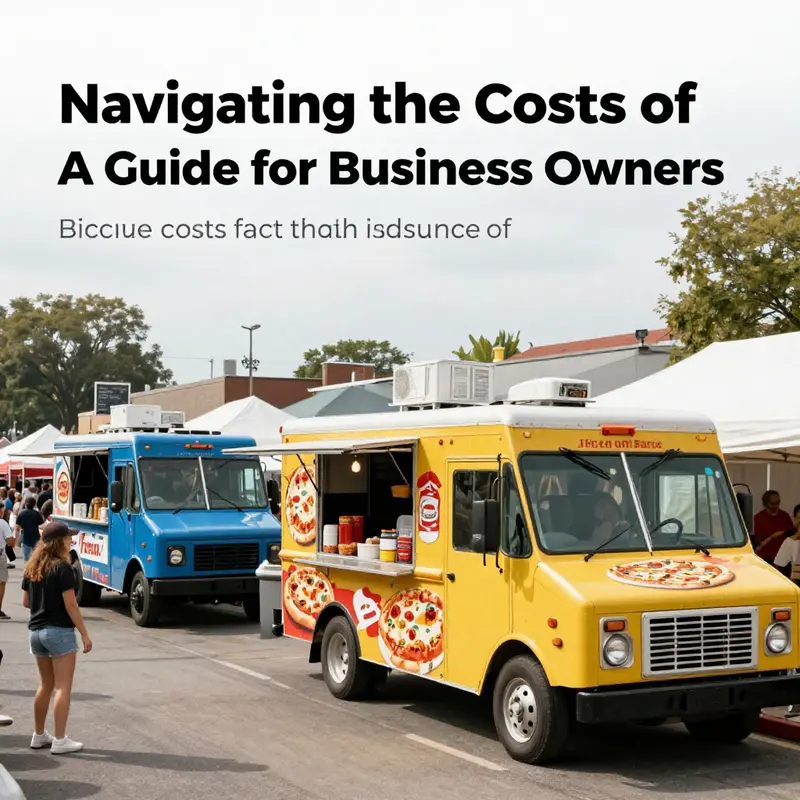
For entrepreneurs looking to enter the food truck industry, understanding the costs associated with a pizza truck is crucial. Whether you’re considering a basic entry-level model or a fully customized vehicle, knowledge about pricing can empower your decisions and help secure a return on investment. This article delves into the various factors affecting pizza truck prices, including entry-level costs, customization options, luxury models, oven types, and market trends. By the end, you will be equipped with the insights needed to make informed financial choices regarding your pizza business.
Rolling Revenue: Navigating the Real Costs of a Pizza Truck, from First Rig to Functional Kitchen on Wheels
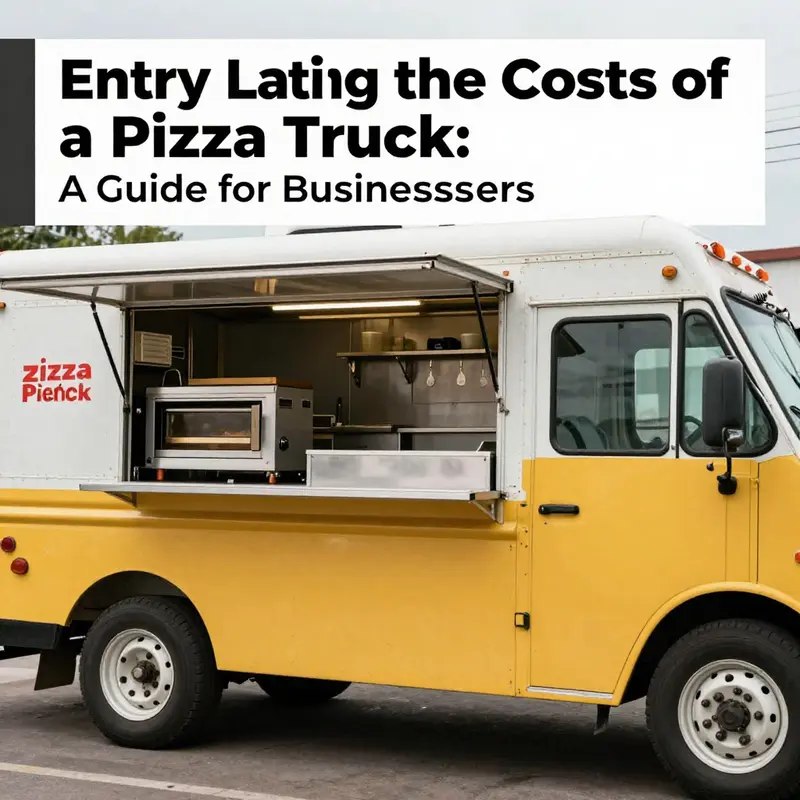
Buying a pizza truck isn’t about one price tag but a spectrum of options, each with its own trade offs. The short answer of how much a pizza truck costs is rarely simple, because price depends on condition, on the oven chosen, on the kitchen size, on how much equipment is preinstalled, and on what kind of support systems come with the vehicle. Range emerges from frugal, entry level rigs to fully customized rolling kitchens. You can find used or retrofitted trucks with basic electric ovens and modest prep space in the lower end of the range, enough to test the concept but often lacking capacity and speed. Those setups typically require compromises in workflow and reliability as the business scales. The next tier includes more capable, purpose built or heavily upgraded platforms with better ovens, larger kitchens, and more robust infrastructure. Prices in this tier commonly start around mid twenty thousand dollars and can climb with oven type, ventilation, plumbing, refrigeration, and electrical service. At the upper end sits premium, custom built trucks designed for high volume, with wood fired or premium gas ovens, fully integrated kitchens, advanced ventilation, water management, and extensive electrical and insulating work. In practice, the headline numbers are still only part of the story, because the total cost of ownership includes the oven and kitchen equipment, the generator or power supply, water and waste systems, exhaust and ventilation, sanitation stations, permits, insurance, and ongoing maintenance and parts. Even tiny shifts in configuration can swing the math: a higher end oven can boost output but raise upfront cost, while simpler equipment reduces upfront cash but can raise operating risk and limit revenue. The most practical way to think about price is to map the build in phases: start with a reliable vehicle chassis and basic kitchen, then upgrade ovens, expand prep space, and finally add feature sets that improve throughput. Financing, depreciation, and tax incentives can also affect the effective cost of owning and operating a mobile pizza business. For buyers who want a rough sense of scale, markets show entry level trucks in the ten to thirty thousand dollar zone, budget trailers around four to five thousand dollars, and premium custom builds well beyond thirty thousand depending on oven configuration and kitchen footprint. A bare base listing without the essential oven or ventilation will mislead if not paired with the costs of installation and fit out. The takeaway is that the pizza truck is a family of configurations rather than a single price point. A thoughtful buyer will test assumptions with budget planning, revenue projections, and phased build, then validate the concept with a few market events before committing to a full build. For more context and current ranges, readers often consult up to date guides and market listings and reference sources that detail typical questions and cost ranges for mobile pizza operations, including how much is a pizza food truck.
From Sticker to Start-Up: Unpacking the Real Cost of a Pizza Truck
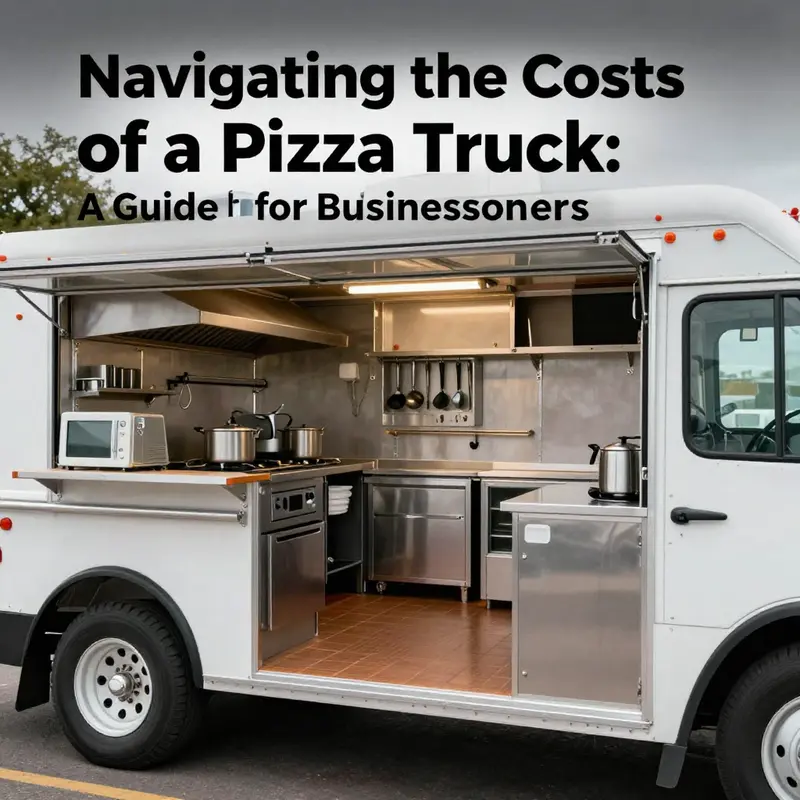
The question of how much a pizza truck costs is rarely a single number. It is a spectrum shaped by choice, circumstance, and the kind of business you intend to run. People imagine a gleaming side of a truck rolling through neighborhoods, but the price tag that image carries hides a practical spread of options, compromises, and future expenses. When you start with the market in mind, it’s easier to separate the dream from the reality of cash flow and return on investment. The cost isn’t just the price of a vehicle with an oven; it’s the sum of a durable chassis, a kitchen that meets health codes, the heart of the operation—the cooking equipment—and the branding, technology, and compliance that allow a truck to run smoothly day after day in crowded events or busy city streets.
To frame the conversation clearly, many prospective buyers fall into two broad camps: the entry-level, often used or retrofitted rigs, and the fully equipped, customizable mobile kitchens designed specifically for pizza. The street-level option typically sits in the lower end of the spectrum. These rigs are commonly described as used or refurbished vehicles with basic, entry-level ovens—often electric rather than gas—limited workspace, and a lean set of amenities. The price tag for these configurations typically lands in the range of roughly ten thousand to thirty thousand dollars. It is a space where affordability is the central appeal, yet maintenance and reliability can become a stubborn ongoing consideration. In some market listings, you may encounter base prices as low as a few thousand dollars, but those quotes almost always exclude essential components such as the commercial oven, ventilation, a proper water system, and the required safety equipment. Once those elements are added, the total creeps upward quickly, and the truck’s potential to operate safely and consistently becomes tied to the quality of the additions rather than to the chassis alone.
On the other end of the spectrum sits the fully equipped and highly customizable pizza truck. These are the purpose-built rigs designed to maximize efficiency, throughput, and branding impact. In this category, the price can start well above the low end and climb into the higher realms as you specify better ovens, larger refrigeration capacity, more robust ventilation, and a wider kitchen layout. In broad terms, a complete, ready-to-operate pizza truck—one that includes a professional oven, a comprehensive prep zone, sinks, dishwashing facilities, and suitable power and ventilation—tends to move into a much higher price tier. Industry snapshots consistently describe a wide range, with complete outfitting commonly landing in the ballpark of tens of thousands up to six figures. A conservative, robust estimate places a complete, customizable pizza truck from a reputable outfitter in the seventy-five thousand to two hundred thousand-dollar zone, depending on the oven type (gas, electric, or wood-fired alternatives), the size of the kitchen, the number of cooking stations, and the sophistication of the mechanical and electrical systems. The numbers may sound like a broad ideal, but they reflect real-world configurations that operators use to serve high-volume duties at events, festivals, markets, and curbside operations.
The reality behind those numbers is rarely simple. A key distinction is whether you are purchasing a bare vehicle and building the kitchen yourself or buying a turnkey unit from a vendor that specializes in mobile pizza operations. In many cases, buyers start with a base vehicle and then add the essential components, sometimes over a period of months as the business scales. A price example in today’s market shows a surprisingly low base price for a truck that appears to be a ready-made platform, yet those figures usually do not include a commercial oven, ventilation, fire suppression, or the necessary plumbing and electrical work. When the oven and associated systems are finally installed, the total can surge toward the higher end of the spectrum. This pattern—low base price, then a rapid ascent once equipment is added—helps explain why some discussions about cost can be misleading if they only quote the bare chassis price.
Beyond the oven and the kitchen, the cost dictionary also includes several other substantial factors that influence final numbers. The type and quality of the vehicle itself matters greatly. A new vehicle carries a higher starting point than a used one, but it can offer longer life, lower maintenance surprises, and a greater ability to customize without worrying about post-purchase wear. The choice between a commercial van, a custom-built rig, or a repurposed delivery truck also shifts the budget in meaningful ways. Size and layout come into play as well. A larger truck with more kitchen space and multiple cooking stations is simply more expensive to outfit, yet it enables higher throughput and more consistent quality, which can translate into better revenue potential over time.
Customization is another heavy hitter in the cost equation. It is not just about looking sharp on the street; it is about operational flow and safety. High-end features such as built-in ovens, refrigeration units with precise temperature controls, expansive prep areas, and modern ventilation systems all add layers of cost. The more you insist on branding—custom paint, signage, interior finishes—the more you push into the premium end of the market. The equipment installed inside—the brand and capacity of ovens, the size and efficiency of refrigerators, the sophistication of sinks and dishwashing arrangements—are major determinants of the total price. In other words, the kitchen itself is the main engine of cost growth, and the more you invest in capacity and reliability, the more you can protect your business against service interruptions and inconsistent performance.
Health and safety compliance emerges as a subtle but nontrivial factor as well. Mobile food businesses must meet the same core health standards as fixed-location operations, which means proper ventilation to remove heat and smoke, an appropriate fire suppression system, and efficient waste disposal and water management. These installations are not optional add-ons; they are required for lawful operation and insurance viability. They contribute to both upfront costs and ongoing maintenance. A few additional lines of equipment—such as robust filtration and drainage setups, a compliant waste handling system, and reliable exhaust ducting—translate directly into higher initial spend and sometimes higher ongoing maintenance costs. Even the technology layer—digital ordering systems, POS terminals, network connectivity—adds to the upfront outlay and to monthly operating expenses, but it also helps drive efficiency, accuracy, and customer experience in a crowded market.
Taken together, the cost picture looks more complex than a single price tag. Industry sources synthesize these realities into a two-tier expectation: an entry-level, used or retrofitted setup can be found in the roughly ten thousand to thirty thousand dollar range, suitable for a first-time operator who is willing to manage growing pains and incremental upgrades. For a fully equipped, customizable mobile pizza operation built to meet higher-volume demands and to project a strong brand presence, the investment tends to rise sharply, with estimates clustering around seventy-five thousand to two hundred thousand dollars or more, depending on oven choices, space, and technology. The gap between these bands reflects not only the equipment list but the story a buyer wants to tell with their vehicle—the story of reliability, capacity, and the ability to scale.
In practice, many would-be operators encounter a mix of price signals that require careful interpretation. A truck advertised at a bargain price may be attractive, but it is essential to understand what is included and what is not. A low price could signal the absence of a professional oven, inadequate ventilation, or even structural constraints that would force expensive retrofits later on. The more robust path typically involves budgeting for a turnkey solution from the outset, with the understanding that the oven, ventilation, and plumbing are not luxuries but prerequisites for a safe and compliant kitchen that can sustain a consistent product and a dependable schedule.
Financing can also shape the perceived affordability of a pizza truck. Some buyers pursue loans or leases that spread the cost over several years, turning a high‑initial outlay into manageable monthly payments. In a market where the cost of the truck is only the first line item, owners must account for ongoing costs: fuel or electricity, propane, water and waste disposal, insurance, maintenance, licensing, inspections, and the inevitable replacement or upgrade of equipment as the business grows. A prudent plan includes a working capital reserve to cover days with poor sales, seasonal fluctuations, and the inevitable repairs that come with a mobile kitchen that operates under demanding conditions.
From a strategic standpoint, the true cost of a pizza truck is inseparable from the business model you intend to run. A compact, efficient unit can enable a nimble schedule, rapid event turnover, and lower maintenance overhead, but it may also limit menu options and throughput. A larger, more feature-rich truck can deliver high-volume performance at festivals and busy weekends, with the potential to command higher prices and attract a steady stream of catering work. The balance between cost and capability is the core calculation for any aspiring operator. This is not merely about acquiring gear; it is about constructing a working ecosystem that supports consistent pizza quality, reliable service, and a brand that customers recognize and trust.
As you weigh the numbers, consider the broader economics of a mobile pizza business. The upfront investment must be weighed against the expected revenue, the length of time to break even, and the ongoing costs that will paint the true profitability picture. Some operators may begin with a lean setup and gradually upgrade as their customer base expands, while others may opt for a high-capacity unit from day one, banking on a thriving schedule of events. Either path benefits from a clear financial plan, a realistic assessment of market demand, and a careful study of the local regulatory environment. If you want a direct sense of how the potential revenue might align with the cost, you can explore resources that analyze the profitability of pizza trucks and other mobile food ventures. how much do pizza trucks make
Beyond the numbers, the decision to invest in a pizza truck is a narrative about the kind of business you want to build. Do you envision a compact, neighborhood-focused operation that parks at markets and college campuses, or a big-brand presence that can command attention at major festivals and corporate events? The answer shapes not only the price you are willing to pay but the risks you are prepared to accept and the level of planning you bring to the venture. A robust business plan, paired with a realistic cost model, helps ensure that your investment translates into a sustainable enterprise rather than a short-term experiment. In this light, the price of admission is less about chasing a headline figure and more about calibrating a system that can reliably produce pizza, delight customers, and generate a steady stream of revenue across seasons and locations.
For readers who want to situate these numbers within a broader industry context, the mobile food service trends reported by the National Restaurant Association in 2024 offer an umbrella view of how this sector has evolved, the regulatory environment, and the general tailwinds that push costs upward or downward depending on regional demand and compliance requirements. This external perspective complements the practical cost discussion and helps frame expectations for startup budgets, financing strategies, and growth trajectories in the mobile pizza space.
Beyond the Slice: Unpacking the True Cost of Premium Pizza Trucks
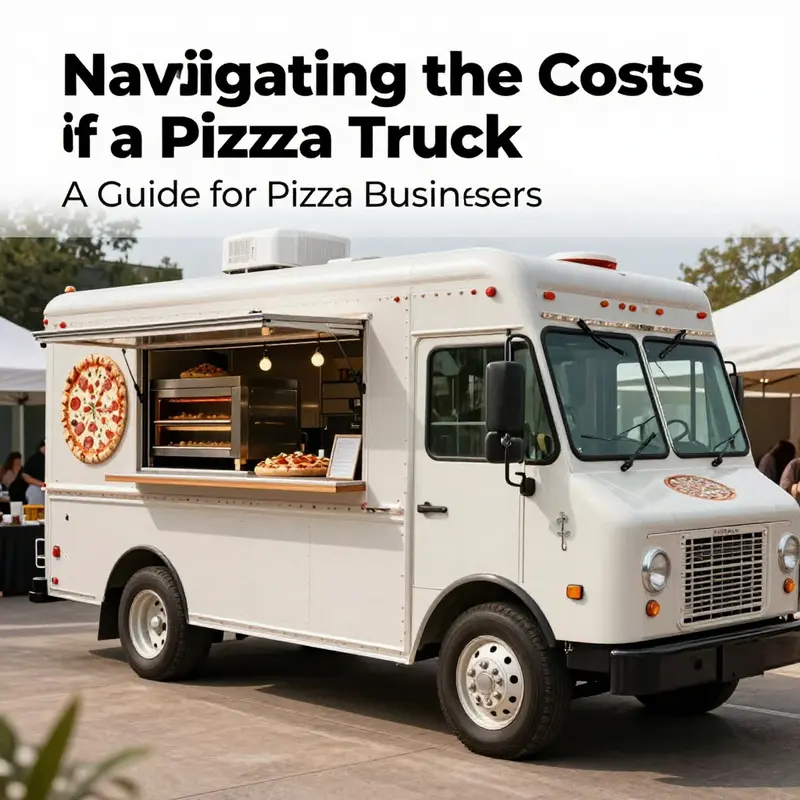
A pizza truck is more than a rolling kitchen; it is a business in motion, a brand on wheels, and a platform that can tilt the economics of a meal into a mobility-driven enterprise. The price of entry and the price of performance hinge on three intertwined factors: the vehicle’s condition and capacity, the sophistication of the kitchen equipment, and the degree of customization that turns a truck into a reliable, high-volume operation. When you map out the cost landscape, it becomes clear that a pizza truck is rarely a single price tag but a spectrum that reflects what you intend to serve, where you plan to serve it, and how you want customers to experience your food and service.
At the low end, budget-minded buyers often start with either used or retrofitted vehicles. These options typically offer basic ovens—often electric—and a compact footprint that keeps the cooking line simple and the operating costs modest. In many regional markets, such entry-level setups can land somewhere in the range of ten thousand to thirty thousand dollars. The price band reflects more than the oven; it encompasses the kitchen layout, the plumbing and electrical provisions, the exhaust considerations, and the overall reliability of the vehicle as a mobile business platform. It is crucial to understand, though, that a price tag at the lower end is frequently a starting point rather than a complete turnkey solution. A listing that shows a base vehicle for a few thousand dollars often represents the shell of a truck, with essential components like a proper commercial oven, ventilation, and a compliant kitchen setup still needing to be added. That layering can push the total well above the initial number, and it is here that careful planning pays off.
From there, the market expands dramatically. Mid-range offerings begin to appear as more complete, retrofit-ready or purpose-built configurations. These trucks are often closer to an all-in package, with a functional kitchen, a dependable oven—whether electric, gas, or a compact wood-fired unit—and enough space to support a small team. In many cases, a mid-range setup starts around a few thousand dollars more than the bare-bones shell and rises into the tens of thousands as additional standards of reliability, safety, and efficiency are incorporated. It is not unusual to see mid-range options hover in the low to mid twenty-thousand-dollar territory, but once you add a commercial oven, proper ventilation suited for a busy kitchen on wheels, a robust water system, and a durable service counter, the price can quickly climb. The reality is that each feature adds a price, and each feature contributes to the long-term viability of the operation. A truck that is comfortable to operate in a high-traffic venue will often justify a higher investment due to faster service, better product consistency, and increased capacity on busy days.
The upper end of the spectrum shifts from retrofit to bespoke, turning the truck into a high-performance mobile pizzeria. Premium models typically embrace a fully customized design with top-tier equipment and an attention to workflow that minimizes bottlenecks during peak service. In this tier, the price range broadens considerably, with dollars ranging from roughly sixty thousand to well over a hundred thousand. What justifies such a leap are the elements that directly impact throughput, consistency, and the ability to command premium pricing. A wood-fired oven, for example, brings a flavor that many patrons associate with artisanal craft and a more experiential dining moment. The oven choice, however, drives several other cost categories: more sophisticated ventilation systems to manage heat and smoke, stronger power and gas supply arrangements, and often enhanced insulation and climate control to maintain consistent pizza quality at events across the season. The investment in ventilation is not merely about comfort or compliance; it enables longer shifts, heavier volume, and safer operation, all of which become meaningful differentiators when the business aims to secure high-end events or multiple venues each week.
A fully equipped boutique truck extends beyond the oven and ventilation. It typically includes an integrated digital point-of-sale system, a layout designed for speed and accuracy, and upscale finishes that support a brand narrative centered on quality and experience. In markets that prize craft, these features translate into the capacity to corner a niche audience at wine tastings, farmers markets, or private events, where customers expect not only great pizza but a curated, professional encounter. The price premium here is not just about the equipment it carries; it is about the business promise it makes to customers—consistency, speed, safety, and an elevated culinary experience that justifies premium pricing.
But money is only one part of the decision. A thoughtful buyer also weighs the ongoing costs associated with owning and operating a pizza truck. Insurance, licensing, inspections, and permits can add a predictable annual burden that changes with location and event type. Maintenance and repairs, fuel or electricity, and the cost of consumables—flour, toppings, packaging—must be budgeted against projected revenue. Operators often underestimate how quickly expenses can accumulate when a kitchen is on wheels. The complexity multiplies when you factor in seasonal variability in demand, the need for cold storage, and the logistics of restocking at different venues. All of this underscores a broader point: price tags tell only part of the story. The total cost of ownership, and the roadmap to profitability, depends as much on operational discipline as it does on initial outlay.
While the economics of pizza trucks may seem straightforward on paper, the true calculation hinges on the business model you intend to pursue. A truck designed for a steady schedule of farmers markets and weekend events will demand different compromises than one built to service corporate functions and outdoor festivals. If speed and reliability are your priorities, you may decide to invest more upfront in equipment quality and layout efficiency. If flexibility and cost discipline drive your choices, a plan that emphasizes modular components and phased upgrades may be prudent. The decision is rarely binary; it is a calculated blend of kitchen capability, vehicle reliability, and the kind of client experiences you want to host on the road.
Industry chatter and buyer experiences consistently reveal a practical framework for evaluating options. Start with the oven, which typically consumes a disproportionate share of the budget, especially if you aim to produce a wide menu with several variations. A modern wood-fired unit offers authentic flavor but comes with maintenance, fuel, and ventilation costs that must be budgeted. Convection ovens or deck ovens can be more predictable in catering environments and may pair well with standardized dough programs and toppings. Whatever the oven choice, the ventilation system must be sized to match, comply with regulations, and be energy efficient enough to support a long service window without overheating neighbors or compromising air quality. The kitchen’s workflow—where the dough is kneaded, the sauce is prepped, and the pizzas are assembled—should minimize moves and maximize throughput. A tight, well-thought-out layout reduces labor cost per pizza and improves consistency, both of which influence the bottom line over the life of the truck.
As readers navigate the pricing landscape, it is helpful to keep a running mental concept of the total project. The base price of the truck is only the starting line; the oven, ventilation, plumbing, power supply, and the sanitation setup, plus the cash register and storage, accumulate to a comprehensive budget. Given the realities of supply chains and customization, some buyers discover that the most tempting price point is not the cheapest one but the one that delivers a system with predictable performance and strong after-sales support, minimizing downtime during peak seasons. The market offers a broad spectrum. For some, a lean, efficient setup may suffice to launch a viable pilot program. For others, a premium, custom-built truck is the gateway to serving premium events and commanding higher ticket prices, with a corresponding expectation of superior service.
If you want a concise snapshot of how these costs unfold in real life, consider the guidance available in industry discussions and practical planning resources. The point is not to settle for a number on a page but to quantify how each component adds value to the operation you want to run. The decision is about balancing upfront investment, ongoing costs, and the revenue you expect to generate from the unique experience you offer. And because markets and regulations vary, a careful consultation with experienced operators, equipment suppliers, and local authorities can help you translate the price tags into a feasible business plan.
For those who wish to explore a broader set of model options and market choices, external marketplaces and supplier directories can provide a wider lens on what is possible beyond the constraints of a single region. As you consider the myriad paths from inexpensive entry points to luxury specifications, remember that the value of a pizza truck lies not only in its capability to bake and serve but in its capacity to attract, delight, and scale a moving business over time. In this sense, the decision about cost becomes a forecast of potential—an estimate of how many events you will serve, how consistently you will perform, and how many guests you will convert into repeat customers.
External reference for additional market options and model complexity can be found here: https://www.made-in-china.com/products-search/hot-products/PizzaTruck.html?from=homesearch_result&keyword=pizza%20truck
To further enrich understanding of the business landscape, readers may also find value in examining case studies and operational guides linked in related resources across the site. The journey from a modest starting point to a high-end, premium mobile pizzeria is not only about price but about the confidence to execute a consistent, high-quality experience wherever the road happens to take you.
Heat, Craft, and Capital: How Oven Choices Shape the Price Tag of a Mobile Pizza Operation
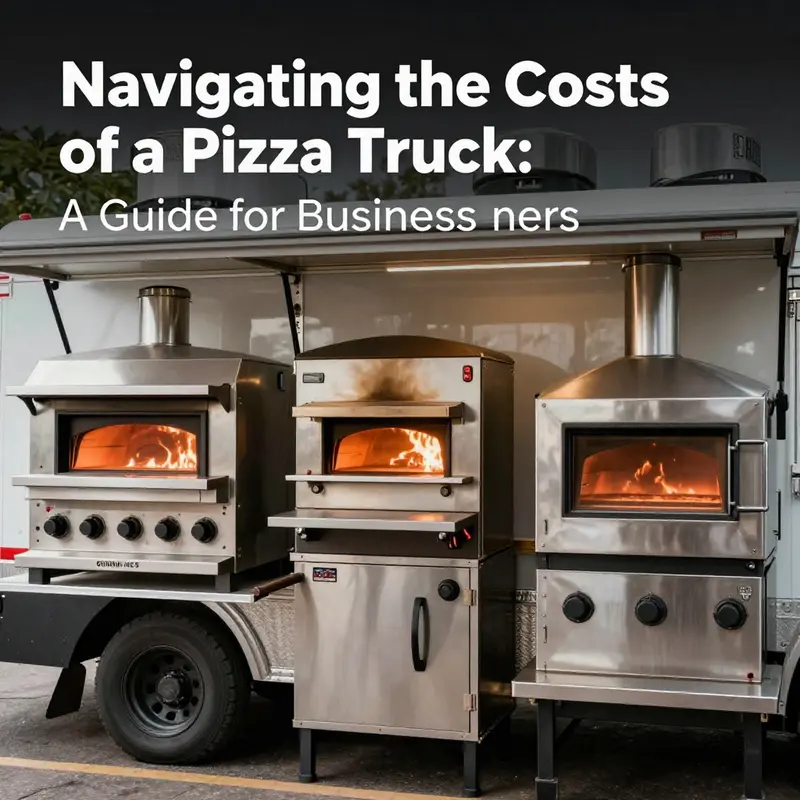
The question of how much a pizza truck costs often centers on the oven, the heart of any pizza kitchen on wheels. The oven you choose does more than bake pies; it defines the truck’s flavor profile, the speed of service, the regulatory footprint, and, ultimately, the price tag. When investors ask how much they should budget, the answer almost always begins with the oven. It is easy to overlook how a single, well-intentioned hardware choice can swing a budget by tens of thousands, or even more, once installation, ventilation, and ongoing maintenance are added into the equation. In the mobile pizza world, this is not a minor detail but the hinge on which profitability can turn. The path you take—from wood-fired theater to electric efficiency—maps directly onto both upfront costs and long-term operating considerations, and understanding that map helps separate aspiration from reality as you price out a truck.
Wood-fired ovens loom large in the imagination of artisanal pizza, and for good reason. They deliver a distinctive flavor, a dramatic kitchen performance, and a sense of craft that many customers associate with pizza’s most authentic enjoyments. Yet that premium comes with a price. A custom-built wood-fired oven, crafted from heat-retaining materials and designed to reach searing temperatures around 800°F, can dominate the cost equation. In practice, the oven itself can push a project into a very high price tier. Market descriptions show that a large wood-fired oven integrated into a mobile setup can range from roughly $70,000 to $120,000. The numbers reflect not only the oven’s materials and heat-holding performance but also the complexities of installation, specialized exhaust systems, and fire safety systems required for mobile operations. The higher upfront investment is often paired with ongoing maintenance needs and stricter compliance with city smoke regulations, which in turn can influence insurance costs, permit timelines, and the permissible footprint of the truck in urban markets.
The operational realities of wood-fired ovens also shape costs beyond the sticker price. They require longer preheat times, often 30 to 60 minutes, before service can begin. That wait translates into scheduling considerations: when you operate, you must allocate time for heat to build, manage the ongoing flame, and monitor the oven for consistent results. The maintenance regime is equally demanding. The brickwork, insulation, and refractory lining must be inspected and sometimes refreshed, and the oven’s venting system requires regular checks to prevent smoke buildup and ensure efficient draft. This level of ongoing care adds to lifetime costs and must be factored into cash flow models when considering whether a wood-fired setup is financially viable for a start-up or a scaled operation.
On the other end of the spectrum lie gas and electric ovens. These options are more affordable upfront and generally simpler to operate, which makes them appealing for many urban markets with strict emissions and permitting regimes. A gas or electric oven eliminates smoke production, which can reduce the regulatory burden and create more flexible scheduling in dense city blocks where venting can become a knotty hurdle. Startup times are typically faster, and temperature control can be precise and repeatable, which supports consistent crust and cheese melt. Market data points to a much lower price point for fully equipped configurations that feature gas or electric ovens. In some listings, a mobile trailer designed with a gas or electric oven can be found priced well within the mid-to-low six-figure range at a much lower entry than wood-fired builds. One set of market observations notes a new, fully equipped mobile trailer with a gas or electric oven starting around $6,150 to $6,450 in certain listings. While such figures represent listings that may include the chassis and basic kitchen kit, they illustrate the affordability pathway into the market if a buyer is willing to assemble the remaining components, select a compact footprint, and temper expectations about peak performance and flavor profile.
Combination ovens—hybrids designed to blend gas or electric heat with wood’s flavor or heat profile—exist in a middle ground. They aim to offer some of the convenience and control of gas or electric with a nod toward the wood-fired aesthetic. These systems typically carry a higher price than pure gas or electric installations, reflecting the added engineering complexity and the need to manage dual-fuel capabilities, flame control, and exhaust requirements. The trade-off is a broader flavor spectrum and the flexibility to service varied menus and customer tastes, particularly in markets that demand high throughput without the smoke footprint that wood can impose. In cost terms, combination ovens sit between the pure gas/electric setups and true wood-fired installations, but the exact numbers hinge on the configuration, the size of the oven, and the degree of integration with the truck’s ventilation and safety systems.
All of these oven options feed directly into the vehicle price, shaping the total investment you must make to bring a pizza truck to life. The most straightforward way to frame the overall cost is to think of the oven as a primary driver, with the rest of the truck’s kitchen and the vehicle itself expanding from that core. Entry-level trucks, which are typically used or retrofitted vehicles with modest kitchen space and basic ovens, commonly run from about $10,000 to $30,000. These configurations often rely on electric ovens and compact layouts, offering a budget-friendly path into the market but with trade-offs on batch capacity and menu complexity. As a mid-range option, fully equipped and customizable trucks—new builds with purpose-built design for mobile pizza—tend to begin at a higher baseline and can scale upward based on the oven choice. The range in the research materials reflects the reality that pricing is not monolithic; the final tally depends on whether the buyer prioritizes speed, flavor fidelity, or regulatory simplicity.
However, a candid view must acknowledge the contradictions that sometimes appear in online listings and industry summaries. A fully equipped mobile pizza truck can be listed at a comparatively modest initial price, such as a few thousand dollars, but the absence of critical components—most notably a commercial oven—means that the price is only meaningful when those missing elements are added. Once a heavy-duty oven is installed, the operating realities shift dramatically: the cost of the oven, the installation, and the required venting, fire suppression, and permitting create a cumulative financial picture that can easily propel the total investment well beyond the starting figure. In other words, the sticker price only tells a partial story; the oven’s presence and the accompanying infrastructure determine whether the truck is truly ready to roll or needs substantial further development.
The practical takeaway for a prospective buyer is to treat the oven not as an accessory but as the central design constraint. If the aim is to preserve flexibility and minimize upfront risk, a gas or electric oven offers a lower-cost, lower-friction entry point that aligns well with urban regulations, quick-service expectations, and predictable maintenance. If the goal is a signature product with a classic crust and a theater-like serving experience, the wood-fired route offers authenticity and differentiation, but it requires a large upfront investment, careful site planning, and a longer ramp to profitability. A hybrid approach can provide a compromise, enabling some wood-fired capability while leveraging gas or electric for everyday throughput. Each choice reframes the cost model: the oven’s price becomes the anchor around which the truck’s entire financial plan is built.
To illustrate the budgeting realities further, consider the broader context of the total truck cost. Entry-level trucks, including used or retrofitted vehicles with basic ovens, typically settle in the $10,000 to $30,000 range. As you move toward more polished, purpose-built configurations with professional kitchen layouts, the price can climb quickly, especially if you incorporate a high-end oven. The threshold beyond which many operators feel ready to scale is often tied to a capable oven system and the efficiency that accompanies modern, well-planned kitchens. While a base listing might tempt buyers with low sticker prices, the real cost to achieve a functional, compliant operation—complete with a reliable oven, ventilation, fire suppression, and safe electrical or gas systems—often lands above the mid-range figures. It is not unusual to see total budgets that comfortably exceed $40,000, and for premium, custom-built trucks with wood-fired capability, the financial ceiling can rise steeply.
For readers exploring the path from concept to asphalt, the oven choice should be the first question asked in earnest, followed by a practical inventory of what constitutes a complete, operable system. A realistic plan includes the truck chassis, the kitchen equipment roster, the installation labor, the ventilation and safety apparatus, and the ongoing costs of fuel, maintenance, insurance, and permits. The narrative around cost thus shifts from a single price to a care map for ongoing investment, with the oven serving as the central node that links flavor, compliance, throughput, and long-term economics. The lesson is not that one path is universally better, but that the oven’s role in a mobile pizza business is outsized compared to other kitchen components—larger even than the truck’s body or the menu, because it defines service speed, product quality, and regulatory feasibility.
As readers contemplate their own launch or expansion, it is useful to anchor the decision in a practical computation: project the oven cost into the total and then assess the timeline to break even given your target volume and pricing. If your market favors a signature slice with a wood-fired crust, plan for the higher upfront investment and extended ramp to profitability. If speed and regulatory simplicity drive your model, start with a gas or electric oven and build a scalable menu around it. Either way, the oven type is not merely a feature; it is the financial compass of a mobile pizza operation. When you speak with lenders or investors, framing the oven as the central capital asset and detailing the associated installation, venting, and safety costs will provide a clearer path to funding and a more credible timeline for return.
For further context on how the total truck cost is framed in practice and to see a concrete example of budgeting considerations, you can explore more about the practical costs of a pizza truck here: How much is a pizza food truck.
External reference for further reading on oven pricing and installation across markets can be found at a major supplier platform, which hosts a range of wood-fired, gas, and electric options and discusses the implications of installation and compliance: https://www.alibaba.com. This resource provides a broader sense of the price tiers and the potential variability in what is included at different price points, emphasizing how critical the installation and regulatory steps are to realizing a functional, road-ready pizza truck.
null

null
Final thoughts
As you venture into the food truck industry, understanding the intricate factors influencing pizza truck costs can pave the way for your success. From entry-level trucks perfect for startups to premium models offering luxury options, each choice available reflects your brand’s identity and business goals. Consider the type of oven you prefer, the degree of customization you’re seeking, and observe market trends to anticipate future expenses. With comprehensive knowledge in hand, you are better positioned to make thoughtful investment decisions that align with your vision of culinary success on wheels.