

Finding the right pizza dough is crucial for food truck success, impacting taste, texture, and customer satisfaction. Whether you’re in search of ready-to-use dough or bulk supplies for daily preparations, options abound. From online retailers like Amazon to specialty food distributors such as U.S. Foods and local bakeries, each source offers unique benefits to help you keep your operations efficient and your pizza delicious. The following chapters will explore each avenue for purchasing pizza dough and provide valuable insights into making the best choices for your mobile culinary venture.
Rolling Out on the Road: Smart Online Sourcing for Food-Truck Pizza Dough
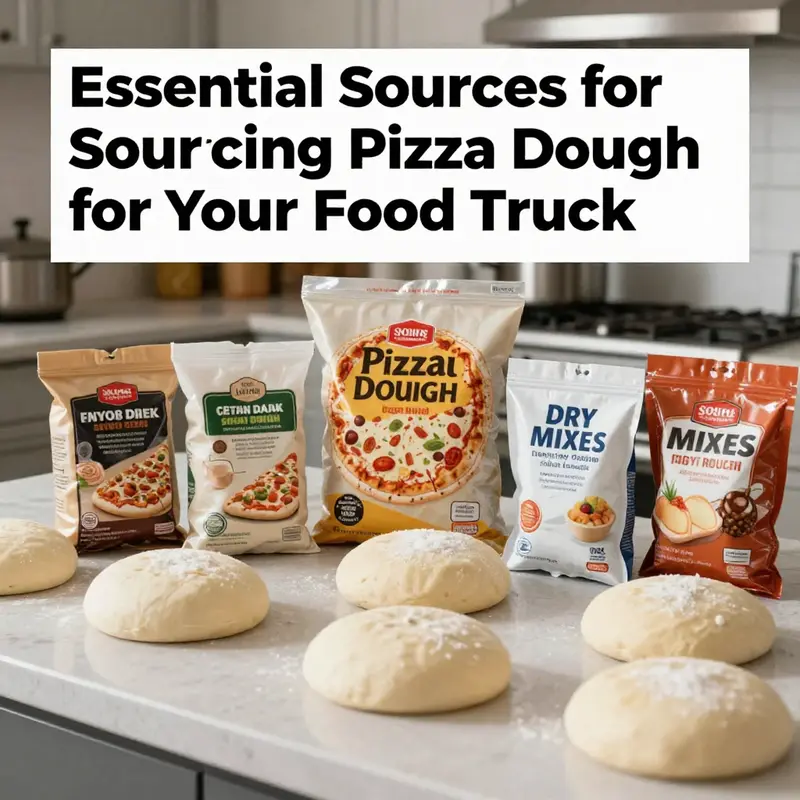
Sourcing dough for a mobile kitchen is less about chasing a single bakery and more about engineering a dependable supply chain that travels with you. The online marketplace has become the backbone of that supply chain for many operators who need consistent dough quality, predictable costs, and scalable options to match busy weekend runs or city-wide events. In practice, this means weighing choices between pre-made, ready-to-use dough and bulk ingredients that you assemble into your own batches each day. The online landscape is now dominated by two practical realities that matter most on the street: first, dough that can survive travel and storage without losing its structure or flavor; second, packaging and sizing that fit the tight space and fast pace of a food truck service. For the artisan pizzaiolo who wants to deliver a reliable product with a streamlined process, pre-portioned, frozen dough kits designed for commercial use have emerged as the most effective option. They address the core constraints of a mobile operation: cold storage, thawing efficiency, and rapid service. When a truck rolls up to a line of hungry customers, there is little room for guesswork in the dough. The best online solutions acknowledge this by delivering dough that maintains its elasticity after freezing and thawing, preserves rise potential, and arrives in sizes that align with standard menu pizzas. In practical terms, that often means dough balls in the 8–12 ounce range, sized to yield pizzas in a practical 10–14 inch footprint. It is no accident that this range has become a de facto standard for street service; it minimizes waste, aligns with typical oven capabilities, and helps keep the topping-to-crust balance consistent across a busy shift. For operators, the advantage is clear: once the dough is thawed and proofed, the on-site process becomes a clean, repeatable routine rather than a daily variable. A well-chosen dough program reduces the risk of under-proofing on a crowded night or overworking dough that has just barely thawed.
From an operational perspective, the freeze-thaw stability of modern dough is a deciding factor. When a batch travels from warehouse to truck to oven, the dough must reclaim its soft, pliable texture without collapsing into a dense crust. The best online offerings emphasize this stability, with formulation details that keep elasticity intact after freezing. That stability translates into fewer callbacks to the kitchen for adjustments and a steadier product quality from one service to the next. In a mobile setting, every minute counts, and the ability to pull eight or twelve dough balls from a single bag, place them on a rack, and move quickly to thaw and proof becomes a competitive differentiator. In many cases, premium options even feature short proofing times—some in the realm of ready-to-bake or quick-rise formulations—that can push prep times below the 30-minute mark. On a night with a tight turnaround window, that difference matters; it converts potential bottlenecks into smooth, predictable service.
The modern consumer palate also leans toward clean-label, non-GMO ingredients, and traceable sourcing. In the street-food context, these concerns become part of a brand story that customers appreciate as much as the crust’s texture. Online dough programs that emphasize simple ingredient lists and transparent sourcing give operators the opportunity to market a more gourmet image without sacrificing speed. It is not merely a matter of taste; it is about aligning the dough with a broader brand identity—one that resonates with health-conscious guests who may be trained to expect consistent quality across multiple days and locations. The takeaway is that the online dough ecosystem rewards operators who treat dough as a repeatable, scalable component rather than a one-off batch. The better programs provide clear handling guidelines and performance data, including shelf life when frozen and practical thaw/ready-to-use timelines. These details empower a truck operator to harmonize dough procurement with oven performance and menu cadence.
Choosing a supplier in this space is less about chasing a single brand name and more about evaluating how a program fits a truck’s operational DNA. The most reliable offerings come from providers who can deliver in bulk, with containers and packaging that are designed for mobile logistics. Think vacuum-sealed, stackable trays or bags that can be stored efficiently in a compact freezer and pulled out in the sequence you need. The logistics are not glamorous, but they are crucial: predictable lead times, consistent product quality batch after batch, and the ability to scale quickly as your menu expands or demand spikes. For the operator who wants to minimize daily prep and maximize throughput, the lure of frozen, pre-portioned dough is strong. You can thaw, portion, and proof in a controlled sequence, then bake with the same results you would expect from a stationary restaurant kitchen. This is a rare advantage in mobility: you can reproduce a great crust night after night without compromising service speed or product integrity.
The operational efficiency extends beyond the dough itself. A thoughtful dough program often pairs seamlessly with a mobility toolkit that includes a dedicated dough stretcher or roller, a compact oven suited to high-volume service, and a workflow that enables rapid hand-stretching without compromising dough integrity. When the dough is consistently shaped, your team spends less time reworking edges, and you reduce waste from dough that tears or overworks. The broader implication is that the dough choice becomes part of a holistic system for the truck’s kitchen. In practice, this means selecting dough with a repeatable performance profile, then coordinating thawing steps, proof times, and stretching methods to fit your oven’s heat profile and the truck’s clock. The result is a reliable crust, a predictable bake, and a service that remains efficient across a range of events and locations.
If you are new to online dough sourcing, the decision framework can feel daunting. Begin with the core questions: What is the maximum storage footprint on your rig, and how much freezer space can you allocate? What throughput do you expect during a typical service, and how quickly must dough be ready for the oven after thawing? What are your menu’s crust thickness and diameter targets, and how do those dimensions align with common dough ball sizes? How important is clean labeling to your brand, and do you plan to market the crust as a selling point? In answers to these questions, the online vendors that specialize in commercial, mobile-use dough often emerge as the most sensible partners. They can provide documented performance data, realistic shelf-life expectations, and clear handling guidelines that translate directly into your daily playbook. As with any supplier relationship, you should request samples and perform your own in-truck testing to validate thaw times, proofing behavior, oven performance, and, ultimately, crust texture that aligns with your menu.
One practical reminder helps keep operations lean: do not assume that the most expensive or most widely advertised option is automatically the best fit for a given truck. Sometimes the right choice is a mid-range program that offers an ideal balance of shelf life, ease of use, and flavor that is consistent across batches. The aim is a dough that can be stored in reasonable quantities, thawed rapidly, and proofed to a consistent height that yields a uniform bake. If you are weighing whether to pursue bulk dough or pre-portioned kits, consider your service cadence. A busy weekend at a festival may demand more frequent thawing and batch testing, while a quieter, regular route could benefit from bulk dough you portion in-house according to daily demand. In either scenario, the performance guarantees of the online option—freeze-thaw stability, portion consistency, and fast-proofing timelines—are essential predictors of reliability on the curb.
For a deeper dive into how to optimize this dimension of operations, you can explore case studies and best practices that pull together supplier performance data, handling recommendations, and practical kitchen integration. The overarching message remains consistent: with a well-chosen online dough program, your dough becomes a controllable variable rather than a constant uncertainty. In the hustle of a street service, that control translates into more consistent pies, fewer service delays, and a stronger brand promise that your customers can taste in every bite. If you want to see how others frame the investment and plan around dough procurement, consider reviewing a resource that consolidates best practices for sourcing frozen pizza dough for mobile kitchens. It offers a structured look at shelf life, handling, and the interplay with common mobile ovens, and can serve as a practical companion to your supplier evaluation process. For more on this, you can consult the external resource linked below.
Internal link reference: When contemplating the broader economics of a pizza-truck operation and the investment in equipment alongside dough, it helps to know how other operators approach the cost of entry and scale. A detailed discussion on the relative cost of launching a pizza truck can provide useful context for the total cost picture and how a dependable dough program fits into your financial plan. How much does a pizza truck cost
External resource: Best Practices for Sourcing Frozen Pizza Dough for Mobile Kitchens — https://www.foodserviceindustry.com/articles/frozen-pizza-dough-for-food-trucks
Bulk Dough on Wheels: Navigating Specialty Distributors for a Food-Truck Kitchen
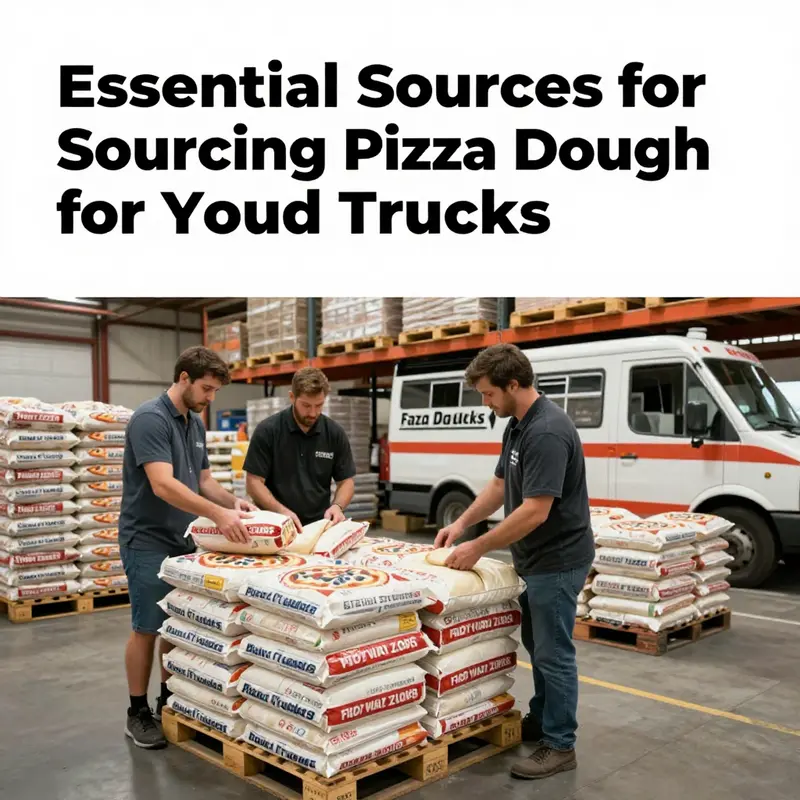
Sourcing pizza dough for a food truck requires more than a quick online purchase or a stroll through a bakery. It demands a careful blend of reliability, scalability, and practicality that keeps a mobile kitchen moving as smoothly as the dough itself. Specialty food distributors sit at the heart of this balancing act. They offer bulk options, built for high-volume service, with formats that can travel from a warehouse to a curbside oven without losing the qualities that customers expect from a great slice. The decision to work with a distributor who focuses on professional kitchens and mobile vendors rests on several threads: consistency in texture and hydration, predictable delivery, and the ability to tailor dough types to a changing menu. In the world of food-truck operations, where every minute counts and every crust matters, those threads become a fabric that can either wear thin under pressure or stretch to support a thriving business model.
From the outset, the nature of bulk dough available through specialty distributors is defined by the way the product is packaged and stored. The most efficient setups for a truck are typically pre-portioned, frozen or refrigerated dough that can be thawed and formed with minimal handling. Frozen dough rounds or pre-portioned dough balls reduce waste, improve speed during service, and help preserve consistent hydration and elasticity. They simplify inventory control as you scale up or adjust the menu from week to week. The trade-off is the thaw time and the need for reliable freezer and cooler capacity on the vehicle or in a nearby commissary. A thoughtful forecast of daily demand—how many pizzas you plan to sell during peak hours, and how many hours you need to hold dough before it goes into the oven—transforms a seemingly random inventory into a repeatable workflow. The math behind this forecast becomes as important as the dough itself, because a miscalculation shows up in crust texture and service tempo long after the order is placed.
Distributors who serve professional kitchens and mobile vendors typically present a spectrum of options. Refrigerated dough, designed for quicker return to service, can be a good match when you operate in cooler climates or seasons with slower turnover, or when you want to reduce thaw times during the rush. Frozen, pre-portioned dough is often the preferred route for high-volume operations because it aligns with a measured, repeatable prep process. The choice between these formats hinges on your truck’s electrical and storage capabilities, as well as your team’s familiarity with dough handling. A robust system for thawing—whether in a controlled cooler, on a proofing surface, or in a brief rest at room temperature—helps maintain dough integrity and yields consistent crusts across a long service window. In practice, many operators find that frozen, pre-portioned dough offers the most reliable backbone for a busy schedule; it takes some planning, but the payoff comes in dependable crusts and easier line management during peak times.
Beyond form factors, the breadth of dough varieties available through specialty distributors allows operators to sculpt a menu with a consistent baseline while offering differentiation to patrons. Traditional dough with a balanced hydration profile provides the familiar chew and crisp edge that customers expect. Artisan-style doughs, which emphasize flavor and a slightly longer cold fermentation, bring depth and aroma that can elevate a simple margherita or a more adventurous seasonal pie. For mobile concepts that attract a diverse crowd, the option to source gluten-free or whole-grain formulations can widen the audience. Some operators experiment with doughs that showcase different mineral profiles or enzymatic treatments, all designed to hold up under quick service without sacrificing slice quality. The challenge, of course, lies in managing these varieties without overcomplicating procurement, storage, and prep. Good practice means choosing a limited set of dough types aligned with the core menu, then adding a seasonal or regional option strategically when demand supports the change.
Quality assurance in this arena hinges on three pillars: consistency, traceability, and handling. A reputable specialty distributor will provide documentation that verifies ingredient sourcing, batch numbering, and shelf life. This information is essential not only for food safety compliance but also for maintaining uniform crust characteristics across dozens or hundreds of pizzas each week. Consistency begins with the dough itself—hydration levels, yeast activity, salt concentration, and oil content all influence crust texture. When you buy in bulk from a distributor, you’re effectively standardizing these variables across your entire operation, reducing the risk of a single bad batch derailing an entire service. The logistical side of quality is equally important: clear delivery windows, reliable cold-chain maintenance, and properly labeled packaging that supports quick identification and safe storage on a truck or in a nearby prep area.
Engaging with specialty distributors also invites a conversation about customization. Some distributors offer private-label or chef-owned formulations designed for professional use, enabling you to tailor dough for specific ovens, climates, or service models. The ability to request slightly adjusted hydration, specific salt levels, or particular fermentation timelines can translate into a crust that aligns perfectly with your oven type and the speeds of your service sequence. A seasoned distributor will guide you through samples, testing, and a practical plan to transition to a new dough without disrupting daily operations. This collaboration is where the relationship becomes more than a transaction; it becomes a partnership intended to keep a mobile kitchen dependable, efficient, and capable of growing.
Lead times and minimum order quantities are the practical touchpoints that shape your daily schedule. In many cases, distributors offer a range of minimums designed for commercial kitchens and mobile setups. Some operators find it easier to commit to a weekly or bi-weekly schedule that ensures fresh dough arrives just before a busy stretch of events, with staggered deliveries that align with prep shifts and peak days. It’s common to negotiate recurring orders with the option to adjust for seasonality, festivals, or pop-up weekends. The best arrangements incorporate flexibility: the ability to add or reduce a delivery window, swap dough variants, or pause orders without incurring penalties. Price, of course, flows from volume and consistency. Bulk pricing typically improves with larger commitments, but you should also evaluate the incremental cost of smaller, high-frequency deliveries if your vehicle’s storage is limited or if you’re operating in a region with erratic demand. A practical approach is to start with a conservative forecast, secure a stable baseline, and then grow cautiously as you validate sales velocity and customer feedback.
Local and regional distributors deserve particular attention for food trucks that want freshness in their supply chain while keeping logistics manageable. Regional options can reduce transit times, lower cold-chain risk, and often deliver more personalized service. They may also offer shorter supply lines that support artisan or niche dough products, which are attractive for menus that emphasize character and locality. Building relationships with regional bakers and wholesale kitchens expands your resilience—if one source runs into a temporary shortage, a backup partner can prevent service interruptions. The downside is that regional supply can sometimes come with tighter mollified SLAs or higher freight costs per unit, so the math of speed versus expense remains essential. For the operator willing to cultivate a network, this approach yields both reliability and flavor diversity that can set your truck apart.
Another layer of practicality involves storage and on-truck handling. The space inside a mobile kitchen is finite, and any dough strategy must respect cold storage capacity. Pre-portioned dough helps here, as you can store exact quantities and defrost them in a controlled manner. When thawing, err on the side of slow, steady warming rather than quick room-temperature defrosting, which can compromise texture. Good prep practice includes a dedicated surface for shaping and proofing, a timer-based workflow to synchronize dough readiness with ovens, and an organized labeling system so staff can swiftly locate the right dough type for the day’s lineup. Training matters just as much as technology; even the best dough will yield inconsistent crusts if the team mishandles it during the rush. A concise, repeatable routine—from thawing to shaping to baking—frees up cognitive load and keeps service calm under pressure.
For operators who have ambitions beyond a single city block, the packaging language of dough matters. Food-truck friendly packaging—vacuum-sealed or stackable trays, clearly labeled with batch numbers and allergen information—reduces waste and simplifies line management. If you’re operating across the U.S., Canada, or into neighboring regions, packaging considerations also influence cross-border logistics and regulatory compliance. A well-chosen dough program can trim waste, improve portion control, and enable more predictable revenue per hour. In this sense, the choice of a specialty distributor touches every aspect of the operation—from inventory planning and labor deployment to customer satisfaction and brand consistency. A quick, memorable crust is not enough; a reliable crust, with predictable texture and flavor, is the backbone of a mobile dining experience that earns repeat customers and favorable word of mouth. For readers curious about how dough sourcing shapes the day-to-day life of a pizza truck, the practical realities unfold in the same way as the dough’s mechanics on the bake deck. The dough becomes the anchor, and the distributor becomes the partner who anchors the anchor, keeping the service steady when weather, events, and crowds collide.
As you explore options, consider a direct line to a distributor who understands the unique demands of mobile service. Ask about sampling programs, the possibility of pilot weeks, and the ability to adjust for menu shifts. If a supplier can provide a few different dough profiles, you gain flexibility in testing, tasting, and refining recipes without overhauling operations. The optimal path, for many operators, balances a core dough that travels well and a rotating option that allows for seasonal specials. The right combination reduces risk, improves predictability, and helps you tell a coherent story on the curb. For those seeking a more experiential glimpse into how dough sourcing shapes the Pizza Truck Experience, the narrative of a single truck’s journey—from dough dock to oven flame—offers a vivid reminder that ingredients are more than components; they are the living heartbeat of a mobile kitchen. See this perspective in depth at the Pizza Truck Experience resource.
Internal link note: For a practical read that connects the sourcing choices discussed here with hands-on daily operation, explore the broader experience at Pizza Truck Experience.
As a closing thought, remember that the landscape of bulk dough sourcing is dynamic. Distributors evolve, new regional players enter the market, and consumer tastes shift with the seasons. The most resilient operators build a lightweight, scalable system that can absorb changes without sacrificing quality. They cultivate relationships with multiple suppliers, maintain clear documentation, and keep a tight feedback loop between the kitchen and the procurement lane. If you think of your dough program as a living part of the business—one that grows with your brand and responds to what customers crave—then specialty distributors become not just suppliers but co-authors of your menu’s success. The goal is simple to articulate and essential to execute: a crust that is consistently crisp, flavorful, and dependable, delivered on time, every time. The rest follows—the line flows, the orders surface, and the audience returns for another round. External resources expand your horizon, and global marketplaces can offer broad access to additional dough profiles and packing solutions when local options run tight. For further broadening of sourcing options, a global wholesale marketplace can be explored at Alibaba.
Direct Manufacturer Routes for Pizza Dough in a Mobile Kitchen: Sourcing, Equipment, and Efficiency
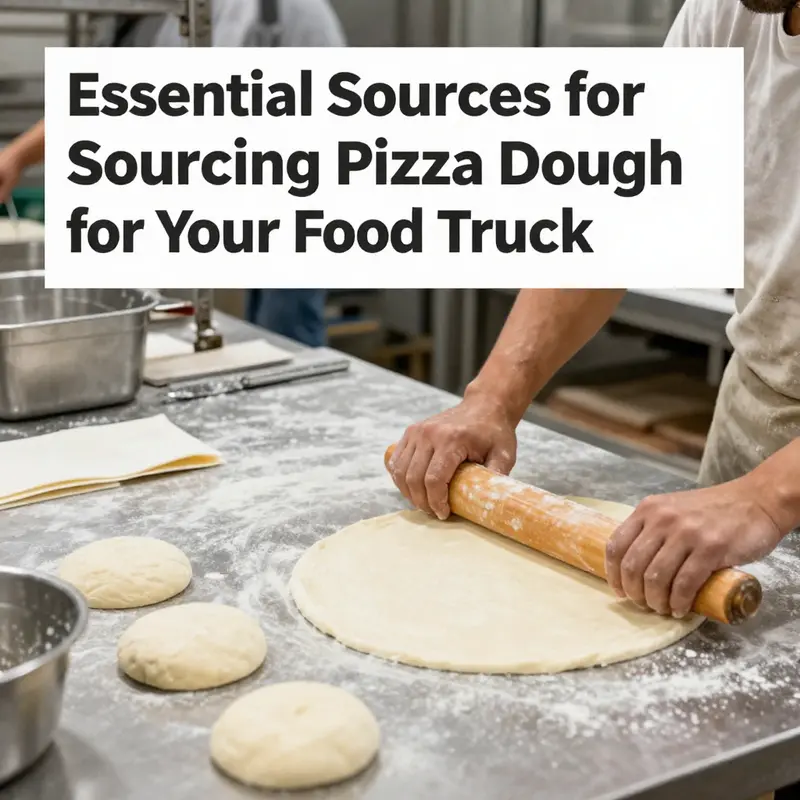
When a food truck rolls into a neighborhood, the first bite hinges on a dependable dough. Direct-from-manufacturer sources offer a compelling path for operators who need both consistency and flexibility in a mobile setting. Whether your truck runs full-time during lunch spikes or pivots to weekend events, the ability to source dough that meets exacting specifications and can be stored and staged for service is a competitive advantage. Direct procurement allows you to tailor hydration levels, fermentation schedules, portion sizes, and packaging to fit limited space, driver shifts, and the unpredictable rhythm of curbside service. Instead of relying on consumer-grade kits or midstream suppliers, you gain access to commercial-grade dough options designed for kitchens that move—and that difference can translate into steadier crust quality, faster service, and less variance from day to day.
In practice, manufacturers that serve mobile operators present a spectrum of product formats that align with the realities of a truck kitchen. One route emphasizes disposable tools meant to streamline sanitation and speed for crews that rotate often. Think of single-use dough-handling aids that minimize cross-contamination and reduce cleaning downtime between shifts. A second path centers on semi-automatic dough-stretching equipment that delivers uniform thickness with less manual effort. The third and most ambitious option is a full commercial dough machine, built to transform dough into consistently shaped crusts with the push of a button or the activation of a lever. For a compact truck, this spectrum supports a staged setup: you can start lean with a couple of essential tools and a small, efficient dough-handling workflow, then expand as demand grows or as events demand higher throughput. In all cases the objective remains the same—stability in technique, speed of execution, and the ability to deliver the same crust every time under the pressure of a line.
Direct manufacturers also open doors to customization that consumer channels simply cannot match. A dough program can be tuned to your menu and climate: hydration, mix times, fermentation windows, and even flavor or aroma profiles can be requested to better align with the toppings you plan to feature and the oven you use. For a truck that pivots between a quick-fire margherita and a heavy tomato-and-cheese lineup, a dough formula that proof-controls well in a compact cooler and holds up to a brief hold before topping becomes crucial. Packaging choices greatly matter here as well. Vacuum-sealed, stackable dough portions or moisture-controlled bags designed for mobile operations can reduce thaw times, minimize waste, and simplify inventory discipline. When the dough arrives in well-labeled, predictable packaging, prep becomes a matter of minutes rather than a scramble.
All of this, however, hinges on sound planning. Direct-from-manufacturer procurement must be treated as a supply chain decision with real lead times and constraints. Some dough programs are produced in continuous, large-scale runs, while others are organized around smaller batches that are easier to adapt to seasonal demand. Either way, cold-chain integrity is non-negotiable. Frozen dough may need overnight thawing in a properly controlled cooler, and refrigerated dough requires consistent temperature maintenance through transit and storage in the truck. There are also practical economics to weigh: minimum order quantities and case pricing can influence cash flow, especially when a single truck is early in its growth trajectory. A disciplined forecast that accounts for weekend surges, pop-up events, and weather-driven traffic is essential. If you can pair forecast accuracy with a reliable delivery cadence, you reduce the risk of urgent restocks while keeping dough in the best possible condition for service.
Choosing a direct-manufacturer partner is about more than price. It is about reliability, transparency, and the capacity to support a mobile business through every shift. Ask for documentation that clarifies the dough formula, ingredient sourcing, allergen controls, and handling instructions. Documentation and traceability become a practical safeguard in a setting where a single service window can determine the success of a day’s sales. It is equally important to verify the supplier’s ability to respond to mid-cycle order changes, to provide a dedicated account contact, and to offer a pilot run or test batch before a longer commitment. The goal of this vetting is not merely a one-off delivery but a durable relationship that ensures your dough quality remains predictable across weather, crowd size, and crew turnover. A stable supplier relationship translates into consistent crust texture, better oven performance, and a more confident frontline that can focus on toppings, timing, and guest experience rather than chasing dough anomalies.
When considering equipment integration with direct-manufacturer dough sourcing, there is a natural pairing that suits a mobile kitchen’s constraints. A disposable dough-roll option can be a practical starting point for kitchens that still ramp up their staff or operate at events where sanitation controls must be impeccable. Semi-automatic stretchers offer a middle ground for teams that want more uniform crusts without committing to the space and expense of a full automation solution. For trucks with the footprint and budget to support it, a compact commercial dough machine can be a powerful asset, delivering consistent dough sheets or rounds with less manual variation. The most effective approach for many operators is a modular setup: a small pair of dough-handling tools that work in concert with a modest, but sturdy, dough-molding device. This arrangement lets your crew move quickly from dough roll to dough round while maintaining the structural integrity of the crust and preserving oven-ready readiness.
Storage strategy is an often overlooked but decisive factor in a successful direct-manufacturer program. Pre-portioned, frozen dough aligns well with a truck’s need for predictability and space efficiency. Overnight thawing in the cooler, followed by a precise thawing window before service, can yield crusts that bake evenly even on back-to-back service days. When packaging is designed for the road—clear labeling, batch numbers, and simple thaw instructions—your staff spends less time deciphering what to do next and more time orchestrating the topping lineup. The value of good organization grows with the busyness of the day: a few minutes saved in dough handling can translate into multiple pizzas out the window, especially during weekend rushes.
The bigger picture is clear: direct-manufacturer sourcing, paired with a carefully chosen equipment mix and disciplined storage, creates a workflow that is robust enough to scale while remaining forgiving enough to accommodate a smaller operation. You can begin with a lean, modular setup—one or two dough-handling tools and a single, well-managed dough box—and gradually expand as your route expands to more markets or as you add events with higher demand. The payoff is more than a crust with perfect texture; it is a workflow that matches the pace of your customers and the tempo of your crew. In this sense, the procurement decision becomes a strategic asset, one that underpins consistent, crave-worthy pizzas and reduces the stress of managing supply during peak service.
For those who want a broader view on the entrepreneurial and operational aspects of bringing a pizza truck to life, a concise overview of building and sustaining a mobile pizzeria offers useful context for how dough programs fit into the larger system. To explore a practical, step-by-step perspective on how to structure a pizza food truck, see this guide on how to build a pizza food truck: How to Build a Pizza Food Truck.
As you move from theory to practice, remember that direct-manufacturer sourcing is not a singular solution but a framework. It rewards careful forecasting, thoughtful packaging choices, and a willingness to invest in equipment that supports a predictable line during crowded service windows. It also invites a broader perspective—one that treats dough as a strategic ingredient rather than a hurried afterthought. The most successful mobile operators treat dough not as a simple mix but as the foundation of a reliable guest experience. When the dough arrives in a form that suits your workflow, when your crew can execute with confidence, and when the packaging and storage keep the dough at its best, every pizza you hand to a customer carries the promise of consistency in a kitchen that is constantly on the move.
External resource: pizza dough machines for commercial kitchens. (https://www.ferrariitalia.com/en/products/pizza-dough-machine)
Fresh Dough on the Move: Sourcing Local Pizza Dough for New Zealand Food Trucks
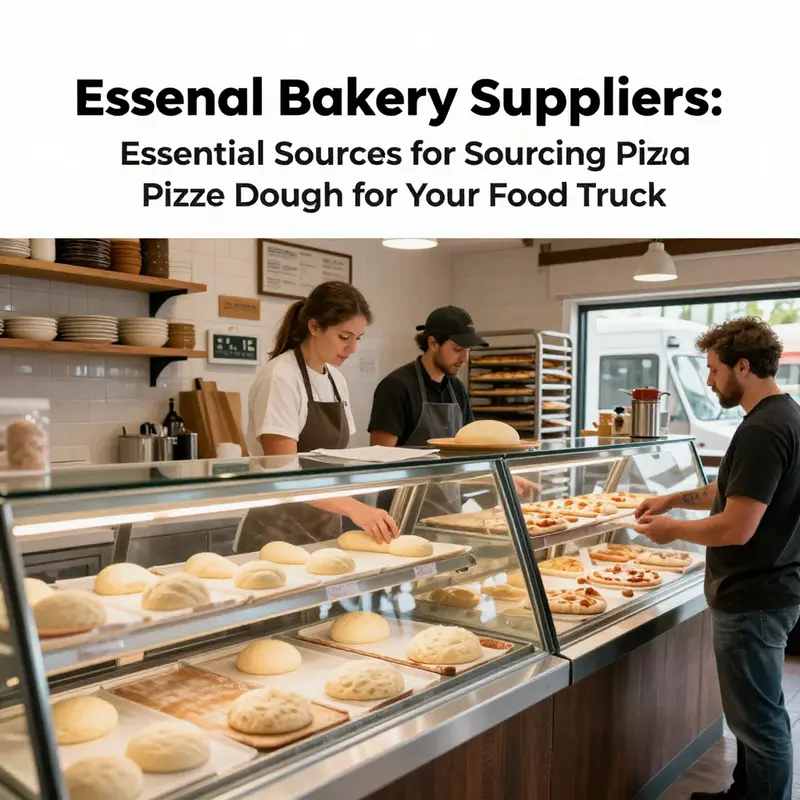
When a food truck sets up shop, the dough is more than a starter; it’s the backbone of consistency, speed, and flavor on the road. In New Zealand, where regional supply networks meet rugged landscapes and tight service schedules, the quest for fresh, reliable pizza dough starts long before the first order comes in. It begins with a decision to look locally—to seek out bakeries and small-scale producers that understand the tempo of mobile service, the need for predictable performance, and the desire to minimize waste while maximizing taste. The practical reality is that you don’t have the luxury of waiting for a dough to thaw from halfway across the country when the queue at your window is backing up and customers are waiting for their slice. Local bakery suppliers, especially those that have integrated production lines with mobile operators in mind, can offer a balance of freshness, customization, and logistical reliability that national brands sometimes struggle to reproduce at a truck scale. In the Waikato region, for instance, the story isn’t just about proximity to urban centers; it’s about a culture of manufacturing that blends agricultural inputs with automation in ways that suit high-volume, repeatable outputs. The region’s suppliers are known for handling the demands of larger operations, yet they remain approachable enough to tailor dough formats to a truck’s needs—whether that means pre-portioned, ready-to-thaw dough balls, or freshly made dough that arrives in daily batches. For a mobile kitchen, this translates into fewer surprises at service time: dough that thaws evenly, proofs with a reliable rhythm, and a crust that delivers the right balance of chew and aroma after a brisk drive from the oven to the curb. The Canterbury region brings a different flavor to the picture, one shaped by a strong emphasis on food technology and energy efficiency. Here, suppliers lean into innovations that support consistent quality in a compact service environment. Smart ovens, energy-aware proofing systems, and precise temperature control are not shiny add-ons; they are practical tools that help a truck maintain a steady product during peak hours. In essence, Canterbury’s approach is less about the dough itself and more about the ecosystem around it—how dough is handled, proofed, and baked in a way that protects texture, moisture, and taste when you’re moving through a city block or wandering between street corners in a regional festival. The geographic and industrial layouts of New Zealand guide a separate but equally important dimension: logistics. The two islands are linked by routes that cross diverse terrain, and many dough suppliers recognize that daily freshness hinges on dependable delivery windows. In practice, this means suppliers cluster around major transport corridors, including the familiar spine of State Highway 1, to support quick turnarounds between production facilities and food-truck hubs. For operators, this translates into practical routines—scheduled deliveries that line up with prep times, and predictable cold-chain handling that keeps dough in the right condition from the moment it leaves the bakery to the moment it lands on the workstation. When you are building or refining a mobile dough program, these logistical realities matter as much as the recipe itself. Freshness isn’t merely about the dough’s age; it’s about the integrity of the dough through freezing or chilling, the clarity of labeling and portioning, and the ease with which a driver can move from thaw to shaping to service without skipping steps. In many cases, local suppliers offer the flexibility to ship pre-portioned, frozen dough portions designed for rapid thaw and shaping. This model reduces waste, stabilizes portion control, and supports a consistent crust regardless of the day’s volume. It also combines well with a logistics plan that treats dough as a product with a short, predictable shelf life—healthy for a menu that might shift from classics to seasonal specials depending on what markets demand. Beyond the practicalities, there is a sustainability thread that threads through both Waikato and Canterbury suppliers. The drive toward eco-friendly equipment and packaging touches every stage of the dough lifecycle. Induction-powered ovens, for example, can reduce energy draw and stabilize heat delivery, letting a mobile kitchen bake more predictably while using less power from a generator. Variable-speed dough mixers help operators dial in hydration and development without overmixing, which translates into better crust texture and less waste when dough rounds are discarded. Biodegradable or recyclable packaging aligns with consumer expectations and municipal waste streams, making the business friendlier to the communities where trucks roam. For owners and operators, adopting such technologies is less about chasing the latest gadget and more about building a resilient workflow that keeps the dough stable from proof to bake, even as service moves from one venue to another. The practical steps to identify and partner with local suppliers are straightforward, though they require a blend of networking, diligence, and regional awareness. Start with regional industry networks and trade associations that focus on foodservice ingredients and equipment. These bodies can provide introductions, reference checks, and directories that narrow the field to suppliers who understand mobile operations. Once you identify a few potential partners, request samples that reflect your service profile: dough types that suit a rapid turn, your preferred hydration level, and any constraints around freezing versus fresh handling. It is essential to verify production cycles and delivery capabilities—whether a supplier can maintain quality across a daily schedule or if their model is optimized for larger weekly shipments. Clarify labeling, storage requirements, and thawing instructions so that kitchen staff and drivers are aligned. A robust agreement should address not only price but the reliability of delivery windows, the contingency plans for weather disruptions, and the willingness of the supplier to adapt to seasonal menu shifts. In this context, the local bakery supplier becomes more than a vendor; they become a partner in maintaining the craft of the dough while safeguarding the business’s tempo. The best collaborations are founded on trust: a shared commitment to clean, consistent dough that yields the same crust day after day, regardless of the lineup of toppings or the number of parties queuing at your window. The transport and storage realities deserve attention, too. Your truck setup must accommodate the dough formats you adopt. If you choose pre-portioned, frozen dough, your prep area should include a controlled thaw station and a quick, clean method for shaping dough into rounds ready for topping. If you prefer freshly made dough from a nearby bakery, plan for a two-stage workflow that keeps dough in a chilled environment until it’s time to portion, rest, and shape. Either path benefits from a proactive approach to waste management, such as accurate forecasting, portion control, and clear expiration labeling. The regional context—Waikato’s production capability and Canterbury’s tech-forward approach—frames a pragmatic mindset: sourcing local dough is not a nostalgic preference but a strategic choice that can enhance consistency, speed, and sustainability. It also offers a buffer against disruptions in distant supply chains, which, in the era of complex logistics and volatile markets, is a valuable risk-management layer for any mobile operation. If you are ready to expand beyond your own kitchen and explore how to integrate a dough program into your broader truck operation, you can delve into practical guidance about building a pizza-focused mobile business here: how to build a pizza food truck. The link points toward a comprehensive perspective on the structural parts of a mobile pizza venture, from permit considerations to service design, which naturally complements the dough sourcing strategy described here. And for those who want a more formal directory of potential suppliers and equipment partners in New Zealand, a trusted industry resource offers a vetted listing of bakeries and technology providers that understand the needs of mobile bakers. In the long run, your dough supply will become a competitive differentiator: predictable crust, consistent proofing, and efficient delivery all woven into a single, mobile operation that travels as reliably as it bakes. In practice, that means choosing local suppliers that align with your service schedule and your environmental values, while remaining open to seasonal adjustments and the occasional special request. The best partnerships emerge when you combine regional knowledge with a shared commitment to quality and reliability—traits that make a great pizza crust possible, even under the tightest service constraints. To explore further and connect with regional bakery equipment and ingredient networks in New Zealand, you can refer to the official industry directory of bakery equipment suppliers. This resource highlights the breadth of capabilities available near major transport routes, with a focus on sustainable practices and scalable production that suits mobile vendors. For more details on reputable bakery equipment suppliers in New Zealand, you can visit NZ Food Technology Suppliers. (External resource) https://www.nzfoodtech.co.nz/suppliers
Dough on Demand: Mastering Sourcing for a Mobile Pizzeria
Dough on Demand: Mastering Sourcing for a Mobile Pizzeria
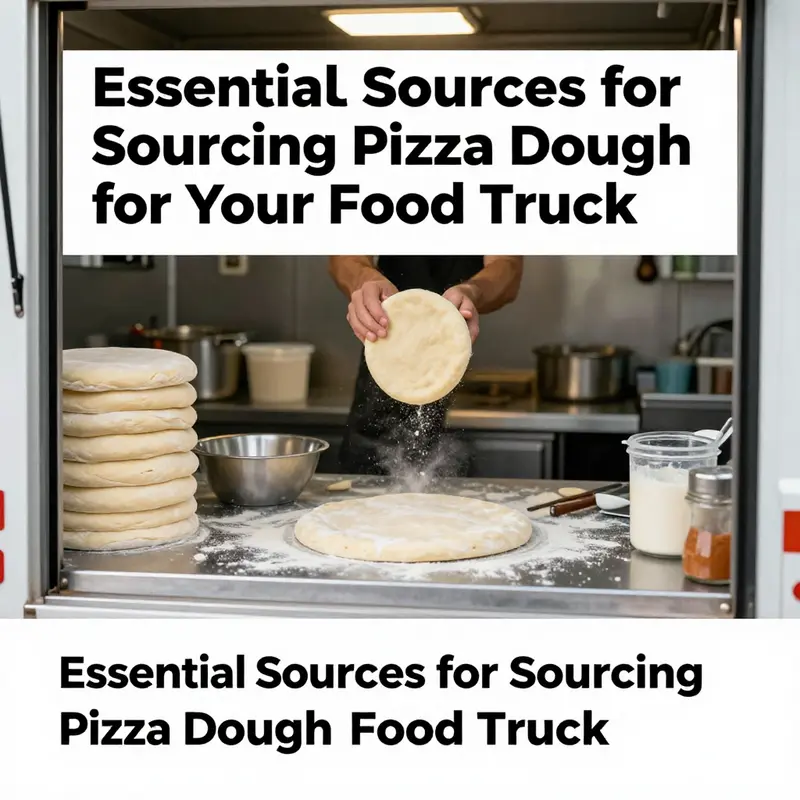
In a food truck, dough is more than a recipe component; it’s a daily variable that can either accelerate service or slow it to a crawl. From dawn to close, the speed at which you obtain reliable dough shapes your menu, your oven times, and your cash flow. The sharpest operators treat sourcing as a core capability, not a box to check. They build a supply chain that fits the truck’s rhythms—deliveries arrive on time, dough stores without quality loss, and support is there when you want to pivot your crust style or scale to a second truck.
A practical sourcing approach begins with a simple, two-part truth: prioritize proximity and insist on safety. Local or regional suppliers shorten the distance from dock to dough, which is crucial when you operate a mobile kitchen where every minute in transit counts. Proximity also makes it easier to arrange flexible delivery windows during busy weekends or bustling events. At the same time, you want formal food-safety credentials that you can trust in the field. Look for certifications such as HACCP, ISO 22000, or widely recognized global standards. These aren’t guarantees of crust perfection, but they signal that the supplier operates under documented processes for temperature control, cross-contamination prevention, cleaning, and traceability. In the dynamic environment of a food truck, such standards are a backbone you can rely on, especially when you’re juggling health inspections, high-volume weekend service, and a rotating menu.
Flexible ordering is another non-negotiable. Food trucks ride an unpredictable demand curve: rapid surges during festivals, midweek slack, and seasonal shifts. This makes minimum order quantities and lead times critical negotiating points with any supplier. Seek partners who can accommodate smaller, more flexible MOQs—ideally starting from a few hundred kilograms rather than locking you into large, debt-heavy commitments. Ask for clear, predictable lead times, with contingency plans for peak periods. A reliable vendor should affirm their delivery cadence, offer firm timelines, and communicate any constraints well before they affect your schedule. If a festival runs late or a vehicle breaks down, you want a partner who can adapt quickly and offer a practical workaround rather than leaving you hunting for substitutes at the last minute.
Testing is where theory yields to practice. Do not enter any long-term agreement without sampling. Bring the dough into your kitchen and run it through your truck’s workflow. Evaluate hydration and fermentation—how the dough handles storage, how it responds to transport, and how it bakes in your specific oven. Observe crust color, chew, and aroma, as well as how the dough behaves when portioned, shaped, and placed on the screen or stone. Testing should extend to the full life cycle: how it freezes, thaw times, and how long the dough remains within spec after thawing. The goal is a dough that performs reliably during service, regardless of the day’s pace or the weather. A reputable supplier will welcome your tests and, based on the results, help tailor the process—adjusting hydration, fermentation windows, or even offering a custom blend that suits your style.
Beyond the dough product itself, the value of supplier support grows as you scale. A partnership should be more than a price quote. Seek providers who can offer technical guidance, recipe development, and scalable solutions as your business expands. They may share thawing and transport guidance, portioning recommendations, and best practices for shelf life in a mobile setup. Some suppliers can assist with seasonal menu adjustments or accommodate higher-volume needs during peak seasons. In short, you aren’t just buying dough; you’re buying a capability that keeps your kitchen efficient and your crust consistent as demand ebbs and flows. The most durable partnerships are those that adapt to your evolving needs, whether you’re refining a signature crust or adding a new, crowd-pleasing option to the truck’s lineup.
When you break down the choices, dough options fit a few practical categories without becoming a maze. Ready-to-use frozen dough is convenient for quick thawing and standardized portions, ideal for menus that emphasize speed and consistency. Refrigerated dough can arrive in daily batches, allowing you to maintain a tight schedule with predictable handling. Dry-mix options and bulk ingredients offer on-site control over hydration and fermentation, which can be a boon for operators who want to tailor texture to a regional palate or a specific oven profile. Each path has trade-offs. Frozen dough streamlines service but needs reliable thaw cycles and careful inventory, while refrigerated dough requires ongoing thawing and handling routines. Dry mixes demand hands-on kneading and careful measurement, which ties to staff skill and available space. Let your menu design and oven behavior guide the format, not the other way around. No matter the path, insist on packaging that endures road wear and service-day handling: vacuum-sealed portions, stackable trays, and packaging designed to withstand temperature swings. The right packaging minimizes waste, reduces mess, and preserves dough uniformity from freezer to oven.
Storage and cold-chain integrity are non-negotiable. A mobile operation thrives on straightforward, reliable cold storage and a clean, repeatable workflow for labeling, rotation, and first-in, first-out usage. The most resilient setups secure a steady rhythm of deliveries, balanced with a buffer that keeps the line moving during spikes. If the climate shifts across seasons, adapt thaw and fermentation expectations accordingly. A dough arriving at ambient temperature may require extra time in the cooler, while a well-chilled dough can go straight to portioning and shaping. Train staff to verify temperature and condition on arrival; even a couple of degrees can affect lift, oven spring, and the final texture of the crust.
Costs are always part of the calculus. The economics of dough involve more than unit price. Consider waste, packaging losses, and the cost of cold storage. Bulk buying can reduce per-unit costs but may expose you to waste if demand drops. Conversely, frequent smaller deliveries can increase transport costs but minimize spoilage. The prudent approach blends steady base supply with periodic fluctuations to capture volume during busy periods while maintaining flexibility during slower stretches. A supplier scorecard that weighs price against lead-time reliability, temperature control, packaging integrity, and responsiveness makes it easier to compare candidates and to keep your supply chain tight.
A coherent sourcing workflow translates these ideas into action. Forecast demand using your calendar, anticipated promotions, and historical patterns. Define MOQs and lead times clearly before you enter negotiations. Request samples, test them under service conditions, and document the outcomes. Pilot your chosen option in a live service window to see how it handles the pressure of a line. Then codify the arrangement with a straightforward contract that captures service levels, delivery windows, and packaging standards. Above all, keep communication crystal clear. A trustworthy supplier will acknowledge your weekly schedules, flag potential conflicts, and help you plan around events and weather. In return, you provide steady demand, consistent product quality, and constructive feedback that refines the dough’s performance. This reciprocal loop transforms a vendor into a true partner, capable of supporting new crust innovations as menus evolve and fleets grow.
As you map the broader landscape of pizza operations, you’ll find guidance that helps align your procurement with business goals. A practical starting point is to frame your supplier profile around local reach, hard certifications, flexible MOQs, responsive communication, and a track record of stability during peak service. Translate that profile into concrete criteria and apply it to each potential partner. Maintain a lean, trusted set of suppliers you rely on, while keeping a longer list to monitor for capacity shifts or market changes. The aim is not to confine yourself to a single option but to ensure you can switch smoothly without sacrificing dough quality or service speed.
For ongoing context on building and operating a mobile pizzeria, you can explore more about how to build a pizza food truck.
Final thoughts
Choosing a reliable source for pizza dough can significantly enhance your food truck’s performance. By exploring online retailers, engaging with specialty distributors, connecting directly with manufacturers, and utilizing local bakeries, you can ensure a consistent supply of high-quality dough tailored to your operation’s needs. Each avenue provides unique advantages, whether it’s reducing prep time or ensuring freshness. Ultimately, the right choice will empower you to deliver delicious pizzas that satisfy your customers and keep them coming back.
