
For business owners in the food industry, branding and storytelling are crucial elements that can influence customer engagement. One such iconic symbol in popular culture that embodies both is the Pizza Planet Truck from Pixar’s animated universe. Initially introduced in Toy Story (1995), this fictional vehicle has made cameos across multiple Pixar films, becoming a beloved easter egg for audiences. Each chapter of this article will delve into various aspects of the Pizza Planet Truck—its design and features, the many appearances it has made in films, its cultural impact, the real-world inspirations behind it, and the vibrant merchandise it has inspired, including an exciting LEGO set. By the end, you’ll understand how this whimsical truck isn’t just a moving pizzeria in animation but a powerful metaphor for innovation, creativity, and the potential for storytelling in your own business.
Wheels of Whimsy: The Design Secrets Behind Pixar’s Pizza Planet Truck
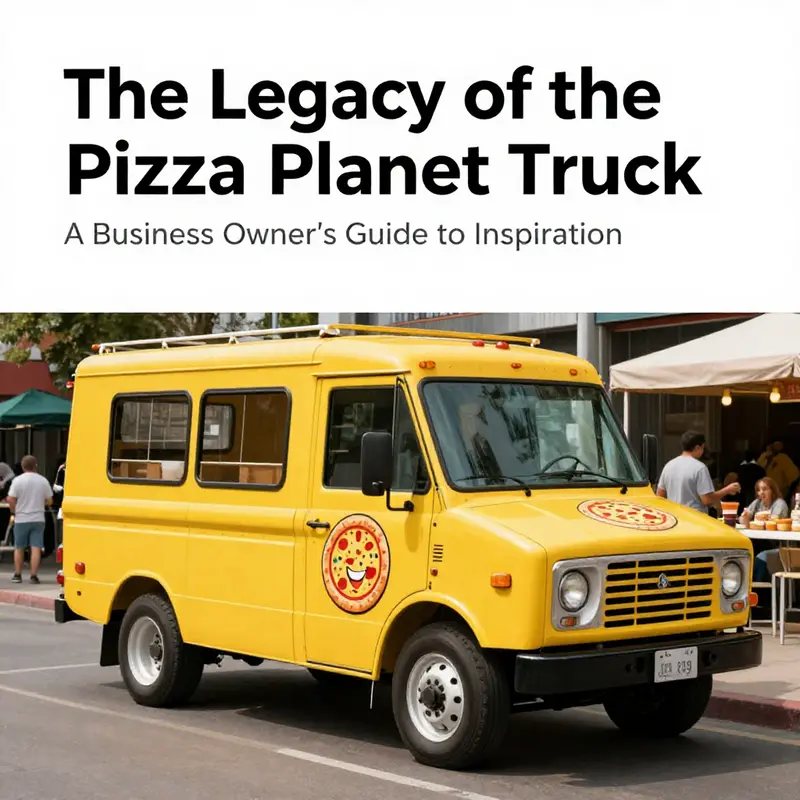
The Pizza Planet Truck travels more than a cinematic path; it travels through a shared imagination, a tiny bright beacon that returns again and again to the screen with a sly wink and a welcome smell of imagined pepperoni. Its design is not just a clever cartoon flourish; it is a compact, highly legible statement about purpose, mood, and the playful logic that underpins a universe where a simple food-delivery vehicle can become a recurring cultural touchstone. From its first appearance in Toy Story, the truck announced a world where whimsy rides on wheels, and in every subsequent film its silhouette, its color, and even its peculiar roof accessory invite a quick, familiar recognition that fans instantly understand. The design functions on multiple levels at once: it is visually arresting, narratively functional, and culturally resonant, a triad of characteristics that make the Pizza Planet Truck feel both real enough to touch and fantastical enough to belong to a broader mythos. The result is a vehicle that feels almost like a character in its own right, not because it speaks or moves with a precise character arc, but because it consistently signals a certain playful reliability—a delivery vehicle that arrives with a smile, even when the story is at its most unexpected or chaotic.
In looking closely at its exterior, the truck presents a design language that is instantly legible. The color palette leans into high-contrast warmth: bold yellows and reds that catch the eye in a crowd of moving images. The sides bear a large, stylized logo of a smiling pizza, a graphic that reads with cheerful unmistakability even in a quick frame or a distant shot. On the hood and front, a distinctive insignia—an oversized letterform or emblem—anchors the vehicle in the world of Pizza Planet with a compact nod to branding that feels both retro and timeless. The exterior echoes a retro-diner aesthetic, a nod to mid-century Americana that keeps the vehicle warm and accessible rather than sleek and clinical. This choice is deliberate. It signals that the truck is less a machine of high-stakes logistics and more a friendly, portable gathering point where a story can pause long enough for characters to trade a line, a glance, or a joke over a shared pie. The roof bears the truck’s most iconic embellishment: a rotating, oversized pizza wheel. It is not merely a gimmick but a visual shorthand for function and fantasy, a reminder that this is a traveling pizzeria and a vehicle of appetite as well as motion. The wheel turns in most frames, a kinetic emblem that anchors the truck in the memory of the audience as surely as the smell of warm crust anchors people to a real-world pizzeria.
The interior and its functional elements reveal a careful alignment between storytelling needs and model-making craft. The exterior radiates warmth; the interior is a microcosm of a working kitchen, or at least the illusion of one, scaled down to fit the cinematic frame. The design includes swiveling wheels that allow the truck to pivot with a playful spontaneity, a practical feature for a vehicle that appears in high-energy chase scenes and calm, reflective moments alike. The sliding side doors open to expose interior details that are more about character moments than about utility. They invite a viewer to imagine Woody or Buzz pausing to check an instruction card or glance at a stack of fresh pizzas, turning what could be a simple prop into a stage for tiny, intimate storytelling beats. The retractable rear window, when it appears, adds a moment of interaction—a viewer’s cue that the truck is more than a prop; it’s a living object within the world, capable of revealing secrets or offering a playful peek at the cargo beyond the ordinary. The cargo area becomes a treasure map of tiny, lovingly crafted elements: a stack of delivery pizzas, each with its own printed crust pattern and cheese texture, a compact instruction manual printed in a font that reads as both breezy and official, and whimsical accessories tucked beneath the floorboards or perched on shelves. A fish-shaped cup and a bottle tucked into a corner shelf demonstrate the attention to playful detail that fans have come to expect from Pixar’s world-building. These small props are not just filler; they function as visual shorthand for the truck’s personality and its place in the universe’s shared culture of humor and heart.
The design’s real-world echoes extend beyond the frame into a broader culture of toy lines, replicas, and fan-made models. A striking example is the LEGO Ideas rendition, which elevates the Pizza Planet Truck from a cinematic icon to a tangible, buildable artifact. The model, created by a passionate designer, captures the essence of the original with astonishing fidelity: removable pizza boxes, functional doors and windows, rotating wheels, and a cargo area brimming with authentic details. Hidden compartments and clever little touches—such as a fish-shaped cup and a bottle tucked under a floorboard—invite the builder to discover new surprises as they assemble the model. This bridging of screen and shelf is more than a tribute; it is a democratization of the design process, a chance for fans to inhabit, in their own living rooms, the same world that entertained them on the big screen. The LEGO tribute underscores a central truth about Pixar’s design philosophy: the most enduring objects in their films are the ones that reward repeated viewing, inviting viewers to notice something new with each encounter. The Pizza Planet Truck embodies that philosophy in a particularly satisfying way, turning a single vehicle into a recurring motif that rewards patience, curiosity, and care.
The chapter would feel incomplete without acknowledging the real-world design’s influence on how people imagine mobile food service. The pizza truck, in its cinematic form, borrows from the familiar language of concession trailers and diner-era delivery vehicles, translating that culture into a smaller, more friendly silhouette that can roam a story and a city with equal ease. Its compact size suits the logistical reality of crowded streets and tight urban corners, while its electric imagination—its “engine” of whimsy—ensures that the truck remains approachable and non-threatening, a vehicle that invites, rather than intimidates, the audience. Within the narrative world, this approach supports the sense that Pizza Planet is a place of communal joy, a neighborhood hub that travels to where its customers need it, even if the delivery is only a moment in a larger adventure. In real life, this design sensibility informs how builders and restaurateurs think about portable food experiences: the goal is not to shout above the city noise but to offer something inviting, easy to share, and memorable enough to become a talking point long after the food is gone.
Fans recognize the truck most keenly through its role as an Easter egg—a small, affectionate nod that ties disparate stories together without forcing a plot thread. Across Toy Story, Cars, Inside Out, Up, Finding Dory, and beyond, the Pizza Planet Truck appears as a signal that the Pixar cosmos is a connected tapestry, where a single design cue can register across genres and formats with delight. This recurring presence is not accidental; it is a deliberate design strategy that rewards attentive viewing. The appearance of the truck in different films functions as a playful promise to audiences: the world is bigger and friendlier than any single story, and the same cheerful vehicle can show up in a different city, a new race, or a memory sequence with equal grace. It is this sense of continuity—than which few visual motifs in modern animation can boast—that elevates the truck from mere prop to a symbol of Pixar’s shared universe. The cultural resonance extends beyond the screen as well. Fans begin to collect, reference, and recreate the truck in fan art, cosplay, and crafts, and the LEGO version becomes a bridge between cinematic memory and tactile craft, a way to explore the design’s form and function in ways the studio could only hint at on screen.
For readers curious about how this design translates into a broader discourse on mobile food design—while staying within the cinematic and fan-driven frame—the Pizza Planet Truck offers a striking case study. It demonstrates how a simple vehicle can sustain a long-term narrative presence by balancing visual appeal with a sense of service and warmth. The rotating pizza wheel, the smile on the logo, the candy-colored palette, and the careful attention to doorways, cargo spaces, and hidden details together create a compact, versatile artifact that remains legible across multiple media and audiences. It is, in effect, a tiny, portable emblem of a world where food and friendship travel hand in hand, a reminder that even in stories driven by high-stakes action, there is always room for a warm, communal bite. The truck’s design—both in its cinematic execution and in its real-world reverberations—offers a blueprint for how to build objects in fiction that endure, invite exploration, and ultimately become part of a collective memory.
As this exploration of its design and features closes, the Pizza Planet Truck stands as more than a prop or a joke. It is a compact ambassador for a particular kind of storytelling—one where form supports function, and function supports feeling. The visuals provide orientation in a universe that can otherwise feel sprawling, while the small details invite fans to linger, to lean in, and to discover something new with every rewatch. The health of the design is measured not just by how striking it looks, but by how easy it is to imagine a kid climbing into its cab and ordering a slice, or a reviewer pausing mid-scene to study the tiny manual tucked beside the pizza stack. In that sense, the Pizza Planet Truck remains a quintessentially Pixar invention: a vehicle that travels across time and film with a steady, cheerful gait, a symbol of hospitality on the road, and a reminder that a well-crafted prop can outlive its original scene to become a beloved landmark in a shared cultural landscape. For readers seeking a concise portrait of the broader cinematic footprint of the truck, see the dedicated coverage in the Pizza Planet Truck Pixar Movies page.
External resource: LEGO Ideas – Pixar’s Pizza Planet Truck (https://ideas.lego.com/projects/28b7f8e8-4c5d-4d6b-9a6c-8d7f2a3c1b4d)
Internal reference: For a broader look at the ongoing appearances of the truck across Pixar’s films, visit Pizza Planet Truck Pixar Movies.
The Yellow Courier Across Pixar’s World: Tracing the Pizza Planet Truck from Toy Story to Elemental
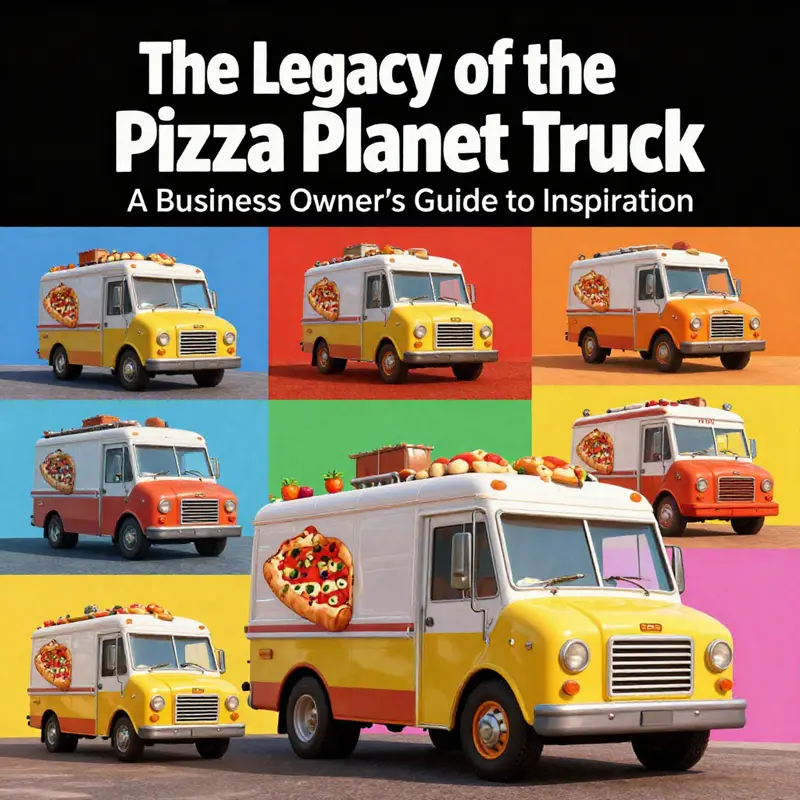
In the vast web of Pixar’s storytelling, there is a tiny, yellow beacon that travels through doors, deserts, and dreamscapes without ever needing a passport. The Pizza Planet Truck began as a simple delivery vehicle in Toy Story, a bright, cartoonish yellow pickup with a retro edge and a logo that looks both friendly and game-show bold. Yet it grew beyond the confines of its original scene to become a recurring Easter egg, a wink of continuity that invites audiences to connect disparate stories into one shared universe. What starts as the commerce of a fictional pizzeria soon evolves into a symbol of Pixar’s world-building nerve: the idea that every character, every prop, every city park and alley can belong to the same cinematic neighborhood if you only know where to look. The truck’s visual charm—its oversized pizza logo, its rounded, almost toy-like proportions, and its cargo bed stacked with boxes—reads at first like a prop for a quick gag. Yet the truck’s cadence, texture, and occasional rust punctuate a deeper design philosophy: a universe that rewards repeat viewing, where a single vehicle can become a thread running through decades of animation. The design itself is a careful balancing act between nostalgia and invention. It borrows from 1970s–80s American diner culture, yet it’s rendered with a modern gloss that makes it unmistakably Pixar. The truck feels both familiar and slightly exaggerated, the way a cartoon might push a real object to the edge of feasibility so that it remains legible in motion and on screen. The large, smiling pizza logo is more than decoration; it is a living character in its own right—an emblem of hospitality and appetite that embodies the playful spirit of Pizza Planet as a fictional brand and as a narrative device. In every frame, the truck’s silhouette tells a story: it is a mobile pizzeria, a roving hub of sustenance and possibility, a small business on wheels that somehow outgrows its own function to become a symbol of adventure and belonging. It’s hard to separate the toy-like whimsy of the vehicle from the sense that, in Pixar’s world, even a delivery run can become a doorway to a larger plot. This is part of what makes the truck so durable as an Easter egg. Its appearance is never forced; it arrives as if it belongs to the landscape long before you notice it, tucked into a background cityscape, parked near a storefront, or rolling by in a quick cut that feels like a friendly cameo rather than a contrived nod. The effect is cumulative: the more films you watch, the more you begin to expect this yellow courier to pop into a frame, almost like a shared memory among fans who have spent long afternoons chasing tiny, bright details through the filmography. The truck’s first appearance in Toy Story establishes the tone. In that 1995 release, Woody and Buzz encounter the vehicle as a doorway to a larger social world—the world of human commerce, road trips, and the everyday magic of a kid’s imagination. The truck’s cargo bed is a tell: a neatly stacked array of pizza boxes that signals not just appetite but a sense of bustling, cheerful service. The crew behind the camera uses the truck to illustrate a community that thrives on interaction—humor, hunger, drive, and the possibility that a simple meal can spark a friendship between toys and their human caretakers. What follows is a slow consolidation of the truck’s status as a quietly persistent traveler through the Pixar canon. The vehicle reappears in A Bug’s Life, where it blends with a landscape of ants and mischief, as if to remind viewers that giant and tiny scales can share a world and a joke. It then resurfaces in Toy Story 2, not just as a prop but as a focal point in an arcade scene where toys once again confront the ordinary world as it blurs into a realm of play and possibility. The progression from a mere backdrop to a recurring motif mirrors Pixar’s own growing confidence about weaving a cohesive tapestry of stories: a universe where a single object can anchor a dozen adventures, dignified by reuse and recontextualization rather than a single-use gag. The truck’s presence becomes even more nuanced with the character Todd in Cars, where it crosses into the realm of vehicle personification and participation in events such as the Radiator Springs Grand Prix. This shift—turning a delivery vehicle into a participant in race culture—illustrates Pixar’s facility with transforming function into personality, a move that lets even a familiar prop acquire fresh texture in a new narrative frame. In Toy Story 3 and Toy Story 4, the truck continues to insinuate itself into the fabric of the stories, occasionally appearing in cameos that delight attentive viewers. A notable moment is the quiet, almost jokelike image in Toy Story 4 of a man exiting a restroom with a tattoo of the Pizza Planet Truck—a cue both playful and affectionate, a reminder that the character’s presence can travel offscreen into popular culture in ways that feel organic rather than manufactured. Across the broader Pixar mosaic, the truck’s appearances tend to be restrained rather than showy. It shows up in memory sequences in Inside Out, in background cityscapes in Up, and even in passing in Finding Dory. The frequency is a kind of signature. It invites a habit of looking, a reward for fans who train their eyes to notice the familiar yellow frame in a sea of animation. When Elemental arrived, Pixar offered a subtle but provocative pivot: the Pizza Planet Truck was reimagined as a boat in a water-based setting, marking the first explicit departure from its landbound tradition. This transformation was not just a gimmick but a demonstration of the studio’s willingness to bend a beloved icon into new shapes while preserving the core mood of whimsy and practicality that the truck embodies. The boat version still signals delivery and mobility, but now it travels through liquid cities, suggesting that the same instinct can translate across environments and even physics. The evolution mirrors the studio’s broader appetite for experimentation, a reminder that even well-worn symbols have room to stretch into something unexpected without losing their identity. The scholarly and fan communities have kept the Pizza Planet Truck alive not only through onscreen appearances but through other media, such as the Disney+ universe of short films that emphasize the interconnectedness of Pixar’s worlds. The truck’s omnipresence has created a form of narrative Easter egg—a game of recognition that invites long-term viewers to feel a sense of belonging to a studio’s extended family. In the conversation about real-world echoes, the truck’s lineage leans toward a nostalgic portrait of American roadside culture. Its design reflects a fusion of diner-era charm and a modernized, video-game-like silhouette, a hybrid that makes it instantly legible when it zips across a frame. Fans often recall the image not as a single gag but as a reminder that many stories in Pixar’s canon share a common currency: the charm of the everyday, elevated by imagination. Beyond cinema, the truck’s resonance spills into fan-made and fan-friendlier arenas. A dedicated construction-toy project—developed by a passionate community member and later gaining significant popularity—reimagines the Pizza Planet Truck in a scale and with features that echo its film presence. The set invites builders to dismantle and reconstruct a world on their own terms: removable pizza boxes, doors and windows that actually function, rotating wheels, and hidden details like a fish-shaped cup and a bottle tucked inside the cab. It also provides a modular cargo section with accessories that recreate the sense of busyness and whimsy that defines the truck’s cinematic mood. This particular interpretation foregrounds the craft of world-building and the joy of collecting: it turns a cinematic icon into a tangible artifact that fans can assemble, appreciate, and show off in their displays. While it sits apart from the official studio productions, the project embodies the same spirit that animates Pixar’s films: a dedication to detail, to play, and to the idea that a single prop can invite endless storytelling. For those who crave a direct through-line through the franchise, the truck’s appearances across films offer a clear map of how interconnected narratives can be. It acts as a quiet thread that ties scenes together, a reminder that the world people inhabit on screen is larger than any single plotline. Its presence encourages viewers to revisit films with fresh eyes, spotting the logo, the color palette, and the rounded, almost toy-like shapes that mark this yellow courier as a fixture of the studio’s imaginative landscape. If you want to explore the truck’s career across the Pixar catalog more exhaustively, a consolidated guide to its appearances offers a compact lantern for fans navigating the studio’s sprawling filmography. For a consolidated guide to its appearances in the Pixar universe, see the pizza-planet-truck-pixar-movies hub. https://truckpizza.net/blog/pizza-planet-truck-pixar-movies/. The hub serves as a useful companion to the movies themselves, a way to track the truck’s quiet ascendance as a symbol of shared imagination across generations. The enduring appeal of the Pizza Planet Truck lies not just in its color or its logo, but in its dual role as both product and emblem: a real-world shorthand for the studio’s values—playful curiosity, willingness to cross borders between genres, and a belief that even the smallest prop can spark big stories. In the end, the yellow courier embodies a playful seriousness: it is a reminder that cinema, at its best, is a tapestry of little details that accumulate into a larger, more luminous whole. External references offer fan-verified threads of information that enrich this perception, pointing to the truck as a living artifact with a life beyond the screen. For further exploration of its cinematic footprint, readers can consult comprehensive fan-curated resources that chronicle its appearances and interpretations across the Pixar canon. See also a detailed entry that documents the truck’s broader history and its various on-screen incarnations. http://disney.fandom.com/wiki/PizzaPlanetTruck
Tracking a Yellow Icon: The Cultural Impact of the Pizza Planet Truck Across Pixar and Beyond
From its bright yellow cab to the stacked pizza boxes slotted in the cargo bed, the Pizza Planet Truck transcends its role as a mere delivery vehicle. It arrives in a single frame and stays in the memory long after the credits roll. This chapter follows how a retro, cartoonish pick-up became a cultural touchstone inside and outside the films, turning what could have been a simple product placement into a symbolic thread weaving together decades of animation and fan storytelling. The truck’s first appearance in Toy Story (1995) is not just a plot beat; it is a deliberate invitation to audiences to notice, search, and connect. Woody and Buzz orbit the lot of Pizza Planet, and in that orbit, the audience discovers a recurring gag that would quietly grow into one of Pixar’s most endearing meta-jokes: the idea that the studio thinks about its own universe as a shared city with familiar landmarks. The truck’s design reinforces this sense of place. The bold, almosthyperreal yellow exterior—the kind of color that stops a viewer mid-frame—reads as a friendly beacon. The truck’s lines are simple, almost without shadow, a stylized nod to the era of gas stations and diners when road travel was a ritual rather than a commute. Its large pizza logo, a sunlike smile with a face, sits prominently on the sides and roof, turning the vehicle into a moving signboard of hospitality. The cargo bed, often full of boxes and odds and ends, functions as a portable stage where the story can pivot on a whim. The truck is neither hero nor prop; it is a mobile reminder that in a world of talking toys and fantastical landscapes, ordinary commerce remains a comforting constant. The effect is subtle yet powerful: the truck humanizes the Pixar universe by anchoring it to a familiar, everyday mechanism—the delivery truck—that people see in the world beyond cinema. In Toy Story, the truck is a gateway to the sense that toys themselves inhabit a larger society with its own rhythms, where meals, errands, and social rituals still occur on a human scale. The design language of the truck—bright color, rounded edges, and a harmlessly oversized logo—evokes a specific nostalgic memory of American roadside culture. This is not accidental. The 1970s–80s diner aesthetic carries a sort of cinematic nostalgia that Pixar leans on to signal warmth, reliability, and a shared cultural vocabulary. The truck becomes a visual shorthand for a world that both children and adults recognize, a world where a detour for pizza can become a doorway to adventure. Over the years, the truck reappears in different forms, with each cameo fine-tuning its symbolic function. In Cars, the truck emerges as a character named Todd, a reminder that in the Pixar universe vehicles can have social lives and ambitions beyond their immediate tasks. The adoption of the truck as a recurring figure across films reinforces the sense of a single, interconnected cosmos. The playful continuity invites fans to become active participants rather than passive observers. It births a scavenger-hunt mindset: spotting the truck in a distant frame becomes a moment of shared literacy about the studio’s broader storytelling map. This dynamic is not merely about recognition; it cultivates a sort of communal nostalgia that fans carry beyond the cinema. The appeal lies in how the truck travels through different tones and genres—Toy Story’s warm comedy, Cars’ automotive world, Inside Out’s memory fragments, and even the emotional textures of Up and Finding Dory—without losing its essential identity. The same yellow beacon appears in a memory sequence or as a background detail, offering a quiet thread of continuity that fans can trace across disparate narratives. The result is a gentle amplification of Pixar’s larger project: to craft a universe that rewards repeat viewing, invites conversation, and sustains a sense of belonging among a global audience. The Pizza Planet Truck becomes a visual motif, a signpost that says, in effect, the universe is larger than any single story and more cohesive because it keeps returning to a shared, almost domestic icon. This is where the truck’s cultural impact extends beyond screen time into real-world engagement. The design’s retro sensibility resonates with broader cultural currents: appreciation for retro-futurism, affection for mid-to-late-20th-century American roadside imagery, and a sentimental longing for a simpler era of travel and meals on the go. The truck embodies a playful homage to American diner and road-trip culture, while simultaneously hinting at a more universal truth: that food, movement, and hospitality travel with us, eager to intersect with our favorite characters at unexpected moments. Pixar’s intentional use of the truck across films invites fans to consider how a single artifact can function as a connective tissue, linking stories through shared iconography. The phenomenon extends beyond the silver screen and into fan communities that actively search for the truck’s silhouettes in posters, animation studies, and fan art. The truck’s presence invites a broader reflection on how media franchises cultivate a sense of continuity that fans can participate in, interpret, and remix. As cultural artifacts, these motifs become touchpoints for collective memory, a way for audiences to speak a common visual language across generations. The Pizza Planet Truck also prompts reflection on how design choices echo broader American culture while remaining accessible to audiences worldwide. Its bright palette and emblematic logo are legible even to viewers who do not speak English, or who encounter these films in translation. That universality helps explain why the truck’s allure has endured as new Pixar titles emerge. It is not simply an in-joke; it is a small but potent bridge between film lore and the everyday experience of watching, rewatching, and discovering something new in a familiar frame. The cultural ripple effects extend even further when the truck appears in other media-adjacent realms. A fan-driven object or model inspired by the truck found a broader audience in 2025, becoming a touchstone for hobbyists and collectors who want to celebrate the cinematic legacy in tangible form. Without naming brands, the rise of a brick-based interpretive set demonstrates how the truck can migrate from screen to workshop, from memory to craft, and from private delight to communal display. The idea that a vehicle from a cartoon world can permeate real-world making speaks to the resilience of Pixar’s world-building philosophy: that details matter, that continuity matters, and that fans prefer a universe in which even a transient prop can spark lasting creativity. In this sense, the Pizza Planet Truck is less a prop than a cultural instrument—a quiet ambassador of shared experience that travels quietly through films, across fan spaces, and into people’s hands as a model, a drawing, or a conversation starter. Its enduring appeal rests on the simplicity of its premise: a cheerful delivery truck that shows up, delivers warmth, and then disappears back into the story, only to reappear later with a new twist or a new setting. The effect is a cumulative one. Each appearance adds a layer to a growing tapestry that rewards careful viewing and generous imagination. The truck’s legacy, then, is not just about nostalgia; it’s about the ongoing capacity of animation to create a living, pliable shared history. It invites audiences to imagine what else in the Pixar universe might be hiding in plain sight, ready to be rediscovered in a moment of quiet recognition. For readers who want to explore more about how this icon travels through the films, the following resource provides a consolidated look at the truck’s appearances and significance across the Pixar canon: Pizza Planet Truck in Pixar Movies. For a broader sense of the truck’s place in the studio’s storytelling philosophy and fan culture, see the linked external reference that grounds these observations in community-driven discovery and canonical notes. External reference: https://disney.fandom.com/wiki/PizzaPlanetTruck
Roadside Reverie: The Real-World Sparks That Shaped the Pizza Planet Truck
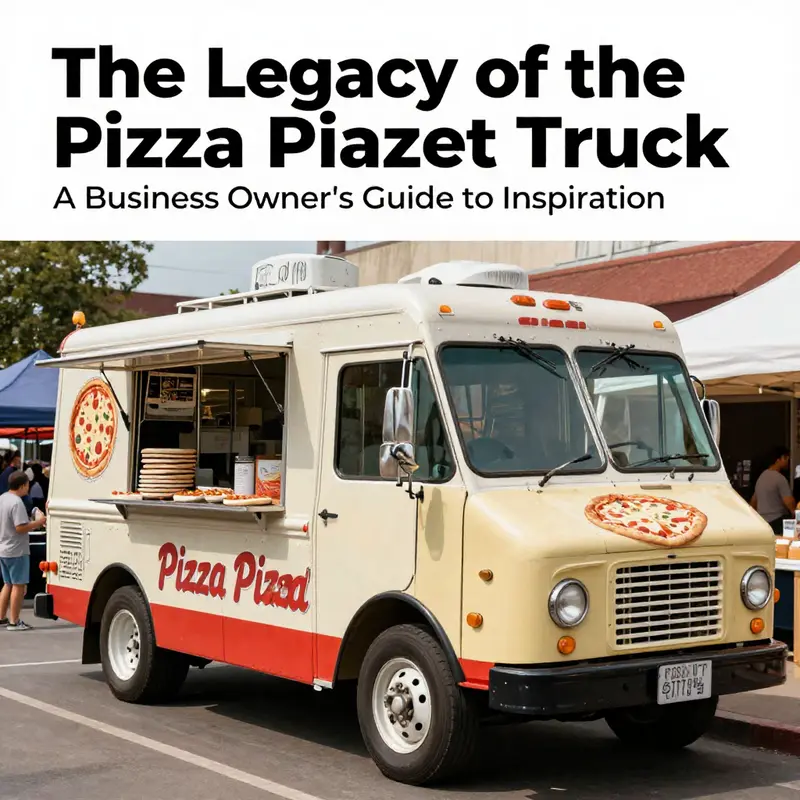
The pizza planet truck stands on screen like a beacon you might stumble upon on a long highway: a bright yellow reminder that transport and appetite can share a stage, become characters, and invite play. Yet the charm of this vehicle isn’t merely its color or its goofy, oversized logo. It is the way it borrows from the tangible world and folds that memory into a living, moving icon within a fantasy universe. In the real world, roadside food vendors and mobile pizzerias have long used color, scale, and signage to convert a curb into a storefront and a street into a story. Pixar designers captured that same impulse and amplified it so that the truck feels both familiar and irresistibly cinematic. The result is a vehicle that reads at a glance as a delivery workhorse, yet when you look closer, it brims with the whimsy that defines the entire Pixar toybox of worlds. The truck’s look telegraphs reliability and joy at once, and that balance is no accident. The yellow body, the rounded fenders, the smiling pizza logo—these elements all signal, in a kid-friendly shorthand, that the truck is here to bring warmth, comfort, and a little magic to the everyday act of feeding a family on the go. It’s not just a conveyance; it’s a stage prop for memory and possibility, a rolling invitation to imagine a world where a simple pizza can spark a shared adventure.
That invitation starts with color psychology and design language that hews closely to mid-century American visual culture. The palette—bold, sunny yellow contrasted with warm red accents—reads immediately as cheerful and approachable. The oversized logo, a cartoonish pizza with a friendly face, is not just a brand mark but a beacon that can be spotted from a distance or from the backseat of a toy car. The logo’s scale feels playful and a touch theatrical, a reminder that in Pixar’s universe, even mundane objects can become characters with personalities and quirks. The truck’s silhouette reinforces this notion: it has the silhouette of a practical delivery vehicle, yet the proportions are gently exaggerated. The cab is compact in a way that suggests nimbleness, while the cargo bed appears ready to ferry an entire day’s worth of warmth and sustenance. In short, the vehicle reads as approachable, reliable, and a little bit mischievous—the exact blend that makes it feel like a friend you’d cheer for on screen and a familiar sight you might pass in real life.
The design echoes a lineage of mobile eateries that thrived in the late 20th century. During those decades, portions of the American landscape were dotted with bright vans and compact trucks that carried hot pies straight to neighborhoods and events. These mobile pizzerias relied on visibility as much as velocity: bold signage, high contrast color schemes, and simple, legible typography that could capture the eye in a passing car or from a distant storefront across a parking lot. The Pizza Planet Truck borrows that playbook but pushes it through a Pixar filter—pushing the scale of the sign, softening the edges of the body, and imbuing the design with a sense of story. The result is not a literal replica of any one real-world vehicle but a tribute to a broader tradition where food and travel fuse into spectacle. In this sense, the truck becomes a kind of moving billboard for comfort and communal appetite, a portable ritual that says: pie is more than sustenance; it’s a shared experience across a hundred small moments on the road.
But the influence runs deeper than color and chrome. The concept of a mobile pizzeria—an engine-driven venue that can appear at a schoolyard, a movie set, or a suburban cul-de-sac—embodies a particular dream of convenience fused with performance. The pizza van in its most recognizable form promises a quick escape from cooking, a chance to gather, and a reason to linger near the glow of neon and the waft of baked crust. Pixar’s truck embodies that dream with a gentle satire of speed and efficiency. It carries the idea that delivery can be a performance—windows down, radio on, a friendly wave to a passing kid—while also grounding the image in something tactile: a cargo bay full of boxes, a truck bed that suggests real work, and a driver who could be any neighbor you’ve ever known. The everyday act of feeding a neighborhood becomes a portal to a larger, cinematic sense of belonging.
Among the most telling connections between the real world and the on-screen vehicle is the way the truck sits at the intersection of function and fantasy. It looks capable of moving briskly, yet it also looks like it could stop at any moment for a quick joke or a shared smile. That duality—the practical and the fantastical—speaks to Pixar’s broader storytelling goal: to make objects feel lived-in, to invite viewers to imagine the smaller stories that orbit a familiar object. The Pizza Planet Truck is a perfect microcosm of this approach. Its exterior tells you what it is and what it does; its interior, hinted by the cargo bed and the cab, suggests a life of travel, of errands completed, of pies transported, of a world where the road can be a place to commune. This is not a single gadget but a narrative device, a vehicle that invites you to fill in the gaps with your own memories and daydreams.
The legacy of that design choice carried forward into both the broader Pixar ecosystem and the fan imagination that blossomed around it. Over the years, audiences learned to search for the truck in the background of a new film, to spot its familiar badge on a different horizon, to decode the joke of its presence in a scene that otherwise seems ordinary. In that way, the Pizza Planet Truck became a thread tying together a sprawling, interconnected universe. It is the kind of Easter egg that rewards rewatching, turning each appearance into a little celebration of cinematic world-building. The truck’s continuing presence—whether it appears as a literal delivery vehicle, a background cameo, or a decorative motif on a character’s clothing—feeds a sense of shared culture among fans. It becomes a mnemonic, a shorthand marker that says: this is a world where play and memory are never far apart, where the road is a canvas for stories worth remembering.
As a cultural artifact, the truck also finds resonance beyond the screen through real-world projects that celebrate its design heritage. A fan-driven build—an ambitious, buildable homage that captured the truck’s essence—sparked conversations about how tactile models can translate digital iconography into tangible play. Such communal efforts culminated in a broader opportunity for collectors and families to engage with the figure on a different plane, blurring lines between cinema, toymaking, and the everyday act of assembling something with hands and patience. The story of the Pizza Planet Truck, then, is a story about cross-pollination: from real roadside imagination to animated fantasy, back again into a hands-on, shared pastime. It is a reminder that in the world of movie magic, the distinction between a movie prop and a real-world object can be delightfully thin, and that thin line is precisely where memory, culture, and creativity coexist.
If you follow the thread of its influence, you’ll notice how the truck’s design continues to inspire people to look for the small details—the shapes that read as reliable yet playful, the way a logo can carry a mood as much as a message, and the sense that a vehicle on a screen can feel as much like a neighbor as a character in a scene. For a closer look at the way the Pizza Planet Truck leaves its imprint across the Pixar catalog, you can explore its appearances in Pixar movies here. Pizza Planet Truck in Pixar Movies
In the end, the Pizza Planet Truck is more than a bright yellow delivery van with a large pizza logo. It is a compact history of American road culture refracted through a joyful, optimistic lens. It is a reminder that the road can be both a route and a stage, a place to meet friends, to share a slice, and to imagine a little further down the highway. Its real-world analogs—the mobile pizzerias, the candy-colored service vans, the roadside attractions that once dotted highways and shopping center corridors—offer a cultural map that helps explain why the truck lands so warmly in the hearts of audiences. The design choices—color, scale, signage, and a logo that reads instantly from a distance—are the kind of small, thoughtful decisions that accumulate into a lasting icon. The Pizza Planet Truck invites viewers to reconstruct a familiar moment: a kid, a crust, and the sense that the world is a place where imagination and appetite travel side by side. And that invitation remains as relevant today as it was when Toy Story first rolled onto the screen, a testament to the power of design to turn everyday objects into enduring symbols of wonder.
External resource: For a broader look at how real-world mobile food concepts have evolved in parallel with cinematic icons, see https://www.foodtrucks.com/pizza-truck-specs
From Screen to Shelf: The Pizza Planet Truck as Merchandise and LEGO Icon
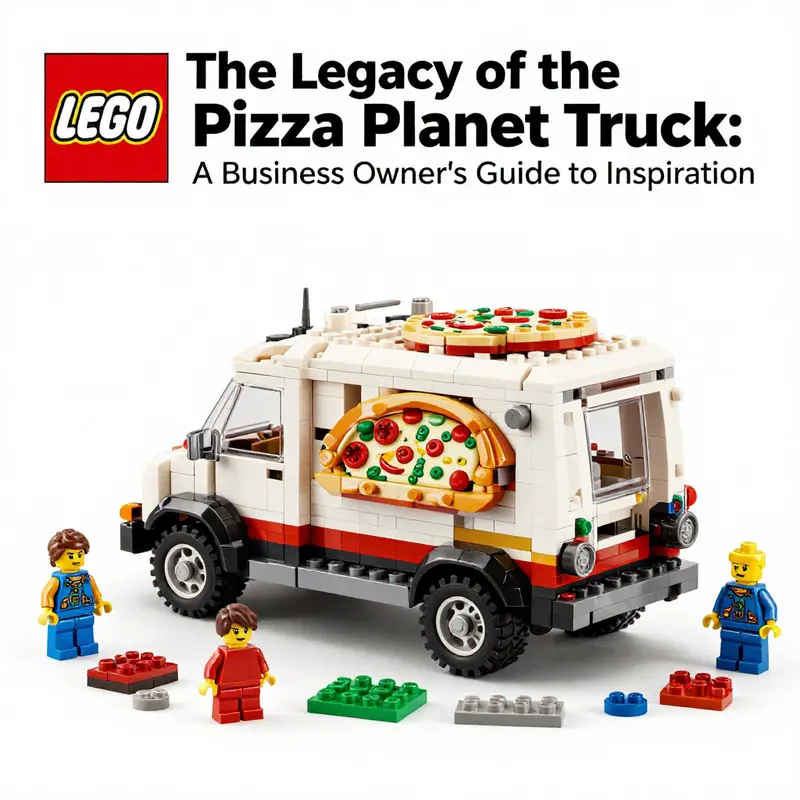
In the pantheon of Pixar’s recurring gag characters, the Pizza Planet Truck stands out not just as a whimsical delivery vehicle but as a cultural touchstone that bridges cinema and the many ways fans engage with it beyond the theater. At first glance, the truck is a bright yellow, retro-inspired pickup with rounded edges and a slightly cartoonish presence that somehow feels both familiar and fantastical. Its logo—a smiling pizza that seems almost alive—signals a playful promise: this is a place where meals and adventures intersect, where a hungry crew can chase a little extraterrestrial mischief and, in turn, spark imagination about what ordinary objects might become when charged with story. Over the years, this simple vehicle has sauntered through the Pixar universe like a familiar street corner, offering a sense of continuity that invites fans to notice details, search for Easter eggs, and dream about what tiny worlds lie tucked inside a single, well-placed prop.
The pathway from screen to shelf for the Pizza Planet Truck is a reminder of how design details matter in animation. The truck’s silhouette, the generous surface area that hosts the oversized pizza logo, and the open cargo bed brimming with pizza boxes all read as a visual shorthand for a tiny cosmos—one that makes a restaurant feel like a hub of possibility. Its color palette, the gleam of chrome accents, and the slightly exaggerated proportions all contribute to a vehicle that feels both retro and timeless, a nod to old diner culture while living vividly in a future-forward, animated world. This tactile appeal is not accidental. It invites fans to connect with the visual language of the films on a level that is intimate and accessible, a reason why the truck has endured as a beloved motif across multiple installments of the Pixar canon.
As merchandise and fan-driven projects have shown, the Pizza Planet Truck translates well beyond the screen because it embodies a particular mood: the comfort of a road trip, the spontaneity of a quick stop for a slice, and the sense that stories can travel through place as much as through characters. The truck becomes a portable emblem of the franchise’s connective tissue, a reminder that a single prop can thread across films, moments, and even fan communities. When fans encounter the truck in new contexts—whether in an arcade scene, a quick background shot, or a cameo in a distant city—the sense of continuity grows stronger. It is not merely a toy or a collectible; it is a touchstone that invites people to rethink how a cinematic object can become a cultural artifact, a piece of a shared memory that travels from movie theater to classroom, from conversation to creative project.
Within the realm of merchandise, a high-fidelity LEGO interpretation of the Pizza Planet Truck stands as a particularly vivid example of how the character’s world is reconstructed in brick form. The construction of this brick-built version aims to honor the essence of the vehicle: the signature yellow body, the bold logo, and the sense that the truck is ready to roll into a new adventure. This isn’t a mere replica but a designed experience that invites builders to engage with the same playful engineering mindset that animators apply to scenes. The set emphasizes interactivity as a core value: doors that actually open, a hood that reveals a hidden function related to the pizza motif, and a cleverly designed cargo area that stores tiny, removable pizza boxes. The result is a miniature stage where imagination can improvise alongside the hardware, a faithful homage that rewards careful attention to line, shape, and proportion.
In the LEGO-inspired approach, the Pizza Planet Truck becomes a playground for discovery. The vehicle’s exterior is a study in how to capture the charm of a cartoon vehicle within the constraints of bricks and studs. The bright yellow body is not merely a color choice; it is a beacon that draws the eye and signals the truck’s role as a cheerful, dependable courier of joy and mischief. The logo, iconic in its own right, is reinterpreted through tilework and printed elements that can withstand close inspection, allowing fans to appreciate the artistry even when the set sits on a shelf rather than on a screen. The interior details—the order of pizza boxes, the cab’s layout, and the way the doors open to reveal hidden depths—encourage a sense of narrative immersion: a scene in which someone just pulled up, grabbed a slice, and prepared for the next step in an ongoing adventure. The set’s design philosophy mirrors Pixar’s storytelling ethos: give the audience enough texture to spark curiosity, while leaving room for imagination to fill the rest.
Beyond the bricks, the Pizza Planet Truck has inspired a spectrum of licensed and fan-driven merchandise that extends the character’s reach into daily life. Collectors and casual fans alike pursue a spectrum of items that translate the truck’s energy into tactile experiences: small-scale replicas, lights-and-sounds toy versions that replicate the bright storefront glow of the logo when activated, and display pieces that celebrate the vehicle as part of a larger Toy Story ecosystem. These items do more than decorate a shelf; they invite play, display, and conversation. The sense that a beloved vehicle can be both a toy and a conversation piece—an artifact of childhood wonder and a symbol of shared movie-time rituals—helps explain why the Pizza Planet Truck has earned a permanent spot in fan culture.
As a cultural artifact, the vehicle’s merchandise also carries a subtle social function. It acts as a bridge between generations: older fans who first encountered the truck in their own childhoods can share the magic with younger viewers who discover it in newer films or in a brick-built revival. The hardware of the LEGO model and the tactile joy of a lights-and-sounds toy become gateways to discussion about design, memory, and the ways in which a fictional world invites collaboration between fans and creators. The truck’s enduring presence in the Pixar universe invites new layers of interpretation with every appearance, and that interpretive space becomes a fertile ground for physical interpretations in the form of models, kits, and small-scale recreations that animate living rooms and classrooms alike.
One notable thread in the merchandise conversation is the story of a fan-driven leap from hobbyist to officially recognized project. In a moment that embodies the participatory mindset of modern fandom, a community member’s build—an homage to the Pizza Planet Truck—captured wide attention and sparked a broader conversation about what it means for a fan concept to reach a larger audience. The result is a tangible reminder that the Pixar universe thrives through collaboration: between animators and audiences, between filmmakers and collectors, and between the original screen object and the many ways it can be reimagined in the hands of fans. This exchange keeps the character vibrant, ensuring that the truck continues to roll forward in popular imagination, long after its earliest scene-setting appearance.
For those who wish to trace the broader thread of this merchandising journey, the story often circles back to the films where the truck first appeared and to the many moments it has quietly inhabited since. The idea of a mobile pizzeria—an emblem of convenience, whimsy, and shared meals—translates fluidly into products that encourage hands-on exploration and display. The truck’s graphic symbols, its cheerful color palette, and the notion of a compact, road-worthy engine of storytelling all resonate with fans who seek to bring a piece of that toy-box universe into their daily life. In this sense, merchandise becomes more than memorabilia; it becomes a reminder that stories can be tangible, portable, and personal, traveling from the cinema into the room where you gather, reminisce, and imagine the next leg of the journey.
For readers who want to dig deeper into the interwoven path of the Pizza Planet Truck through Pixar cinema and beyond, a related exploration can be found in discussions about the ongoing appearances of the truck across the films. This resource highlights how the truck’s presence has persisted as a connective thread across multiple installments, underscoring the actor-like role it plays in a vast, interconnected narrative universe. As fans continue to collect, build, and display, the Pizza Planet Truck remains a beacon of playful design and communal memory—a small yellow vehicle with a big story, now living as merchandise, a LEGO icon, and a shared artifact of imaginative play that travels across generations.
External reference: https://www.amazon.com/LEGO-Toy-Story-Pizza-Planet-Truck/dp/B01N4Q6K2D
Internal note: For a broader look at how the Pizza Planet Truck weaves through the Pixar canon, see the related discussion here: Pizza Planet Truck in Pixar Movies.
Final thoughts
The Pizza Planet Truck stands as a testament to Pixar’s innovative storytelling, combining creative design with cultural significance. For business owners, it serves as an inspiring model for developing a unique brand identity—one that resonates with audiences through storytelling, visual appeal, and connection to nostalgia. By understanding the multifaceted layers of the Pizza Planet Truck—from its whimsical design to its profound impact on viewers—business owners can draw valuable lessons on how to stand out in a crowded marketplace. Embrace creativity, leverage your brand’s narrative, and let the spirit of the Pizza Planet Truck guide you in your quest to cultivate a successful food business.
