
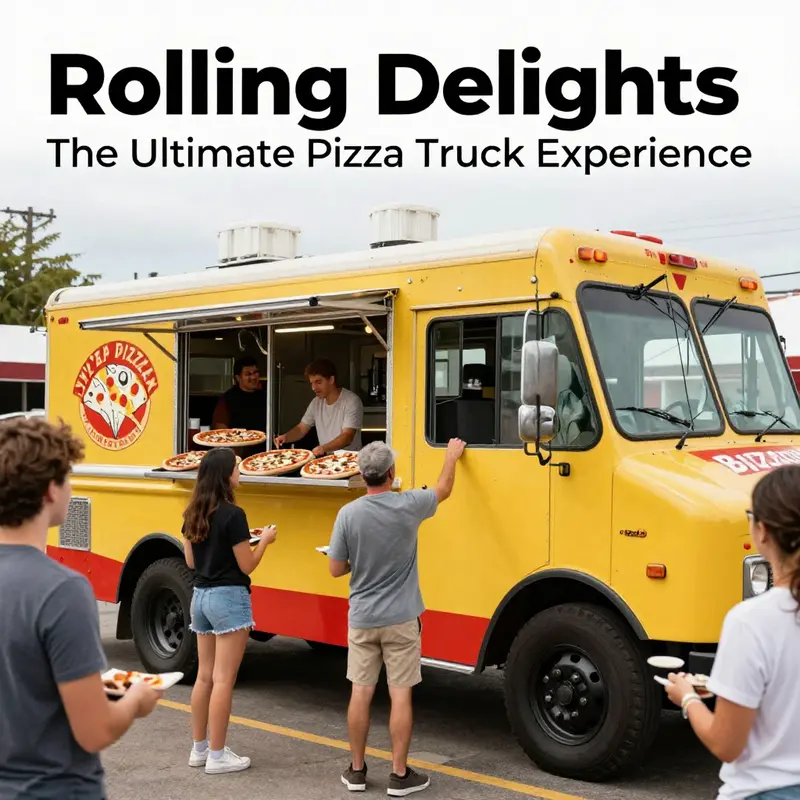
Pizza trucks have transformed the culinary landscape, marrying convenience with delectable flavors. Much more than just mobile food vendors, they conjure an experience that tantalizes the taste buds of pizza lovers everywhere. Whether it’s at a local festival, a corporate event, or simply a mid-week craving, these rolling kitchens make fresh, flavorful pizza accessible to all. In the chapters that follow, we will delve into the operational aspects that keep these trucks rolling, the exciting investment opportunities for aspiring entrepreneurs, the allure of wood-fired pizza equipment configurations, and how contemporary culture has embraced pizza trucks, even in gaming. Each segment will shed light on the multifaceted world of pizza trucks, appealing to enthusiasts, event planners, and future operators alike.
Rolling Kitchens on the Move: The Hidden Thread Weaving Ovens, Trucks, and Customer Experience
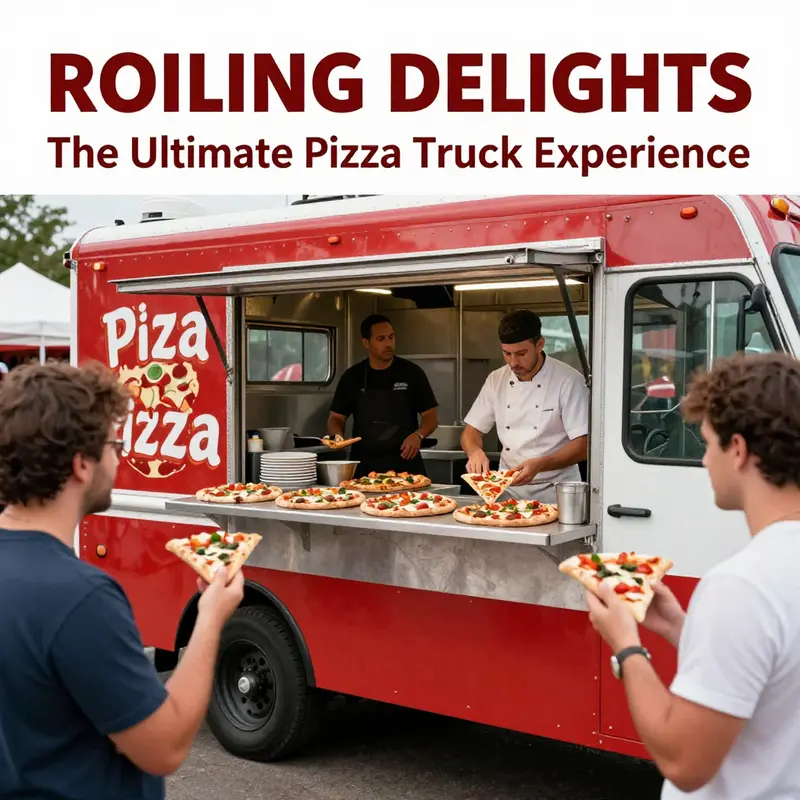
A pizza truck is more than a clever idea that blends a stove with a chassis. It is a moving system where reliability, efficiency, and service quality ride side by side with the art of making great pizza. In practical terms, the operation unfolds in the space between a city block and a kitchen that travels. On a typical day in a small but bustling town, a pizza truck parks at a curated spot, customers queue in the shade of a storefront or the bustle of a market, and the cook behind the wheel translates dough into an edible moment that feels both familiar and exciting. The core of this enterprise is the cooking system, but the system does not exist in isolation. It exists in a body that travels, a workflow that shifts with location, and a business model that flexes to match demand. These elements must align to create not just a tasty slice, but a dependable service that can sustain hours of operation, handle peak moments, and leave customers with a positive memory of the encounter.
The discipline begins with the oven, the heart of the mobile kitchen. There are two broad paths a trucker can choose from when designing this heart: wood-fired and concession-style. The wood-fired option evokes an old-world romance. It offers authenticity that appeals to people who value a smoky, blistered crust and a sauce that tastes as if it came from a brick-lined oven built into a caravan of stories. In practical terms, these ovens can reach extraordinarily high temperatures—up to around nine hundred degrees Fahrenheit—and bake a single pizza in well under two minutes. The speed and character of the bake are precious assets for events and festivals where guests expect a show as much as a slice. Yet the very strengths of a wood-fired setup become its tradeoffs. Fuel management becomes a logistics challenge: seasonal wood supply, ash removal, and constant attention to heat balance demand a skilled operator who treats the oven as both instrument and partner. The domed chamber, the arc of flame, and the way heat radiates in a wood-fired oven all conspire to demand hands-on familiarity. The result can be a product that sings—crisp edges with chew, a crust that has character—but the learning curve can be steep for new teams.
The concession-style path, by contrast, emphasizes consistency, speed, and portability. These trucks lean toward electric ovens or hot plates and are designed for high-volume, quick-service operation. They excel in settings where the goal is to serve many people quickly, with less focus on the story of the bake and more emphasis on the breadth of toppings, reliability, and ease of maintenance. The pizzas still carry flavor, but the oven contributes texture and warmth rather than drama. This configuration helps vendors thrive in environments where steady throughput matters more than a showpiece bake. The trade-off is clear: a more approachable maintenance profile, possibly lower upfront cost, and the need to compensate for flavor depth with top-tier dough management, sauce balance, and finish work.
No single choice is universally superior. Instead, operators weigh the context—target events, clientele expectations, and the geographic realities of their routes. The heart of the decision rests on what kind of experience the operator wants to offer and how much time they can devote to perfecting a craft. In practice, many successful setups blend features: a modular design that allows a wood-fired module to be swapped in for premium events and traded out for a concession-style core during regular street service. This flexibility is enabled by careful layout planning and a willingness to reconfigure the cart to match the day’s demand while preserving food safety standards and a consistent product.
The physical design of a pizza truck is a statement about durability, usability, and adaptability. Modern mobile kitchens emphasize materials that resist corrosion and wear from the elements. Stainless steel and galvanized steel bodies, reinforced frames, and lightweight yet strong composites contribute to a chassis that can withstand the road, the heat, and the inevitable bumps of street operation. A modular approach to equipment layout allows operators to tailor the interior like a workshop. Imagine a compact work triangle where the dough station, sauce and topping zone, and oven are arranged to minimize motion, reduce cross-contamination risks, and speed service. A modular interface makes it possible to add a gelato case, a beverage station, or a small dessert counter as the business grows or as seasonal opportunities appear. Flexibility is not a luxury; it is a practical strategy for resilience in a market that rewards both speed and quality.
Power delivery is another design detail that differentiates success from struggle. A mobile kitchen travels across neighborhoods and variable venues, from street corners with accessible outlets to large fairs that require generators or battery power. Dual-voltage compatibility, supporting both 220-volt and 110-volt outlets, can be a crucial feature. It enables the operator to plug into a broad range of locations without hunting for specialized power sources. In places where outlets are scarce, a generator becomes the option, but the best practice is to choose quiet, efficient models that minimize noise and fuel while preserving the integrity of the kitchen environment. The aspiration is not to burden customers with a disruptive soundscape but to maintain a calm, controlled cooking atmosphere that allows the pizza’s aroma to speak for itself.
Safety and compliance form the backbone of any operating plan. The road is a rough partner, and the kitchen must meet safety standards to protect both workers and customers. This includes ensuring that fuel sources, ventilation, fire suppression, and electrical systems are properly installed and maintained. Certification, whether it is industry-recognized or jurisdiction-specific, provides a formal guarantee that the truck meets the minimum thresholds for roadworthy operation and food safety. The operational mind behind the truck must be vigilant about maintenance schedules, cleaning routines, and documentation that satisfies inspectors and instills confidence in patrons who may be trying a mobile pie service for the first time.
Beyond the oven and the shell, the workflow inside a pizza truck matters as much as hardware. The speed of setup and teardown can determine whether a vendor can participate in multiple events per day or rely on a single location for a longer session. A quick setup means staking claim to a site and beginning service in minutes, not hours. A well-designed truck reduces the need for manual handoffs and redundant movements; it smooths the path from a bag of dough to a fresh, hot pizza in the customer’s hand. This is not merely about competence; it is about creating an experience where the customer feels cared for and confident that they will receive a consistent product regardless of the day or location.
In the end, the operational model is the connective tissue between hardware, people, and customers. A truck is a small business with big potential, but its success rests on the clarity of the daily routine and the strength of the relationships it builds in the field. Some operators treat service as a networked event—pre-scheduling locations, coordinating with event organizers, and adapting menus to local tastes and seasonal ingredients. Others lean toward a lean startup approach, testing different layouts, adjusting yields, and refining dough hydration, sauce composition, and topping balance with real customer feedback collected on the go. The balance between consistency and adaptability becomes the defining feature of a mobile pizza operation.
The economic logic of a mobile pie shop also hinges on how the business plans to grow. A simple model might start with a compact truck offering a limited but high-quality menu and a narrow price range. This approach reduces complexity, shortens training time, and limits capital exposure. As confidence and demand build, the operator may expand the menu, invest in higher-capacity ovens, or explore collaborations with local farmers and bakers to create seasonal specials that deepen community ties. In this evolution, the equipment decisions that once seemed prohibitive—heavy, expensive, or complex—become modular, scalable, and manageable through staged investments. Finally, prospective buyers or investors seeking to enter the field discover a spectrum of entry points: refurbished or custom builds, simple pre-owned configurations with warranties, and fully equipped kitchen trucks that promise a turnkey operation. Even at the lower end, mobility remains a key advantage; the ability to move with events, adjust to customer flow, and migrate between venues is the defining feature of this business model—more robust than a stationary storefront and more intimate than a chain restaurant.
From a financial standpoint, the purchasing landscape reflects both opportunity and necessity. For individuals entering the space, affordability often means weighing a spectrum of options that balance initial cost with long-term value. Some buyers seek a straightforward, compact setup with a single oven and a small prep area, aiming for low monthly overhead and simpler maintenance. Others are drawn to larger configurations that can handle complex menus and accommodate add-ons, with a higher price tag but the potential for broader appeal. Warranties and after-sales support become critical signals of risk management in a market where the asset itself is mobile, exposed to weather, and subject to frequent use. The market also includes refurbished and repurposed units that preserve the essence of a mobile kitchen while offering a more accessible price point. The practical buyer evaluates power needs, ventilation requirements, and the capacity to maintain temperature consistency across a crowded service window. These considerations multiply as the business scales, making a disciplined approach to budgeting and operation essential.
Operational reliability rests on how well the truck is maintained, how well the crew is trained, and how the business interacts with its communities. Training must cover food safety, cooking technique, and customer service, but it also needs to address the specifics of mobile service: how to handle offsite storage, how to manage waste responsibly, and how to respond to unpredictable weather or space constraints. A strong operator treats the day as a choreography—parking, power hookup, setup, service, and teardown unfold as a rhythm rather than a scramble. The customer experience follows that rhythm. When a line forms, people anticipate a level of efficiency and warmth; when the line dissolves, the operator’s ability to move on to the next location with minimal downtime matters as much as the last slice sold. In this sense, the operational details become a conversation—between the oven’s heat, the truck’s motion, the staff’s teamwork, and the customers’ expectations.
The practical takeaway for someone considering entering this space is to examine the alignment between ambition and capability. A focused, well-planned approach to oven selection, interior layout, power strategy, and safety protocols can transform a mobile kitchen from a fleeting idea into a reliable fixture in the community. It is not only about cooking pizza; it is about delivering a reliable, repeatable, high-quality product in a setting that is dynamic, sometimes chaotic, and always opportunity-rich. The road offers varying terrains—urban sidewalks, quiet street corners, festival grounds, and office courtyards—and each terrain tests the operation differently. The most successful operators treat these tests as opportunities to learn and adapt, refining every step from dough proofing to slice packaging. In doing so, they build a business that is as much about hospitality as about cuisine, a moving table that invites locals to taste something comforting and familiar in a setting that promises novelty and convenience.
For readers seeking practical next steps, remember that the journey begins with a clear understanding of the available configurations and the site-specific realities in which the truck will perform. It also helps to engage with resources that map the regulatory terrain, outline best practices, and provide case studies of how different operators solved similar challenges. To connect with the broader regulatory and practical landscape, consider exploring detailed guidance on licensing, permits, and inspections, which can illuminate the path toward compliant operation. For those contemplating the launch, explore the legal steps for launching a food truck to understand licensing, permits, and inspections.
As the industry continues to evolve, the narrative around pizza trucks shifts from novelty to necessity in many communities. People crave the accessibility of fresh pizza as a portable, social experience, and operators who combine solid engineering with attentiveness to customer needs stand the best chance of turning a mobile kitchen into a lasting and beloved presence. The operational details—how heat is produced and managed, how space is organized, how power is delivered, how safety is ensured, how service flows, and how the business scales—become the ingredients of that lasting presence. In the end, a mobile pizza operation is not just about the crust or the toppings; it is about delivering trust, consistency, and delight wherever the road takes you. For a deeper dive into equipment and deployment strategies that can inform this practice, see a comprehensive guide offering practical insight into wood-fired and other mobile configurations. External resource: https://www.foodtrucks.com/wood-fired-pizza-truck-sale-guide
Rolling Forward: Smart Investments and Growth Pathways for a Local Pizza Truck Business
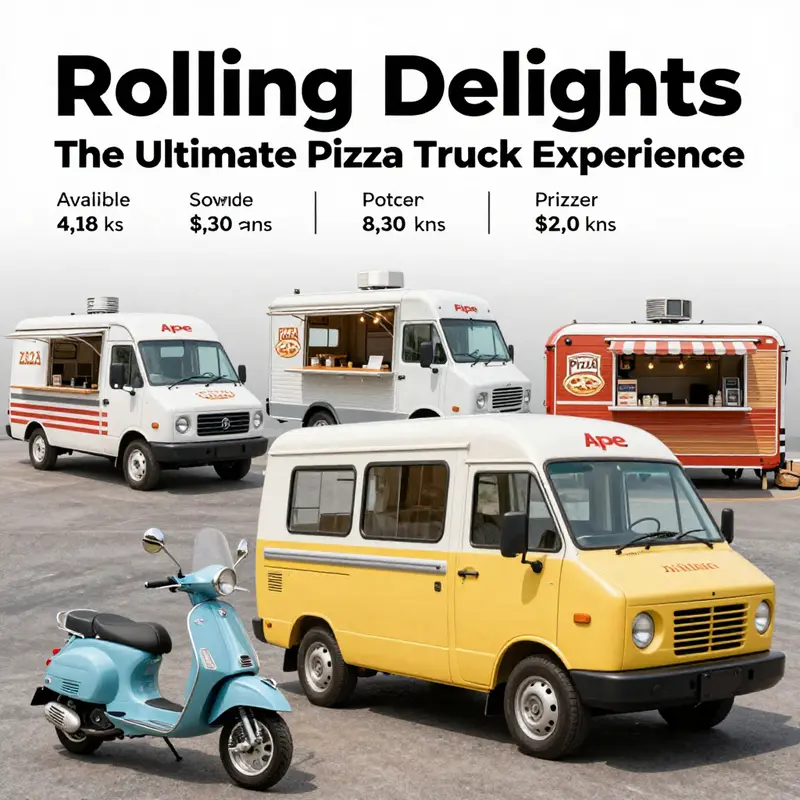
Rolling forward with a local pizza truck means embracing mobility as a core asset. In learned markets and buzzing communities, a mobile kitchen can transform the simple act of selling pizza into a dynamic business that travels to where customers gather. Consider the scene in a busy town where a local pizza truck parks at a central corridor on select days, drawing in residents and visitors who crave the comfort of a hot slice without the wait. The model relies on a blend of quality, speed, and location savvy. If you read the market data carefully, you see how such ventures leverage impulse buying, event driven demand, and the appetite for fresh, made to order meals. The opportunity is not merely about selling pizzas; it is about orchestrating a mobile hospitality experience that can scale as smoothly as it travels. The core appeal remains simple: a strong product, simplified operations, and the freedom to adapt to where the crowd is.
From an investment perspective, the pizza truck concept blends several favorable economics. The startup hurdle is lower than that of a traditional restaurant, and the ability to shift locations means you can test markets without committing to a single brick-and-mortar footprint. This flexibility translates into quicker decision cycles and faster feedback, two factors that attract investors who want to see a practical path to return on investment (ROI). The product is unmistakable-pizza, a universally loved comfort food, prepared to order with fresh ingredients and delivered in minutes. Yet the business model depends as much on operational discipline as it does on culinary skill. A well-timed route to market, dependable supply chains, and efficient kitchen configuration determine whether high traffic becomes loyal repeat business or an episodic rush that dissolves after a few popular weekends.
Within this framework, the financial logic becomes clearer. A pizza truck benefits from relatively modest fixed costs compared with a fixed-location restaurant. Overheads tied to rent, long-term leases, and large front-of-house teams shrink significantly. The leaner cost structure enables a leaner expense base and a faster journey to profitability, particularly in markets with busy urban cores, event venues, and sports complexes where people want quick, tasty meals between activities. Once you understand that, you also see why many investors look beyond direct ownership to related sectors that support mobility and delivery efficiency. Opportunities emerge in logistics for food trucks, equipment suppliers who provide compact, durable cooking setups, and even franchising models that allow more operators to share successes without duplicating the wheel. The broader transport and logistics ecosystem matters here. The Dow Jones Transportation Index, for example, tracks the performance of companies involved in freight, delivery, and transportation services, offering a reminder of how mobility, delivery speed, and reliable fleets influence the viability of mobile food ventures. This connection is not abstract; it highlights how improvements in logistics and mobility ripple into every stage of a mobile kitchen’s life, from sourcing to service.
A practical path to entry begins with a clear sense of scale. A single truck can start as a shuttle of novelty at weekend markets or school events, then grow into a regular presence at popular lunch corridors or pre-event lineups. The incremental capital needed to upgrade from a simple, two-burner setup to a more robust system with a wood-fired or an efficient, compact oven will vary with the local regulations and the volume you expect to handle. In many cases, the equipment decision becomes the most consequential choice you make. A traditional, wood-fired configuration offers flavor velocity, enabling pizzas to cook rapidly in a high-heat environment. In other settings, a modern, well-insulated box oven or a hybrid setup can deliver higher throughput and more consistent results, which is essential when an unpredictable crowd swells at an outdoor festival or a stadium zone. The right configuration matters not only for speed but for consistency, quality, and the confidence of your team as it learns to manage a mobile kitchen under changing weather and demand patterns.
The journey from concept to operation is as much about brand as it is about bake times. A strong, recognizable identity helps you cut through the noise in crowded venues and crowded days. For customers choosing between a curbside bite and a sit-down meal, the mobile format offers a unique point of difference: a sense of theater in the making of a fresh pizza, a sense of personal service as orders are customized on the fly, and the spectacle of watching a hot pie emerge from the oven in a few minutes. Brand is the bridge between culinary craft and customer loyalty, and it requires coherent storytelling, precise menu choices, and reliable customer service. When an operator nails these elements, the customer’s memory of the experience becomes a reason to return, not just a chance encounter between hunger and invention.
Investment opportunities extend beyond ownership of a single truck. Investors may consider participating in adjacent sectors that support the mobile food economy. Equipment suppliers who provide compact, durable ovens, refrigeration units, and mobile-friendly dishwashing setups stand to benefit from consistent demand as more operators enter the space. Logistics solutions—ranging from route optimization software to mobile payment systems and inventory tracking—can reduce costs and improve service levels, creating a more predictable business model for operators and a more attractive risk profile for investors. Franchising models also present a path for scalable growth, especially when the brand has achieved a track record of consistent quality and efficient operations. A franchisor can offer a tested playbook that helps new owners minimize startup risk while preserving the core values that make the concept attractive to customers. Even without a franchise, collaborating with other operators in a shared market can create economies of scale in procurement, maintenance, and marketing.
For the aspiring entrepreneur, the decision to enter the field should be preceded by careful market research and regulatory due diligence. The realities of operating a food truck vary by jurisdiction, and local regulations shape what is possible and how quickly you can scale. Permits, health inspections, fire safety, vehicle standards, and vendor licensing all come into play. A strategic approach involves mapping a path through these requirements before committing financial resources. It also means planning for contingencies: how your operation will respond to rain, heat, or a sudden demand surge; how you’ll manage supply disruptions when fresh ingredients run low near a market or festival; and how you’ll maintain consistency across multiple locations if you grow. In this regard, a practical step for any prospective operator is to consult with legal and regulatory resources that can illuminate the path to launch and growth. For readers who want a structured overview of the essential steps, there are detailed guides on launching a food truck that cover compliance, licensing, and best practices for a startup phase. The idea is simple: respect the rules, build a dependable operation, and deliver a product that compels customers to return.
Operational discipline is the real driver of success. A mobile kitchen requires careful planning of routes, schedules, and inventory. Location planning is a living exercise: you must be ready to adapt to the rhythms of the communities you serve. A well-timed appearance at a busy weekday corridor or event footprint can transform a slow week into a robust revenue arc. The menu should reflect local tastes and seasonal opportunities while preserving a core identity that makes the brand easy to recognize across locations. In practice, this means a compact, repeatable menu that can be prepared quickly without sacrificing the quality customers expect. It also means forging relationships with local suppliers for fresh produce, dough, and dairy. A streamlined supply chain reduces waste and ensures consistency, a combination that in turn supports a stable cash flow and a more predictable ROI.
Marketing in the mobile kitchen space requires a blend of on-site visibility and digital reach. Some operators rely on the spectacle of the truck, with bold branding and live oven action, to draw crowds. Others complement on-site presence with an online ordering flow, social media updates about locations and times, and a loyalty program that rewards repeat visits. Digital marketing becomes not just a promotional tactic but a tool for learning: which locations generate the most sales, which menu items travel best across events, and what price points sustain profitability in different settings. In a crowded market, a well-executed brand story helps customers feel connected to the experience, not merely the product. The narrative around a pizza truck should emphasize freshness, speed, and locality – values that resonate with people who want convenient meals that feel personal and satisfying.
From an investor’s vantage point, the landscape offers not only direct ownership but also opportunities to participate in related sectors that support mobility and delivery. As noted, the broader transport and logistics sector remains a significant area of interest. Even with rising competition in the food truck space, operators who think beyond the truck itself – into fleet management, maintenance services, and packaged offers for corporate events – can create durable revenue streams. A robust business plan should articulate how the investment will be deployed, what milestones will mark progress, and what risk mitigation strategies will be employed. It should also demonstrate an understanding of the local scene and the ability to harness partnerships with event organizers, schools, corporations, and community centers. The story investors want to hear is not only about a tasty pie but about a reliable, scalable model that can adapt to changing tastes and shifting urban patterns.
The learning from established local examples is instructive without being prescriptive. A successful mobile pizza operation does not emerge from a single recipe alone; it is the product of consistent execution, smart location selection, and a culture of reliability. It is about turning a well-made, hot slice into a predictable experience that customers seek out again. It is about turning the concept of mobility into a strategic advantage that permits visiting diverse venues, diversifying revenue streams, and managing risk with a flexible schedule. It is about building a brand that people recognize in a crowded market and trust to deliver quality when they need it most. Investment decisions in this space reward patience, disciplined operations, and a readiness to adapt as markets evolve.
To support readers who are navigating the early stages of this journey, a practical reminder is to approach one’s launch with a blueprint that blends culinary craft with business discipline. The recipe for success is not only about how to bake a perfect crust but how to design a business model that sustains itself through seasons of high demand and periods of low activity. It is about calibrating your price, your menu, and your route to market so that each pizza aligns with the broad financial goals you set for your venture. The more you can align the culinary experience with the economics of mobility, the more resilient the operation becomes. In this sense, the investment opportunity is not a single transaction; it is an ongoing process of learning, adaptation, and steady execution that turns a mobile kitchen into a trusted source of fresh pizza for communities, events, and daily life alike.
As you weigh the potential of a pizza truck enterprise, consider the comfort that comes with a clear path to growth and a realistic appetite for risk. The sector offers a meaningful chance to blend entrepreneurship with the enjoyment of sharing good food. It invites you to think about where you want your truck to go, what markets you want to serve, and how your brand will be remembered. When you craft a plan that respects startups’ realities while embracing the possibilities of mobility, the pizza truck becomes more than a vehicle with an oven and a grill. It becomes a small business with potential to expand, a platform for community connection, and a source of enjoyment for customers and investors alike.
Further reading and planning resources can help frame these ideas within the current market environment. For those who want a practical, step-by-step orientation to the regulatory and operational path, a detailed guide on the legal steps for launching a food truck offers a structured entrance into the process. This resource complements the broader market data and investment considerations already discussed and can serve as a tangible starting point for individuals ready to translate ambition into a real, rolling business. Legal steps for launching a food truck. And for a broader sense of market dynamics and investment potential in the mobile food space, one can consult the external analysis that highlights global trends and opportunities in the food truck industry, which provides context for the growth trajectory of this venture. External resource: https://www.statista.com/statistics/1367944/food-truck-market-size-global/
Fire on Wheels: Designing and Configuring the Wood-Fired Pizza Truck for Flavor, Throughput, and Brand Presence
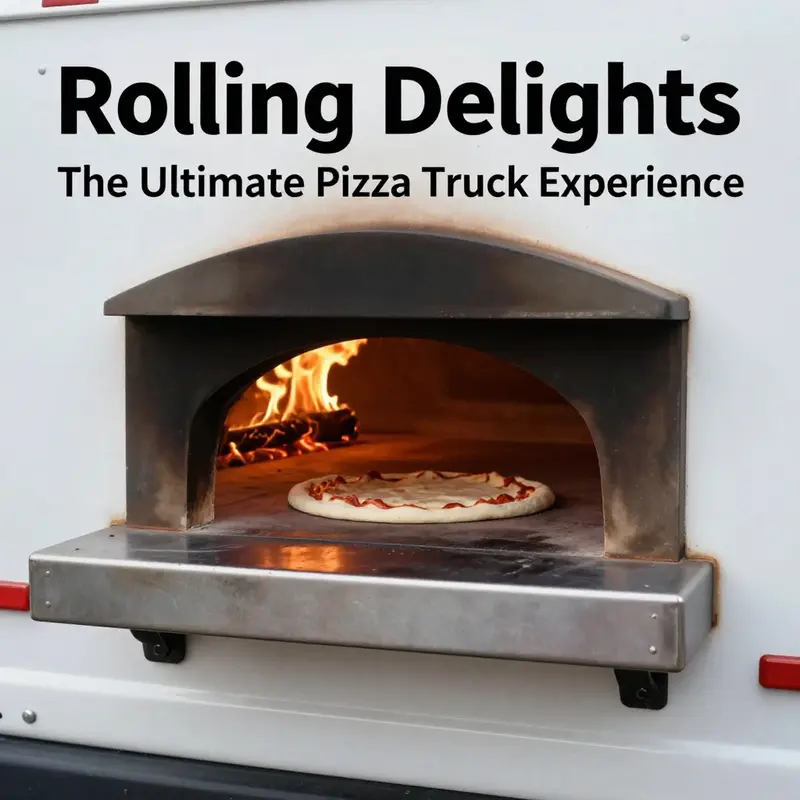
For a deeper dive into the landscape of wood fired trailers and to see practical specifications in action, an external reference provides a curated overview of design and equipment. It offers a window into how kitchen geometry, heat management, and workflow come together in real world deployments. External resource: https://www.ccwoodfiredpizza.com/.
Delivery, Drive, and Digits: The Pizza Truck as a Cultural Icon in Gaming and Entertainment
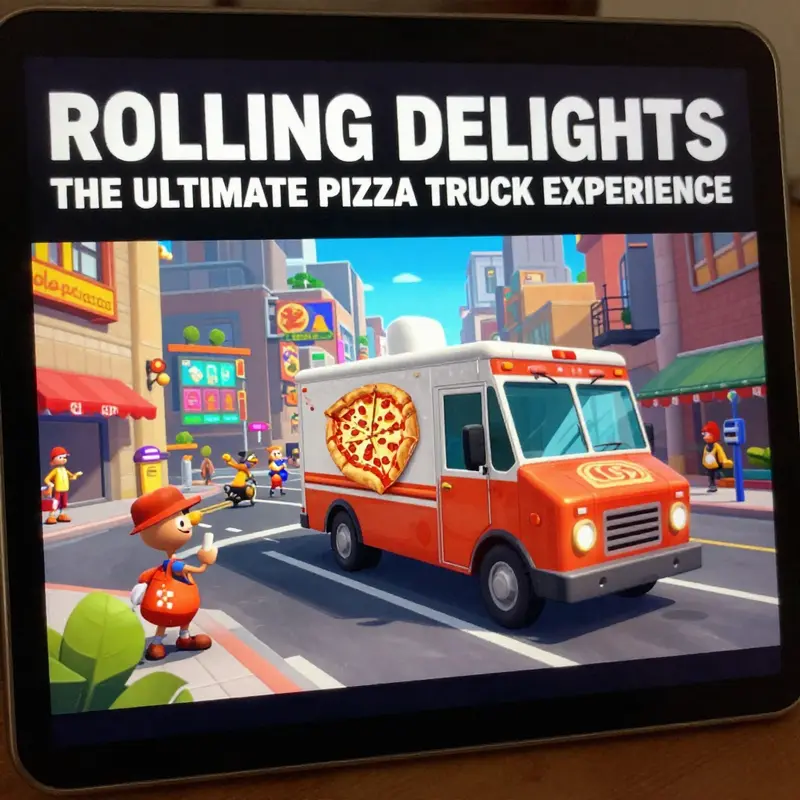
The sight of a pizza truck on a busy street carries an unassuming promise: a hot, comforting meal arriving at the pace of a city that never quite slows down. Yet when we turn our attention to gaming and entertainment, that same vehicle becomes something more than a means of fuel and flavor. It morphs into a symbol of mobility, urgency, and urban play, a mobile stage where speed, skill, and appetite intersect in highly stylized, highly online ecosystems. The cultural footprint of pizza trucks in digital media is not simply a matter of aesthetic preference; it is a reflection of contemporary rhythms—how we live, how we move, and how we imagine the act of delivery itself. In gaming and entertainment, the pizza truck evolves from a practical service vehicle to a narrative device, an emblem of time pressure and human connection, and a bridge between real-world street commerce and fictional adventure. As we explore this fusion, it becomes clear that the pizza truck is less a background prop and more a narrative engine that animates urban fantasy, family humor, and competitive spectacle alike.
At the core of this cultural resonance is a paradox: something as ordinary as delivering hot pizza can become extraordinary when framed by the aesthetics and mechanics of play. In many mobile-delivery-centered games, players inhabit the role of a pizza courier tasked with threaded objectives that mirror the anxieties and exhilarations of real life. The archetypal game in this vein, as contemporary players will attest, is built on speed, precision, and spatial awareness. A digital world may pitch a courier against an unforgiving clock, where every second matters and every turn could spell the difference between a perfect delivery and a sour customer review. The thrill derives not from piloting a high-tech sports car alone but from improvising under pressure, avoiding obstacles, and choosing routes with an eye toward efficiency and safety. In this way, the pizza truck becomes a stadium for reflexes and strategy, a portable arena that travels with the player across levels that mimic cityscapes, rural byways, or fantastical terrains.
The genre-sculpting appeal of pizza-truck-themed games lies in how they blend everyday familiarity with cinematic intensity. Take the popular trend of games where delivery cyclists and drivers compete against or cooperate with fleets of rival couriers. Players hop aboard pedal-powered or motorized platforms, navigating urban arteries, dodging traffic, and performing stunts that emphasize timing and control. The tension fans feel when a hot pie might burn if the rider falters is translated into a palpable sense of risk and reward. This tension is reinforced by reward systems that mirror real-world incentives—think of bonuses for completing high-risk routes, tips for fast performance, and unlockable upgrades that improve speed, stability, or the capacity to carry multiple pizzas without compromise. In other words, the virtual pizza truck becomes a potent motivational instrument, rewarding not just speed but also the clever sequencing of moves and the ability to read the city’s unpredictable tempo.
Beyond the raw mechanics, the imagery surrounding pizza trucks in gaming and entertainment taps into broader cultural scripts. The city is seen not as a fixed backdrop but as a dynamic stage where mobility is a character in its own right. Pizza trucks, with their bright branding, peppy jingles, and steam rising from oven doors, evoke a sense of communal ritual—the shared anticipation of a meal arriving just in time, the micro-rituals of queuing, and the mini drama of a driver negotiating a crowded intersection. In animated features and sci-fi futures alike, such vehicles may take on near-cameralike prominence, becoming portable hubs of activity that bundle menu creativity with social interaction. The bag of story possibilities grows with each curbside encounter: a crew meeting after a long shift, a neighborhood festival where the truck becomes a focal point, or a caper in which the driver must outpace a rival fleet to protect a legendary recipe. The texture of these narratives—steam, cheese, and a city’s rhythm—helps audiences anchor their experiences in something tangible, even as the story unfolds in fantastical or hyperreal settings.
This cultural current finds an especially vivid echo in the way classic film and animation reference pizza delivery arcs through a recognizable iconography. The Pizza Planet truck in Pixar’s films—an emblematic silhouette of a cheerful, fast-moving courier in a neon-lit urban world—functions as more than a prop. It acts as a portable mood generator, signaling warmth, playfulness, and the everyday magic that happens when a simple meal becomes a shared experience. For fans, the vehicle becomes a touchstone—a visual shorthand for comfort, utility, and the possibility that ordinary chores can carry surprising humor and adventure. When such imagery crosses into gaming forums and fan art, it invites a dialog about how modern media repurposes mundane services into engines of narrative momentum. This is not merely nostalgia for a beloved franchise; it is an ongoing conversation about how brands and films sculpt a familiar object into a cultural icon that can be reinterpreted and repurposed across media boundaries.
These cross-media conversations are not limited to cinematic references or nostalgic animation. They permeate experimental indie titles as well as mainstream releases, where designers leverage the recognizable silhouette of a pizza truck to ground players in memorable, fast-paced experiences. The appeal of a familiar object helps reduce cognitive load, enabling players to focus on the core gameplay loop: route planning, obstacle negotiation, speed management, and timely coordination with in-game events or other players. The result is a form of digital storytelling that feels accessible yet layered. As players progress, they discover that the pizza truck is more than a delivery vehicle; it is a conduit for community storytelling. It invites players to imagine themselves as part of a larger urban ecosystem, where the act of feeding people becomes a way to participate in a shared cultural moment.
The social aspects of pizza-truck narratives also surface in how games reward cooperative play and social interaction. Cooperative modes may require teams to coordinate routes, split routes to optimize overall delivery times, or pass the CPU-controlled kitchens between avatars to maintain a steady stream of hot pizzas across a sprawling map. These gameplay choices mirror real-world teamwork found in bustling food- service ecosystems, where timing and communication become critical to success. The social currency of these games is often measured not just in scores or unlocked skins but in the perceived satisfaction of the people who rely on the player to deliver meals when every second counts. In many cases, the most celebrated moments are those in which players help each other overcome a particularly tricky level or seasonally themed challenge, reinforcing the sense that delivering warmth through nourishment can be a shared, uplifting experience even in a digital universe.
While the entertainment industry mines the pizza-truck motif for color and excitement, there is also a subtle, instructive layer about entrepreneurship and mobility. Real-world operators, including those in small-town markets and mid-sized cities, recognize in these stories a reflection of their own daily realities—the balance between labors of love and the business discipline required to sustain a fleet, a kitchen, and a schedule. The mobility of a food truck is, in itself, a lesson about adapting to place and audience. When a fictional pizza truck becomes a beloved character in a game or a movie, it invites audiences to imagine how such a vehicle might scale up or adapt to different environments and economies. It also invites aspiring entrepreneurs to consider the potential of a mobile culinary concept, not only as a means of commerce but as a platform for storytelling and community engagement. The real world, with its permits, permits, and supply chains, sits in productive dialogue with the fantasy of the screen, reminding developers and players alike that the best digital experiences draw strength from authentic, grounded details.
A practical thread runs through this cultural tapestry as well. The accessibility of pizza-truck concepts in both gaming and entertainment aligns with a broader democratization of food entrepreneurship. As the materials suggest, there are affordable, modular pathways into mobile food ventures—from small electric vehicles to adaptable ovens and versatile layouts that can be customized to local tastes and licensing environments. This democratization matters because it expands the audience for pizza-truck stories beyond die-hard foodies and gaming enthusiasts to budding entrepreneurs who see in these narratives not only entertainment but a potential business model. The interplay between fiction and reality here is not a simple echo; it is a reciprocal flow. The stories feed interest in mobile dining as a viable venture, which in turn fuels new media ideas about how to portray these ventures on screen with authenticity and flair. In other words, the cultural impact is a cycle: media shapes interest, interest spurs experimentation, and experimentation enriches the stories we tell about mobility, cuisine, and community.
Of course, the digital portrayal of pizza trucks and the lived experience of real operators intersect in surprising ways. For example, the idea of delivering hot pizzas before time runs out maps cleanly onto the user experience design of many racing and action games, where a narrow window creates tension and a sense of urgency. The mechanics and aesthetics of wood-fired ovens—whether in a high-throughput box-style rig on the road or in a stationary kitchen—provide a tangible cue for speed and quality that resonates with players who value craft and speed alike. The shift from traditional brick-and-mortar cooking to mobile, on-the-move operation mirrors a larger cultural shift toward flexibility and one-stop mobility in contemporary life. When a game or film shows a delivery driver weaving through traffic, the moment is not just about stunt value; it is about the human element—the driver’s moment-to-moment choices, the relationship between speed and care, and the tiny acts of kindness a driver can offer to customers on a busy day. The pizza truck thus becomes a civic microcosm, a lens through which audiences inspect the rhythms of modern life, with all its passion, pressure, and possibility.
In this sense, the pizza truck’s cultural footprint extends beyond entertainment into a broader cultural literacy. It teaches audiences to recognize the dexterity of logistics, the artistry of timing, and the social glue that meals provide in urban communities. It prompts conversations about how cities are organized for mobility, how food is distributed in real time, and how digital media translates these experiences into accessible, memorable stories. And as audiences engage with these stories, they carry with them a sense of kinship with the people who keep city life moving—drivers who balance speed with safety, cooks who transform simple ingredients into comforting pleasure, and customers who become part of a shared narrative just by waiting at a curb or tapping a screen for the next hot pie. The pizza truck, in this expansive cultural panorama, is not merely a vehicle of sustenance; it is a moving canvas upon which communities project their desires for efficiency, generosity, and shared joy.
For readers curious to explore how these themes echo in real-world practice and entrepreneurship, a closer look at the practical, legal, and operational dimensions of launching a mobile pizza venture can be illuminating. Internal media discussions and industry resources point toward the feasibility of entering the mobile food scene with modest capital, flexible configurations, and a warranty-backed setup that supports experimentation and growth. In this way, the cultural fascination with pizza trucks in entertainment becomes a bridge to tangible opportunities for aspiring operators who want to translate narrative inspiration into a living, pulsing business on the road. The overarching takeaway is clear: the pizza truck’s cultural significance is inseparable from its practical potential. It exists as a symbol and as a startup platform, a familiar, comforting icon that also invites innovation and collaboration across media, cuisine, and commerce. The pulsing heart of this phenomenon is the everyday magic of bringing warm food to people, wherever the road leads, and telling stories about those moments that make urban life feel a little brighter, a little faster, and a lot more delicious.
Internal link to related explorations: The Pizza Planet Truck in Pixar Movies provides a vivid example of how a pizza-delivery motif can anchor a whole cinematic world and invite fans to imagine parallel universes in which such vehicles carry narratives forward across genres. Pizza Planet Truck in Pixar Movies
External resource for further context on how gaming translates delivery dynamics into gameplay: https://www.gamespot.com/articles/pizza-bike-rider-game-review/
Final thoughts
Pizza trucks have become more than just food vendors; they represent a lifestyle of convenience, flavor, and creativity in the culinary scene. As we witnessed in our exploration of operational details, investment potential, equipment choices, and their impact on culture, it’s clear that the pizza truck movement is dynamic and vibrant. For enthusiasts craving authenticity, planners seeking convenient catering, and aspiring entrepreneurs ready to roll out their dreams, the pizza truck universe holds endless possibilities. The road ahead is paved with delicious pies and exciting opportunities. Now is the perfect time to dive into this flavorful adventure.