
Are you ready to serve delicious food on the go, turning your culinary dreams into a reality? Launching a food truck can be one of the most exhilarating ventures you can embark on, offering the freedom to create, innovate, and share your passion for food with the community. Imagine the thrill of setting up your mobile kitchen, crafting mouthwatering dishes, and bringing joy to your customers with every meal.
But before you hit the road, have you considered the legal steps you need to take? Navigating the complexities of permits, licenses, and health regulations can feel overwhelming. However, understanding these legal obligations is just as crucial as perfecting your recipes. So, are you ready to explore the exciting journey ahead while ensuring your business is on solid ground?
Legal Steps Checklist for Starting a Food Truck Business
- Research Local Regulations: Understand local laws governing food trucks in your area, including zoning laws and operational hours.
- Choose Your Business Structure: Decide on the legal structure of your business (sole proprietorship, LLC, etc.) and register accordingly.
- Obtain a Business License: Apply for the necessary business license to operate legally in your city or county.
- Health Department Approval: Secure approval from the local health department; this often requires a food safety inspection of your kitchen and food handling practices.
- Mobile Vending Permit: Obtain a mobile vending permit specific to food trucks, which may have varied requirements based on your location.
- Sales Tax Registration: Register for a sales tax permit to collect taxes from customers on the food sold.
- Insurance Coverage: Acquire necessary insurance, including general liability and vehicle insurance, to protect your business and assets.
- Food Safety Protocols: Develop and implement food safety protocols to ensure compliance with health regulations and protect customer health.
- Equipment and Vehicle Compliance: Ensure that your food truck and equipment comply with local safety standards and health regulations.
- Employee Regulations: If hiring staff, confirm compliance with labor laws, including employee rights and workers’ compensation requirements.
By carefully following these steps, you will set a strong foundation for your food truck business while ensuring compliance with legal requirements. Navigating these tasks may take time, but they are essential to establish a successful operation.
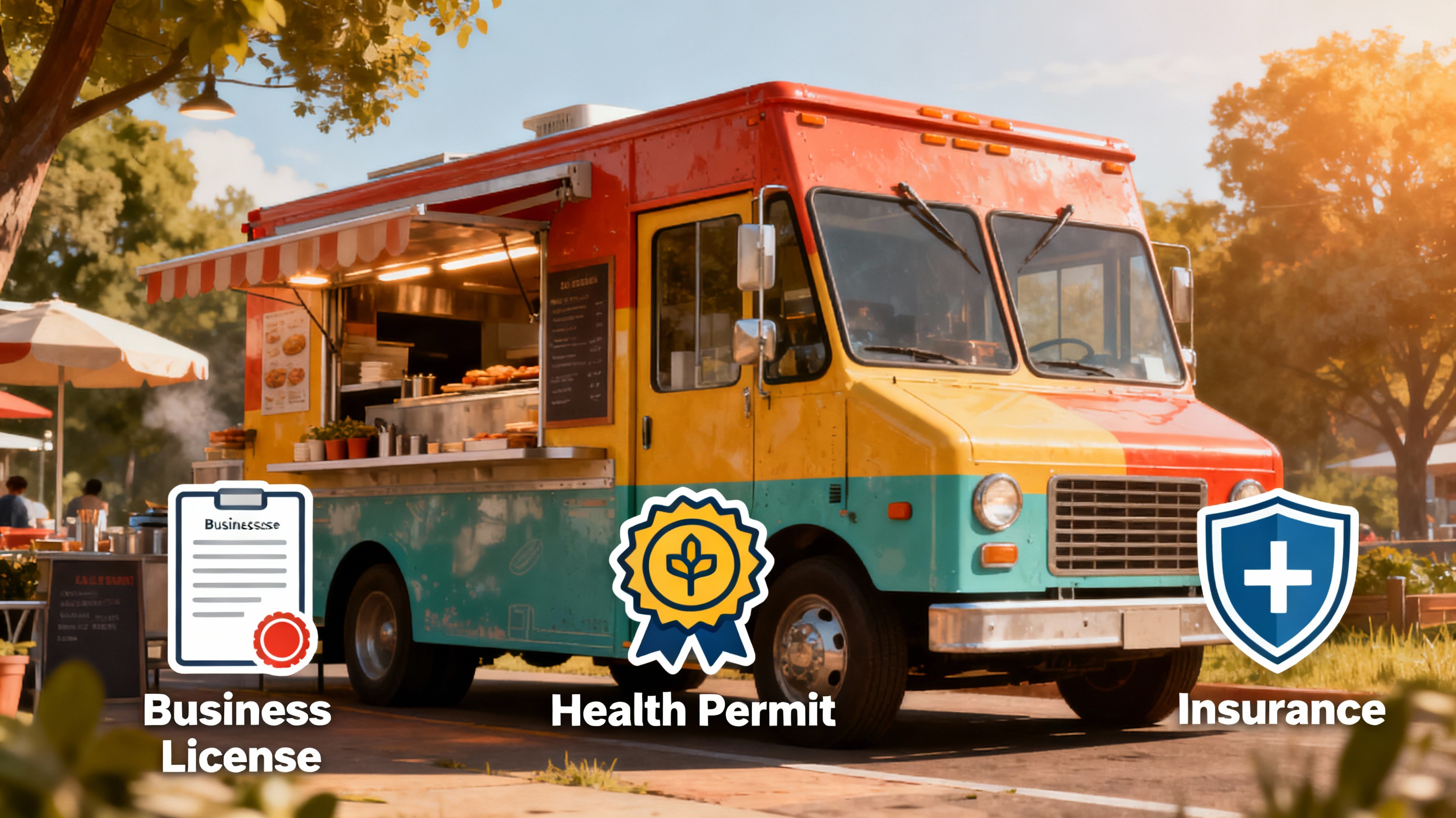

Average Time to Secure Permits for Food Trucks Across Different Cities
Securing permits for food trucks varies significantly across the United States. Major metropolitan areas like New York City and Los Angeles report average timelines of 4 to 6 months. These extended periods are often attributed to high demand and complex zoning regulations.
In contrast, mid-sized cities such as Austin and Portland tend to have faster processes, averaging between 2 to 3 months. Some smaller regions, particularly those with streamlined permitting processes like Raleigh, can complete the necessary permits in as little as 3 to 5 weeks.
Research indicates that delays often occur due to thorough reviews by health departments, the need for parking permits, and adherence to local ordinances. Notably, around 60% of delays can be linked to incomplete applications and backlogs in health inspections.
Additionally, states with standardized permitting processes, such as Texas and Florida, show quicker average approvals in the range of 6 to 8 weeks. However, in states where regulations can vary by county, like California and New York, timelines can extend to 12 to 16 weeks.
Pre-approval programs in certain areas, for instance in Nevada, have demonstrated success in significantly reducing timelines to under 4 weeks. All of these factors highlight the essentiality of advanced planning and patience when navigating the permitting process for food trucks.
Ensuring compliance with health and safety regulations is paramount for food truck operations, as it directly influences both legal standing and customer trust. Ignoring these crucial requirements can lead to significant penalties, including fines and possible suspension of business licenses. Food trucks must operate under strict hygiene protocols to safeguard public health, which not only reduces the risk of foodborne illnesses but also enhances the reputation of the business.
Maintaining compliance fosters a culture of responsibility and professionalism, reassuring customers that their safety is prioritized. As the saying goes, ‘A stitch in time saves nine, so seeking legal advice early is wise.’ Consulting with legal experts early in the process helps navigate the complexities of health regulations, ensuring all operations meet local standards and protecting the business from unexpected legal challenges.
In summary, taking proactive steps to ensure compliance will pay off significantly in the long run, building a solid foundation for a successful food truck venture while protecting public health.
| City/County | Permit Type | Cuisine-specific Requirements |
|---|---|---|
| New York City | Mobile Food Vendor License | Must comply with the NYC Health Code and have a food handler’s certificate. |
| Los Angeles | Health Permit | Must pass health inspections; each vehicle must have a health permit. |
| Austin | Food Truck Permit | Food trucks must qualify for a limited use permit based on the menu. |
| Portland | Mobile Vendor License | Requires proof of food safety training specific to type of cuisine. |
| Chicago | Vending License | Specific permits needed based on cuisine type, especially for fresh food items. |
| Raleigh | Mobile Food Unit Permit | Must adhere to local zoning laws; special permits for selling alcohol. |
| Miami | Restaurant License | Must have a valid catering license for certain cuisines and special events. |
| San Francisco | Street Vending Permit | Requirements vary based on location; specific regulations for ethnic cuisines. |
This table summarizes various permits required by different regions for food trucks, highlighting unique requirements based on cuisine types. Each area has its own regulations that food truck operators must navigate for successful compliance.
Understanding Zoning Laws for Food Truck Operations
Navigating food truck operations involves more than culinary skills; knowing zoning laws is vital for success. Zoning laws determine where food trucks can operate and under what circumstances, which impacts your business immensely. Here are key points entrepreneurs should understand:
What are Zoning Laws?
Zoning laws are rules that dictate how land and property can be used in different areas. For food trucks, these rules specify where you can park, serve food, and even prepare meals. Local governments often divide areas into different zones, such as residential, commercial, industrial, and mixed-use, each having its own set of regulations.
Restrictions on Operation
Most cities set limits on food truck operations to reduce competition with established restaurants and preserve neighborhood character. Here are some common restrictions:
- Distance Requirements: Food trucks usually cannot operate within a certain distance (often 50 to 500 feet) from existing restaurants to lessen competition.
- Time Limits: Many places set limits on how long food trucks can park in one spot (generally 1-2 hours) or specify hours of operation, often restricting them to between 7 a.m. and 10 p.m.
- Designated Zones: Some cities have specific areas where food trucks are allowed to operate, making it easier to avoid conflicts with other businesses.
Parking Regulations
Parking regulations for food trucks typically include strict rules such as:
- Not parking within designated distances from schools, hospitals, and other sensitive areas.
- The requirement to move trucks every few hours to avoid being classified as a stationary business.
- Gaining written permission from property owners if operating on private property.
Permits and Applications
To operate legally, food trucks generally need to obtain several permits, including:
- Mobile Food Vendor License: Required in many municipalities.
- Health Department Permit: Necessary to ensure compliance with health codes.
- Fire Safety Certification: Important for trucks cooking on-site with open flames.
Local Variations
Zoning laws vary greatly by location. For instance, cities like New York and Chicago have stricter regulations than smaller towns, where the rules may be less strict. Therefore, it is important to research and understand local laws before starting your food truck business.
Key Takeaways
Understanding zoning laws can protect food truck operators from legal issues and fines. It is wise to consult local regulations thoroughly, obtain needed permits, and stay compliant to operate successfully. As the saying goes, being well-informed is key to success in the mobile food industry.
In conclusion, navigating the myriad legal steps involved in launching a food truck is not just a matter of bureaucracy but a pivotal foundation for your business success. Each step, from securing permits to understanding zoning laws and obtaining necessary licenses, serves a distinct purpose in ensuring your operations run smoothly and legally. By conducting thorough research on local regulations, implementing health and safety protocols, and obtaining appropriate insurance, aspiring food truck operators can build a solid framework for their enterprise while minimizing the risk of legal complications.
The journey into entrepreneurship requires diligence and foresight. As you embark on this exciting venture, remember that you are not alone in this process. Seeking out legal advice and support can provide invaluable guidance, equipping you with the knowledge needed to navigate the complicated landscape of food truck operations. Each legal requirement you fulfill is a stepping stone towards the successful launch of your business.
So, take action today; do not underestimate the importance of these foundational steps in the journey ahead. As the saying goes, ‘By ticking off these legal boxes, you’re not just starting a business; you’re planting seeds in the bustling garden of entrepreneurship.’ Committing to these legal responsibilities now will allow you to focus on what truly matters—bringing your culinary creations to the community and thriving in the competitive food truck market.
FAQ: Legal Steps for Launching a Food Truck
1. What type of insurance do I need for my food truck?
To operate your food truck safely and legally, you will need several types of insurance. The most essential ones include:
- General Liabilities Insurance: This covers injuries and damages to third parties.
- Vehicle Insurance: Required for the food truck itself, similar to standard auto insurance.
- Product Liability Insurance: Protects you against claims related to the food you serve.
These coverages help protect your business and provide peace of mind as you navigate the world of food trucks.
2. How do I find zoning regulations for my food truck?
Finding zoning regulations involves checking with your local city or county government’s planning department. They usually have resources available online or via call. Local zoning ordinances dictate where food trucks can operate, including:
- Permitted zones to operate (commercial vs residential)
- Distance limitations from restaurants
- Time restrictions on operation hours.
Researching these laws is crucial for ensuring compliance and avoiding fines.
3. What permits are required to start a food truck?
The permits required can vary by location but generally include the following:
- Mobile Vendor License: Essential to legally operate in your city or county.
- Health Department Permit: To ensure you meet local health code standards.
- Food Handler’s License: May be necessary for food safety compliance.
- Fire Safety Certification: Required if you’re cooking on your truck.
It’s vital to check specific requirements in your area to ensure you secure the necessary permits.
4. How long does it take to obtain the necessary permits?
The time to secure permits varies greatly depending on your location. In major cities, it may take around 4 to 6 months, while smaller towns may be more lenient, averaging 3 to 5 weeks. Factors impacting time frames include:
- The efficiency of local government offices.
- The complexity of your application.
- Any required inspections.
Therefore, early planning is essential to minimize delays in launching your food truck.
5. Do I need to comply with health regulations?
Yes, compliance with health regulations is mandatory for all food truck operations. These regulations include:
- Maintaining clean food preparation areas.
- Following safe food handling practices.
- Regular health inspections by local authorities.
Failure to comply can lead to fines and even suspension of your business operations. Always familiarize yourself with your local health department’s requirements before launching your truck.
Incorporating SEO Keywords for Food Truck Legal Steps
To enhance the SEO of your content about the legal steps for launching a food truck, it is essential to integrate relevant keywords effectively. Here are some of the key related keywords to include throughout your article, particularly in sections that discuss compliance, zoning laws, and other critical legal aspects:
- Food Safety: Use this keyword when discussing health regulations and safe food handling practices.
- Mobile Vendor Requirements: This should be incorporated into sections addressing permit acquisition and local compliance standards.
- Food Truck Insurance: Mention this keyword when discussing the various insurance types necessary for operating a food truck, emphasizing liability coverage and specific requirements.
By weaving these keywords throughout your article, you can improve its visibility and relevance to search engines, helping aspiring food truck owners find the information they need.
Recommended Strategies
- Review reputable sources such as:
- SEO for Food Truck Business: A Complete Guide by WebFX
- How to Use SEO to Get Your Food Truck Noticed by Search Engine Journal
- Local SEO for Restaurants and Food Trucks: The Ultimate Guide by Moz
- Content Marketing and SEO for Food Trucks: How to Drive More Customers by HubSpot
- How to Do Keyword Research for Local Business SEO by Ahrefs
Implementing these keyword strategies ensures that your food truck legal requirements content is more discoverable and aligned with what potential readers are searching for.
Resources for Health Department Compliance
For food truck owners and aspiring entrepreneurs, understanding health department regulations is key to compliance and success. Below are valuable resources that provide guidelines and information on permits and health standards necessary for food trucks:
-
How to Start a Food Truck Business: Permits, Licenses, and Health Regulations – U.S. Small Business Administration
Explore the SBA’s key steps for food truck compliance, including obtaining licenses and maintaining health standards. -
Food Truck and Mobile Food Vendor Permits – U.S. Food and Drug Administration (FDA)
A guide on federal requirements for mobile food vendors, including registration and adherence to safety standards. -
State-by-State Food Truck Regulations – National Restaurant Association
This resource outlines regulations across all 50 states, detailing costs, applications, and health inspection needs. -
Mobile Food Vendor Permitting and Operations – Los Angeles County Department of Public Health
Detailed guidelines and resources for food truck operators in Los Angeles County, including application forms and requirements. -
Food Truck Startup Guide: Legal and Health Compliance – Entrepreneur Magazine
A comprehensive article summarizing pivotal compliance steps for operating a food truck effectively.
These links provide credible information and directly connect to the regulations that all food truck businesses must adhere to for successful operations.