
Starting a pizza food truck is an exciting venture that merges culinary passion with savvy entrepreneurship. As a business owner, you stand at the crossroads of creativity and commerce, ready to savor the rewards of your hard work. This guide breaks down the essential steps needed to transform your pizza dreams into reality. From refining your business concept and formulating a solid business plan to navigating the legal requirements necessary for operation, and setting up an efficient mobile kitchen while employing effective marketing strategies—each chapter builds upon the last to provide a holistic view of your journey ahead.
Rolling Out a Pizza Dream: Building a Solid Concept and Plan to Launch a Pizza Food Truck
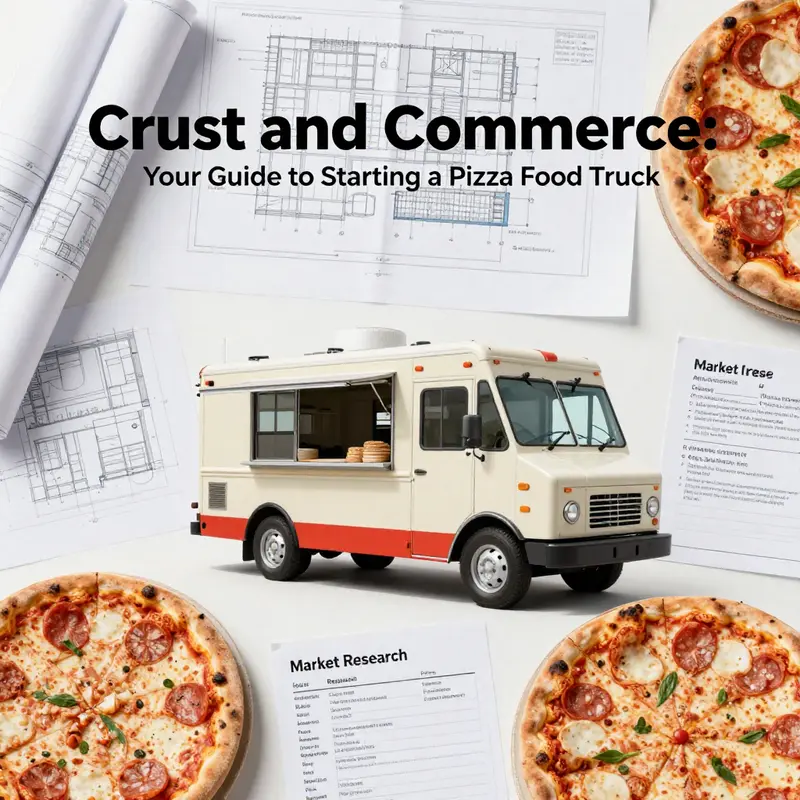
The appeal of a pizza on wheels is more than warmth and aroma; it is the fusion of culinary craft with the freedom of mobility. A successful pizza food truck starts not with the oven’s flame but with a clear concept that resonates in crowded streets, at crowded events, and in the everyday rhythms of a city. It requires a compass for what you will offer, who you will serve, and how you will differentiate yourself in a market that loves pizza as much as it loves speed and storytelling. The journey begins with a deliberate blend of passion and practical planning. You shape not only a menu but a narrative about where you fit in the local scene and why customers will choose you over the familiar pizzeria across the street. In essence, it is the concept that anchors every decision to come: the pricing you set, the location you chase, the equipment you invest in, and the tone of your branding that customers will recognize in a single glance.
The first layer of that concept is a thorough understanding of your target market. You need to know when and where people crave pizza, what they value in a mobile experience, and how much they are willing to pay for something that feels both special and convenient. This requires research into foot traffic patterns, event calendars, office clusters, and downtown v corridors where lunch crowds collide with after-work wanderers. It also means looking at the competition with a keen eye: what pizzas do other trucks and brick-and-mortar spots offer, what menus are saturated, and where a gap exists for a distinctive approach. The goal is not to imitate but to differentiate. A concept can be built around a signature style, such as a wood-fired crust with a carefully curated set of toppings, or around a service proposition that adds value beyond the slice, like a speedy, family-friendly experience or a rotating roster of limited-time riffs that keep people coming back.
A compelling concept also needs a strong, defensible unique sales proposition. It is the reason someone should choose your truck today rather than a thousand other options. This could be a signature pie with a novel topping combination, a commitment to a specific dietary niche like seasonal vegetarian or gluten-conscious offerings, or a service model that makes the interaction unforgettable, such as an ultra-fast service line or a one-person operation that maximizes efficiency and consistency in a compact kitchen. Even the choice of cooking style—wood-fired, gas-fired, or stone-oven—conveys atmosphere and authenticity that customers feel before they take a bite. The concept is the backbone of your branding, your menu design, and your storytelling across social media, signage, and in-person encounters.
A practical route to crystallizing the concept is to translate these ideas into a thoughtful business plan with core components you can test in the real world. Start with a marketing strategy that defines how you will attract people at each location and season. Outline the channels you will use, from eye-catching signage and a vibrant social media presence to partnerships with local events and venues. The plan should also specify how you will retain customers once they have tasted your pies: loyalty programs, frequent-event engagement, or a rotating menu that creates anticipation. A well-crafted concept needs a thoughtful pricing model that reflects costs while staying accessible to your customers. Balancing ingredients, labor, fuel, and a competitive landscape is a delicate art, and it often requires experimenting with pricing tiers for different sizes or toppings and offering combos that boost average order value without eroding margins.
Alongside pricing, the logistics and operations plan lays out the day-to-day reality of turning concept into consistent service. It should describe your workflow from dough preparation to oven firing and front-of-house interaction. How many hands are required during peak times? How do you sanitize efficiently in a small space? What is your standard recipe for each dough and sauce, and how will you ensure every pie meets your quality standard as you scale? The operations plan also needs to address supply chain resilience: a plan for sourcing reliable ingredients, contingency for outages, and a method for rotating menus that keeps freshness high and waste low. These are not abstract concerns; they are the scaffolding that supports growth, reduces risk, and underpins a dependable customer experience.
A critical section of the concept is how you manage and respond to the realities of permits and compliance. The path to a legal and safe operation requires obtaining a mobile food vendor license, a business license, a health department permit, and potentially a seller’s permit. Each jurisdiction can differ dramatically, so you should engage early with your city or county health department and a local small business development center to map the exact requirements. The upfront work pays off in smoother operations and fewer surprises when you roll into a new location or approach a new event. The idea is to render legal compliance as a natural extension of your concept rather than a separate obstacle you must overcome in a hurry. In practice, this means building a checklist early in the process that aligns with your planned routes and venues, and updating that checklist as your footprint expands.
Equipment and vehicle considerations anchor the concept in reality. A mobile kitchen demands more than a great recipe; it requires a kitchen designed for safety, speed, and reliable performance in a rolling environment. Depending on your concept, you may purchase a pre-owned truck that already has a fully equipped kitchen or invest in a new build customized to your needs. The core components you will require are a commercial-grade oven—wood-fired or gas-powered is common in artisanal and fast-fired models—plus refrigeration units, prep tables, and a functional handwashing station that meets health code standards. Adequate ventilation is non-negotiable; the system must effectively manage heat, smoke, and odors to keep both staff comfortable and inspections favorable. You will also need proper sinks sized for your operation and a layout that minimizes cross-contamination risks while optimizing speed of service. A well-planned kitchen layout reduces motion, improves sanitation, and keeps your staff engaged and motivated during long shifts. The financial bite of equipment is real; upfront costs can be substantial, but choosing durable, serviceable equipment reduces maintenance headaches and downtime.
Branding and customer experience complete the loop from concept to market. The signage, logo, color palette, and menu presentation should communicate the essence of your truck in a single glance. Eye-catching signage serves as a beacon in crowded spaces, while a consistent color story and typography build recognition in the same way a storefront does. A strong brand also means a cohesive social media voice that can serialize your journey, announce new toppings, and spotlight events. Consider how your branding translates to packaging, takeout boxes, and staff uniforms; consistency in every touchpoint reinforces credibility and memorability. An often overlooked element is the online ordering and delivery ecosystem, which can expand your reach but requires reliable coordination with local apps or a self-run system that communicates clearly about pickup windows, wait times, and location changes.
The journey toward launch includes a method for testing and feedback. A soft opening at a local event or farmers market can yield invaluable data about cooking times, queue management, and flavor balance under real conditions. Observing how customers interact with your menu and service model helps you adjust quickly before your street hours scale up. It also gives you material for storytelling—how you respond to feedback, how your pies evolve, and how your brand matures in the public eye. The goal is not a flawless first day but a sharpened concept that continues to grow legibly and sustainably as you accumulate experiences and data.
To illustrate how a concept can scale while maintaining quality, think of a case study of a fast-growing wood-fired pizza approach—started as a single truck and then spread to multiple locations across diverse markets. This example underscores three enduring lessons: a great product is non-negotiable, a scalable concept matters, and brand resonance translates into lasting loyalty. The product quality anchors your reputation; the scalable concept gives you the blueprint for expansion; and a strong brand creates the emotional connection that drives repeat visits. On the ground, this translates to a menu that remains focused but flexible enough to rotate toppings with the seasons, a kitchen that can reproduce that signature crust under a variety of pressures, and a brand story that customers feel compelled to share with friends and colleagues.
The broader takeaway is that turning a pizza obsession into a viable food truck is less about chasing a trend and more about delivering a tangible, repeatable experience that people want in their busy lives. Your plan should be a living document that guides decisions, monitors performance, and invites iteration. By starting with a precise concept, backing it with concrete market insights, and anchoring every choice in compliance and operational discipline, you create a platform that can weather the unpredictable rhythms of mobile commerce. The path from concept to launch becomes a series of calibrated bets: where you park, what you cook, how you price, and how you talk about it to the city and to your future customers.
The narrative of your truck matters as much as the dough you knead. When a customer arrives, they should feel that the pie is an event, not just a snack. They should sense the care behind the craft, the efficiency of the service, and the energy of a team that treats every order as a moment to earn trust. That trust compounds into loyalty as people begin to measure time by your truck’s location, your rotating specials, and the warmth of the staff who serve them. It is this blend of concept clarity, operational discipline, and brand storytelling that lifts a pizza truck from a curious novelty to a sustainable, expanding business. If you approach the venture with patience, curiosity, and a willingness to test and refine, your concept will not only survive the early months but thrive for seasons to come.
For practical steps on the kitchen layout and equipment, see how to build a pizza food truck. The page offers valuable guidance on translating a concept into a kitchen design that supports consistent quality and safe, efficient operation under real-world conditions. As you chart your path, keep in mind the broader resources available from reputable business organizations. The U.S. Small Business Administration provides a gateway to licensing, permits, and basic compliance guidance that can save you time and reduce risk as you embark on this journey. Their official site is a reliable starting point for understanding the specific requirements in your city or county, and for connecting with local mentors who can tailor general guidance to your circumstances.
From a practical standpoint, the chapter of your plan that addresses permits and equipment will determine your timeline. Permit acquisition can be the most unpredictable phase, with approvals sometimes contingent on the design of the exhaust system, the type of oven you use, or the way you handle waste and water. Budget generously for inspections and contingencies, because a delay here often constrains whether you can operate at peak venues or during key events. The equipment budget, meanwhile, should reflect not only the purchase price but also installation, warranties, and the ongoing maintenance that keeps your kitchen running in the field. A robust plan also anticipates fluctuations in foot traffic. Some days you will see lines that stretch around the block; other days may resemble quiet evenings in a neighborhood market. Flexibility in scheduling, staffing, and menu options helps you adapt without compromising the quality customers expect when they see your truck pull into a lot.
In the end, the strongest concepts are those that endure beyond a single trend. They create a story that people want to tell and a product that makes them crave more. The ambitions here are not grandiose fantasies but precise, executable steps that convert a perfect dough into a thriving, mobile business. The concept, then, acts as your north star, guiding you through licensing hurdles, equipment decisions, branding choices, and the day-to-day realities of cooking for a moving audience. If you honor that alignment and stay responsive to market signals, your pizza truck can become more than a vehicle for pizza—it can become a recognizable, beloved fixture in the urban fabric, a place where neighbors meet, share a bite, and become regulars who watch for your next appearance on the calendar.
External resource for broader guidance on planning a food truck venture is available at Shopify, which offers a comprehensive template and examples for writing a food truck business plan: https://www.shopify.com/blog/food-truck-business-plan-template
Rolling with the Right Paperwork: A Thorough Legal Roadmap for Launching Your Pizza Food Truck
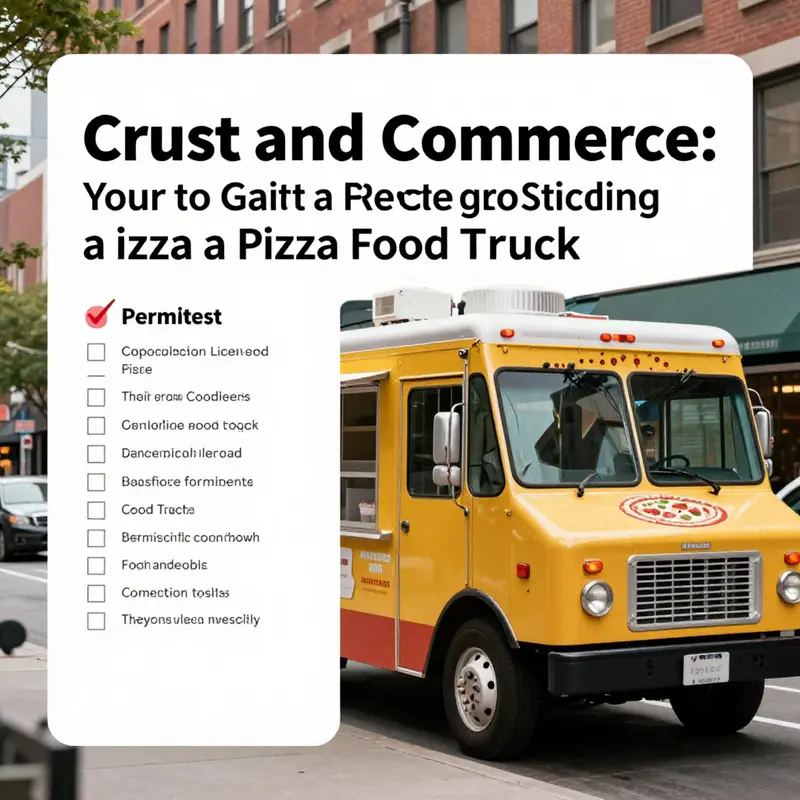
Launching a pizza food truck is more than great dough and faster ovens. It is a careful choreography of permits, registrations, and safety protocols that keep your wheels turning and your customers safe. When you approach legality as a strategic ally rather than a checklist to tick off, the path to a compliant, reputable mobile pizzeria becomes clearer, steadier, and more sustainable. This chapter offers a cohesive walk-through of the core legal steps that frame a successful launch. It connects the practical realities of a tiny commercial kitchen on wheels with the larger need to protect your business, your crew, and the people you serve. The goal isn’t to overwhelm you with red tape but to illuminate how each requirement fits into the daily rhythm of a pizza truck: preparing ingredients, meeting health standards, serving hot slices, and growing with confidence.\n\nBegin with the choice of how you’ll structure your business. The decision to operate as a sole proprietor or to form an LLC changes how you file taxes, how liability risks are allocated, and how you plan for growth. A sole proprietorship is the simplest path and can work in the early stages, but it leaves personal assets more exposed if liabilities arise. An LLC, on the other hand, provides a layer of liability protection while preserving flexibility for a lean startup. The trade-offs deserve careful consideration, ideally with a quick consult from a small business advisor or attorney who understands local nuances. Alongside this choice, you’ll register for a federal Employer Identification Number and establish state and local tax accounts. An EIN is not just a bureaucratic badge; it is a clean way to separate personal and business finances, which simplifies banking, hiring, and reporting as you scale.\n\nAs you set up the legal spine of your operation, the health and safety framework becomes the next critical pillar. A Food Service Establishment Permit is the gateway to legitimate food handling in a mobile setting. Securing this permit means demonstrating that your truck’s layout supports sanitation, temperature control, and safe food preparation. The health department will expect a kitchen designed for sanitary flow: clearly defined zones for raw and cooked foods, reliable handwashing stations, waste separation, and cleanable surfaces. The inspection process isn’t a test of your passion for pizza alone; it’s a verification that a customer can eat safely in your vehicle on a bustling street corner or at a festival. Prepare by mapping your workflow from receiving ingredients to serving the last slice. If you’re building or retrofitting a truck, ensure that the refrigeration units, heat sources, and ventilation systems are properly integrated and accessible for routine cleaning. A well-planned layout reduces the chance of contamination, speeds service, and makes inspections smoother.\n\nNearby in the regulatory landscape sits the Mobile Food Vendor Permit, a specialized credential that recognizes the unique nature of operating on wheels. The permit often hinges on local zoning rules, hours, and permitted locations. Some municipalities place restrictions near schools, hospitals, or certain event venues; others cap operating hours to preserve neighborhood quiet or traffic patterns. Understanding these constraints early can save you from costly reconfigurations after you’ve started moving. You’ll likely encounter inspections specific to a mobile operation, such as vehicle waste handling, grease management, and vehicle fire safety. The goal is not to exceed the rules but to design your operation within them so you can respond quickly to permit renewals and any new local ordinances that arise as your business evolves.\n\nFire safety is a topic that sometimes gets overlooked in the excitement of dough and doughy aromas. Yet it is nonnegotiable for a kitchen that uses high-heat ovens, open flames, or gas lines. Compliance means a practical combination of proper equipment, clear evacuation routes, accessible extinguishers, and well-maintained ventilation systems. Regular checks and drills with your crew become routine parts of shift prep rather than rare, emergency-only practices. The more you institutionalize safety, the less likely you are to encounter costly violations or delays in the event of an surprise inspection. The same attention applies to waste disposal and grease management. Establish a plan for segregating recyclable and nonrecyclable waste, coordinating with local disposal services, and ensuring grease is collected and disposed of according to your jurisdiction’s guidelines. A clean, compliant truck is a better representation of your brand and a safer workplace for your team.\n\nInsurance is the umbrella that guards your enterprise against unpredictable weather on the road. General liability insurance covers the basics—bodily injury or property damage claims arising from ordinary operations. A commercial auto policy is essential because your business literally travels to customers, events, and pop-up locations. If you hire employees, workers’ compensation insurance becomes a prudent necessity, protecting both staff and the business from on-the-job injuries. These coverages do more than fulfill requirements; they create a foundation of trust with customers and partners. When you price your menu and plan for growth, include the cost of appropriate insurance as an ongoing line item. It is not a reaction to risk but a deliberate element of responsible expansion.\n\nIf your plans include selling alcohol alongside pizza, you’ll add another layer of licensing and compliance. Liquor licenses bring state and sometimes city oversight into your operations, along with more stringent inventory controls, training, and record-keeping. The severity and scope of requirements vary widely by location, and the process can be lengthy. Approach it only after you have established a stable core operation, because the alcohol component compounds both regulatory attention and financial commitment. Treat it as a future growth lever rather than a starting point. The same disciplined mindset applies whether you’re pursuing a formal liquor license, a beer-and-wine permit, or any other controlled offering.\n\nThe practical rhythm of compliance extends beyond obtaining permits. It encompasses ongoing record-keeping, audits, and renewals. A core habit is maintaining organized, easily accessible documentation. This includes your formation documents, permits, inspection reports, insurance certificates, and any correspondence with regulatory agencies. A simple, well-maintained folder system on a cloud drive can save hours during renewal periods or in the event of an unplanned audit. Embrace digital tools that help you track expiration dates for licenses, test results, fire safety drills, and staff training. These practices reduce stress and create a professional spine that supports growth rather than punishes you for a late reminder.\n\nOne of the most empowering ways to navigate these requirements is to engage early with local authorities and support networks. The health department can walk you through kitchen layout expectations and appropriate sanitation procedures. The zoning or business licensing office can explain where you may operate, which permits apply to your vehicle, and how to handle temporary locations like farmers’ markets or festivals. Speaking with a small business development center or a local chamber of commerce can illuminate funding opportunities, mentorship, and checklists that demystify the process. When you approach regulators as a partner rather than an obstacle, you often unlock faster approvals, practical tips, and a level of goodwill that serves your business in the long run. The experience also helps you anticipate seasonal shifts in permit requirements, such as special event permits or short-term use approvals that align with your revenue calendar.\n\nTo bridge theory and practice, consider how a simple, well-documented process could look on a busy service day. You start with your daily checklists, which include refrigeration temperatures, food safety logs, and cleaning schedules. You verify that all staff have up-to-date training certificates and that your waste removal system is functioning. You review the vehicle’s fire safety equipment and confirm accessibility to all critical components. As you begin service, you monitor the flow of orders, the time-to-serve, and the customer feedback. If the health department or mobile vendor inspectors visit, you can demonstrate that your procedures are repeatable and measurable, not improvised. This is not just compliance for compliance’s sake; it’s a framework that sustains quality, protects your customers, and supports efficient operations across a growing calendar of events.\n\nThe path to legality also invites you to reflect on your brand’s narrative. Compliance is part of your identity as a responsible business owner who respects neighbors, partners, and patrons. When you communicate about your permits and safety standards clearly on menus or in venue agreements, you build credibility. Customers who see you as well-led and properly licensed are more likely to become repeat visitors, especially in urban environments where many food options compete for attention. A thoughtful compliance story can become a competitive differentiator, signaling that every slice is crafted within a trusted framework rather than created in a ventilation-scented rush. This mindset helps you navigate the inevitable slow days and the fiery weekends with a steadier sense of purpose.\n\nTo keep your approach grounded, lean on practical resources that distill complex requirements into actionable steps. For example, a well-structured guide on legal steps for launching a food truck can be a reliable companion as you outline your site plan, permits, and schedule. legal steps for launching a food truck serves as a helpful reference point for aligning your internal processes with local expectations. It’s not a substitute for local counsel or the official agencies you’ll interact with, but it can help you organize your thinking and prepare the documentation you’ll need. Remember that every jurisdiction has its own rhythm, so use such resources as a starting frame rather than a final authority. Your own city or county will tailor the specifics, and that tailoring is a strength you can leverage by asking precise questions and recording the answers in your compliance notebook.\n\nAs you approach the endgame of preparation, keep in mind that legality is a dynamic partner. Regulations shift with city planning changes, environmental concerns, and evolving health standards. Staying ahead means setting recurring checks in your calendar—permit renewals, inspection windows, training refreshers, and insurance policy reviews. Build a simple annual compliance calendar that maps out renewal dates, expected inspections, and deadlines for any new licenses tied to your growth. When you manage compliance as an ongoing discipline, you reduce the chance of last-minute scrambles and you preserve the momentum that makes your pizza truck reliable enough to appear at back-to-back events without hesitation.\n\nFinally, the big-picture takeaway is that the law isn’t a gate to slow you down—it’s a framework that protects your craft as it travels. You will knead dough in a truck, but you also knead a business plan that is provably sound, supported by permits, insured, and anchored in safe operation. When you approach every step with clarity, organization, and a readiness to learn, you transform potential friction into a driver of quality and consistency. Your team benefits from predictable routines; customers benefit from consistent safety and service; and the venture benefits from the trust that comes with professional, compliant practice. In that light, legal compliance becomes not a burden but a backbone for your pizza on wheels, helping you turn a mobile dream into a durable, thriving enterprise that can weather changes in markets, seasons, and tastes. If you carry that perspective into the first week of operation—when the oven warms up and the queue forms—you’ll find that compliance and craft can co-create a compelling, resilient business that serves great pizza and sustains you and your crew for years to come.\n\nExternal resource: For a structured, step-by-step overview of government guidance and practical considerations, visit the U.S. Small Business Administration’s guide on starting a food truck business at https://www.sba.gov/business-guide/launch-your-business/start-food-truck-business. This resource complements the internal steps you’ve already mapped and helps anchor your approach in broadly accepted best practices.
Rolling Kitchens, Real Returns: Mastering the Equipment, Compliance, and Marketing Engine of a Pizza Food Truck
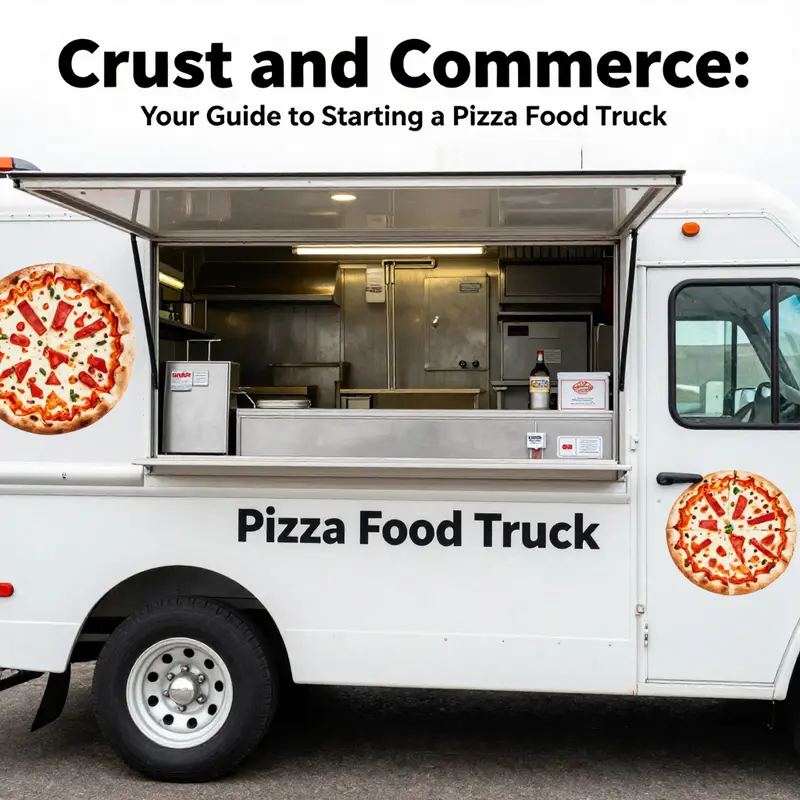
The allure of a pizza on wheels blends craft with commerce in a way that few other ventures do. It’s not just about tossing dough and sliding pies into an oven; it’s about crafting a mobile experience that travels with you—literally and figuratively. The day you roll your first unit onto a bustling street or a sunlit event ground, you’re verifying a basic truth: the success of a pizza food truck rests on three interlocking gears. The right equipment keeps the pies pristine and the operation efficient. Legal and logistical groundwork keeps you authorized, safe, and able to trade. And a thoughtful, magnetic marketing approach pulls customers toward you rather than chasing them down. When these gears mesh, the truck becomes less a vendor and more a beloved corner of the culinary landscape that happens to move.
To start with, picture your vehicle as a compact theater behind a glass window, where heat, dough, and aroma do the talking. The vehicle you choose—whether a custom-built mobile kitchen or a pre-owned, retrofitted rig—shapes every practical decision you’ll make next. A reliable, insulated option such as a fiberglass steel food trailer sets the stage for consistency in performance, regardless of shifting weather or long service hours. Insulation isn’t just about temperature. It preserves energy, reduces wear on your equipment, and provides a more predictable work environment for your crew. The base vehicle becomes a platform for a high-caliber culinary operation, and that starts with the oven. A commercial-grade pizza oven—whether wood-fired for that smoky depth or gas-powered for steady, controllable heat—defines what you can offer and how quickly you can turn dough into the finished product. The oven isn’t a single piece of gear; it’s a hub around which your entire workflow gravitates. Adjacent to the oven, refrigeration units keep dairy, greens, meats, and perishables within safe temperature ranges, while prep counters in stainless steel provide durable, sanitary surfaces for shaping dough, assembling toppings, and portioning ingredients. Every inch of counter space should be purposeful, with zones that minimize cross-contamination and maximize speed. An exhaust hood system, properly vented and sized for the oven’s output, safeguards air quality and sets you up for ongoing compliance with health and safety regulations. Storage solutions, from utensil drawers to packaging stock, complete the chain of readiness that allows you to operate with speed and accuracy. Think of these elements not as isolated gadgets but as a cohesive kitchen on wheels, where flow, sanitation, and accountability are visible at a glance.
For operators eyeing expansion beyond pizza, or those wanting a café-like edge, a coffee station or a fryer can broaden the appeal without bloating the footprint. The decision to diversify should be guided by your menu design. If you’re pursuing a lean, focused concept—perhaps a tight repertoire of artisan pies—your equipment needs may skew toward higher-capacity ovens and more refrigeration to support fresh, premium ingredients. If you’re weaving in a breakfast or brunch angle with espresso drinks and savory sides, you’ll want a compact but capable coffee setup and a fryer or grill that mirrors the oven’s throughput. The menu, in short, is the primary determinant of gear, and gear determines speed, consistency, and the ability to meet customer expectations in crowded environments. When planning, it’s wise to translate menu items into a practical equipment list before you buy, so you avoid over-investing in gear you won’t use every day.
The vehicle choice and equipment layout also hinge on how you intend to operate. Some owners of pizza trucks prefer a completely custom build to optimize kitchen flow and hook up order management with a particular movement pattern—downtown clusters on weekday lunchtimes, followed by college campuses on weekends, then sports stadiums or festival grounds when the weather cooperates. Others opt for a pre-owned truck that has been sanitized, reconditioned, and repurposed with a specialized pizza setup. Either path can work, but each comes with its own considerations around warranties, potential retrofits, and compliance checks. A pre-owned unit can be a practical, lower-risk way to begin, especially if you’re testing a concept or keeping overhead tight. A custom build, while more expensive upfront, often yields better long-term efficiency, a more intuitive workflow, and the chance to tailor every feature to your brand’s needs. In both cases, ensure you understand health and safety codes and have the vehicle inspected before you begin serving customers. A clean bill of health for your kitchen is not just a regulatory box to check; it’s a trust signal to customers who will judge your operation by the cleanliness of your space the moment they step up to your window.
If you want a practical, step-by-step blueprint to actually building the kitchen, you can explore How to Build a Pizza Food Truck. This resource gives a grounded sense of the physical layout, the sequencing of components, and the practical realities of a mobile kitchen. It is also valuable to consider the intersection of design and dining experience: where do customers look, how do you signal your specialties, and what moments of engagement can you engineer into a busy service? A well-planned setup helps you maintain a high standard of food quality while keeping service lines short and smiles long.
Beyond the oven and the cold boxes, think about the operational backbone: water supply, drainage, and power. A reliable water system is essential for hygiene and cleanup. Your truck should have a clean, efficient handwashing station, accessible to staff and customers where appropriate, and designed so that washing and sanitizing do not disrupt service flow. Drainage must be managed to prevent any backflow or contamination risk, with properly sloped floors and approved gray-water containment. Power supply needs aren’t glamorous, but they’re critical. Will you run off a battery system, a generator, or a grid-supplied connection? Each option carries implications for fuel costs, noise, and reliability, and each interacts with your choice of ovens, refrigeration, and heat sources. Your plan should map peak service times to energy demands, leaving headroom to prevent outages during rush periods. In practice, the day-to-day reality of a mobile kitchen is a negotiation among heat, cold, water, and electricity, with timing and choreography as your constant baselines. When you get this balance right, you reduce waste, preserve product quality, and keep staff focused on the guest experience rather than on the mechanics of hard-pressed operations.
The legal and regulatory landscape is the second hinge that stabilizes the wheel. Permits and licenses are not optional accessories but non-negotiable foundations that vary by city and county. Health departments may require a separate permit tied to the vehicle’s kitchen equipment, and many locales insist on an annual or biannual inspection before you’re cleared to operate. A mobile food vendor license or business license typically sits alongside a seller’s permit and possibly a tax registration, all of which contribute to legitimate operation and easy access to local events or contract catering. The costs to obtain and renew these permissions can be significant, and they tend to scale with the size of your operation and the locations you target. A thorough planning phase accounts for these expenses, so you aren’t surprised by late fees or inspection delays. In many communities, the process depends on your health department’s interpretation of your menu and your equipment. Clear, proactive engagement with local authorities can shorten timelines and reduce friction at the point of launch. It’s wise to build a relationship with the city or county health department and, if possible, a local small business development center. They can provide insight into permits, inspections, and best practices for mobile food operations, which helps you avoid costly mistakes that could stall your rollout.
Staffing decisions come into sharper relief once you have your kitchen and your legal footing in place. Will you run the truck solo, or will you build a small team to handle prep, service, and logistics? A one-person operation keeps payroll lean but places heavy demands on time management, stamina, and multitasking. A small, well-trained crew can elevate service levels, especially during high-volume events or busy weekend shifts. If you hire, you’ll need to budget for wages, payroll taxes, uniforms, and ongoing training. Training isn’t just about how to assemble a pie; it includes food safety, line management, customer service, and sanitary practices. The better your staff, the more consistently you can deliver the same high-quality product across different days, events, and locations. Given the seasonal nature of many events and the unpredictability of crowds, you may also want a flexible staffing plan that allows you to scale up quickly for peak periods and scale down when demand softens. All of these considerations feed into your financial model, shaping expenses and revenue potential.
From a financial perspective, there are ways to minimize startup costs without sacrificing quality. Sourcing used or refurbished equipment can shave thousands off your initial outlay without compromising safety or reliability if you conduct due diligence. Start with a streamlined menu that focuses on your strongest offerings, reducing the breadth of ingredients and the complexity of your prep. This simplification can translate into smaller refrigeration needs and a shorter cooking cycle, both of which improve throughput. If you’re open to community support, consider crowdfunding or pre-sales to validate demand and build customer loyalty before you hit the street. A well-executed pre-launch plan can fund some of the initial branding and equipment investments while you refine your concept.
The marketing engine that powers a pizza truck is often the difference between steady street revenue and a hit-or-miss season. A strong digital presence is not optional; it’s part of the service you provide to your customers. Use social channels to showcase your latest pies, capture behind-the-scenes footage of your dough stretching and oven work, and announce your daily or weekly pop-up locations. Geotagging your posts helps local customers find you when you’re nearby, turning casual scrollers into nearby patrons. An integrated marketing approach also includes practical conveniences for customers: clear signage with a legible menu and prices, an easy ordering flow, and simple ways to pay. If possible, integrate online ordering to streamline peak times and reduce line length. The addition of a loyalty program, seasonal specials, and cross-promotion with local businesses can cultivate a devoted following that tracks your schedule, not just your whereabouts. Consider partnerships with event organizers, farmers’ markets, or neighborhood associations to secure regular spaces where customers anticipate your arrival rather than chase you across the city.
The narrative you tell through your branding—your logo, your color palette, your oven’s signature baked aroma, and the way you engage with customers—will determine whether first-time visitors become repeat guests. Signage should be bold but legible from a distance; packaging should be sturdy and recyclable where possible; and the voice you use online should be consistent with the face you present at the window. A strong brand doesn’t merely decorate your truck; it announces a unique experience. Your menu can reflect this brand story, with a few signature pies that personify your concept and a few crowd-pleasers that ensure broad appeal. The best mobile brands feel like pop-up restaurants that happen to be moving machines. They leverage a clear concept, a reliable kitchen workflow, and a consistent customer-facing narrative to make an impression that lasts far longer than the service window.
A practical anchor for these ideas is a single, well-structured resource that walks through building the kitchen and setting up a food-truck operation step by step. For a deeper dive into the actual build process, you can explore How to Build a Pizza Food Truck, which mirrors many of the real-world decisions I’ve described here and offers a grounded, hands-on reference point that complements this chapter. This cross-reference isn’t about duplication; it’s about giving you a coherent map from concept to street-ready operation, linking the physical kitchen to the business framework that supports it. With the equipment chosen for reliability, the legal and logistical bases secured, and a marketing strategy that resonates with your target audience, your pizza truck can become a credible, enduring, and tasty fixture in your community.
As you move toward launch, you’ll want to see how the pieces fit in practice. A soft opening at a local farmers’ market, festival, or first-come-first-serve street corner provides a controlled environment to test your menu, timing, and customer experience. Take notes on which pies sell out first, which toppings draw the most attention, and where customers line up most quickly. Collect feedback on everything from crust texture to the speed of service and the clarity of your signage. This is the time to refine your recipes, tighten your prep sequence, and ensure your sanitation routines are as smooth as your service. A soft opening also helps you calibrate your logistics for a full launch, including how often you replenish ingredients, how you manage waste, and how you schedule staff for expected rush periods. When the feedback loops close, you’ll be better prepared to scale strategically—expanding to additional locations, adding menu items that fit your core concept, and maintaining your standards as your crew grows.
In sum, the operational core of a pizza food truck is an intricate balance of hardware, compliance, and a living brand. The equipment must be robust enough to deliver quality consistently, the regulatory frame must be navigated with care and foresight, and the marketing engine must be tuned to pull crowds in a crowded food landscape. Your success hinges on the quiet, patient work of planning—meeting the realities of permits, inspections, and budgets head-on while simultaneously dreaming up the immersive guest experience you want to deliver. When equipment, compliance, and marketing move in concert, your mobile kitchen becomes not simply a place to eat, but a traveling invitation to savor the craft you bring to every slice.
External resource: The Food Truck Association Start Your Truck Guide
Final thoughts
Launching a pizza food truck business requires careful planning and dedication. By understanding the essentials of business development, adhering to legal requirements, and effectively setting up your operational processes, you can pave the way for a successful food truck venture. Each aspect, from perfecting your pizza recipes to engaging with your community, contributes to creating a memorable experience for your customers. As you embark on this delicious journey, remember that creativity, compliance, and culinary excellence are the keys to standing out in the competitive mobile food market.