
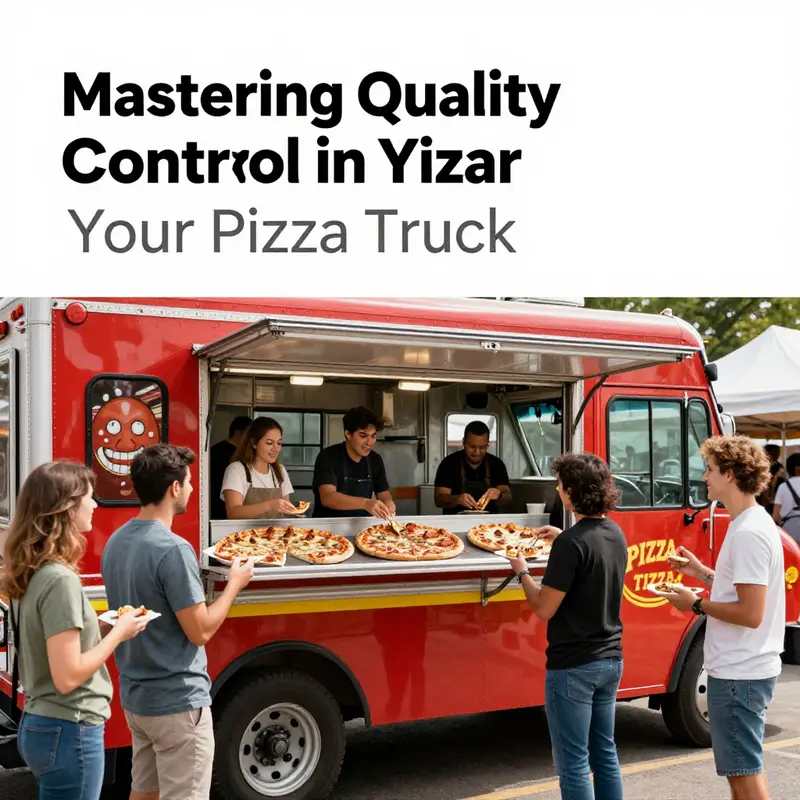
In the competitive landscape of mobile food service, maintaining high quality in pizza offerings is paramount for success. For pizza truck operators, standardized recipes, fresh ingredients, and clean equipment are cornerstones that directly impact customer satisfaction and business longevity. This article delves into actionable strategies to control quality across these critical areas, ensuring that every slice served meets the highest standards. By implementing designated practices from standardization and ingredient management to equipment maintenance, pizza truck owners can cultivate a reputation for excellence that will keep customers returning for more.
Turn Every Shift Into a Signature Pie: Standardizing Recipes and Processes for Pizza Truck Quality
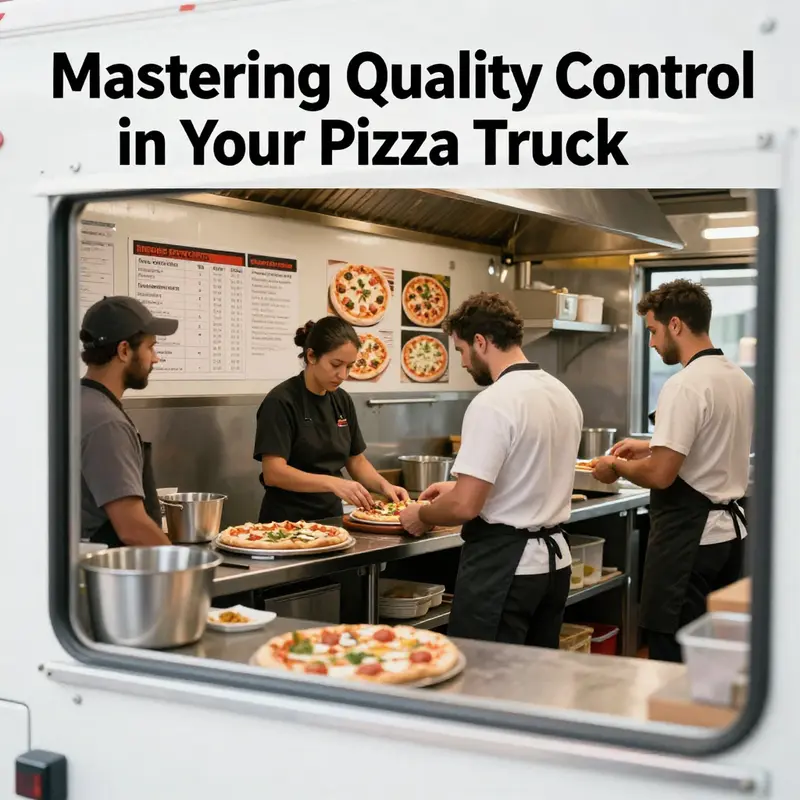
Standardizing recipes and processes is the single most practical lever a pizza truck operator can pull to turn variable days into a dependable product. In a confined, moving kitchen with one or two people juggling dough, ovens, orders, and customers, small inconsistencies quickly become visible: a soggy center, a burnt crust, or a topping imbalance. The goal is to remove guesswork, so every pie that leaves the window matches the intent behind the recipe and the promise on the menu.
Start by treating each recipe as a product specification rather than a culinary suggestion. That means measuring ingredients by weight, not by sight. Dough formulations need clear percentages—flour, water, salt, yeast, and any fat should be defined precisely. When the hydration, salt percentage, and fermentation time are set, the dough behaves predictably. High hydration offers open crumb and blistered crusts, but it can be messy in a tight truck. A slightly lower hydration keeps handling efficient without sacrificing texture. The recipe should note exact dough ball weight and the shelf placement for dough during service. When each dough ball weighs the same and is rested the proper time, the chef can predict stretchability and oven behavior.
Sauces and cheeses deserve the same rigor. For sauce, quantify volume per pizza and specify viscosity or straining steps so the same amount of sauce spreads the same way. If the sauce is reduced, canned, or prepared in-house, include cooking time, acid adjustments, and cooling steps. Cheese should be portioned to the gram and described by cut or shred size. Pre-shredded blends and pre-portioned bags reduce prep time and variance, but the standard must note how much to use for each pizza size and style. For ingredients that vary with seasonality, define acceptable ranges and fallback options so the team never improvises under pressure.
Portioning toppings is where labor, speed, and waste converge. Pre-cut toppings organized in labeled, portion-controlled containers speed assembly and maintain quality. A single staff member should be able to reach for a labeled pouch and know it contains the exact amount needed. Portion cards or color-coded scoops at the topping station make visual confirmation instant. This is not simply a time-saver; it also protects inventory and margins by preventing over-topping.
Standard operating procedures must cover the complete lifecycle of an order. A clear process begins with prep and ends with handoff at the window. Pre-shift checklists should define what’s prepared, how much, and where it’s stored. Mid-shift, a simple prep cadence—three dough balls on the bench, three in the oven, three resting—helps synchronize flow. The assembly line within the truck must be deliberate: dough station, sauce station, topping station, oven access, and plating. Design the physical layout so movement is minimal and sequential; when hands cross or reach back, time and quality are lost.
Ovens are the heart of the truck. Choose oven parameters that match the menu and standardize bake times and temperatures for each item. Record the exact oven type and settings for every pizza style so cooks can reproduce results across shifts and vehicles. Establish loading patterns and rotation rules to avoid hotspots and ensure even baking. In trucks with rapid, high-heat ovens, the protocol might call for one operator to monitor timing while another handles assembly. If the truck has limited oven space, the SOP should address queuing and batching rules to maintain throughput without sacrificing quality.
Documentation must be built into the workflow and visible in the workspace. Post step-by-step guides: photos of a properly stretched dough, a correctly sauced base, and a finished pizza ready to pass to the window. These visual cues reduce training time, lower error rates, and serve as immediate correction points during service. Keep SOPs concise, with explicit do-and-don’t notes: how long to rest dough balls, how far to spread sauce from the edge, how to layer toppings to avoid steam pockets. Mount a tablet with short demonstration clips for complex tasks—stretching, turning pizzas, or cleaning mid-service—so employees can review procedures in real time.
Training should be iterative, hands-on, and measurable. New hires should spend time working alongside an experienced cook, practicing set numbers of pizzas until they meet a quality checklist. Use a scoring sheet that measures crumb structure, oven color, cheese melt, and topping distribution. Practicing under low-volume conditions helps the crew internalize rhythm. Schedule short drills during slow periods to rehearse opening, peak, and closing routines; these rehearsals make actual service more predictable.
Standardization also extends into inventory and prep planning. The truck must balance limited storage with the need for freshness. Implement FIFO inventory rotation and set clear par levels for each ingredient based on historical sales and event forecasts. Prep amounts should be conservative and scalable: prepare multiple small batches rather than one large one that risks spoilage. Document how much of each ingredient to bring for different shifts and weather conditions. For example, a weekend festival requires different dough and topping counts than a weekday business district lunch. Inventory software helps, but simple daily logs and physical counts work reliably in a small operation.
Quality control checks should be simple, fast, and embedded in the service flow. Before a pizza leaves the truck, a one-line checklist—correct pizza type, correct toppings, correct weight or portion, visual doneness—prevents obvious errors from reaching customers. Encourage staff to call quality issues out without fear. When mistakes occur, record them with a brief note: what happened, why, and who corrected it. Over time these notes reveal trends that feed back into recipe or process tweaks.
Small adjustments often yield the largest gains. If pizzas consistently come out underbaked at the middle of service, adjust the oven loading pattern or preheat routine. If a topping loses texture, change the arrangement or the pre-cook method. These tweaks should be tested on a small scale, documented, and then added to the SOP so the improvement propagates across shifts.
Technology makes standardization achievable at scale. Digital scales keep portioning consistent. Timed alerts tied to the point-of-sale system can prompt prep for predicted demand spikes. Inventory tools track usage and alert when expiration dates approach. Mount a single tablet running production checklists and visual SOPs so the crew has one source of truth. These digital aids create a trail that links actions to outcomes and simplifies training for new hires.
But standardization must remain flexible enough to support creativity and local tastes. Designate a limited section of the menu for specials and explicitly define how specials are integrated into the workflow. Specials should be tested and then given clear recipes, portioning, and cook parameters. Reserve the right to suspend specials that interfere with core production during peaks. This preserves the brand promise for the core menu while allowing the truck to remain relevant to local trends.
Operational resilience depends on cross-trained staff. In a small truck, anyone may need to step into any role. Train each team member to perform multiple tasks: dough stretching, oven tending, order taking, and cleaning. Cross-training reduces single points of failure and helps maintain service standards when staff change mid-shift or during high traffic.
Keep records short and actionable. A single logbook or tablet entry that captures daily temperature checks, prep quantities, and any corrective actions keeps accountability tight. Review logs weekly to spot recurring issues. Use those insights to refine recipes, adjust par levels, or modify SOPs.
Finally, create a culture that champions the standard. Reinforce why the steps exist: consistent flavor, reduced waste, happier repeat customers, and predictable margins. Celebrate wins—when a new hire meets the quality checklist or a busy festival runs smoothly. When staff see the link between process and outcome, adherence becomes a source of pride rather than a chore.
Standardizing recipes and processes in a pizza truck is not about eliminating creativity or turning cooks into robots. It is about building a repeatable foundation so creativity lands reliably in the hands of customers. With clear recipes, disciplined prep, visible SOPs, targeted training, and lightweight technology, a pizza truck can serve the same great pie at the hundredth service as it did on day one. The result is consistent quality, controlled costs, and the freedom to scale service without sacrificing soul.
For practical guidance on documenting and implementing standard procedures for mobile food operations, consult the government resource on standardizing food truck operations for step-by-step templates and checklists: https://www.sba.gov/business-guide/plan-your-business/develop-a-business-plan/standardize-your-food-truck-operation
For a real-world look at designing the customer-facing side of a truck around consistent production, see this account of the typical pizza truck experience: pizza truck experience.
Freshness on the Move: Ensuring Ingredient Integrity in Mobile Pizzerias
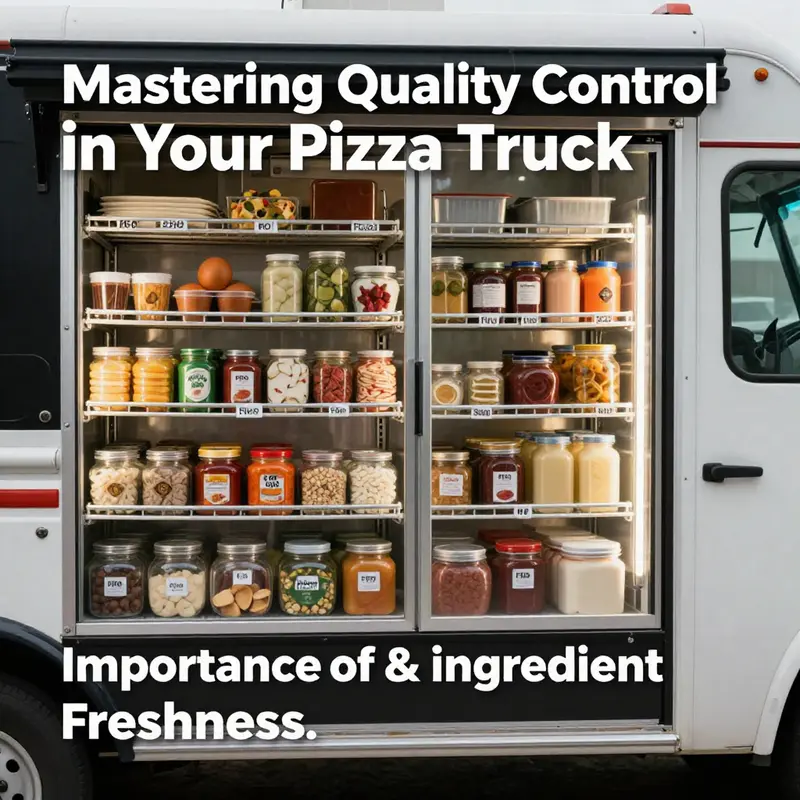
The challenge of keeping ingredients fresh on a pizza truck goes beyond buying good products; it’s a discipline of cold chains, careful storage, and disciplined handling that travels with the truck. In a mobile kitchen where space is tight, every decision about temperature, packaging, and inventory can ripple through flavor, safety, and customer trust. Freshness is the baseline of quality that underpins every slice. A truck that preserves ingredients with precision builds a reputation for reliability that people notice even before they notice the crust. When you manage freshness well, you reduce waste, stabilize costs, and reinforce your brand promise in every bite.
At the heart of freshness is the cold chain. Perishables such as cheese and greens must stay at or below 4 C to slow bacteria and preserve texture and flavor. This is not a guideline but a daily constraint that shapes the layout of the truck, the positioning of coolers, and the service rhythm. Modern pizza trucks rely on insulated refrigerated compartments with digital temperature monitoring. These systems do more than keep temperatures steady; they provide real time data and alerts so managers can respond before drift becomes a quality issue. Practically, temperatures are logged, alarms set, and crews learn to read data as part of routine work.
The art of storage supports the science of temperature. Clear organization and strict rotation. FIFO keeps perishables moving in a controlled cycle. Raw items like peppers, mushrooms, or pepperoni should be kept in sealed containers or vacuum bags to minimize moisture loss and protect against cross contamination. Cheese belongs on the coldest shelf, wrapped to slow dehydration while keeping moisture and texture. Dough deserves airtight labeled containers and either refrigeration or freezing depending on usage. A well ordered cold zone reduces the chance of misplaced items or forgotten leftovers.
To protect freshness, many operators supplement storage with smart packaging and cooling aids. Insulated packaging with gel packs travels well. Phase change materials can extend time between checks and help maintain a stable environment during peak service hours or long shifts. These tools translate into consistent flavor and texture. In practice, this means mozzarella stays supple, tomatoes keep brightness, and herbs remain vibrant when they reach the assembly area.
A critical but often overlooked aspect is minimizing exposure time outside refrigeration. The FDA danger zone concept applies: perishable foods left at room temperature for more than two hours, or one hour if above 32 C, can multiply bacteria rapidly. The practical implication for a pizza truck is simple: remove ingredients from refrigeration only when you will use them, and return unused portions promptly. This rule governs what is pulled from the cooler for assembly, how long toppings sit on prep tables, and how long prepped components can wait before ovens warm up.
Cross contamination is another risk. Color coded storage bins, dedicated utensils for dairy versus vegetables, and clearly labeled lids help prevent mix ups that can compromise safety and flavor. In a compact truck, you may need to compromise, but you should not cut corners. Keep dairy on the coldest, separate zone, store ready to use items away from raw components, and sanitize cutting boards and knives between tasks. The goal is a small system that functions like a larger kitchen, where every tool has a clear job.
Inventory management becomes a balancing act between freshness and practicality. Stock levels should match expected demand for each shift, not an abstract notion of enough. Overpacking slows movement and increases spoilage, while understocking can force substitutions that undermine consistency. Digital inventory tools provide visibility: real time stock levels, expiration dates, and automated alerts help proactive decision making. A well tuned system minimizes waste and ensures the most flavorful ingredients are available when customers crave them.
People are the drivers of freshness. Training should cover why temperature targets matter, how to read a thermometer, and what to do when a unit shows an alert. Staff should understand FIFO, rotation, and sanitation, and translate that knowledge into action during a busy service. Drills that simulate refrigeration failure or a rush of orders help staff internalize the right responses. It is not enough to memorize a checklist; workers must improvise within a structured framework when conditions change.
Supplier relationships matter too. Reliable suppliers who provide clearly labeled products with stable shelf lives reduce the need for emergency substitutions. Build a routine of pre service checks where the team verifies temperature logs, inspects packaging, and confirms there is no sign of leakage or spoilage. A well executed pre service check acts as a safety net against issues that could undermine quality.
Continuous improvement comes from real time monitoring—IoT sensors or digital thermometers—that yield data guiding subtle changes in storage, rotation, or prep. A small shift like shortening the distance from fridge to prep station or adjusting the timing of when toppings are prepped can yield meaningful gains. When teams view data as a partner rather than a nuisance, the daily routine becomes a platform for refinement. This linkage between freshness and customer satisfaction means a guest notices the brightness of a tomato, the snap of a pepper, or the melt of the cheese as evidence of a well run system.
For readers seeking practical takeaways, start with a repeatable routine that ties temperature monitoring, FIFO, and exposure limits. Install a reliable digital thermometer with remote alerts for each major refrigerated space. Define a 24 hour rotation window to ensure oldest prepped ingredients are used first. Set a maximum exposure limit consistent with local climate. Train the crew to pause service briefly if a temperature alert occurs, and empower them to act without waiting for a supervisor. Pair this with a robust labeling system and clear storage zones that separate raw from ready to use ingredients. With these elements, a pizza truck can deliver consistent quality across locations and hours of operation.
In closing, freshness on the move is a discipline that blends science, process, and care. Prioritize the cold chain, organize storage with precision, leverage packaging and cooling aids, limit exposure time, and invest in training. The result is not only safe, tasty food but also a reliable promise that quality travels with you, bite after bite, service after service, across the miles.
Ensuring Equipment Cleanliness and Maintenance in Pizza Trucks
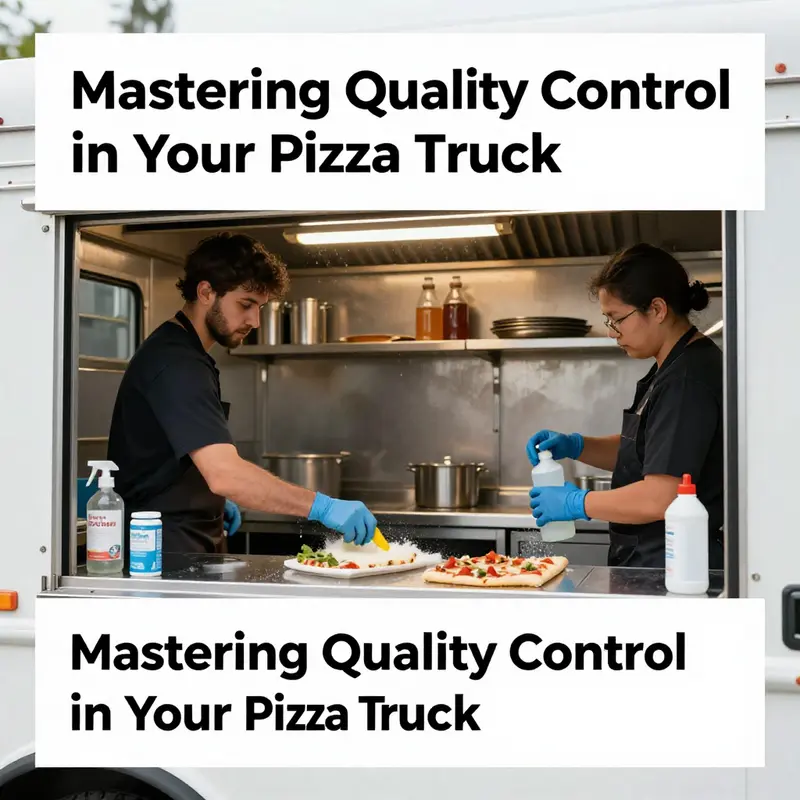
In a pizza truck, cleanliness is the architecture of safety, consistency, and efficiency. The compact footprint of a mobile kitchen makes every crumb, smear, and grease trail a potential risk to safety and service. A disciplined approach to cleaning and maintenance forms the foundation of quality control in a mobile context. When teams treat cleaning as an ongoing practice rather than a sporadic chore, the rolling kitchen becomes a reliable system where taste, texture, and appearance are engineered into daily routines. The result is more consistent pizza, fewer interruptions, and a brand promise of reliability that travels with every service.
A daily cleaning routine should be non-negotiable, complemented by a weekly deep-clean that reaches into corners, grease traps, and exhaust paths. The oven sits at the heart of the operation; maintaining it requires both vigilance and a methodical approach. Exterior surfaces should be wiped to remove fingerprints and flour dust, while interior walls, racks, and doors should be degreased and sanitized to preserve heat distribution and food safety. Hood and exhaust paths deserve particular attention; removing accessible vents and inspecting fans helps keep the system efficient and compliant with safety standards.
Prep surfaces and utensils require parallel vigilance. Countertops and cutting boards must be sanitized after each use, with color-coded boards and clearly labeled storage to minimize cross-contact. Sanitation should extend to all food-contact surfaces, including prep tables, scales, and equipment such as dough sheeters when present. Sanitize after every shift or busy period to neutralize residual microorganisms and prevent odors from affecting future orders.
Refrigeration units demand careful temperature control. Use logs, alarms, and visual indicators to confirm doors seal properly and temperatures stay in safe ranges. Inspect gaskets and hinges regularly; clean condensation lines and drain pans to prevent mold. Periodic interior cleaning maintains a sanitary cold chain and preserves product quality.
Moving parts and ancillary equipment require proactive care. Dough sheeters, belts, and conveyors should be checked for wear, proper tension, and cleanliness. Even when there is no conveyor, mixers and attachments benefit from wipe-downs, lubrication checks, and calibration to maintain dough quality. A maintenance calendar that pairs cleaning with service tasks helps prevent downtime.
Grease management is a safety priority. Establish a weekly or biweekly grease trap cleaning schedule based on usage and local requirements. Regularly empty traps and dispose of collected grease properly to prevent clogs and odors. A well-maintained drainage system supports safer operation and better supplier relationships, and helps the overall kitchen feel cleaner to staff and customers.
Sanitation after use and proper storage reduce cross-contamination risks as the truck moves between venues. Use dedicated bins for dirty and clean utensils, color-coded labels, and configurations that prevent mixing of raw and ready-to-eat items. Clean tools are ready tools, and confidence in cleanliness translates into more precise dough handling and even cooking.
A weekly deep-clean plan should extend beyond obvious surfaces to behind appliances, under counters, and around exhaust fans. Access panels should be opened safely, cleaned with appropriate agents, and reassembled correctly. Behind the oven and under counters, cords and wiring require attention to hygiene and safe handling of cleaners. Exhaust fans should receive vented cleaning to minimize grease recirculation and maintain air quality inside the truck.
Documentation and discipline complete the system. Keep a log of cleaning times, what was cleaned, who performed the task, and any anomalies. Use digital checklists, timestamped photos, and reminders to ensure steps are not overlooked. Regular reviews at shift changes help maintain accountability and drive continuous improvement.
Training anchors all practices. A well-designed program covers food handling, sanitation, equipment care, and emergency procedures, building a shared mental model that supports consistent execution even when team members rotate. A strong training culture reduces variance and reinforces quality across every stop.
When these practices are integrated, cleanliness becomes a differentiator. Customers experience consistent dough texture, reliable melt, and inviting presentation wherever the truck parks. The link between hygiene and flavor is not incidental; it underpins a broader quality system that includes recipe standardization and menu discipline. A clean kitchen is not a final goal but a dynamic baseline that enables safe handling and reliable performance across a mobile operation.
Final thoughts
Effectively controlling quality in a pizza truck requires diligence in standardizing processes, maintaining ingredient integrity, and ensuring equipment hygiene. By following the outlined strategies, pizza truck operators can foster consistent quality that leads to customer loyalty and robust business growth. Implement these best practices today to set your pizza truck apart in the bustling food truck scene, delivering exceptional culinary experiences that resonate with your customers.