

Introduction
In recent years, food trucks have gained popularity as a versatile solution for business events, catering, and community engagement. Hiring a pizza truck offers a unique way to attract customers and serve fresh, delicious food. However, understanding the various costs involved is crucial for business owners looking to maximize their investment. This guide unpacks the components that contribute to hiring a pizza truck, exploring daily, weekly, and monthly rental rates; uncovering additional expenses; evaluating premium options, and highlighting essential considerations before making a rental decision. By the end, you’ll have a clearer understanding of how much it truly costs to hire a pizza truck and be better equipped to plan for your next event.
Tables of Contents
Chapter 1: Deciphering the Costs of Hiring a Pizza Truck: A Comprehensive Approach to Budgeting
- Understanding the Daily Costs to Hire a Pizza Truck: Evaluating Rental Fees and Operational Expenses
- Decoding Daily Costs: The Hidden Influences on Pizza Truck Pricing and Consumer Choices
Chapter 2: Unlocking the Potential of Long-Term Pizza Truck Rentals for Culinary Ventures
- Maximizing Value with Weekly and Monthly Rentals: Smart Choices for Event Planners and Food Entrepreneurs
- Catalysts of Culinary Change: The Economic and Social Contributions of Extended Pizza Truck Rentals
Chapter 3: Understanding the Hidden Financial Layers of Hiring a Pizza Truck
- Decoding the Complex Web of Operational and Maintenance Costs in Pizza Truck Rentals
- The Hidden Costs of Compliance: Licensing and Permitting for Your Pizza Truck
Chapter 4: Exploring the Variability in Premium Pizza Truck Pricing: Factors That Influence Costs
- Diving Deep into Premium Pizza Truck Features and Their Cost Implications
- Navigating Price Points and Preferences in Premium Pizza Truck Selections
Chapter 5: Navigating Financial Considerations in Pizza Truck Hiring
- Evaluating the Economic Impact of Hiring a Pizza Truck for Your Event
- Navigating the Essential Operational Logistics of Hiring a Pizza Truck
Chapter 1: Deciphering the Costs of Hiring a Pizza Truck: A Comprehensive Approach to Budgeting
1. Understanding the Daily Costs to Hire a Pizza Truck: Evaluating Rental Fees and Operational Expenses
When delving into the financial implications of hiring a pizza truck, it’s vital to scrutinize both rental fees and the associated operational expenses. This multifaceted evaluation gives prospective owners a clearer picture of the total financial commitment involved in running a mobile pizza business.
Rental Fees and Lease Structures
At the outset, rental fees for a pizza truck can vary significantly, often dictated by location, the truck’s condition, and specific features that it possesses. Generally, the rental fees for mobile pizza food trucks range from $150 to $400 per day in more urban or tourist-centric areas, while an extended leasing structure, such as monthly rentals, can take a different route, sitting around $2,000 to $3,000 per month for a typical six-month contract. Such arrangements offer entrepreneurs the flexibility to enter the mobile food industry with a lower immediate investment, provided they are willing to navigate the dynamics of long-term leasing.
However, shorter lease agreements often come with a higher daily rate, reflecting the owner’s need to secure a reliable income temporally. It’s crucial to weigh these options considering your event schedule, planned operations, and cash flow — more frequent, one-off events may justify a daily rental rather than a monthly lease.
If your goals tilt toward more intricate operations, a premium or fully equipped truck—featuring advanced cooking equipment, branding capabilities, or additional kitchens—could escalate rental costs significantly to $600 to $1,000 per day. Thus, it’s equally important to profile your intended operations carefully to ensure that the chosen truck aligns with both your culinary ambitions and financial reality.
Ongoing Operational Expenses
In addition to the basic rental costs, ongoing operational expenses significantly affect the outcomes of any pizza truck venture. An accurate assessment of these daily costs can help mitigate any financial surprises as the business develops.
Fuel Costs: Fuel expenses often fluctuate based on travel distances and vehicle size, generally amounting to about $15 to $30 per day. Consistent route planning could minimize fuel wastage, therefore improving overall profitability.
Insurance: Securing insurance, which is typically required by truck owners and necessary for operating legally, tends to incur an additional monthly cost of around $100 to $200, translating to approximately $3 to $7 per day. Given that different states have varying insurance requirements, evaluating local regulations is critical in determining the coverage needed.
Maintenance and Repairs: Daily maintenance costs are another expected ongoing expense; budgeting between $10 and $20 per day for routine upkeep allows operators to stay ahead. This could cover everything from oil changes to tire rotations, which, while seemingly minimal, can significantly affect operations if overlooked.
Staffing Costs: If your pizza truck operates with a team, employee wages will also figure into your daily expenses. Depending on the regional labor market, daily staffing costs can range from $100 to $200. Investing in well-trained staff can be crucial to delivering the quality and service that will lead to repeat customers and brand loyalty.
Ingredients and Supplies: Perhaps the most variable component of your operational costs will be the ingredients and supplies necessary for food preparation. This could range anywhere from $50 to $100 per day, depending largely on your menu offerings and overall sales volume. Understanding your customer base and adjusting your menu (perhaps offering specials influenced by seasonal ingredients) will help optimize costs while maintaining good food quality.
Calculating Total Daily Costs
When all these figures combine, the daily total operational cost for a pizza truck generally falls somewhere between $200 to $400 or more. This range will largely depend on the scale of operations as well as geographical factors. Understanding this breakdown allows potential operators to develop realistic financial projections, aiding in business planning and strategy formulation.
Final Considerations
To construct an accurate financial model, potential owners are encouraged to study market trends locally. For example, various municipality regulations regarding food trucks can impact operational logistics and costs substantially. Insights from resources, such as the U.S. Small Business Administration’s guide on food truck startup costs, can offer clarity on standard initial and recurring expenses.
Factoring in the broader variability of costs tied to market nuances, local demand, and operational efficiency can allow you to craft a sustainable business model that anticipates both challenges and rewards in the quest for pizza perfection on wheels. For those considering this exciting venture, understanding these nuances could be the first step towards establishing a profitable pizza truck business. For additional insights into the legalities and practicalities of starting a food truck, visit Truck Pizza’s guide on launching a food truck.
This thorough examination of rental and operational costs provides a comprehensive standout point for anyone eager to navigate the vast terrain of mobile food entrepreneurship.
2. Decoding Daily Costs: The Hidden Influences on Pizza Truck Pricing and Consumer Choices
When hiring a pizza truck, the daily costs encompass more than just the price tag associated with the vehicle itself. It necessitates an in-depth analysis of recurring expenses and how these expenditures shape both pricing models and customer perceptions. Understanding these dynamics is crucial for anyone considering this culinary venture.
Fuel, Maintenance, and Operations
To start, daily operational costs primarily include fuel and maintenance. Fuel expenses will fluctuate based on geographic location and the distance traveled for events or services. Additionally, keeping the truck operational involves regular maintenance to comply with health regulations and ensure customer satisfaction. Broken equipment or cleanliness issues can quickly derail a thriving business.
The average maintenance costs can vary but typically include routine inspections, grease changes, and any unexpected repairs. These can add up significantly, especially if the equipment used is specialized or requires frequent updates. Operating a pizza truck, therefore, becomes a blend of anticipating these costs and budgeting effectively to manage them.
Insurance and Labor Considerations
Insurance is another essential cost factor, often mandated by rental agreements. Liability and vehicle insurance protect the operator and their customers but should be factored into the overall budget. Operators must also consider labor costs, which may include wages for chefs or customer service staff. Even small teams entail payroll, training, and other benefits—the slice of the budget that must be accounted for in profitability calculations.
Navigating Permits and Regulations
Obtaining the necessary permits and licenses involves both one-time fees and annual renewals. Locations vary widely in terms of regulatory requirements, which can significantly impact operational costs. For example, urban areas might present higher permit fees compared to rural regions, adding another layer of complexity to cost management. Knowledge of local laws and potential changes is crucial to ensure compliance and avoid unexpected fines.
Ingredient Procurement and Quality
The quality of pizza hinges on ingredient selection; therefore, the cost of procuring high-quality ingredients is a major player in the daily expense formula. Sourcing locally-sourced produce, artisanal cheeses, or organic toppings can elevate the pizza but may also lead to higher costs that impact pricing strategies. Operators must strike a balance between delivering exceptional product quality and maintaining a viable pricing structure.
Marketing Weight and Consumer Attraction
Another significant factor is the need for effective marketing to draw customers. Whether through social media, local event sponsorships, or traditional advertising, these promotional efforts incur costs. A well-executed marketing strategy can yield substantial returns, but it requires thoughtful investment and planning. Marketing is not just about getting the word out; it’s about creating an inviting brand that resonates with the target audience.
Pricing Strategies and Perceived Value
These various costs directly influence pricing strategies. The importance of aligning service quality with consumer expectations cannot be overstated. Research highlights that consumers perceive value not just in monetary terms but also in the overall experience offered—combining aspects of speed, convenience, and emotional satisfaction derived from a unique dining experience. Low pricing might attract a particular customer segment, but it won’t sustain a business that aims to thrive in competitive environments.
Operators must keenly evaluate their pricing based on both actual costs and perceived value. For example, if a pizza truck manages to create a thrilling culinary experience combined with high-quality ingredients, it may command a higher price than competitors focused solely on affordability. Tapping into emotional drivers is crucial. According to YH Shin’s research, customers may favor establishments that provide an overall enjoyable experience rather than solely considering price.
Continuous Cost Evaluation and Market Responsiveness
The continuously evolving nature of food truck operations necessitates regular financial evaluations. Factors like local demand, competitor pricing, and seasonal variations all influence sales strategies. For instance, peak lunch hours or high-traffic events can be pivotal in maximizing revenue as they allow operators to leverage fixed costs against greater sales opportunities.
Moreover, customer feedback serves as a vital source of insight, guiding adjustments in service delivery, menu offerings, and pricing strategies. Engaging with clientele and adapting to their preferences can create a loyal customer base eager to return.
Ultimately, successful management of pizza truck operations revolves around a holistic approach; aligning operational efficiency with customer satisfaction ensures that every dollar spent contributes to a thriving, sustainable business. For deeper insights into operational dynamics, it may be valuable to explore the available literature on food truck economics and consumer behavior.
Get more insights on pizza trucks from this resource on the legal steps for launching a food truck.
Chapter 2: Unlocking the Potential of Long-Term Pizza Truck Rentals for Culinary Ventures
1. Maximizing Value with Weekly and Monthly Rentals: Smart Choices for Event Planners and Food Entrepreneurs
For event planners and aspiring food entrepreneurs, the option of renting a pizza truck on a weekly or monthly basis is not just a financial move; it’s a strategic way to delve into the dynamic world of mobile cuisine without the heavy financial burden of ownership. As the food truck industry continues to thrive, understanding the cost implications and logistical benefits of these rentals can significantly aid in decision-making, ensuring you can serve delicious slices while keeping a close watch on operational efficiency and budget constraints.
The cost of renting a pizza truck can vary widely depending on several factors ranging from the condition of the truck to its equipment level. In a vibrant city landscape such as Edinburgh, for example, one can expect weekly rental rates to hover around £1,500 (approximately $1,950 USD), while monthly rentals offer an appealing option at approximately £4,500 (around $5,850 USD). With these terms, event organizers have the flexibility to trial different concepts, host seasonal events, or even establish recurring pop-up locations without committing to the purchase of a vehicle.
Financial Sensibility
While the upfront costs can appear significant, especially for first-time entrepreneurs, it’s important to consider the expenses associated with truck ownership that rentals do not incur. Owning a pizza truck often necessitates large initial investments along with maintenance, insurance, and compliance with local health regulations. By opting for weekly or monthly rentals, organizers eliminate the need for a long-term commitment, giving them the chance to test their concepts in real-time and adapt to the demands of popular trends and consumer preferences.
Operational Efficiency and Scalability
These rental options are particularly beneficial for food brands eager to balance operational capacity with the need for maneuverability. Medium-sized pizza trucks are designed to serve upwards of 150 customers per hour, making them exceptional for large events or gatherings. They come equipped with essential kitchen equipment such as commercial ovens, grills, and refrigeration units, allowing for a range of menu options that cater to diverse clientele. This makes them ideal not just for pizza, but for delicious add-ons like wings, salads, and beverages, enabling rentals to showcase a more extensive food program.
Navigating Additional Costs
While the advertised rates are appealing, it’s essential to factor in additional costs that accompany rental agreements. For instance, a security deposit is typically required to secure the truck, which may be in the region of £1,200 in Edinburgh, refundable upon the truck’s return in satisfactory condition. Additionally, costs for fuel, electricity, cleaning, and possible maintenance should be integrated into the budget plan. Each of these factors influences the overall investment and can significantly skew profit margins if left uncalculated.
Versatility of Medium-Sized Food Trucks
A medium-sized pizza truck stands out due to its adaptability across a multitude of serving formats. Without the overwhelming scale of larger trucks, they can seamlessly transition between various food service contexts like pop-up restaurants, office lunches, and community festivals. This versatility allows brands to penetrate different markets without excessive fixed costs. Furthermore, the licensing and insurance aspects involved in accruing a medium-sized food truck are generally more manageable, thereby facilitating entry for budding entrepreneurs looking to make their mark in the food industry.
Supplementary Equipment Rentals
When considering temporary kitchen necessities—particularly during seasonal spikes or renovations—some rental companies also offer supplementary equipment. This includes refrigeration units, griddles, and even deep fryers that cater to specific culinary needs. Utilizing these additional rental options ensures compliance with food safety regulations while maximizing operational capacity when the demand surges.
A Competitive Edge in the Food Scene
Renting a pizza truck not only provides immediate operational capacity but also contributes to a more extensive brand presence at community events, fairs, and festivals. Hardly a mere transportation vehicle, these trucks can act as mobile ambassadors for food brands, attracting patrons with enticing aromas and vibrant signage. They represent an engaging interaction point for entrepreneurs looking to build loyal customer bases through unique culinary offerings. By establishing a presence in both local venues and high-traffic events, mobile food businesses can harness the power of visibility while minimizing risk through rental flexibility.
Conclusion
In sum, the strategic advantages of opting for weekly and monthly rentals of pizza trucks are manifold. They present a unique opportunity for event organizers and aspiring entrepreneurs to navigate the bustling culinary landscape effectively. By being cognizant of costs and logistics, operators can establish their footprint in the food scene without sinking into significant long-term commitments. For those seeking to take the plunge into the vibrant world of mobile food service, understanding these rental arrangements is an essential step toward success. To dive deeper into legal requirements and operational guidelines for launching a food truck, visit Legal Steps for Launching a Food Truck.
2. Catalysts of Culinary Change: The Economic and Social Contributions of Extended Pizza Truck Rentals
The economic ramifications of renting pizza trucks on a weekly or monthly basis can profoundly reshape local communities while engendering a dynamic culinary landscape. These arrangements often act as catalysts for both immediate financial activity and strategic innovation, offering both newcomers and established brands an avenue to thrive without the substantial financial burden of ownership. The flexibility that comes with such rentals enables food entrepreneurs to expand their reach, engage diverse markets, and test innovative culinary concepts throughout the year.
Flexible Access and Entrepreneurial Growth
Weekly and monthly rental models provide a unique opportunity for food entrepreneurs, particularly those in the early stages of their businesses. By utilizing rentals, they gain access to essential mobile kitchen infrastructure without the hefty investment that purchasing a truck entails. This model fosters a spirit of experimentation, allowing entrepreneurs to introduce novel menu items or concepts in different locales, subsequently stimulating local economies through increased variety in food options. The barrier to entry is significantly lowered; less capital risk means that budding culinary talents can explore their ideas with confidence, expanding the richness of the food culture.
Immediate Economic Contribution to Local Economies
From an economic standpoint, the presence of pizza trucks catalyzes impressive local revenue generation. As operators set up shop at festivals, neighborhood gatherings, or bustling marketplaces, they draw in foot traffic that benefits not only their own operations but also ancillary local businesses. An example from Edinburgh highlights how a daily rental rate of £300 can inject significant funds into the local economy by increasing visitor numbers, who in turn shop at nearby stores, purchase drinks from local vendors, or hire services like parking and sanitation. This symbiotic relationship underscores the crucial role that pizza truck rentals play—translating direct sales into a wider economic ripple effect across various sectors.
Moreover, regular foot traffic generated by food trucks revitalizes regions that may be struggling economically. By transforming underutilized urban spaces into vibrant hubs for dining and socializing, they attract both locals and tourists, further enhancing consumer spending and quality of life within these environments. The rise in culinary hotspots created by weekly and monthly rentals can lead urban planners and community leaders to rethink zoning and community engagement strategies centered around food truck use.
Promoting Sustainable Practices and Local Sourcing
The scalability intrinsic to long-term rentals promotes sustainable business models. A typical medium-sized pizza truck can adeptly serve 50 to 150 guests per hour, offering a diverse menu that appeals to a wide audience. This format not only enables food brands to refine their operations but also encourages them to engage in local sourcing for ingredients. Such practices not only support their own supply chains but also fortify local farmers and producers, creating a more resilient regional food system that benefits everyone involved.
Job Creation and Community Engagement
In the pursuit of meeting increased consumer demand during special events or peak hours, pizza truck operators often need to hire additional staff. This creates job opportunities, contributing to the economic fabric of the community. Local staffing not only reduces unemployment but also incorporates a sense of local pride and ownership among team members, leading to stronger community ties and better customer interactions.
Additionally, the presence of these food trucks often sparks community events, allowing residents to connect with each other over food and foster relationships. Local festivals featuring food trucks become social gatherings where community members can celebrate their heritage and culinary diversity. This cultural exchange nurtures an understanding of the varied influences that contribute to the food scene, enriching community identity and cohesion.
Conclusion
In summary, the affordability and accessibility of weekly and monthly pizza truck rentals do much more than serve delicious meals—they stimulate local economies, nurture food innovation, and promote community engagement. By facilitating complex networks of suppliers, customers, and culinary creatives, these mobile kitchens enhance the fabric of community life and drive economic sustainability through culinary innovation. For a deeper insight into the operational dynamics associated with launching a food truck, refer to guides that detail the necessary legal steps and planning considerations. By understanding the multifaceted benefits of renting a pizza truck, communities can strategically harness their potential to drive local development and culinary creativity.
Chapter 3: Understanding the Hidden Financial Layers of Hiring a Pizza Truck
1. Decoding the Complex Web of Operational and Maintenance Costs in Pizza Truck Rentals
When embarking on the journey of hiring a pizza truck, many people primarily focus on the prominent rental fees, often overlooking the complex web of operational and maintenance costs inherent to mobile food service businesses. While an appealing upfront rental rate may draw attention, comprehensively understanding the total financial commitment involves delving into a much broader ecosystem of daily operations and ongoing maintenance expenses.
Operational costs can quickly escalate, painting a more vivid picture of what it truly takes to keep a pizza truck running smoothly. For instance, as indicated by recent reports, daily operational costs for pizza trucks in high-demand areas can sometimes reach significant figures, revealing the underlying expenses that accompany the thrill of culinary mobile ventures.
Daily Operational Expenses
A crucial factor is fuel, which stands as one of the largest components of daily operational expenses. The amount spent on fuel largely depends on both the operational hours and the truck’s route efficiency. With fluctuating fuel prices and the need for consistent service throughout the day, particularly during busy events or peak dining hours, careful calculation of fuel costs becomes imperative for realistic budgeting.
Another substantial variable is insurance. Having adequate coverage is not merely a recommendation; it is often a requirement set forth by the truck owner and local authorities. Insurance provides essential protection not just for the vehicle but also for the crew and any potential liability incurred while conducting business. The costs associated with insurance can vary widely based on factors such as the truck’s operational zones and the specific services offered.
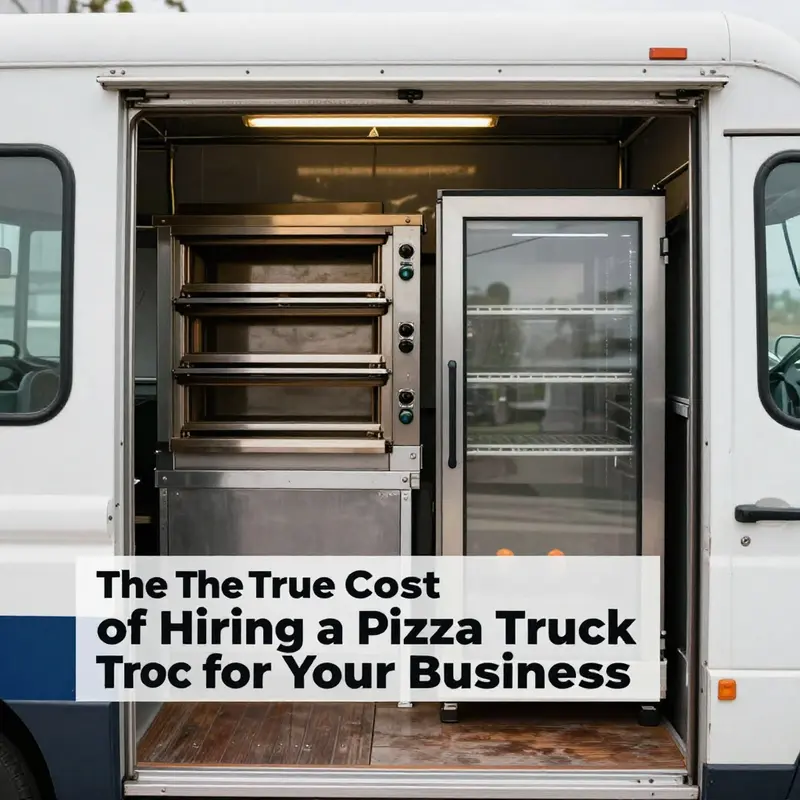
Routine maintenance forms another fundamental element of the operational cost structure. Regular servicing—needed to ensure the truck remains in safe working order and operates efficiently—becomes essential, especially when the truck is used extensively. This includes periodic checks of the engine, wheels, and other essential mechanical components, as well as more specialized servicing of food preparation equipment, such as commercial ovens and refrigeration units. These specialized systems are particularly susceptible to wear and tear, necessitating a proactive approach to maintenance.
Maintenance and Repair Considerations
In the world of mobile food service, some costs can shift from predictable to variable quickly. Repairs, for instance, can emerge unexpectedly and often demand immediate financial attention. Mechanical failures or breakdowns, a situation that can disrupt service and inflict financial losses, highlight the importance of budgeting not just for planned expenses but also for the unplanned.
Moreover, it’s crucial to consider depreciation when assessing the total cost of ownership and operations. As with any vehicle, as time progresses, the truck loses value, impacting resale potential and the overall financial outlook. A clear understanding and estimation of depreciation help business owners make informed decisions on operational longevity.
Labor Costs and Technology
As with any business, labor costs weigh heavily on the financial scales. Employees operating the pizza truck, whether they be chefs, assistants, or cashiers, require competitive wages. The balance between paying fair wages and maintaining a profitable margin can be a challenging aspect of operational budgeting. When labor expenses are factored in alongside insurance, fuel, and maintenance, the cumulative figure can be substantial.
Underlying these operational costs is the modern necessity for technology infrastructure, an aspect that has now become an essential pillar of successful mobile culinary operations. Reliable internet connectivity is a must-have asset for processing digital orders and payment transactions. In environments where high-speed internet can be sporadic or absent, the additional investment in mobile data plans or other technological solutions becomes necessary, further incrementing operational expenses.
Conclusion
Taking the plunge into the world of pizza truck rentals can come with enticing startup dreams and vibrant visions of culinary success, yet it is imperative to approach this venture with eyes wide open. The allure of the rental cost should be balanced with a profound understanding of the ongoing operational and maintenance costs, which have the potential to dampen profits.
Investing in a thorough analysis of these factors ensures that prospective pizza truck operators can navigate their budgeting effectively and establish a solid foundation for their mobile business. Those interested in conducting deeper analyses may benefit from exploring related resources that touch upon the necessary legal steps and considerations when launching a food truck journey, such as practical guides and informative articles that enhance overall understanding of the financial landscape in the mobile food industry.
2. The Hidden Costs of Compliance: Licensing and Permitting for Your Pizza Truck
When planning to hire a pizza truck, one of the most significant yet often overlooked components involves the intricate web of licensing, permitting, and regulatory expenses. While the rental fee for the truck itself can give you a superficial understanding of costs, it’s crucial to dig deeper into the regulatory demands that apply to mobile food vendors. These expenses ensure that your operation runs smoothly and, importantly, legally.
Licensing requirements vary widely across different locations, reflecting local priorities concerning food safety and public health. Generally, you’ll need to secure a mobile food vendor license, which is essential for legally operating a food truck. This license can cost anywhere from $100 to over $1,000 annually, depending on your jurisdiction. For example, cities like New York and Los Angeles often have higher fees due to their stringent regulations and larger urban populations.
Beyond basic vendor licenses, you must also obtain health department permits. These are crucial for inspections that confirm your truck meets sanitation standards. Health inspections often involve fees that can be added to your overall budget. The specifics of these inspections may include checks for food storage, preparation areas, and sanitation equipment. Such fees, in conjunction with the necessary business tax registrations, can add hundreds of dollars to your initial expenses.
Additionally, if you plan to operate in public spaces—think parks or busy streets—you may require special permits to do so. Each of these permits often entails its own set of fees. Always verify local regulations as they can substantially affect your planned outing.
For long-term operations, keep in mind that many permits require annual renewal. This ongoing cost will necessitate budgeting beyond the initial permitting fees. Some municipalities also require proof of liability insurance and workers’ compensation insurance if you plan to hire staff, further increasing your financial commitment. This insurance can cover anything from accidents in your food truck to customer-related incidents, and, depending on the coverage levels you choose, it can contribute hundreds to thousands of dollars to your operational costs.
In certain cases, especially during seasonal events or at temporary pop-up markets, you may encounter different fee structures. Seasonal permits could require advance applications and deposits that can add to your financial outlay. Understanding these nuances in permit fees can help you obtain the necessary documentation without incurring unexpected costs or delays.
Aside from the one-time licensing fees, be prepared for additional recurring costs, such as cleaning and maintenance fees for the truck itself. Food safety and sanitary guidelines often mandate regular upkeep of equipment, and there are costs associated with servicing and cleaning your mobile pizza oven, refrigeration units, and other equipment.
Moreover, some jurisdictions may require food trucks to comply with fire safety regulations, which might include inspections and compliance certifications or even investments in fire suppression systems. These costs should not be dismissed, as failure to comply can lead to fines, operational shutdowns, or even criminal liabilities. When budgeting, factor in these regulatory stipulations to avoid last-minute financial strains.
The comprehensive understanding of your total budget cannot be stress enough. Only when you factor in licensing, permitting, and insurance can you create a revealing estimate for the costs associated with hiring a pizza truck for your event or business operation. Remember, the expenses vary significantly based on your specific location, and the additional financial commitments are cumulative.
In summary, while renting a pizza truck can seem straightforward with its daily or monthly fees, you must take a broader look at the expenses related to compliance. A wise approach is to consult your local city or county health department website for information specific to your area. Resources like the U.S. Department of Agriculture’s Food and Nutrition Service (FNS) can be invaluable when navigating the requirements of mobile food operations.
For those looking to ease the process of understanding legal necessities, consider reading up on the legal steps for launching a food truck. This kind of knowledge will empower you to ensure you’re fully compliant with necessary regulations before diving into the pizza truck business, allowing you to focus more on your culinary creativity and customer satisfaction rather than navigating the complexities of legal adherence.
Chapter 4: Exploring the Variability in Premium Pizza Truck Pricing: Factors That Influence Costs
1. Diving Deep into Premium Pizza Truck Features and Their Cost Implications
In the world of pizza trucks, the term “premium” often evokes images of high-quality equipment, distinctive designs, and specialized features that set them apart from standard offerings. As the demand for gourmet pizza trucks grows, understanding the intricacies of each model’s pricing is essential for prospective buyers. This subchapter delves into the comparative features of premium pizza trucks and their corresponding costs, illuminating the options available and enabling informed decision-making.
The premium end of the pizza truck market showcases models that offer not just basic functions but extensive culinary capabilities, serving as fully mobile kitchens designed for high-volume service at gourmet events. One such vehicle is the Enclosed Concession Trailer BBQ Pizza Vending Truck, which can be priced between $5,400.00 and $8,000.00. This unit is particularly appealing due to its fully enclosed design that promotes temperature control, making it ideal for handling diverse weather conditions at outdoor events. Equipped with built-in electrical systems, this model also caters to branding needs with customizable color options. The combination of these features provides an attractive solution for vendors aiming to capitalize on high-volume gatherings like food festivals and community events. The expertly engineered insulation and easy setup enable operators to provide consistent service quality, reflecting the functionality that comes at a mid-to-high tier price.
Moving along the spectrum of premium offerings, the Mobile Bakery Pizza Food Kitchen Truck emerges as a versatile option, with prices fluctuating from $2,500.00 to $15,000.00. This truck’s stainless steel build and glass-insulated panels not only enhance durability but also offer aesthetic appeal, essential for attracting clientele at upscale events. Vendors can enjoy extensive customization options regarding layout, color, and logo design—features that contribute to brand identity and customer engagement. Given that these trucks possess both automatic and manual operation modes, they present a flexible solution for diverse culinary styles, adaptability vital in varying market contexts. Additionally, the assurance of compliance through certifications such as ISO and DOT enhances the appeal for those seeking a reliable investment in the competitive food truck landscape.
At the forefront of artisanal pizza preparation lies the Wood-Fired Pizza Truck, although an exact price isn’t quoted, estimates suggest that these units are priced at approximately $10,000 or more. Known for their culinary authenticity, these trucks feature advanced wood-fired ovens designed to produce Neapolitan-style pizzas. The craftsmanship behind these ovens not only enhances flavor but also elevates the customer experience, making them a great choice for gourmet vendors and pop-up establishments. While the upfront costs can be significant, the premium experience offered by this pizza truck can justify the investment, particularly in a high-end market where customers are willing to pay for quality and authenticity.
For those operating in urban environments, the Customized Electric Piaggio Ape Food Truck Tricycle presents an exciting option for mobile vending. Typically less expensive than full-sized models, expected pricing falls between $4,000 and $6,000, although no direct pricing has been confirmed. The compact design of this electric tricycle is particularly well-suited for vendors needing to navigate tight city spaces efficiently, amplifying its appeal for small-scale entrepreneurs. While it may not cater to high-volume operations, it offers an eco-friendly footprint for quick pizza and beverage service, underlining a sustainable approach to food vending.
When examining the pricing of these premium pizza trucks, a multitude of factors come into play. The inclusion of high-end features such as versatile ovens, customizable designs, and advanced electrical systems inevitably increases costs. Moreover, long-term operational expenses, including insurance, maintenance, and compliance with local regulations, must also be factored into the overall investment.
The premium options available in the pizza truck marketplace cater to diverse operational needs, allowing aspirants to select offerings that align best with their business model and target audience. It’s vital for potential buyers to not only assess upfront costs but to consider long-term value and return on investment as key decision-making tools.
In summary, each pizza truck option discussed occupies a unique niche within the premium market, presenting both distinct advantages and potential drawbacks in terms of cost and capability. From robust enclosed concession trailers suited for bustling events to specialized wood-fired gourmet offerings that promise culinary excellence, there’s a wealth of opportunity in the mobile pizza industry. Careful consideration of features, intended use, and long-term operational needs enables entrepreneurs to maximize the value of their investments. For those intrigued by the food truck industry, detailed insights into how to navigate these choices can prove invaluable for launching or expanding a successful mobile food business. Exploring these dynamics allows full alignment between passion for gourmet pizza and the practicalities of running a mobile kitchen. For further insights into the legalities of launching a food truck, visit the link here: Legal Steps for Launching a Food Truck.
2. Navigating Price Points and Preferences in Premium Pizza Truck Selections
When it comes to hiring a premium pizza truck, attention to strategic evaluation unveils the myriad of factors influencing price and ultimately informs a well-rounded decision. The decisions made during this evaluation process can significantly impact operational success, making an understanding of both costs and value essential.
The Influence of Oven Type on Price Dynamics
One of the first elements to consider in premium mobile pizza kitchens is the type of pizza oven. Different oven styles not only vary in initial cost but also in operating efficiency and the quality of product delivered. For instance, wood-fired pizza trucks—equipped with traditional Neapolitan-style domed ovens—command higher price points. These ovens can reach remarkable temperatures of up to 900°F, allowing trained chefs to produce authentic, high-quality pizzas in under two minutes. However, while the speed and flavor profile may attract customers, they also carry specific operator skill requirements and potentially higher maintenance needs. Thus, selecting a wood-fired truck can be viewed as an investment in authenticity, but one that necessitates skilled handlers.
In contrast, modern box-style ovens offer faster heat-up times and a larger cooking surface, appealing to operators needing high output capabilities during peak hours. These ovens are generally easier to manage, allowing for higher throughput which is essential for catering large events. Still, while these ovens may require less training than their wood-fired counterparts, they sometimes lack the artisanal allure that draws in customers seeking a genuine pizza experience. As such, entrepreneurs must weigh the cost against the expected customer perceptions.
Understanding Truck Configuration Impact
Another essential consideration is the overall configuration of the pizza truck itself. Options range from articulated self-contained pizza trailers to fully equipped food trucks with advanced functionalities. Fully integrated setups that feature ovens, refrigeration, prep spaces, and even point-of-sale systems create an all-in-one solution that can streamline operations and enhance brand image. These comprehensive units are prevalent in the premium segment due to their professional appearance and improved workflow organization. However, their higher upfront rental costs and potential towing requirements can pose challenges for operators with limited budgets or those looking to access different event locales. Furthermore, the necessity for a more powerful tow vehicle can limit opportunities to pop up in less accessible areas.
Conversely, operators may also consider compact or budget-friendly trucks, which often utilize electric ovens or hot plates. These units can be appealing for smaller pop-up events, but they impose limitations regarding scalability and may not deliver on flavor authenticity. For business owners whose objective is to create a strong presence at large festivals or competitive markets, investing in a fully outfitted vehicle may prove imperative.
The Power of Branding and Customer Attraction
Branding potential is fundamental in the context of premium pizza trucks, given its ability to influence price perceptions and customer loyalty. The aesthetics of a captivating wood-fired cooking station can serve as a visual magnet, drawing attention and generating buzz. Customers are naturally more inclined to trust products presented in a way that communicates artistry and passion, thereby reinforcing loyalty and encouraging word-of-mouth recommendations. However, operators must also navigate the complexities that come with advanced branding, as they often require an additional layer of operational expertise and labor.
As businesses strategize their marketing, aligning the product offerings with aesthetics becomes a critical branding decision. Will the investment in a premium truck—that showcases unique features and high-quality materials—create enough value to justify its price? This query underscores the need for aligning business goals with branding initiatives.
Strategic Decision-Making Criteria
For startup enterprises or seasonal vendors, choosing between a high-end mobile kitchen and a modular, budget-friendly setup hinges on several factors, including target market, long-term goals, and expected sales volume. Entrepreneurs should ponder the following questions:
- What demographic are they aiming to attract, and what do those customers value?
- How crucial is the authenticity of flavors to their brand positioning?
- Is there a viable market for high-capacity batches of gourmet pizzas, or would the customer base be satisfied with simpler offerings?
The answers to these questions will guide businesses in determining whether the benefits of added cost justify the return on investment in equipment and branding.
In conclusion, navigating the ins and outs of premium pizza truck pricing requires a cohesive understanding of how each element—from oven type and truck configuration to branding potential—directly influences both the cost and the operational dynamics of the business. By thoughtfully examining these components, operators can formulate a plan that balances expectations with realities, setting the stage for a successful pizza venture.
Chapter 5: Navigating Financial Considerations in Pizza Truck Hiring

1. Evaluating the Economic Impact of Hiring a Pizza Truck for Your Event
When it comes to hiring a pizza truck for an event, understanding the financial landscape is crucial. The decision to bring a mobile pizza option can enhance your gathering, but a variety of economic factors must be weighed to ensure it aligns with your budget and goals. This subchapter delves into the costs associated with hiring a pizza truck, uncovering essential considerations that can help you make informed choices.
The daily rental rates for pizza trucks vary significantly based on location, size, and equipment levels. As of early 2026, you can expect to pay between $150 and $400 per day for a standard mobile pizza truck, which typically includes essential cooking equipment, such as a commercial-grade pizza oven, refrigeration units, and basic cooking tools. If your event spans over multiple days, negotiating a weekly rate might be beneficial, usually ranging from $700 to $1,800, while a monthly rental could set you back anywhere between $2,500 and $5,000. Understanding these price ranges can allow you to budget your event more effectively and helps avoid surprises that might strain your finances.
Interestingly, the cost can also escalate significantly if you opt for a premium truck. These high-end versions often come equipped with advanced features, including rooftop pizza ovens, climate control, and additional branding options to customize the mobile experience. Such luxury trucks can command prices that peak around $600 to $1,000 per day. The choice between a basic and a premium truck should thus reflect not only your culinary aspirations but also your budgetary constraints and the overall impact you wish to make at your event.
Beyond the straightforward rental fees, potential hidden costs lurk, and they warrant careful consideration. Insurance is a typical requirement from the owner, protecting both the truck and your event against possible damages. Add to this the expense of fuel or electricity needed to keep the truck operating smoothly throughout the event. There might also be cleaning and maintenance fees following the rental period, which could add to the total rental cost. Furthermore, preparing for deposit requirements—usually about 1-2 weeks’ rent—is essential when planning your budget, as this upfront cost can momentarily strain your cash flow.
Before making any decisions, another key factor to explore is local regulations regarding food trucks. Many urban areas have specific permits and zoning laws that govern the operation of mobile food vendors. Familiarizing yourself with these regulations is not merely about compliance; it directly influences your financial outlay. Renting a truck without the requisite permits could lead to fines, or worse, halting your event entirely. To read more about the necessary legal considerations, you can check the comprehensive guide on launching a food truck here.
Moreover, evaluating the target audience at your event plays a pivotal role in shaping your financial decisions. Different demographics may gravitate towards varied offerings, so recognizing the preferences of your attendees can guide your choice of truck type and menu selections. For instance, a primarily family-oriented gathering might favor classic cheese and pepperoni pizzas, while a crowd of food enthusiasts could be more excited about gourmet toppings and artisanal production methods.
Lastly, consider leveraging partnerships or sponsorships to offset costs. Engaging with local businesses or restaurants can provide opportunities for shared marketing, reducing the financial burden of the pizza truck rental while enhancing the appeal of your event. Collaborations can lead to unique offerings, drawing more attendees and creating a buzz that elevates the success of your gathering.
In summary, navigating the economic implications of hiring a pizza truck requires thorough research and strategic planning. The daily, weekly, and monthly rates provide a foundational understanding of your potential outlay, while additional costs like insurance, fuel, and permits represent critical components of the total investment. Each of these factors must be viewed in concert with the overarching goal of your event—whether facilitating a fun community gathering or creating a memorable corporate engagement. By meticulously evaluating these aspects, you can make informed choices that enhance your event without straining your budget. This careful consideration of costs ensures that your pizza truck experience becomes not only a delicious addition but an economically sound decision.
2. Navigating the Essential Operational Logistics of Hiring a Pizza Truck
When embarking on the journey of hiring a pizza truck, understanding the intricacies of operational logistics becomes foundational to success. This encompasses a wide range of considerations that can directly influence both the efficiency of daily operations and the overall financial viability of the venture. From daily operational costs to the practicality of service delivery, each element plays a crucial role in ensuring that the pizza truck meets your event or business needs effectively and sustainably.
First, let’s dissect the daily operating costs that must be factored into your budget. Staffing, for instance, is an essential consideration that often goes overlooked. Depending on the size and scale of your operations, you may need to hire several individuals to manage cooking, serving, payments, and customer interactions. Finding the right balance between adequate staffing and budget constraints is key, especially in busy settings where efficiency can make or break the customer experience.
Insurance is another critical element of daily costs. It is mandatory to secure appropriate coverage to safeguard against potential financial liabilities arising from operational mishaps. Understanding the local regulations governing food trucks in your area will inform you about the type of insurance required, which can vary significantly from place to place.
Next, the permits and licensing aspect cannot be emphasized enough. Each city or state has unique requirements for food truck operations, and navigating these can be complex. Failing to comply with local laws can lead to fines or, worse, suspension of your operations. Engaging an experienced legal advisor or conducting thorough research can help ensure you acquire all necessary permits before launching your pizza truck endeavor.
The practicalities of mobility and service delivery are also paramount. The nature of food truck operations is inherently tied to mobility, compelling you to consider designated parking spaces which may come with rental fees. Securing optimal locations for high foot traffic can greatly influence sales, and as such, you should include these location costs in your operational budget.
The reliability of the kitchen equipment on board the truck cannot be understated. Essential equipment such as commercial pizza ovens must function efficiently to ensure high-quality product output. Subpar equipment can lead to delays, dissatisfied customers, and ultimately affect your brand’s reputation. Additionally, you may find it beneficial to source equipment strategically. For instance, obtaining refurbished commercial pizza ovens from suppliers ensures that you don’t incur excessive start-up costs while still leveraging reliable technology. Suppliers from regions such as Guangzhou and Shenzhen in China have become popular, providing equipment that meets rigorous standards without the high price tag of brand new models. This practice not only lowers initial investments but also supports a faster operational setup, minimizing logistics overhead and allowing quicker entry into the market.
Furthermore, the logistics extend beyond merely sourcing equipment; they also encompass packaging considerations. The containers used for serving must be thoughtfully selected to meet performance standards, which include heat retention to keep pizzas warm during transport, durability to withstand handling, and compliance with food safety regulations. Selecting substandard packaging can severely damage brand reputation and ultimately lead to customer dissatisfaction. Hence, investing in quality packaging reflects a commitment to excellence and safety, reinforcing your brand’s identity.
In the competitive food service environment, maintaining a solid brand reputation is essential for long-term customer loyalty. The quality of food packaging often impacts how customers perceive the entire dining experience. If customers receive pizzas in subpar containers that fail to hold temperature or appear unappealing, they are less likely to return. On the other hand, well-presented and safely packaged products encourage word-of-mouth referrals and repeat business.
Ultimately, establishing successful operational logistics hinges on the integration of various elements, including efficient staffing, comprehensive insurance coverage, adherence to local regulations, effective location strategy, and high-quality packaging. Addressing these factors proactively will ensure smoother operations and set the foundation for long-term success in your pizza truck venture. By considering and anticipating operational logistics from the outset, you can build a sustainable framework that not only meets the immediate needs of your business but also positions you for future growth.
For those interested in learning more about the essential steps in launching a food truck, feel free to explore this resource on legal steps for launching a food truck. Understanding the legal landscape is equally important to the operational logistics discussed in this section.
Final thoughts
Hiring a pizza truck can be an excellent addition to your business’s catering options, whether for special events or regular services. Understanding the costs involved—from daily rates to hidden fees—ensures you can make educated decisions that align with your budget and needs. Premium options offer unique benefits, but it’s essential to weigh these against your specific circumstances. Additionally, being aware of regulations and essential considerations can prevent costly mistakes. Ultimately, a well-informed approach will allow you to enjoy the benefits of this mobile culinary experience while maximizing your investment.