
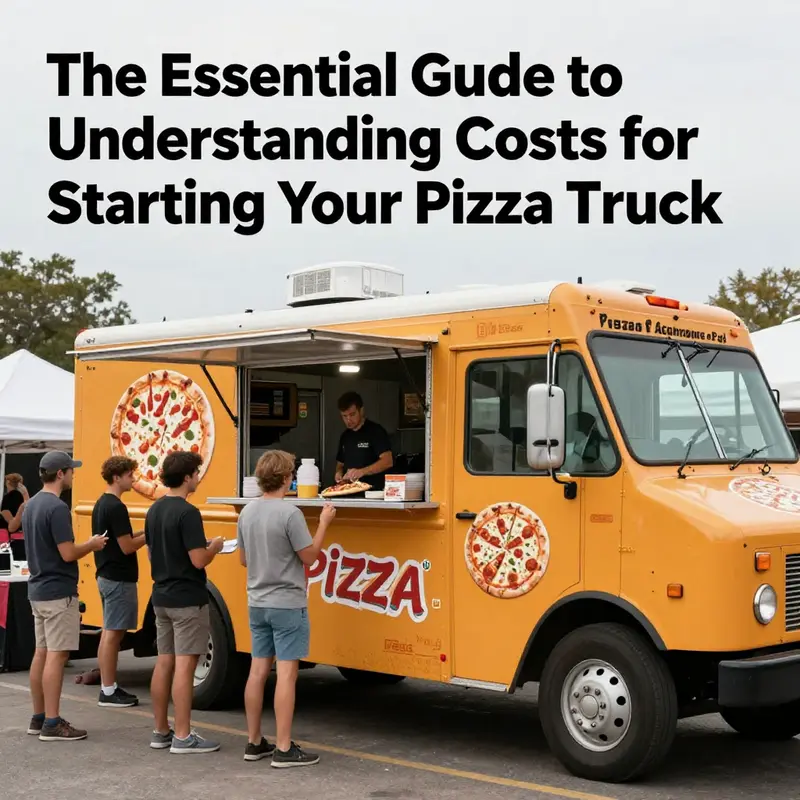
Starting a pizza truck business can be an exhilarating yet daunting venture, with various costs and considerations involved in establishing a successful operation. From the initial investment in the vehicle to the essential equipment needed for cooking and serving delicious pizzas, the financial outlay can vary widely based on your choices. Additionally, understanding the licensing and permitting landscape is crucial for compliance and smooth operations. This guide dives deep into the key components of starting a pizza truck, covering the cost breakdown, essential equipment investments, and the necessary licenses and permits, equipping you with the knowledge needed to embark on your pizza truck journey confidently.
null
null
Gearing Up for Profit: Essential Equipment Investments That Shape the Cost of a Pizza Truck Startup
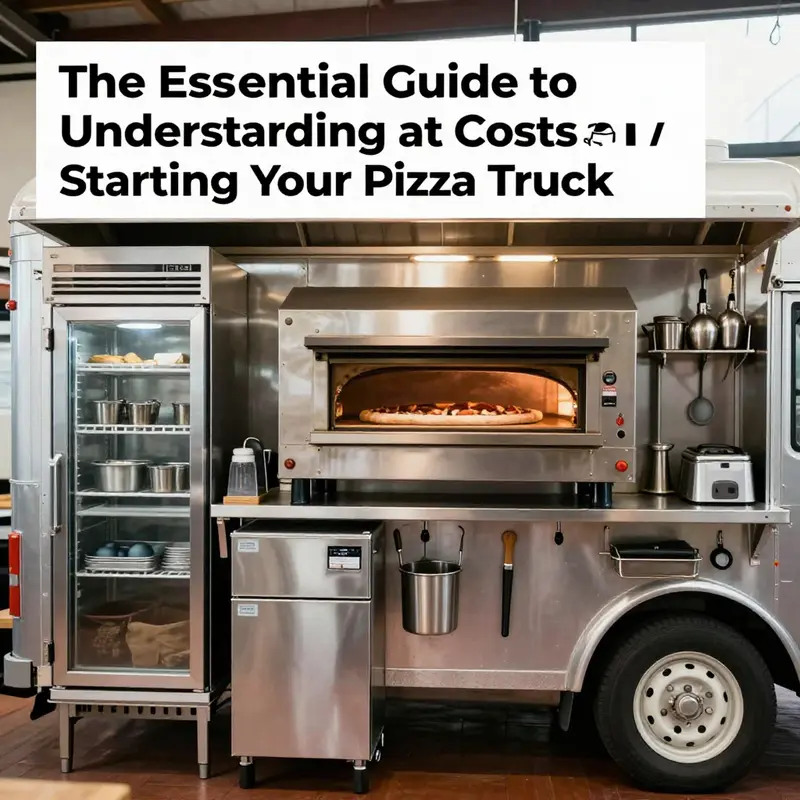
A mobile pizza business is as much a question of control over your equipment as it is a question of customer reach. The equipment you choose sets the pace of service, determines the safety standards you must meet, and ultimately molds the total startup cost. When you map out a pizza truck, you are layering together not just the price tags of devices, but the rhythms of your kitchen on wheels. The core of the venture rests in the cooking system, but that system cannot function without refrigeration, reliable power, careful storage, and professional branding that translates into trust at a glance. Each choice cascades into higher or lower upfront investment, longer or shorter timelines to break even, and a different cadence to your days on the road. Understanding this interconnected web will help you estimate costs with greater confidence and plan a budget that aligns with your ambitions rather than your appetite for immediate spectacle.
The cooking system sits at the heart of any mobile pizzeria. You have two broad paths: a wood-fired oven that delivers a gourmet flavor and a unique aroma, or a commercial-grade electric or gas oven designed for throughput and reliability. Wood-fired ovens carry an air of authenticity and can entice crowds with their crackling sound and smoky scent; they also demand careful ventilation, heavier structural support, and more precise fire maintenance. The performance benefits—rapid cooking times of two to four minutes and the hand-tossed texture diners expect—come with a premium price tag for installation, fuel, and ongoing upkeep. In practice, many operators opt for electric or gas ovens for the consistency they provide in busy environments, where the priority is steady volume and repeatability. Electric and gas systems typically offer better scalability for events with high foot traffic and longer operating hours, and they simplify training for staff who must execute dozens of pizzas in a day. The total impact on cost hinges on throughput goals, the size of the oven, the necessary venting, and the ease with which you can source parts on the road. This choice alone can swing your equipment budget by tens of thousands of dollars, and its influence ripples into generator sizing, electrical capacity, and the layout of your kitchen workspace.
Refrigeration, too, is non-negotiable. Pizzas, dough, cheeses, greens, and toppings demand stable temperatures and protection from cross-contamination. A robust refrigeration setup is essential for food safety and for maintaining the high quality that keeps customers coming back. Mobile units range from compact under-counter fridges to larger reach-ins and blast chillers, depending on how aggressively you plan to scale. The cost gap here aligns with capacity, energy efficiency, and the complexity of installation within a moving vehicle. In practical terms, you should expect to invest enough in refrigeration to handle your peak inventory without resorting to frequent restocks or spoilage headaches. When you’re designing the workflow inside the truck, think of refrigeration not as a separate gadget but as the quiet backbone of every service window. A reliable cold chain reduces waste, supports consistency, and minimizes emergency trips to replenish perishables during events—factors that carry both risk and cost.
Storage and organization form the logistics layer that makes every shift smooth. A well-planned mobile kitchen uses clever, weather-resistant storage to protect ingredients and tools from the bumps and jolts of travel. Durable, moisture-resistant bins and racks keep dough, toppings, and utensils accessible while still protecting them from heat, cold, and abrupt stops. The detail that often separates efficient operators from overwhelmed ones is the choice of storage systems that survive the road: UV-resistant polyethylene bed organizers, secure locking mechanisms, and modular configurations that adapt as demand shifts. The goal is a kitchen where every inch is purposeful, every item has a defined home, and the process of cooking feels seamless rather than improvised. In turn, a well-organized space reduces prep time, minimizes errors, and contributes to a consistent product. The upfront investment in materials and layout—though not always glamorous—pays dividends in reliability, service speed, and the ability to scale without a corresponding scramble to reinvent the wheel.
Power is the quiet muscle behind the entire operation. A dependable generator or shore power setup must support the oven, the refrigeration, lighting, and the other electrical demands of a mobile kitchen. The challenge of off-grid events forces you to size power carefully: too little, and you risk interruptions during peak service; too much, and you waste fuel, increase maintenance concerns, and inflate upfront costs. In practice, many operators favor generators that deliver a steady kilowatt supply with room to spare for surges when ovens cycle, compressors engage, and refrigerators defrost. Sound economics favors selecting a unit with good efficiency, low maintenance requirements, and the ability to run quietly at events where noise matters to attendees and hosts. The power plan also ties into exhaust and ventilation requirements for the cooking system, because the better your ventilation, the more comfortable the environment for staff and the safer your operation becomes. In a mobile context, power and ventilation are inseparable partners that influence not only capital expenditure but also ongoing operating expenses and the pace of service.
Branding and customer-facing systems deserve attention that borders on the theatrical because they transform a truck into an experience. The equipment conversation cannot stop at ovens and fridges; it must extend to how customers pay, how orders are tracked, and how the brand presents itself as a promise of quality. A modern pizza truck benefits from a compact, efficient POS system that integrates order taking, payment processing, and inventory management. The right payment terminals enable seamless transactions across card, mobile wallets, and contactless options, which in turn affect the speed of service and the satisfaction of the customer. A cohesive branding strategy—color, typography, and signage—also plays a crucial role. It is how a curious line of people becomes a steady stream of regular customers. Even the seemingly small details, such as the lighting around the service window or the visibility of the menu, contribute to the perceived value of the product. The return on investment for branding tools is often realized in higher per-customer check averages and improved event recognition, turning a one-off appearance into a repeat engagement.
For those who want a faster route to market, ready-to-deploy solutions exist that bundle integrated ovens and refrigeration into a turnkey truck. These options can dramatically reduce the lead time to first sale, but they come with their own cost structure and trade-offs in customization. When considering such a path, it is essential to measure the comfort level with a fixed layout against the flexibility you may want to adapt for different events. The allure of a plug-and-play solution is compelling, yet the total cost can still be substantial, especially if you insist on premium finishes, high-capacity equipment, or branded exterior panels. In the end, the core decision remains about balance: how much you want to pay upfront for speed to market versus how much you want to invest incrementally as your sales and reputation grow. In this calculus, the most successful operators treat equipment not as a one-time expense but as a strategic tool that enables you to deliver a consistent product, a reliable customer experience, and a scalable model for expansion. If you are weighing the cost of different equipment packages, consider the long arc of your plan—where you want to be in six months, a year, or two years—and how each choice will affect your cash flow, your staffing needs, and your ability to respond to demand spikes.
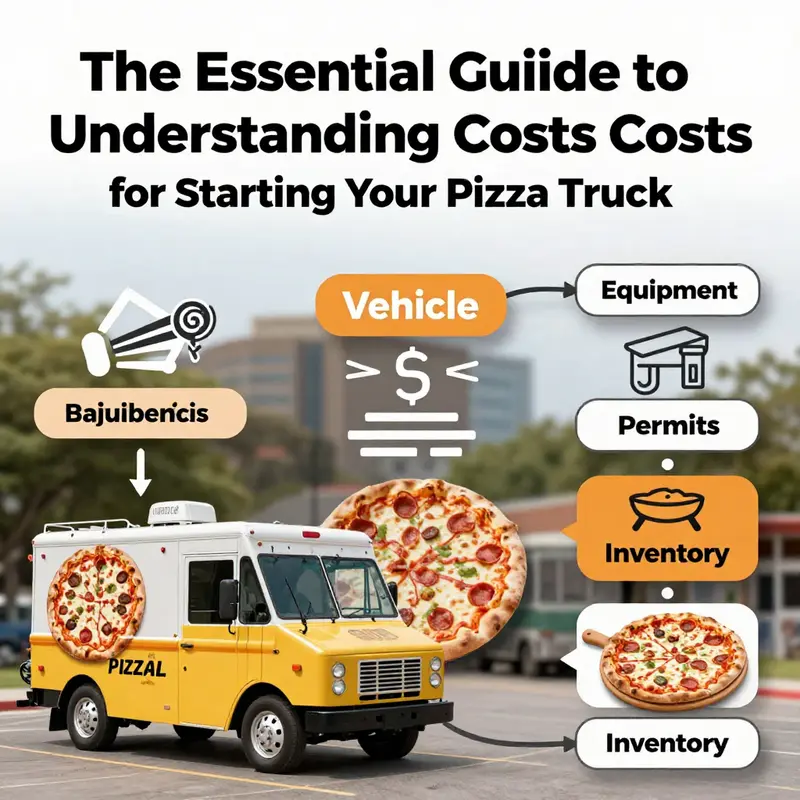
When you review the financial landscape, it is useful to anchor your expectations around the broader cost picture. The market presents a spectrum: a basic mobile setup can begin between modest ranges, while a premium, fully customized mobile kitchen could climb into six figures or more. Large, commercial-grade food trucks with built-in kitchens and branding run on a different calculus, with per-unit costs that can stretch beyond comfortable budgets for first-time operators. The key is to translate each line item into a controllable lever: the oven type determines not only the upfront price but also the space, ventilation needs, and fuel costs; refrigeration impacts energy use and load management; storage and organization shape prep times and waste; power affects reliability and site selection; branding and POS influence customer flow and revenue capture. Taken together, these levers define the equipment budget and, by extension, the overall startup costs that mark the boundary between a promising concept and a thriving business. For readers who want a concrete starting point, you can explore a practical example of how equipment choices influence total costs in the linked article: How much is a pizza food truck.
Beyond the numbers, the strategic value of equipment investment rests on predictability. A well-chosen cooking system reduces variability in pizza quality across events, which strengthens the brand promise and makes it easier to forecast demand. A robust refrigeration plan minimizes spoilage and protects margins, while a reliable power setup reduces the risk of downtime that can damage customer trust. Thoughtful storage and a clean, well-lit workspace help staff stay efficient, which translates into faster service and happier customers. A credible branding package and a seamless payment experience reduce friction at the point of sale, encouraging larger orders and repeat visits. Investment in ready-to-deploy configurations can accelerate your time to market but should be approached with the same discipline as a custom build: you still need to map out capacity, predict seasonal demand, and align the layout with how you plan to operate at events and in markets. The aim is not to curate the most expensive equipment but to curate the most reliable, scalable, and brand-consistent setup that fits your business plan.
From a budgeting perspective, the equipment portion typically forms a substantial share of the initial capital. When you add ovens, refrigeration, storage, power, and branding together, you may find yourself navigating a broad range—from a lean, modular setup to a fully loaded mobile kitchen. The numbers will correlate with the scale of your ambitions, the reliability you demand, and the environments in which you intend to operate. Small pop-up concepts in local markets may find a cost-efficient path by focusing on essential equipment and modular upgrades, while ambitious brands seeking to command large events may justify higher upfront investment for better throughput and enhanced presentation. The practical takeaway is simple: begin with a realistic plan that ties your equipment choices to a specific service model, anticipated event frequency, and geographic footprint. Then test scenarios, room-for-growth projections, and maintenance considerations with conservative estimates to avoid overcommitting capital before sales begin.
If you are ready to explore a more concrete cost scenario, consult the detailed cost ranges outlined in industry guidance and compare them against your early forecasts. The total startup costs you ultimately face will reflect the sum of the base vehicle, the select equipment bundle, and the necessary licenses, permits, and initial inventory. In many analyses, the final number falls within a broad band shaped by scale and customization, often landing somewhere between tens of thousands and well into the six figures for premium builds. This span is not a warning to shy away from opportunities; rather, it is a reminder to align your equipment strategy with your business plan, your target markets, and your expected cadence of sales. The most durable pizza trucks are the ones designed with a clear understanding of how each equipment decision supports a consistent product, reliable service, and a strong brand narrative that customers can taste with every bite.
For readers seeking a direct reference to market guidance, a practical takeaway is to view the cost discussion through the lens of a flexible budget that can accommodate both incremental upgrades and scalable growth. In practice, this means starting with essential, high-impact equipment that guarantees food safety and product quality, then layering in improvements as revenue stabilizes. It also means building in room for permits, which can vary by city and add a meaningful line item to your early expense sheet. The result is a credible financial plan that reflects not just the sticker price of equipment, but the value delivered in speed, consistency, and brand presence on every stand, festival, and street corner you call home. When you are ready to compare specific figures and see how equipment budgets translate into overall startup costs, the linked article provides a practical starting point for understanding the common price ranges and their implications for cash flow and growth.
Internal link for further reading: How much is a pizza food truck
External resource for broader context: https://www.made-in-china.com/products-detail/0309R/China-Mobile-Pizza-Food-Catering-Truck_1506679872.html
What Licenses Really Cost: Navigating Permits for Your Pizza Truck
Licensing and Permitting: What It Will Cost to Get Your Pizza Truck Legal
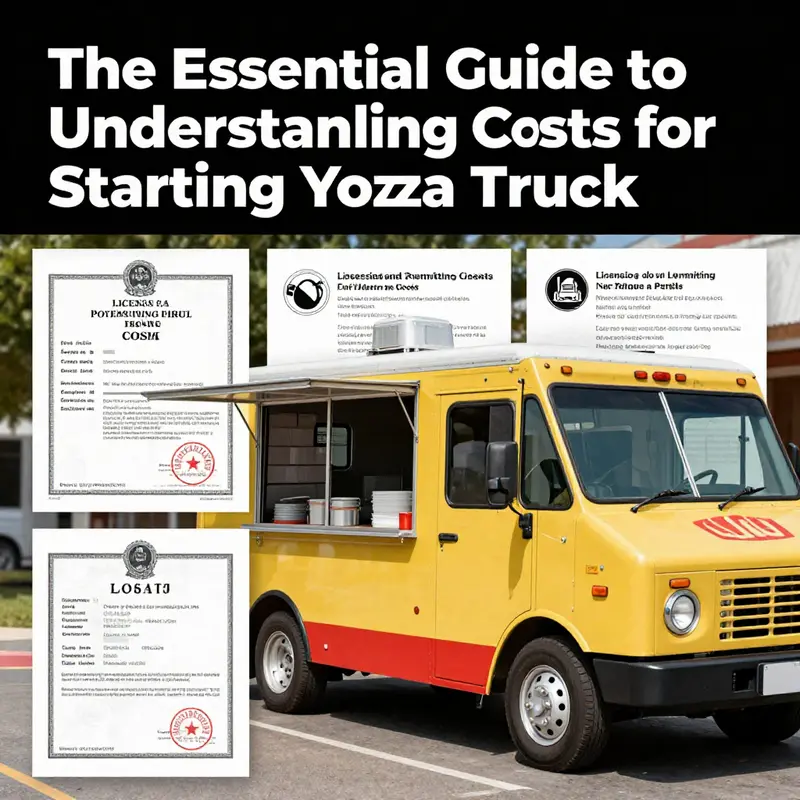
Starting a pizza truck means more than buying an oven and a vehicle. It means weaving through a patchwork of permits, inspections, and recurring fees. Those costs vary widely. They depend on city, county, type of service, and the truck’s design. Budgeting for permits early prevents nasty surprises. This chapter explains the typical permits you’ll need, the likely price ranges, and pragmatic ways to plan and save.
A pizza truck operates where food safety, traffic rules, and local business codes meet. Expect to interact with at least three agencies: the health department, the city or county business office, and transportation or motor vehicle services. Each agency charges for its services. Some require an initial application fee. Others add inspection, plan review, and annual renewal fees. Typical individual fees range from a few hundred to more than a thousand dollars. Taken together, the permitting line item can be several thousand dollars before you open.
Start with the health department. This office enforces food safety rules. It issues mobile food vendor permits and inspects kitchens. Fees here include application, plan review, and inspection charges. In larger cities, plan reviews can be detailed and expensive. You may need to submit floor plans, equipment lists, and ventilation or grease management details. If your oven or layout needs modification to meet code, expect extra costs for retrofit work. Smaller towns often have lower fees and simpler reviews. Health department costs often fall between $200 and $1,200 for initial approvals, with annual renewals following similar ranges.
Next is the basic business license. Most local governments require a general business license or tax registration. This license allows you to legally operate and collect sales tax. Fees usually depend on your municipality and sometimes on projected revenue. Budget $50 to $500 for a business license in many areas, though certain cities charge more. You might also need a seller’s permit or sales tax registration. That is usually inexpensive, and sometimes free, but it’s required to collect and remit sales tax legally.
Vehicle and transportation compliance is another layer. If your truck is classified as a commercial vehicle, you will need proper registration and possibly special endorsements. Some jurisdictions require proof of commercial vehicle insurance before issuing permits. If your truck will cross state lines for events, you may face additional registration or licensing steps. Registration fees vary by state and vehicle class, and could be a few hundred dollars. If your build changes the vehicle’s weight or configuration, you might need inspections or certifications from transportation authorities.
Zoning and parking rules influence where you can operate. Some cities require a separate street vending permit or designate allowable vending zones. In high-demand urban areas, a limited number of permits may be issued by lottery or auction. Those situations can dramatically increase costs because permit holders may resell or lease their rights. Even when permits are reasonably priced, obtaining a location agreement or private property permission can involve fees. Expect to pay anything from nothing for free public vending areas to several thousand for exclusive locations or event permits.
Special event permits and festival approvals are worth planning for. Events often require temporary food permits, event insurance, and vendor registration. Fees can be modest for small community events. Larger festivals may charge several hundred dollars or more. If you plan to rely on events as a core revenue stream, include event permit costs and a buffer for last-minute event requirements.
Food safety training and certifications are mandatory in many areas. At least one person on the truck typically needs a certified food manager certificate or a similar credential. Courses and exams cost between $50 and $200 per person. Some cities enforce local food handler cards too. These are low individually, but you should account for training for every staff member who handles food.
Fire and safety inspections are often required when you operate cooking equipment inside a vehicle. Local fire departments may require suppression systems, ventilation hoods, and specific fuel or propane setups. Installation or retrofitting to meet fire code can be costly. A basic fire suppression inspection fee might be small, but equipment and installation add thousands. Factor these costs into your overall permitting budget, especially if you plan a wood-fired pizza oven or other high-heat equipment.
Commissary or commercial kitchen agreements sometimes appear in permitting rules. Some jurisdictions require mobile vendors to prepare or store food in a licensed commercial kitchen. Renting a commissary can add recurring costs every month. Prices vary widely by region and facility quality. If you must use a commissary, include that recurring cost as part of your compliance budget.
Insurance ties into permitting. Some permits won’t be issued without proof of liability insurance and vehicle coverage. Insurance premiums depend on coverage amounts, claims history, and vehicle value. While insurance itself is not a permit, it’s a permit requirement in many places. Expect to budget several hundred to several thousand dollars annually for comprehensive coverage.
Plan review and architectural fees can surprise first-time owners. When you submit your design and equipment specifications, the health department or building department may charge for a plan review. If your truck’s layout is complex, multiple reviews might be necessary. Each iteration can add fees. Add $100 to $1,000 for reviews, though this varies.
Timing affects cost too. Many permits require inspections at different build stages. Failing an inspection often means corrections and re-inspection fees. Design your build to code from the start to avoid repeat costs. Hire a contractor with mobile food vehicle experience to reduce rework. A small added expense for expertise can prevent much larger permit-related bills.
Recurring costs deserve attention. Annual renewals, routine inspections, and updated certifications all add ongoing expense. Some fees are monthly, others yearly. Add at least 10–20% of your initial permitting costs as a budget for annual renewals in the first few years. This protects against unexpected increases and keeps your operation compliant.
There are strategies to lower permit-related expenses. First, research local rules before buying or customizing a truck. Some locations have relaxed rules for trailers under particular sizes. A simpler trailer can avoid complex equipment and expensive fire suppression requirements. Second, talk to other local vendors. They can share realistic costs and timelines. Third, schedule plan submissions and inspections early. Delays can push you into more expensive expedited review fees. Fourth, consider leasing a truck that already complies. Leasing can shift permitting responsibilities and costs, though it may limit customization.
Budgeting examples help clarify totals. For a small operation in a smaller town, initial permit costs might include a health permit ($200–$500), business license ($50–$150), vehicle registration or local vendor permit ($100–$500), food handler training for staff ($150), and a small fire inspection ($50–$200). That adds up to roughly $550 to $1,500. In larger cities, multiply those figures. Health department reviews, plan checks, fire suppression requirements, and zone-specific vendor permits can push initial costs to $1,500–$5,000 or higher. If your truck needs equipment retrofits to pass health or fire codes, add several thousand dollars on top.
When multiple jurisdictions are involved, multiply expected costs. If you serve neighboring cities with separate permitting regimes, you may need multiple vendor permits or city-specific approvals. Some cities require proof that you have permission to operate in their boundaries before granting a permit. Factor those requirements into your route planning and budget.
Record keeping reduces long-term costs. Keep copies of every permit, inspection report, training certificate, and design submittal. Digital files make renewals smoother and faster. When a renewal comes due, early preparation reduces rush fees and prevents interruptions to operations.
Legal assistance can be valuable. A short consultation with an attorney familiar with mobile food laws can clarify confusing rules. This consultation may save money by preventing incorrect permit applications. Use legal help selectively to avoid excess cost. Many communities also offer free small business counseling through local incubators or business development centers.
Finally, permit budgeting interacts with your overall startup numbers. When you plan total startup costs, include a realistic permitting line item and a contingency. For a lean startup, set aside $1,000–$5,000 for permits, training, and initial inspections. For a mid-scale, branded truck, budget $5,000–$15,000. For a high-end build or operations in multiple tight-regulation cities, permit-related costs can climb even higher. These figures are not precise, but they reflect the variability across locations and project scopes.
If you want a practical starting step, contact your local city or county business services or health department. Ask them for a checklist of required permits, current fee schedules, and average timelines. This first-call approach gives the most accurate cost picture for your area. For guidance on the general licensing process, you can also review the federal small business resource that summarizes typical requirements. For additional practical steps and a local-oriented perspective on legal compliance, see the guide on legal steps for launching a food truck.
For a consolidated overview of federal guidance on licenses and permits, refer to the U.S. Small Business Administration’s page on licenses and permits: https://www.sba.gov/business-guide/plan-your-business/understand-licensing-and-permits
Final thoughts
Starting a pizza truck can be a rewarding endeavor, but it requires careful financial planning and an understanding of various components involved. By breaking down the initial costs associated with the vehicle, equipment, and necessary permits, potential entrepreneurs can create a roadmap for success. Whether you’re leaning towards a basic setup or a more customized approach, being informed empowers you to make better choices tailored to your business vision. Ultimately, with the right preparation and knowledge, you can launch a thriving pizza truck business that attracts customers and delivers delicious culinary experiences.