
For business owners considering the exciting venture of a mobile pizza business, the cost of renting a pizza truck can vary significantly based on numerous factors. Understanding these costs is vital for budgeting and planning your entrepreneurial journey. This guide unpacks the key elements influencing rental prices, including the truck’s equipment, size, additional fees, and regional variations. Moreover, we’ll delve into industry trends and demand that can impact the rental market. Each chapter aims to equip you with comprehensive insights to make an informed decision, ensuring your pizza truck experience is both profitable and enjoyable.
Rolling Out a Pizza Dream on a Budget: A Deep Dive into the True Cost of Renting a Pizza Truck
The idea of launching a mobile pizza business often centers on flavor, technique, and the thrill of taking hot, aromatic pies to different neighborhoods. Yet the practical gatekeeper is cost, and the cost of renting a pizza truck can shape everything from the scale of your first event to the cadence of your long-term plans. Unlike buying a storefront, renting a pizza truck introduces a flexible cost structure that can adapt to festivals, pop-up nights, and weekend markets. It also invites a sharper focus on what you actually need versus what would be nice to have. The numbers, while never a one-size-fits-all figure, tend to cluster around a familiar range once you separate the essential elements from the extras. In short, renting a pizza truck is not just swapping dollars for wheels; it is balancing equipment quality, service terms, and the rhythm of your business calendar to arrive at a price that sustains both operation and ambition.
When people ask what it costs to rent a pizza truck, they souvent expect a single number. The truth is more nuanced. A practical starting point is to recognize that daily rental rates for mobile kitchen vehicles typically sit within a broad corridor, and that corridor shifts with how the truck is equipped, how long you need it, and where you operate. In many markets, a basic, purpose-built pizza truck geared toward commercial use carries a higher daily rate than a plain vehicle with some DIY kitchen adaptations. For a client focused on executing a proper pizza service, the rental price often reflects the value of a certified kitchen space on wheels, with features that support health compliance, consistent power, and reliable temperature control. In real-world terms, you may encounter daily rates that span roughly from a modest figure near one hundred dollars to several times that amount, depending on the configuration and the rental package. This breadth is not arbitrary; it is a practical reflection of how much of the cooking, cooling, and service infrastructure is included and how much risk the rental partner assumes during your engagement.
To understand what drives a given quote, picture the truck as a bundled service rather than a single object. The size and type of the vehicle are fundamental. A smaller, compact unit may be priced lower because it carries fewer ovens and less surface area for dough prep, while a larger truck with multiple ovens, a dedicated dough- proofing zone, and extensive refrigeration commands a premium. The workhorse you choose becomes a lever. It can be balanced against your planned events. If your calendar skew toward weekend festivals with long service hours, a fully equipped truck—one that minimizes setup time and allows rapid switching between tasks—may deliver payer-friendly efficiencies that justify the higher daily rent. On the other hand, for a trial period with a few weekend pop-ups, a leaner setup can help preserve cash flow and reduce overhead while you test your concept. The rental agreement often ties the price to this mix of capacity and readiness: the more doors you have to feed, the more the price is likely to reflect the value of a turnkey operation, not merely the vehicle, in motion.
A second layer of variation comes from how long you need the truck. Short bursts for a single event tend to carry higher daily rates simply due to logistics, staffing, and the need to reserve the vehicle for you within a tight window. Longer commitments—weekly or monthly rentals—often unlock more favorable terms, with the provider absorbing some of the risk of idle downtime by offering reduced daily rates or bundled services. The overall cost, therefore, becomes a question of your project’s tempo. If you anticipate steady work over a season, negotiating a monthly package that includes a minimum number of event days can stabilize cash flow and simplify planning. If your calendar is intentionally lean or still evolving, a flexible daily or weekly arrangement may better match the actual demand.
Geography matters just as much as duration. Local regulations shape what your truck must include and how it must operate. Some regions demand strict food-safety controls, separate temperature zones, or enhanced ventilation. Compliance requirements can influence both the upfront rental price and ongoing costs, such as permits or inspections that the rental company may assist with or require you to handle yourself. Costs tied to regulatory compliance vary widely from city to city, and the same truck in two distinct markets can carry different price implications because of inspection frequencies, health-code expectations, and insurance landscapes. Speaking of insurance, it is both a safety net and a cost factor. Even if your rental contract includes basic coverage, you should assess whether it fully protects against the kinds of losses you might face—equipment damage, theft, or liability related to food safety. Adding or upgrading coverage levels can alter the daily or weekly rate, but it also reduces the risk of a costly payout if something goes awry during a busy service.
Equipment configuration is another decisive driver. A basic pizza truck might come with a commercial oven, a small cold-storage area, a prep counter, and a sink, enough to run a straightforward pie operation. A more elaborate setup could bring multiple ovens, larger refrigerators, a dough mixer, a dedicated prep zone, a ventilation system, and perhaps a generator or a power-inverter package to handle peak load. The incremental value of these features is not just in the quality of the pies but in the efficiency and reliability they offer during service. A well-tuned system can reduce downtime between pies, lower waste, and improve sanitary practices, all of which translate into the ability to serve more customers with fewer hiccups. Yet more equipment means a higher rental price, as the provider incurs higher depreciation, maintenance, and service costs.
There are also ancillary costs that show up as you plan the event. Transportation to and from the venue, setup and teardown labor, propane for ovens or power costs for the generator, and routine maintenance will all factor into the bill, and some rental partners itemize these as separate line items. If the venue requires you to bring certain utilities or to operate within a specific footprint, you might see additional charges for on-site electrical hookup, water access, or waste disposal. In some cases, a cleaning fee or a refundable deposit accompanies the rental agreement as the guardrails for post-event readiness. These charges may seem small on their own, but when multiplied across a season of events, they shape the total cost of ownership for the rental period and significantly affect profitability. The interplay of all these components—vehicle size, equipment level, rental duration, location, and incidental charges—means that two quotes that look similar at first glance can diverge meaningfully once the contract is fully itemized.
For anyone weighing the financial path, the prudent approach is not just to chase the lowest daily rate but to understand the value proposition behind the numbers. Ask for a breakdown that includes equipment inventory, power provisions, water and waste handling, insurance coverage, transportation arrangements, and any labor or staffing options. If you intend to hire staff to operate the truck, the price will rise accordingly, but you may gain consistency in service quality and speed, which can, in turn, boost revenue during peak periods. Conversely, if you plan to operate solo or with minimal staffing, you should confirm how the rental company supports you in managing the workflow—whether through built-in automation, standardized prep procedures, or a simplified layout that minimizes the learning curve for first-time operators.
As you gather quotes, one practical tactic is to compare not just the sticker price but the total cost of ownership over your anticipated schedule. A high daily rate might be offset by a longer rental window, bundled maintenance, and included gas or propane, while a lower daily rate could come with frequent service visits, rigid limits on hours of operation, or expensive add-ons that you must source separately. The challenge is to build a mental model of your operation that translates the rental terms into foreseen profits and cash flow. If your events cluster around a few weeks in spring and fall, your budgeting approach might prioritize compact, adaptable equipment with moderate power needs, while summer heat waves and festival circuits could justify a more robust, all-in-one setup designed for rapid, high-volume service.
For those who want a practical starting point, you can explore a guide on how much to hire a pizza truck. This resource can illuminate how different configurations and durations influence price, and it can anchor conversations with providers in a way that emphasizes your business’s real needs rather than abstract costs. When you are ready to take the next step, ensure you request a formal, itemized quote that spells out every component of the rental—equipment, service, transport, insurance, and any contingency allowances. A clear, comprehensive quote makes it easier to compare apples to apples and to construct a realistic budget that keeps your culinary vision aligned with your financial plan.
Where you ultimately land on the price tag will depend on the balance you strike between readiness and flexibility. If your aim is to test a concept with minimal risk, a lean, shorter-term rental might be the most prudent route, enabling you to validate demand before committing to a larger investment. If, however, you have secured venues with predictable schedules and a steady stream of events, a longer rental contract that includes maintenance and support can yield smoother operations and better forecasting. In any case, the cost of renting a pizza truck is not simply a line item to be minimized; it is a hinge that can determine how quickly you scale, how consistently you serve customers, and how confidently you navigate the early days of your business.
For those who want a practical starting point, you can explore a guide on how much to hire a pizza truck. This resource can illuminate how different configurations and durations influence price, and it can anchor conversations with providers in a way that emphasizes your business’s real needs rather than abstract costs. If you seek broader context on market options, consider speaking with specialized providers in mobile food leasing and with custom vehicle manufacturers that tailor configurations to meet health and safety requirements while preserving the flexibility you need. While the numbers are important, the true value lies in shaping a rental package that supports consistent, high-quality service, predictable margins, and the ability to adapt as your brand grows.
For real-time information and options regarding food truck rentals, you can visit the external resource that offers financing and leasing solutions for mobile kitchens. This reference provides broader perspectives on how operators fund or lease such vehicles, helping you understand the financial architecture behind the rental landscape and the potential pathways to scale when your plan outgrows a single event or season. The practical takeaway is simple: ground your pricing expectations in a clear understanding of what is included, what is immediately available, and what will be required to keep the operation reliable and compliant from the first service to the last.
External resource for further reading: https://www.foodtruckfinance.com/
Sizing Up the Price Tag: How Equipment, Size, and Setups Shape Pizza Truck Rental Costs
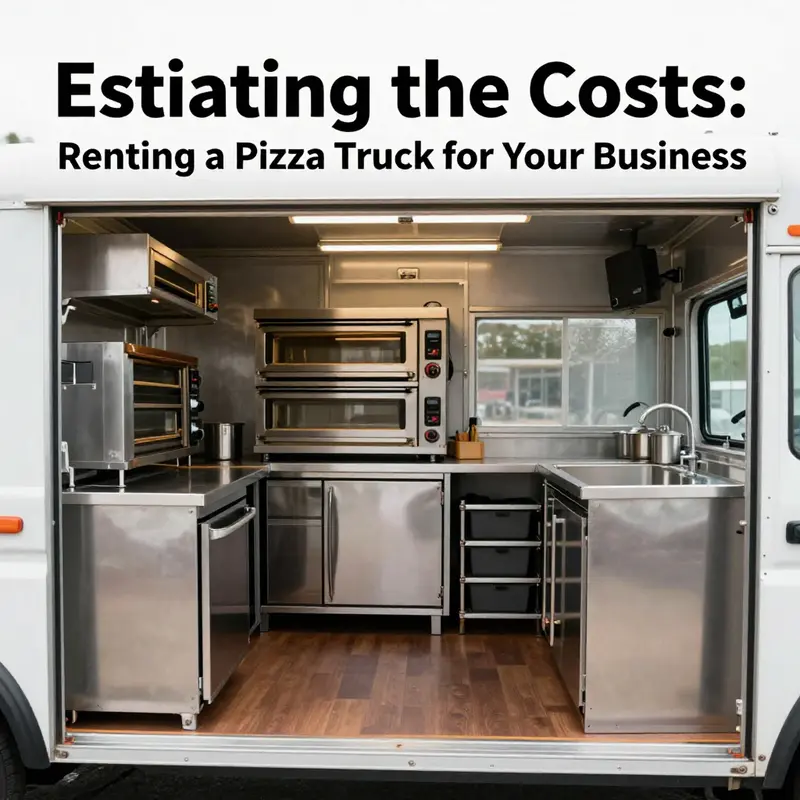
Renting a pizza truck is influenced by several practical levers that go beyond the sticker price. The size of the truck, the sophistication of the kitchen, and how the setup supports service discipline all shape daily rates.
Larger rigs with professional ovens, refrigeration, and ample prep space command higher fees, while smaller, simpler units tend to be more affordable for intimate events. Pricing generally scales with oven type (wood-fired versus electric), the available workspace, and the level of ventilation and exhaust equipment installed.
Other costs matter as well: energy efficiency, maintenance requirements, insurance, and whether staff needs are included in the package. A more capable truck might carry a higher base rate but enable faster service and greater throughput, potentially increasing revenue per hour.
Seasonality and location can also tilt prices. Peak wedding seasons or high-demand cities may push day rates higher, whereas off-peak times or rural areas can offer more competitive quotes. When comparing quotes, it helps to think about total cost of ownership for the event: uptime, reliability, and speed of setup can reduce labor costs and guest wait times, balancing a higher base rate with operational advantages.
For a practical frame, ask rental providers for sample configurations and their included equipment, then test several setups against expected guest flow and menu depth. The goal is to find the configuration that best aligns with your event’s tempo and revenue potential without over-investing in unused capacity.
Rolling Forward: The Real Cost to Rent a Pizza Truck, From Base Rate to Insurance and Hidden Fees
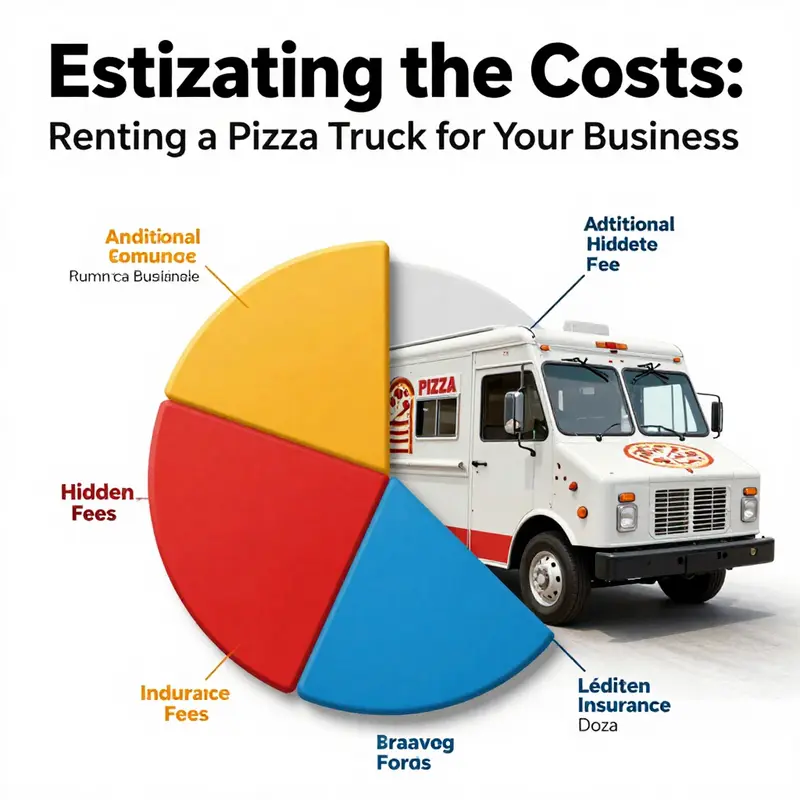
The question of how much it costs to rent a pizza truck often comes with more questions than answers. The landscape is uneven because rental prices hinge on a cluster of variables that shift with location, season, vehicle size, and the equipment installed inside. What you see in a single quoted price can resemble a starting line rather than a final number, because the true total is built from several components that behave differently from one market to the next. If you’re planning an event menu that relies on a mobile kitchen, understanding these moving parts is as important as picking a recipe. It’s not enough to chase a daily rate; you must map out the entire cost bundle you will actually pay, from the base rental to the final invoice, including insurance, permits, and incidentals that appear only in the fine print.
To begin with, there is the base rental fee. In practice, days spent on the road with a pizza truck can range widely. Some markets report daily base rates in the hundreds of dollars, while others push toward the higher end of the spectrum when the truck is larger, better equipped, or located in areas with intense demand. A conservative rule of thumb is that the base figure reflects two things: the truck’s size and configuration, and the rental company’s operating costs in that region. A truck with a built-in pizza oven, refrigeration, and a power system capable of running multiple ovens will command a higher daily rate than a smaller unit intended for simpler prep. In general terms, you might see daily base costs from roughly five hundred dollars up to one and a half thousand dollars, depending on these factors and how long you plan to rent.
Many prospective renters encounter a broad initial figure online, then discover that the actual bill includes a handful of add-ons that can significantly tilt the total. Cleaning fees, for example, are a common post-rental charge. They can be as modest as fifty dollars, or rise higher if the stove area or prep surfaces require special attention. A refundable security deposit is another staple in the rental agreement, typically in the ballpark of five hundred to a thousand dollars. The deposit protects the rental company against damages or excessive wear and tear, and the balance is returned after a successful handover, provided there are no outstanding charges. Then there is mileage. Some operators cap mileage for a standard package, and if you exceed that cap, you’ll face per-mile charges, often in the neighborhood of fifty to one dollar per mile. Even fuel and generator usage can drift into the final tally if a vehicle must return with a full tank or if a generator is used heavily during an event.
Insurance costs form another critical element. The minimum requirement is usually liability insurance, which covers damage to third parties in the event of an accident. This can add a modest daily amount—often in the range of fifteen to thirty dollars per day—to your rental cost. If you want full protection, a collision damage waiver (CDW) is commonly offered as an optional add-on, typically twenty to forty dollars per day. Some rental agreements also consider food spoilage insurance, designed to cover losses from equipment failures that ruin ingredients. Depending on the policy, this can be a separate daily fee, or included in a broader coverage package. For anyone who plans to rely on perishables, understanding what is covered, the claim process, and any deductibles is essential before you sign.
Beyond insurance, licensing and permits can quietly affect the bottom line. Food trucks operate in a regulatory space that varies by city and county. In some jurisdictions, you’ll need a mobile food vending permit, a health department certification, or a vendor license to park and serve at certain venues or events. The costs for these approvals can range from nominal to substantial, and many processes require periodic renewals. It’s not uncommon for a rental to come with a note like “you are responsible for obtaining and renewing all necessary permits,” which means adding time and money to your project plan.
Even when the truck is rented and the kitchen is ready to go, there is a broad category of operational costs that can surprise new operators. The ingredients for the pizzas themselves constitute a recurring expense, of course, but there are also labor costs to consider. Do you hire staff to handle dough preparation, pizza assembly, and customer service, or do you work with a smaller crew and a simpler workflow? Each choice affects daily labor costs, scheduling complexity, and the likelihood of error during peak service. Marketing and event fees can also appear as “optional” line items on an invoice if the rental includes branding opportunities, on-site signage, or social media promotion tied to a particular venue. These elements contribute to the overall cost picture and can add measurable value, especially if a truck rental is part of a broader brand-building effort.
Seasonality magnifies or compresses the cost picture in meaningful ways. In many markets, demand for mobile pizza concepts spikes during warm weekends, sports seasons, or local festivals. A quiet midweek stretch can pull the daily rate down as operators bid for availability, whereas peak season may push prices upward as supply tightens. The regional cost environment also matters. Urban centers with higher living costs and stricter regulatory landscapes tend to price rentals higher than rural or suburban markets. When evaluating a rental, it is important to consider the ability to book flexible dates and negotiate multi-day or multi-event packages. A longer rental window can secure a better daily rate, but it may also bind you to a calendar that doesn’t align with your event plan, so weigh the trade-offs carefully.
How should you budget with all these moving parts? A practical approach begins with a clear event brief: how many pizzas, the expected turnout, the event duration, and the service model (made-to-order on-site vs. heat-up and serve). Start with the base rental fee as your anchor, then add the predictable extras—cleaning, deposits, and baseline insurance. From there, forecast variable costs such as mileage, gas, and any special equipment needs or upgrades. It is wise to request itemized quotes from several rental providers, then cross-check each line item against a written contract. In many cases you will see a quote that lists a base daily rate, plus a separate line for insurance, plus a separate line for cleaning and deposits. The clarity of the quote matters as much as the numbers themselves because it reveals what you are actually paying for and what is optional versus mandatory.
To gain a quick benchmark, many operators reference standard guidance found in typical market negotiations and hiring practices. If you want a quick benchmark, many owners report base rental rates in a broad band similar to what’s discussed in this resource, though actual quotes vary. how-much-to-hire-a-pizza-truck is a practical touchstone for understanding how the base rate can fluctuate with vehicle size and equipment level, while still illustrating how the surrounding fees accumulate to shape the final cost. This kind of benchmark helps you prepare your budget and avoid sticker shock when you receive the final invoice.
Beyond quotes, there is value in thinking about the rental as part of a larger feasibility calculation. If you are evaluating whether to rent for a single high-profile event or to secure a recurring booking over a season, compare the cost against the potential revenue, factoring in your margins, the number of pizzas you plan to sell, and the customer experience you aim to deliver. A rental can be the smallest, but most visible, portion of a broader business model. It can also be a stepping stone toward ownership if the concept proves popular and scalable. The talking point is not just how much you pay today, but how well the rental supports your plan to generate revenue, manage risk, and build a brand around a mobile kitchen.
In the end, the most reliable answer to “how much does it cost to rent a pizza truck?” is that there is no one-size-fits-all figure. The amount you end up paying will depend on the truck’s size and capabilities, the insurance protections you require, the permits you must secure, and the length of your commitment. It will depend on how far the truck has to travel, how many staff you plan to employ, and how ambitious your event goals are. If you approach it with a clear budget framework, a careful read of the contract, and a few quotes from reputable providers, you can assemble a realistic cost envelope that aligns with your event goals. The label on the envelope may say “rental,” but the actual value will come from how well the truck performs on game day, how smoothly the service runs, and whether the investment supports future growth. The goal is to move beyond rough estimates to a precise plan that explains each line item and substantiates the total by the event’s needs and the business’s trajectory. In that sense, understanding the cost is not just about price; it’s about building a sustainable, scalable mobile pizza program that can deliver great food and a memorable experience without surprise charges undermining the venture.
External resources can broaden your budgeting perspective and help you align expectations with reality. For a broader view of startup costs and budgeting, see external guidance here: https://www.sba.gov/business-guide/plan-your-business/estimate-startup-costs
Rolling Costs: A Steady Guide to the Real Price of Renting a Pizza Truck Across Markets
Renting a pizza truck is more than selecting a vehicle and sealing a date. It is an exercise in budgeting for a mobile kitchen that travels with power, water, staff, and permits, all shaped by where the event happens and how long the truck stays on the road. The cost landscape is not a single number, but a spectrum that shifts with location, equipment configuration, and the finer details of logistics. To understand the sticker price, it helps to think in layers: the vehicle itself and its built-in capabilities, the duration of the rental, the distance and delivery logistics, and the regulatory or insurance requirements that turn a good quote into a workable plan.
First, the core: the truck’s size and its kitchen configuration. A compact unit with a compact oven, a handful of burners, a modest gantry for toppings, and enough refrigeration for essential ingredients will typically come with a lower daily rate than a larger, wood-fired or stone-oven setup that can churn out crusts at higher temperatures and with a broader menu. The oven type matters as well; gas-fired ovens are usually less costly to operate and maintain than wood-fired ones, which not only demand more skilled operation but also carry greater maintenance expenses and waste management considerations. A truck that arrives with a full prep counter, clean water, waste water storage, and a basic handwashing station can shave off the need for extra rental add-ons. In short, more equipment, more sophistication, and more compliance requirements tend to push the daily price upward.
Then there is the length of the rental. A one-day event might be priced very differently from a multi-day festival or a series of events booked back-to-back in the same week. In many markets, a rental quote will be presented as a daily rate, but the math behind that daily rate often includes minimum rental days, overtime charges, and fees for loading and unloading that may appear only on the final invoice. Some providers offer week-long or event-package pricing that bundles power, staffing, and a certain number of service hours, which can reduce the incremental cost of each additional event day. The timing of the rental also matters. In high-demand seasons or during peak wedding weekends, daily rates can rise as operators adjust to the scarcity of prime event locations and the need to hire experienced staff who can manage peak crowds.
Geography is another decisive factor. The transportation footprint between your site and the equipment hub can dramatically alter the bottom line. In dense metropolitan areas where parking, road tolls, and labor costs are higher, the stated daily rate often climbs. Conversely, in rural or less congested regions, you might find lower base rates and more flexible scheduling. The contrast between regions is striking enough that it can be more informative to speak in ranges than in fixed numbers. In the United States, for instance, major metro areas tend to push the upper end of the spectrum due to premium locations, higher wages, and more robust insurance premiums, while smaller towns may offer more economical options. Across the border in Canada, daily rentals follow a similar pattern, with larger cities commanding higher prices than their provincial counterparts. Europe presents a similar mosaic, with Western European markets often reflecting stricter regulatory environments and higher infrastructure costs, while some Eastern European markets offer more affordable daily rates. These regional differences matter not only for the sticker price but for the kind of service and reliability you can expect when your clock is ticking and your event depends on a smooth kitchen workflow.
Beyond the sticker price, there are ancillary costs that can surprise first-time renters if they aren’t planned in advance. Insurance is a non-negotiable when a mobile kitchen is involved. Most rental agreements require general liability coverage and sometimes additional insured status for events at larger venues or in public spaces. Transportation costs—whether the truck is delivering to your venue or you are arranging a pickup—also factor in, particularly if the site imposes access limitations or narrow streets. Some regions require permits or temporary licenses for mobile food vendors, and there may be fuel, generator usage fees, and waste disposal charges that appear as line items on the final bill. Finally, a cleaning deposit or damage waiver may be requested, which is typically returned if the unit comes back in good condition and with a clean kitchen surface. All of these potential line items matter when you are budgeting, because a seemingly favorable daily rate can transform into a more complex total once the add-ons are tallied.
The practical takeaway is that every rental is a negotiated package rather than a fixed price. To approach this with confidence, it helps to standardize what you are asking for in every quote. Ask the provider to specify what is included in the daily rate: the type of oven and its capacity, the fuel source, the prep and serving surfaces, the water system, how many staff hours are included (if any), and whether support staff are required or optional. Confirm whether delivery and setup are included or priced separately, who handles transportation and permits, and what the backup plans are for equipment failures. If you are coordinating multiple events, consider whether a multi-day or event-package option is available, and compare that against daily rates with a separate invoice for staff costs and extras. In many markets, you will discover that “all-in” packages can be more predictable, but you must verify what “all-in” covers—because it can range from a simple oven-and-counter setup to a full-service kitchen crew with on-site supervision.
If you need a rough mental model before you start collecting quotes, the numbers in regional reports offer a broad road map. In major U.S. metropolitan centers, daily rental prices for mobile pizza operations have been observed in the higher ranges, sometimes well into the thousands per day, driven by demand, location premium, and higher general overhead. In smaller cities or rural communities, the daily price tends to be substantially lower, where competition for events still exists but the cost of living and operating is more modest. Canadian markets show a similar spread, with larger cities demanding higher premiums, while more remote provinces offer more accessible daily rates. Across Europe, Western markets often sit on the upper end of the spectrum, while Eastern Europe can present more affordable options, though regulatory constraints can still push effective costs higher. Amid these differences, a consistent thread remains: the price you see is a function of what you truly need on a given day and how much support you require from the rental partner to keep the kitchen running smoothly.
Guidance on where to start with pricing is practical but often needs local verification. If you want a concrete sense of what a rental quote looks like in practice, see how much to hire a pizza truck. This resource helps crystallize expectations by tying the numbers you see in quotes to the realities of equipment, staffing, and logistics in different settings. For those planning ahead, a reliable approach is to collect several quotes with the same baseline inclusions and then compare apples to apples. You’ll find that some providers price aggressively to win business during shoulder seasons, while others protect margins by emphasizing premium service in peak weeks. Your job as a planner is to discern which combination of price, reliability, and flexibility aligns best with your event goals.
To navigate the process, it is useful to lean on platforms that aggregate listings and offer verified pricing data tied to geography and service availability. These platforms can streamline the process of obtaining multiple quotes, especially when you are coordinating a complex schedule or a large outdoor gathering. The value of such platforms is not just price aggregation; it is the ability to confirm insurance coverage, confirm who is handling setup and breakdown, and ensure there is a backup plan for weather-related contingencies. In the end, it is not merely about paying the lowest daily rate; it is about securing a trusted partner who can deliver consistent quality, timely service, and a kitchen that stays within your event budget.
As you move from curiosity to commitment, remember that the numbers you see are snapshots of a broader system. The daily rate reflects the cost of skilled labor, compliance with health and safety standards, insurance, and the operational overhead of running a mobile kitchen. The true value to you is the space to execute your menu with confidence, the reliability of on-site service, and the peace of mind that the trucks arrive ready to serve at the right moment. With this frame, you can compare quotes with clarity, balance ambition with budget, and choose a pizza truck experience that not only feeds guests but also sustains your event’s success. If you want a concrete starting point for framing your inquiry, see how much to hire a pizza truck. how much to hire a pizza truck.
External resources can further illuminate the budgeting process. For broader planning steps and vendor coordination, consider industry platforms that specialize in event logistics. These venues provide access to a wider network of mobile kitchen operators, along with tools for scheduling, insurance verification, and payment handling. https://www.eventbrite.com/.
The Price of Pizza on Wheels: A Thorough, Real-World Look at Renting a Pizza Truck
The prospect of rolling a pizza operation onto a street, festival, or private event is undeniably appealing. It promises mobility, brand visibility, and the flexibility to scale up or down with demand. But the price of turning that appetite into a working business or a successful event comes in as a complex mix of variables. From the first inquiry to the final signature, cost is not a single line item but a spectrum shaped by location, duration, vehicle size, equipment, and the level of service required. In practice, rental costs for pizza trucks can swing wildly, and understanding why helps organizers and entrepreneurs navigate decisions without overspending or underserving their guests. While some early estimates from general mobile-food-vehicle rental discussions place daily costs in a relatively modest range, more comprehensive industry data paints a broader, more nuanced picture. The range isn’t just a single number; it is a reflection of what you truly receive when you rent. In essence, you are buying access to a working kitchen on wheels, a turnkey platform for cooking and serving, and often a doorway into a complete branding or event strategy. The skeptic who asks for a flat daily rate is likely missing the reality that every rental is a package with layers to unpack. Size matters, not just in physical footprint but in capability. A compact pizza truck with a modest oven and a small prep area costs less to operate and transport, while a larger unit with a full kitchen, multiple ovens, refrigeration, and prep space commands a higher price but can dramatically increase throughput and menu scope. The credibility of the operator, the sophistication of the kitchen layout, and the availability of ancillary services—such as on-site staff, setup and teardown, or repair coverage—also push the price higher. When a buyer weighs these elements, the result is a spectrum that begins with base rental and scales through to premium packages that include branding, premium ingredients, and even event-management support. The numbers researchers and buyers often rely on reflect this continuum. Early, more conservative estimates—reflecting simpler configurations and shorter rental periods—tend to place daily cost bands in a broad, approachable range. Yet as the industry data solidifies, the typical daily rental for a pizza truck shifts upward, particularly for units that are fully equipped and ready to operate at a high level. A practical summary of the market shows that rental prices commonly span from about $1,000 to $3,500 per day for standard to premium configurations. In many cases, higher-end models with full kitchens, branding, and optional staffing can reach the upper end of that spectrum or exceed it, depending on the event and location. Even within this framework, the exact number depends on the concrete features included. A vehicle with a wood-fired or gas-fired brick oven, multi-zone refrigeration, extensive prep surfaces, a branded exterior, and a dedicated team is not merely a mobile kitchen; it is a complete dining experience on wheels. All of these features carry cost, but they also translate into the capacity to serve more customers, reduce wait times, and deliver a more consistent product under varying conditions. The value proposition then becomes a balancing act between upfront price and potential returns. The appeal of a higher-priced unit often lies in efficiency, reliability, and the ability to command higher ticket prices at events that demand a premium experience. For event planners and food entrepreneurs, this means evaluating not just the sticker price but the likely throughput and guest satisfaction, which in turn influence revenue. The most straightforward costs to anticipate are the base rental and any mandatory fees tied to the vehicle’s use. But the total outlay quickly grows when you factor in ancillary expenses that are easy to overlook at the initial quote. Insurance coverage is a near certainty for a business of this kind, and while some operators include basic liability as part of the package, many renters encounter additional premiums that reflect the specific risk profile of the event, the locale, and the vehicle’s equipment. Fuel costs can fluctuate with distance and route, particularly for events that require transportation between multiple venues or for out-of-town commitments. Staffing, when included, adds a predictable daily expenditure but also multiplies the service level and customer experience. Permits and licenses in some jurisdictions can be a recurring cost that covers health, fire safety, and street-usage permissions. These are not merely administrative hurdles; they are practical requirements that ensure operations run smoothly and legally. Hidden costs do not arrive as surprises so much as expectations that need explicit confirmation during the quoting process. For renters striving to optimize a budget, the best practice is to build a line item for insurance, fuel, staffing, and permits, then compare that with the baseline rental rate. In this sense, the cost is less a fixed number and more a calculated risk and opportunity. The price dynamics are further shaped by demand. Industry data points to a notable uptick in interest in mobile pizza units since 2022, particularly as festivals, corporate events, and large gatherings lean into food trucks as efficient, flexible, and photogenic dining options. This demand surge has not only increased availability challenges but has pushed rental prices higher in peak seasons. It is a reminder that a calendar filled with summer fairs, holiday celebrations, and major conferences will likely carry a premium for rental equipment. For those contemplating a longer-term strategy, market analyses suggest a healthy, continuing expansion of the broader U.S. mobile food-truck segment, with a projected growth rate that hints at robust opportunities through the next several years. A 2024 outlook highlights a compound annual growth rate in the neighborhood of six to seven percent through 2027, signaling that the pizza truck space is becoming a more entrenched channel rather than a temporary fad. This long-run viability supports serious investment in a rental arrangement, whether as a steppingstone for a new business, a revenue-generating arm of an event company, or a brand-building feature for a marketing plan. Yet firms competing in this space are responding to the same trend with flexibility. Vendors increasingly offer bundled packages designed to address the needs of different clients. A client planning a single-day birthday party might secure a simple, all-in-one rental with a basic oven and a small prep area, while a wedding caterer or festival organizer might pursue a premium package that includes branding, premium ingredients, a branded menu, delivery logistics, and on-site staff. The effect is a more coherent offer, making it easier for buyers to understand value and for operators to justify higher pricing by demonstrating tangible benefits. The economic landscape is also shifting in ways that affect budgeting and decision-making. The growing importance of brand-building in the mobile food space means that customers are often paying for experiences as much as for food. A pizza truck that helps a client stand out at a festival, with distinctive branding and a curated ingredient approach, becomes a strategic asset rather than a one-off catering option. In this light, the cost becomes part of a broader calculation about visibility, guest experience, and the ability to generate word-of-mouth and social engagement. For those who want to compare options efficiently, online marketplaces and rental platforms offer the most transparent way to gauge how different configurations translate into cost. These digital tools enable prospective renters to filter by location, date, and required equipment, and to compare what each package includes. When evaluating options, one of the most helpful steps is to review what you would gain at different price points. Would you prefer a compact, fast-moving unit that handles high-volume service but with limited menu breadth? Or would you rather invest in a larger kitchen with more ovens, refrigeration, and dedicated staff to craft a broader range of offerings, such as specialty pies and dessert items? The question is not simply “How much does it cost?” but “What is the best return on investment for the event you have in mind?” For readers who want a quick starting point, a reminder that rental economics typically span a broad range and that this is shaped by the precise mix of features, services, and location. To get a concrete sense of what you’ll pay for a given date and place, explore the available packages on a vehicle-by-vehicle basis and then ask for a breakdown of all charges beyond the base rate. Curious buyers can also consult a comparison-oriented resource that aggregates quotes and presents a clearer picture of price-to-value in the current market. How Much to Hire a Pizza Truck offers a practical lens for this initial step, helping you translate a price tag into the real-world capabilities you need to execute a successful event. In the end, the true cost of renting a pizza truck is a composite measure: the base rental, the value of the kitchen and brand experience, and the anticipated return on the guest experience you deliver. If you approach the decision with a clear sense of the event goals, the expected crowd size, and the level of service required, you’ll be better positioned to negotiate confidently. Even in a market where competition tightens availability and raises prices during peak times, thoughtful budgeting—grounded in a realistic assessment of throughput, service level, and branding—can yield a strong return. As planners move from wishful planning to precise budgeting, the emphasis shifts from chasing a single “average” price to crafting a package that aligns with the event’s scale and objectives. The result is not merely a rental transaction but a well-considered investment in the mobility and customization that define modern catering. External resources can provide additional context about market dynamics and long-term viability. For a broader industry perspective, see the latest coverage from a leading trade publication that tracks trends in mobile food service and pizza-focused operations. External resource: https://www.pizzatoday.com/
Final thoughts
Renting a pizza truck can be a lucrative venture if approached with a clear understanding of the costs involved. By exploring factors such as equipment, size, additional fees, and regional differences, business owners can better navigate this complex market. Staying informed about industry trends and shifting demand can also aid in making strategic decisions. With the right preparation and insights, transforming your pizza truck dream into a thriving reality is entirely feasible.