
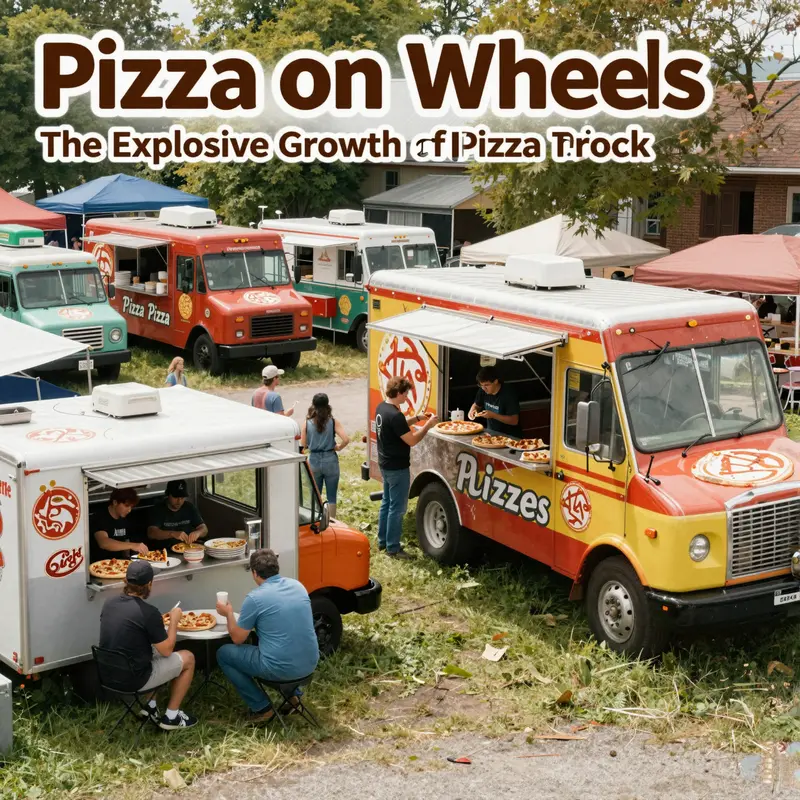
The rise of pizza food trucks signals a dynamic shift in the street food landscape, merging convenience with savory traditions. This phenomenon represents not just a culinary delight but a lucrative business opportunity for aspiring entrepreneurs. As urban areas embrace mobility and accessibility in dining, pizza food trucks carve a significant niche. In the ensuing chapters, we will explore their presence in urban settings, their contribution to local economies, a delightful culinary exploration of offerings, innovative trends within the food truck industry, and understanding consumer preferences driving market demand. Each chapter sheds light on the remarkable journey of these mobile pizzerias, leading us to comprehend their impact and potential within dynamic urban markets.
Urban Slices on Wheels: How Pizza Food Trucks Thrives in the City
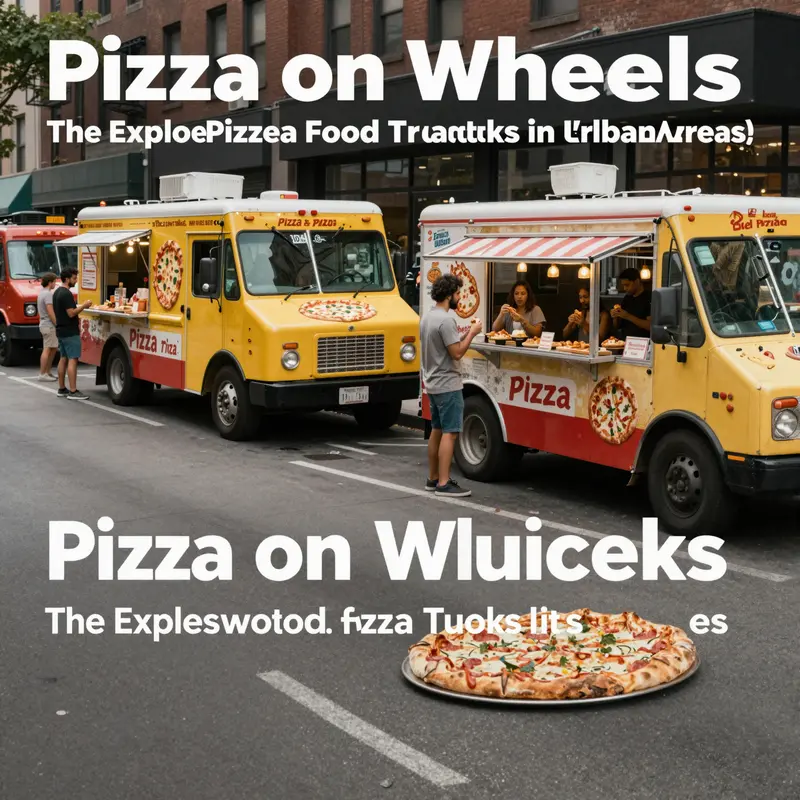
The city hums with a rhythm that never quite sleeps, a tempo built from footsteps, car tires, and the sudden spike of heat that spills onto a curb when a pizza truck fires up its oven. In these dense streets, where foot traffic is a constant and time is measured in lunch hours and after-work bursts of craving, mobile pizzerias have carved out a niche that feels both ancient and modern. The aroma of baking dough and wood-fire or hot electric heat coalesces with the clamor of street life, turning a passerby’s hunger into a quick, satisfying ritual. Pizza on a cart, a trailer, or a compact truck becomes a portable dining room, a temporary focal point where neighbors, coworkers, students, and tourists share a slice and a story. It is not merely a convenience; it is an emergent urban culture that thrives on mobility, spontaneity, and the desire for a hot meal without the formality of a sit-down restaurant. In this setting, the very act of eating becomes a small public event, a moment of connection amid the city’s blur.
Urban pizza trucks occupy a delicate balance. They must fit into tight spaces, navigate crowded streets, and endure city noise while still delivering pizza that tastes like it came straight from a pizzeria. To achieve this, many operators invest in compact, purpose-built ovens—whether wood-fired for that old-country flavor or high-performance electric units designed for small footprints and rapid recovery. The result is a product that can rival traditional restaurants in flavor and texture, even in a setting that seems hostile to long waits. The crust must be crisp on the outside and tender inside, the cheese melted with evenness, and the toppings chosen to travel well and still shine after a short ride to the customer. The trick lies less in flash and more in consistency achieved through disciplined workflows: mise en place that never overshoots, ovens that maintain precise temperatures, and service that respects the urban clock. This is not a luxury; it’s a necessity for a truck that aims to be both reliable and repeatable in a landscape where a hungry commuter could be gone in minutes.
Yet the urban stage is not simply about speed. It’s about strategic placement and timing. Food trucks, including those offering pizza, flourish in high-traffic zones—downtown plazas, near office clusters, park edges, and transit hubs—where the density of potential customers makes every square foot of curb space meaningful. The phenomenon often expands beyond daily lunch routes to include farmers markets, street festivals, wine tastings, and dedicated food truck rallies where an audience tastes a spectrum of flavors in one sitting. In these events, the pizza truck acts as a focal point, drawing in curious tasters who might normally drift toward more established venues. There is a social component here too: the truck becomes a micro-community hub, a place where people strike up conversations with the cook, swap recommendations, or share a table with strangers under the open sky. It is a form of urban hospitality that travels, literally, in a red or enamel-painted shell and a rotating menu that can reflect local tastes and seasonal produce.
Behind the sizzle and the steam lies a pragmatic engine that keeps urban pizza moving. The operational model leans into efficiency born of necessity. Since space is at a premium, many operators adopt standardized, modular layouts that maximize storage, prep space, and the flow from order to oven to pickup. The leanest setups rely on compact prep zones and dual-function equipment that can be swapped or cleaned quickly between shifts. In this world, every movement is choreographed: dough ready enough to stretch as soon as the order comes through, sauce stations that are clean and within arm’s reach, and toppings set up in a way that minimizes cross-contamination while speeding assembly. The result is a seamless quick-service cycle that can deliver fresh pizza in minutes, even as orders stream in from a line that forms in the sun or under a neon glow after dusk. For the operator, the urban pizza truck is a study in logistics, not just a chef’s craft.
The broader economy surrounding pizza trucks mirrors their on-street ingenuity. They exist within a network of supply and support that ranges from equipment suppliers to marketplaces that cater to mobile food businesses. While the full landscape is diverse, one common thread is the accessibility of trailers and ovens that can be mounted on a small chassis and still meet health and safety standards. The industry has grown in part because of the ease with which an aspiring vendor can enter the field: a used trailer, a compact oven, a compliant refrigeration system, and the proper permits can unlock a path to entrepreneurship that would have required far more space and capital in a brick-and-mortar setting. This practical accessibility is complemented by a wave of new and pre-owned equipment available through global marketplaces, which broadens the pool of potential operators and, in turn, the variety of pizzas that urban life can offer.
Discovery in the digital era also fuels the urban pizza truck phenomenon. People increasingly rely on familiar platforms to locate mobile eateries, read reviews, and compare menus in real time. A quick search can reveal nearby trucks, hours, and photos, turning a casual craving into a planned bite or an impromptu detour that reshapes a route home. The city’s appetite for pizza expands as more trucks appear in the urban map, and this visibility catalyzes a virtuous cycle: more trucks attract more customers, who then share their experiences online and through word of mouth, encouraging others to explore. The interplay of street culture and digital discovery makes the pizza truck a modern urban fixture, not merely a novelty, but a reliable option that complements fixed restaurants rather than competing with them in a zero-sum contest. For readers curious about the day-to-day realities behind the truck life, a detailed account of the practicalities and experiences is captured in resources such as the Pizza Truck Experience, which offers grounded perspectives on what it takes to operate on the move.
From a culinary standpoint, urban pizza trucks offer both comfort and innovation. They honor traditional styles—think regionally inspired crusts, balanced sauces, and carefully chosen toppings—while also inviting experimentation that reflects the city’s multicultural palette. A single truck can rotate through a menu that features classics alongside bold, unconventional combinations designed to travel well and excite the palate. This flexibility matters in a city environment where changing the scene is part of the appeal. The same crowd that craves a quick bite after a gym session may also seek a slice that nods to a beloved regional style, and the mobile format makes it feasible to balance both demands without the overhead of a permanent, full-service restaurant. It is this adaptability that helps urban pizza trucks coexist with other street foods and casual dining, offering companions for a quick lunch, a late-night snack, or a family-friendly weekend outing.
Looking ahead, the urban pizza truck story is not simply about surviving in crowded spaces; it is about how mobility reshapes dining culture. The trucks’ itinerant nature introduces a dynamic form of place-making—where a curb, a plaza, or a park can host a culinary micro-event that leaves a lasting impression. In this sense, pizza on wheels becomes more than a meal structure; it becomes a social ritual that echoes the city’s own rhythms of movement, gathering, and return. The street-level accessibility, the communal warmth of sharing a slice, and the aspirational path from idea to street-front reality all contribute to a narrative where urban life and culinary craft meet in a portable, edible moment. For anyone curious about how this story unfolds in practice, the ongoing conversation about pizza trucks—where they appear, how they operate, and what flavors travel with them—offers a compelling lens on urban innovation and the evolving appetite for convenient, high-quality food.
What this urban imaging reveals is not simply that pizza trucks exist, but that they reflect a specific way of thinking about city life: fast, flavorful, and connected. They remind us that street corners can become laboratories for taste and that a city’s appetite is a renewable resource, capable of fueling new businesses, new recipes, and new kinds of social gathering. The next time you spot a truck parked by a park, on a busy avenue, or near a transit hub, pause for a moment. Consider not only the slice in your hand but the entire route that carried it there—the line of farmers markets, the warehouse to street logistics, the small kitchen that transformed ordinary dough into a moment of warmth for strangers. In the urban mosaic, these mobile pizzerias add one more thread to the fabric of public life, a reminder that good food can travel as easily as a person can. For readers seeking deeper, practical insight into the operations and experiences that shape this sector, the following resource provides grounded perspectives on the day-to-day realities of running a pizza truck: Pizza Truck Experience.
External resource for deeper exploration: a detailed external guide on specifications, performance metrics, and industry standards can be found here: https://www.foodtrucks.com/pizza-truck-guide-2026.
Rolling Ovens on the Move: Pizza Food Trucks, Their Reach, and the Economic Ripples Across Local Communities
Across urban landscapes and scenic towns, the scent of baking dough and wood smoke travels farther than a fixed storefront ever could. Pizza food trucks have carved out a niche that blends culinary craft with mobility, turning street corners, markets, and festival grounds into temporary pizzerias that arrive with their own heat, heartbeat, and a sense of immediacy. Instead of a single brick-and-mortar footprint, these mobile ovens chase good weather, crowd energy, and seasonal rhythms, weaving pizza into the daily life of neighborhoods that crave quick, tasty meals and the experience of something a little different. The phenomenon is more than a trend; it sits at the intersection of food culture, entrepreneurship, and local economies, offering a lens to understand how small, nimble businesses can complement larger dining ecosystems without erasing the value of established pizzerias or community staples.
In broad strokes, the landscape of pizza hospitality has expanded far beyond the pizza parlor. In a country with a long tradition of street food and food trucks, a significant share of the pizza economy now arrives on wheels. Industry scale reflected in recent assessments shows that the overall U.S. pizza restaurant domain encompasses tens of thousands of venues and a market that sits well into the tens of billions of dollars. Within this expansive field, mobile vendors occupy a distinctive space: they provide high-quality, often innovative pies at accessible price points, with the flexibility to set up shop in places where fixed locations would be less viable. The dialogue around these mobile pizzerias emphasizes not only flavor and speed but also the practical appeal of meeting customers where they are, in events, markets, and dense urban corridors that crave convenient dining options.
The examples cited by researchers and enthusiasts — a well-loved truck in a Texas towns’ corridor, a mobile pizzeria along the La Ciotat coastline in France, an agile operation that parks near busy dining clusters, and a family-run truck in a popular Utah getaway — illustrate how pizza on wheels can adapt to different regulatory environments, cultural preferences, and customer expectations. In each case, the truck offers not just a pie but a curated experience: a chance to sample a specific style, an opportunity to watch dough transform in a compact kitchen, and the reassurance of consistent quality in a consumable form that’s quick to serve. The appeal of such ventures lies in the combination of craft and convenience, and the fact that the kitchen is both a technology and a stage on wheels.
From an economic viewpoint, these mobile operators are small by design but far from inconsequential. The broader pizza segment—encompassing dine-in, takeaway, and delivery—has demonstrated durable demand, a point underscored by revenue streams that persist across seasons and weather. Food trucks contribute to this ecology by expanding access to pizza in neighborhoods that may be underserved by traditional dining options. They seed foot traffic in plazas, markets, and business districts, where the presence of a pizza truck can catalyze a spillover effect, drawing pedestrians who then explore nearby shops, cafes, or services. When a truck parks at a festival or a busy street corner, it becomes a temporary engine of commerce, nudging additional sales for adjacent vendors and benefiting local vendors who rely on the same crowds.
Recent research, including analyses published in 2025, recognizes that mobile food vendors are delivering clean, high-quality food that rivals fixed-location competitors. This recognition helps redefine perceptions of mobility in the food industry and strengthens the case for supporting small, nimble businesses as integral to local economic vitality. The narrative in places like Denver’s urban landscape spotlights how well-run food trucks can become community touchpoints, not just culinary options. A top-rated mobile operation in that city has shown how a truck can function as a hub for neighborhood gathering, a space where neighbors exchange stories while lines form and people decide to linger. Such social cohesion complements the financial metrics that communities monitor, underscoring that these ventures contribute to both cultural and economic vitality.
The economic logic of pizza trucks also hinges on flexibility—an ability to adapt to seasonal demand, to target events that draw large crowds, and to calibrate menus to local tastes without the heavy overhead of a brick-and-mortar kitchen. The cost structure of a mobile operation tends to be leaner than traditional restaurants, especially when owners optimize equipment usage, streamline staff schedules, and leverage shared procurement networks for dough, cheese, and toppings. This lean approach can translate into competitive pricing and faster service, which in turn sustains customer flow and encourages repeat visits across neighborhoods that might otherwise experience more limited dining options. The broader implication for local economies is clear: mobility lowers barriers to entry, enabling aspiring culinary entrepreneurs to launch with a smaller upfront investment while contributing to the diversity of the local foodscape.
Yet it would be unrealistic to frame pizza trucks as solitary benefactors of circulation. They are part of a broader ecosystem that includes permit regimes, health codes, and municipal priorities that shape where and when a mobile kitchen can operate. The operational realities — understanding route planning, complying with licensing, managing waste and food safety, and navigating insurance needs — require thoughtful, practical know-how. When these elements align, the trucks don’t merely serve slices; they contribute to formal employment, from the cooks who master a style of dough to the drivers who keep the oven mobile and reliable. Some operators have built their teams by hiring part-time staff for events and full-time cooks for more steady gigs, creating opportunities that ripple through the local economy as associated spending increases in the surrounding area. Even as the sector grows, community-minded operators often engage in relationships with schools, nonprofits, and neighborhood groups, using their platforms to support local causes and showcase regional culinary traditions.
The future of pizza trucks, in turn, is likely to reflect a blend of creativity and sustainability. Many observers expect continued growth, partly driven by media attention and the appetite of urban planners and event organizers for flexible dining options that energize public spaces. The idea of a fleet of mobile pizzerias supporting a diverse culinary ecology resonates with broader trends toward entrepreneurship, shared risk, and adaptive logistics. While some analysts have noted plans for publicly traded entities within the broader mobile food space, the core appeal remains rooted in the intimate, day-to-day interactions between cooks, wheels, and customers. In this sense, the pizza truck is less a symbolic icon of the gig economy and more a practical example of small-business resilience in a changing urban landscape.
All these dynamics point to a simple, compelling truth: pizza trucks help fill gaps in access to high-quality food and bring people together in places where a quick, tasty meal can spark conversations, friendships, and a sense of place. They provide a canvas for regional styles to travel, for families to turn a summer evening into a personal culinary event, and for neighborhoods to cultivate a shared sense of belonging around a common, beloved food. Their impact on local economies extends beyond dollars and cents. It touches social fabric, urban vitality, and the everyday rituals that define city life. As communities continue to welcome this mobility, the dough will keep rising in more corners of the map, and local economies will, in turn, be remade—in small, meaningful ways that emphasize accessibility, craftsmanship, and community.
For readers curious about practical aspects of launching and sustaining a pizza truck, there are resources that outline profitability strategies and the realities of building a mobile kitchen. See the detailed discussion on profitability for pizza trucks here: Pizza Food Trucks Profitable. While every market has its quirks, the core ideas around price discipline, menu focus, and efficient operations provide a foundation that can help aspiring operators turn a dream into a steady, livable business. As this chapter has suggested, the economic story of pizza trucks is as much about how communities respond to mobility as it is about the pies themselves.
External data and broader market context can be explored through global and national statistics on pizza dining. For a wider lens on how pizza-oriented concepts perform within the U.S. restaurant scene, see Statista’s statistics and facts on pizza restaurants in the United States, which offer a snapshot of the scale and evolution of the sector: https://www.statista.com/statistics/1367955/pizza-restaurants-us/
Pizza on Wheels: A Culinary Exploration of the Mobile Pizzeria Scene
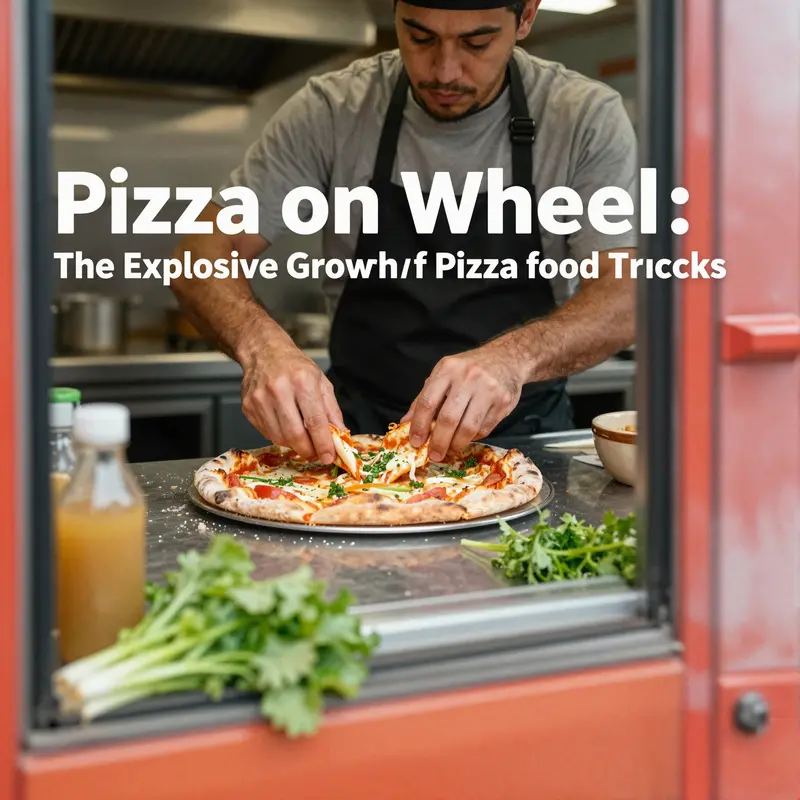
Pizza has long enjoyed a place on the table, but in recent years the pie has taken to the street with a swagger all its own. Across towns and coastlines, you will find pizza on wheels rolling into festivals, drifting between farmers markets, or parking at a neighborhood corner until the last slice is sold. The mobile pizzeria isn’t a gimmick; it is a robust, problem-solving model that blends craft, speed, and local flavor in a single, portable kitchen. These trucks lean into the realities of outdoor dining and flexible schedules, expanding when foot traffic swells and shrinking when weather flexes, all while keeping the core promise of a hot, hand-tossed crust delivered on demand.
Inside, the kitchen is a compact theater. Many operators mount wood-fired ovens—scaled for a van or trailer—so pies emerge with blistered edges and a kiss of smoky aroma. The setup is meticulous: a dough station that can be tuned to temperature, a sauce station that relies on bright tomatoes and careful seasoning, a cheese line that handles creamy fabrics and taut mozzarella, and a topping area where seasonal produce can meet bold, house-made combinations. The performance is fast, and because the oven is the heart of the operation, the pace and heat management determine customer satisfaction as much as the toppings do. The smell of hardwood smoke, the crackle of flame, and the memory of a pizzeria oven travel with the truck, giving a sense of theater to the bite.
This direct-to-customer model gives diners a link from the plate to the person who crafted it. There is no middleman between cook and eater, as a truck parks in a plaza or at a festival, and the chef can explain choices, adjust heat, tweak toppings, and take custom requests on the spot. That immediacy aligns with a growing appetite for transparency and locally sourced ingredients, even when the kitchen is moving. Diners touch dough in the air with their eyes, hear the sizzle, and feel the warmth of the oven in their hands as they decide what to eat. The experience becomes part of the meal, not merely a purchase.
The appeal goes beyond the mechanics of the oven. Pizza trucks create a direct line from cook to consumer, a conversation in two hands instead of a menu board and a distant counter. The chef greets regulars, answers questions about toppings, and sometimes sketches a custom pie on a chalkboard while a line forms. That interaction matters in communities hungry for local identity and personal touch. In practice, this immediacy translates into trust: people come for the flavor, stay for the story, and return for the experience of knowing the person who built their pie. The result is a dining moment that feels intimate and spontaneous, even when orders are fired at a steady rhythm and the line moves without pause.
National taste trends help explain why the mobile pizza format has thrived. Pizza remains a dominant staple in the United States, with tens of thousands of brick-and-mortar pizzerias sustaining a vibrant ecosystem. The mobile model doesn’t supplant that world; it augments it, offering a portable alternative that can reach parks, campuses, and event venues with less upfront risk than a storefront. The possibility of lower fixed costs, faster startup timelines, and the chance to chase events across a city or region makes this a tempting path for culinary entrepreneurs. The format also supports experimentation: a truck can rotate menus with the seasons, invite guest chefs, or tag regional flavors to reflect local tastes without committing to a permanent menu across a fixed space.
Industry watchers describe mobile pizzerias as serious culinary ventures rather than novelty acts. They point to chefs who, through a small footprint, craft a menu that combines tradition with innovation. The best operators maintain consistency in crust thickness, a reliable bake time, and a clean kitchen that shines in daylight or under festival lights. Even when crowds swell and a line forms, a well-designed service flow keeps pies moving, and the happiest customers leave with a hint of smoke on their fingers and a smile on their face. The portability does not erase the craft; it magnifies it by demanding efficiency, adaptability, and a close relationship with the community that supports the truck.
On the practical frontier, the logistics of a pizza truck become a study in optimization. Power needs, weather considerations, water management, and waste disposal all have to harmonize with food safety standards. A compact oven, mounted ventilation, and a compact refrigeration setup are not flashy luxuries; they are essential to keep the line moving and the crust crisp. Operators learn to read the crowd, place the oven in a favorable heat zone, and design a workflow that minimizes wait times while maximizing the chance for a perfect pie. These details matter because the difference between a good slice and a great one in a street setting hinges on how well the kitchen communicates with the street outside and how effectively the team can maintain quality on a busy night.
Real-world footprints illustrate the variety of contexts in which pizza trucks thrive. In coastal towns, trucks anchor near harbor frontages, offering quick escapes after a seaside stroll. In mid-sized cities, they work as pop-up staples at farmers markets or near nightlife districts, catching people as they move from street performance to late bites. In mountain towns or tourist sites, crews craft seasonal pies that echo local produce, turning a simple snack into a memory of place. The adaptability of the format means that a pie can be a practical meal in a rush, a social ritual during a festival, or a comforting treat after a day of exploring. The result is a flexible dining option that respects both the speed of street food and the care of artisanal pizza making.
From a business-building perspective, aspiring operators often explore accessible routes into the space. A ready-to-launch mobile kitchen kit, designed for mobility and safety, demonstrates how a person with a dream can begin without an expensive storefront. The kit concept emphasizes a turnkey approach: a kitchen that fits into a van, ovens, ventilation, a small prep area, and a plan for sanitation and inspection. This practical pathway helps demystify the process of entering a crowded market and underscores that success comes from craftsmanship, reliability, and the ability to respond to local demand rather than from branding alone.
Those curious about the day-to-day life behind the wheel can dig into narratives that describe the rhythms of a pizza truck on a typical day. The slice of life, the quick interactions, the improvisation when a topping runs low, and the pride of handing over a pie to a smiling customer—these are the moments that give the chapter its texture. If you want to dive deeper, the piece on Pizza Truck Experience offers a behind-the-counter perspective that brings readers closer to the realities of flavor, service, and speed. Pizza Truck Experience.
Ultimately, the rise of pizza on wheels reflects a broader appetite for culinary mobility that respects craft while embracing speed. It does not erase the traditions of the brick-and-mortar pizzeria; it revises how communities access and interact with pizza. It invites a playful but serious approach to menu design, sourcing, and customer engagement. The mobile kitchen becomes a platform for local producers, a venue for informal gatherings, and a stage for chefs to test ideas with a live audience. That combination—quality dough, interactive service, and mobility as a core value—defines why this trend is here to stay and why it resonates with eaters who want a hot pie delivered with pace, personality, and a sense of place.
For readers considering future ventures in this space, the practical infrastructure is more approachable than ever. While a storefront can take years to amortize, a well-planned truck can begin serving a neighborhood or an event calendar with a lean starting point and room to grow. The key is to treat the kitchen as a precision instrument and the street as a stage where the pie must perform. As the scene expands, it keeps inviting new cooks to bring their own signature style to wheels, letting pie fans discover something new as often as the location changes. For references on affordable pathways to launch, see the broader discussion of mobile kitchen kits and startup considerations on industry resources, including accessible listings for entry-level options at this link: https://www.foodtrucks.com/food-truck-for-sale/tuk-tuk-fast-food-truck-hot-dog-cart-outdoor-taco-pizza-truck-ice-cream-kiosk/
Rolling Out the Slice: Trends and Innovations in Pizza Food Trucks and the Street-Food Evolution
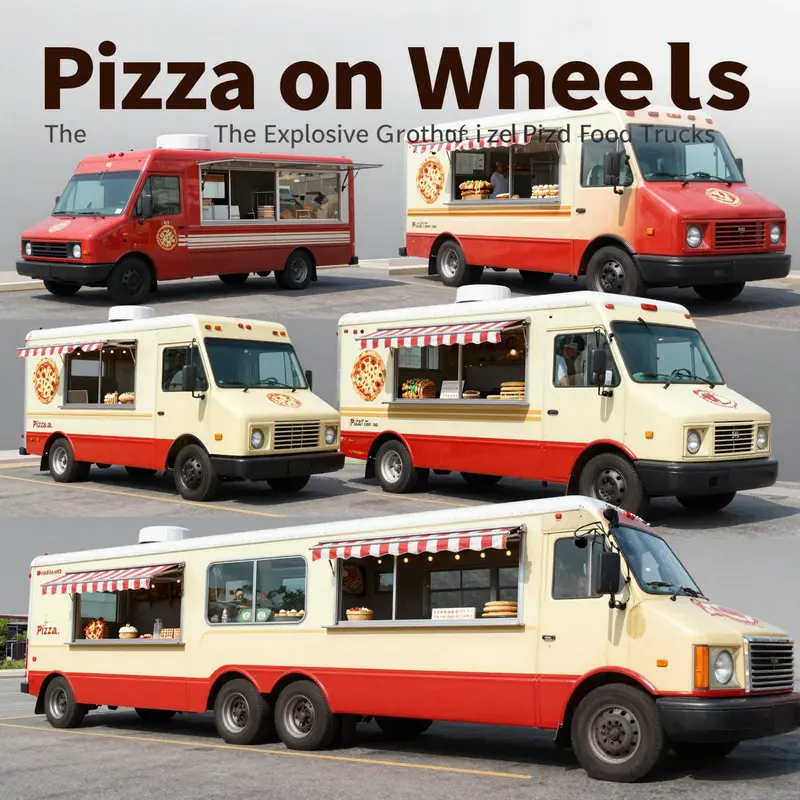
Pizza on wheels has moved from a roadside novelty to a credible model for urban dining, a signal that the street food landscape is expanding its repertoire while maintaining a focus on craft, efficiency, and personality. In cities and towns around the world, mobile pizzerias roll into squares, festival grounds, campuses, and farmers markets, bringing hot, aromatic slices to neighborhoods where convenience and taste collide. The appeal rests not only in the food itself but in the mobility, the immediacy, and the story that accompanies a well-tuned mobile kitchen. The best of these trucks blend heritage techniques with modern logistics, offering something more resilient than a temporary pop-up yet more nimble than a fixed storefront. They are practical experiments in how food travels and how audiences decide what is worth chasing down on a schedule or a whim. The chapter that follows traces how this form has evolved, what makes it work, and what springs from the intersection of culinary ambition and street-level commerce.
The evolution of pizza on a trailer or a compact dining unit has been driven by a simple, powerful idea: authentic flavor can be produced in a reduced footprint without sacrificing speed or consistency. Early mobile operations often relied on makeshift setups, but the current generation of pizza trucks features purpose-built kitchens that rival traditional pizzerias in reliability and output. At the heart of that shift are ovens that are both compact and capable. Modern high-efficiency ovens, designed to fit within small footprints, allow wood-fired or gas-powered cooking with the same visual theater and the same result you expect from a brick oven. The glow of a well-tuned flame, the crackle of a blistered crust, and the aroma that travels with the truck all contribute to a sensory invitation that is perfectly tailored for a crowd gathered around a curbside window. The right oven becomes both a workhorse and a performance feature, drawing in curious pedestrians and converting them into repeat customers who remember the speed and the texture of a slice just as much as the toppings.
Alongside the oven, the layout of the truck itself matters as much as the dough. Streamlined interiors with modular work zones, slip-resistant floors, and efficient waste management translate into steadier service during peak times. These features are not mere conveniences; they are enablers of reliability, a critical asset when a truck operates in diverse environments—from a crowded city street to a remote festival field. The electrical infrastructure, typically a combination of 220V and 110V systems, is designed to handle ovens, refrigeration, and refrigeration-turned-service counters without overheating or downtime. The result is a mobile platform that resembles a small, fully equipped kitchen on wheels, capable of delivering a consistent product regardless of the location or the weather. The aesthetics of the unit—the clean lines, the gleam of stainless, the subtle branding—also matter. A visually coherent setup communicates professionalism and invites trust, which translates to higher order value and more repeat business when customers spot the familiar silhouette in a lineup of street vendors.
Market demand for pizza in motion is driven by several converging forces. First, the overhead economics of a food truck can be more favorable than a fixed location, especially in markets where real estate costs are high or where seasonal foot traffic fluctuates. A mobile business can test a variety of locations and events without the long-term commitments of a lease. Second, the flexibility of a pizza truck supports entrepreneurial experimentation. A family-run operation might emphasize a Neapolitan approach with wood-fired crusts and a handful of signature toppings, while a larger vendor could push a broader menu, including calzones, pan pizzas, or even dessert offerings and beverages, all within a single chassis. The result is a multi-functional design that satisfies a wider customer base and adapts to shifting market demands. In addition, digital discovery platforms have made it easier for curious diners to locate these mobile kitchens. People increasingly search for a quick pizza fix at a specific time or near an event, and maps, review sites, and social media create a dynamic visibility that helps operators reach new audiences without the need for permanent storefronts.
One notable feature of contemporary pizza trucks is how they harness technology not only to produce great food but to manage the customer experience. The kitchen flow is optimized to minimize waiting times, with prepped components staged to speed assembly without sacrificing freshness. Some trucks adopt smart scheduling for peak periods, coordinating with event organizers so that the kitchen is prepared to handle a surge of orders while maintaining consistent crust quality. Even the lighting and music choices around the service window are curated to create a welcoming atmosphere that feels both neighborly and professional. It is this attention to ambient detail, as much as the crust and toppings themselves, that elevates a mobile pizzeria from a novelty into a dependable option in a bustling dining scene.
The affordability of entry is another driver worth noting. While high-end, kitchen-equipped trucks exist, the market also accommodates aspiring operators who start with more modest configurations and grow as they establish a customer base. A spectrum of options, including fully equipped trailers and smaller carts, allows individuals to enter the business at different scales and with varied risk profiles. The possibility of launching with a lean setup lowers barriers to entry, enabling cooks to test concepts, refine recipes, and learn the regulatory rhythms of operating on public streets or private events. This flexibility is essential as operators navigate permits, health inspections, and the logistical realities of food safety in mobile environments. The entrepreneurial appeal of this model helps explain why many communities see a lively mix of pizza trucks serving both everyday meals and special events.
A growing trend in the sector is the push toward multi-functional mobile units. Market expectations often reward vendors who can pivot their offerings to align with seasonal appetites or event themes. A pizza truck that can switch effortlessly to serve a quick dessert pizza, a savory calzone, or even a different handheld option for a family-friendly event demonstrates versatility that keeps it relevant across venues and audiences. The modularity of kitchen layouts supports this adaptability, allowing operators to reconfigure work zones with relative ease as demand shifts. The trend mirrors broader movements in street food, where mobility and diversification become ways to build resilience against fluctuating customer bases and changing urban landscapes. In practice, this means a single truck might become a go-to option at a weekend market while expanding into schools, corporate campuses, and private celebrations during the week.
The global dimension of pizza mobile services adds another layer of richness to the story. In diverse urban centers, operators bring regional styles to new audiences, and the exchange fuels both culinary creativity and business growth. A truck that masterfully handles a wood-fired crust inspired by one tradition can attract curious diners and later win repeat customers who crave the same texture and aroma they tasted at a street corner in another city. This international exchange also fuels a demand for standardized equipment and practices that make cross-border operations feasible, from portable dough benches to compact, compliant ventilation systems. The mobility aspect is not simply about transport; it is about delivering consistent quality no matter where the oven sits, which in turn cultivates trust and loyalty across neighborhoods and event types.
For readers curious about practical paths into this world, the landscape offers tangible routes. Digital platforms frequently list mobile pizza operators and help aspiring entrepreneurs identify opportunities, assess competition, and plan routes. Exploring the offerings and patterns of existing trucks reveals how seasoned operators balance speed, flavor, and compliance in a live service context. Alongside this outward-looking view, hands-on guides and case studies illuminate the legal and logistical steps required to launch a pizza truck, from obtaining permits to understanding health codes and waste disposal. A well-timed, well-marketed pizza truck can become a recognizable fixture in a city’s food culture, a mobile gateway to shared meals and social connection. For readers who want to dive deeper into the experiential side of rolling a pizza business, a reflective piece on the pizza truck experience offers a narrative that complements the technical and commercial considerations. Pizza Truck Experience.
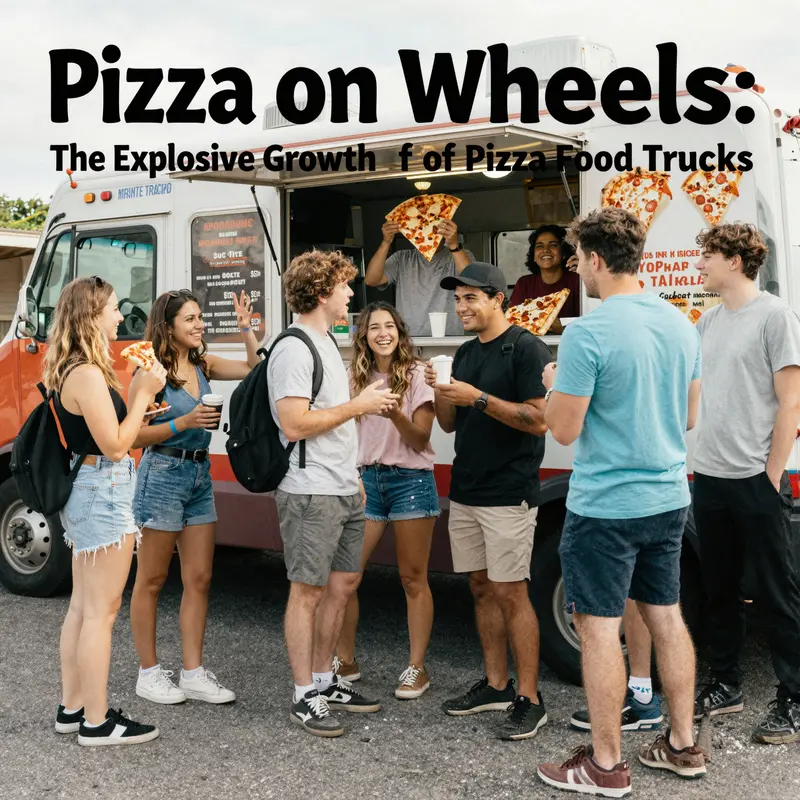
As the scene continues to evolve, the connection between food storytelling and mobile hospitality grows stronger. The image of a pizza slice handed through a window, the steam curling into street air, becomes a portable moment of celebration that travels with the truck. The chapters ahead will explore how operators balance artistry and practicality, how communities shape and are shaped by these wandering kitchens, and how the broader street-food ecosystem continues to respond to the demand for high-quality, accessible dining on the move. For those looking to explore the material dimensions of design and production, it is worth examining global supplier platforms that market pizza food trailers with full kitchens. They reveal a spectrum of configurations—from compact, highly efficient rigs to larger, more flexible units designed for seasonal operations and rapid deployment. This intersection of culinary craft and mobile engineering is where the next wave of street food innovation will forms, inviting creators to imagine new crusts, new menus, and new ways to connect with hungry pedestrians who crave not only pizza but the experience of it delivered with speed, charm, and a touch of theatre. External resources provide practical insights into the build and purchase considerations for pizza mobile units and can serve as a starting point for practitioners and researchers alike. A representative example of the type of product architecture available is described at the Made-in-China listing for a pizza food trailer with a full kitchen, illustrating how the core ideas of mobility, safety, and efficiency translate into real-world, shop-floor designs that businesses can tailor to their regional markets. https://www.made-in-china.com/products/30986438527-226292229/Pizza-Food-Trailer-Mobile-Food-Truck-with-Full-Kitchen.html
null
null
Final thoughts
Pizza food trucks represent a remarkable intersection of convenience, creativity, and community impact. As they continue to flourish in urban landscapes, they contribute not only to the culinary scene but also to local economies, offering both employment and gourmet experiences. The chapters illuminate how these mobile pizzerias cater to diverse consumer preferences while employing innovative trends that keep them relevant in competitive markets. As a business owner, recognizing the growing appeal of pizza food trucks can provide a pathway to an engaging entrepreneurial venture. Embrace the pizza revolution and consider joining this bustling industry that merges the love for pizza with the love for community.