
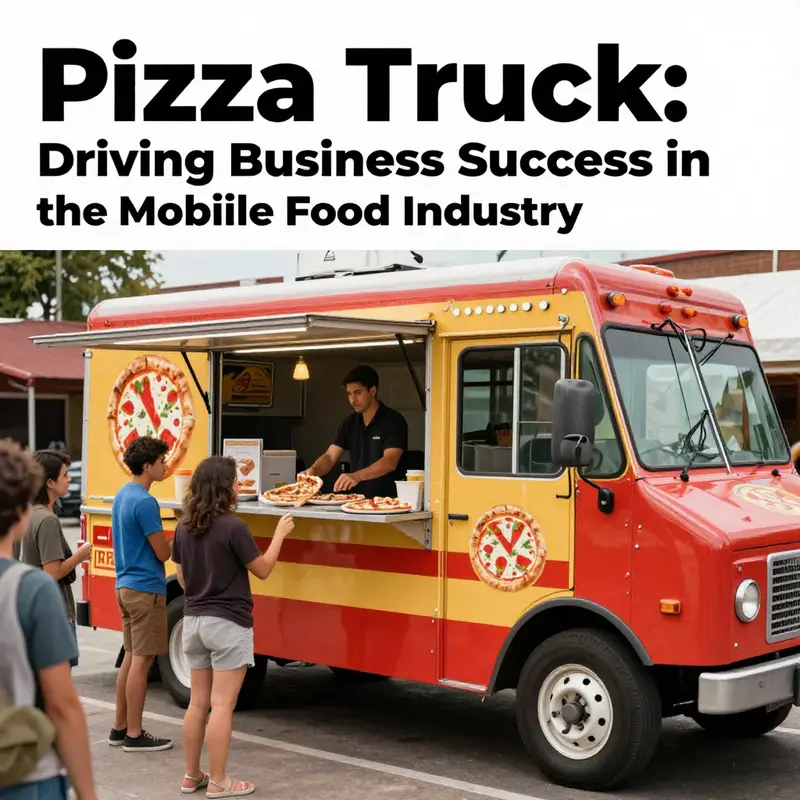
The “Pizza Truck” phenomenon extends far beyond a simple mobile food unit; it encapsulates a dynamic blend of video game innovation, real-world culinary entrepreneurship, and evolving consumer preferences. For modern business owners, understanding this concept offers invaluable insights into both the playful side of pizza-making and the serious potential of a pizza truck venture. This article delves into four critical areas: the impact of the Pizza Truck video game series, how mobile pizza trucks are revolutionizing food service, the latest trends in equipment and investment, and the cultural significance of pizza in the consumer market. Each chapter builds a narrative that illustrates how the pizza truck concept can inspire creativity and drive business success.
From Arcade Streets to Mobile Kitchens: The Rise of the Pizza Truck Game Franchise
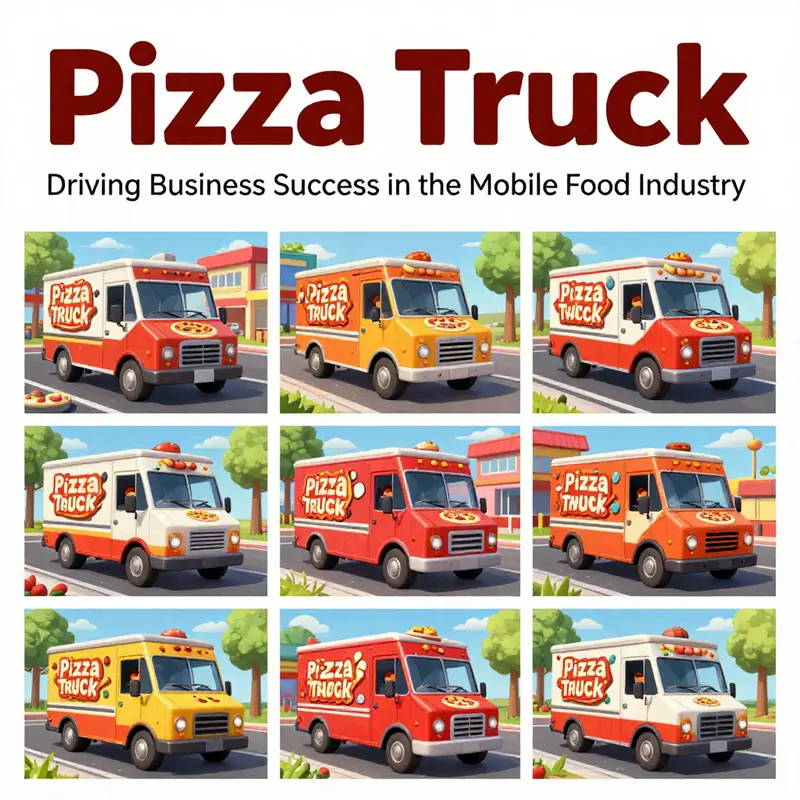
The Pizza Truck series shows how a simple idea can become a versatile entertainment canvas. At first glance it looks like a small premise: drive a truck, deliver pizza, keep orders warm. Underneath, designers found a flexible motif that supports many gameplay loops. Developers layered driving skill, tactile play, reflex challenges, and management strategy over that base. The result is a franchise that appeals to kids, casual players, and simulation fans alike.
Early entries embraced pure accessibility. A web-based driving game reduced controls to keyboard arrows. Players guided a truck through streets while avoiding hazards and keeping deliveries timely. The simplicity mattered. New players could join immediately. Repeat play came from tighter runs, better scores, and the satisfaction of perfect deliveries. That beginning proved a crucial lesson: accessible mechanics encourage viral sharing. When an input scheme is obvious, the experience becomes social. Players traded tips for tricky turns and compared delivery times in forums. The game’s compact design fit lunchtime breaks and browser sessions between tasks.
As the idea matured, designers explored tactile interaction for younger audiences. A child-focused release replaced dense mechanics with playful surprises. Touch interactions reward curiosity. Tap a driver and a laugh pops up. Tap clouds and a puff of sound follows. These small sensory details make a world feel alive. The game removed advertising and paid extras. That choice made it safe for families. It emphasized discovery, not optimization. Children learned cause and effect while enjoying innocuous goals like making simple pizzas and moving them to waiting customers. Educational value hid inside play without feeling forced. Simple visual feedback, bright colors, and consistent rewards taught timing and sequencing. A caregiver could hand a device to a child and trust the session would be wholesome.
The franchise then moved into hyper-casual territory. A minimalist, vector-styled mobile title inverted the mechanic. Instead of delivering, players caught falling slices. The truck became a catcher. That shift proved the concept’s elasticity. The same motif—pizza and trucks—supported a reflex-focused loop. Controls tightened. Difficulty scaled with speed. The charm came from short sessions and escalating stakes. Players returned because each run could be slightly better. Mobile marketplaces rewarded this approach. Short, repeatable bursts of play fit commuting and waiting-room moments. The visual minimalism helped the game run on many devices. Reduced art complexity also enabled rapid iteration on balance and level progression.
More recently, the concept expanded into simulation. A simulated mobile pizzeria offers a full service loop. Players take orders, assemble pies, manage ovens, and handle deliveries. Progression comes from recipes, equipment upgrades, and storefront customization. The simulation layer adds long-term goals. It rewards planning and efficiency. Players can optimize ingredient layouts and upgrade ovens to increase throughput. Story arcs introduce constraints, like supply shortages or special events that test scheduling. This deeper loop appeals to players who enjoy systems and long-term investment. It transforms the franchise from casual diversion into a business sandbox. Running a virtual pizza truck can teach basic resource management. It also allows for narrative moments, such as opening a new route or catering a festival. These milestones create emotional peaks and give players reasons to care about progression.
Across all versions, a throughline persists: time and service matter. The theme of urgency binds the different mechanics. Whether dodging potholes, catching slices, or juggling orders, players respond to temporal pressure. Designers tuned audio and visual cues to reinforce that urgency. A countdown beep, a flicker of smoke, a customer’s impatient face—these signals keep players engaged. They trigger short-term decision-making and long-term strategy. Balancing the feeling of stress with satisfying feedback is essential. If players feel unfairly punished, they quit. If the pressure never rises, they lose interest. The franchise demonstrates a craftful balance between tension and agency.
Another reason the franchise endures is cultural resonance. The idea of a pizza truck taps into shared experiences. Food trucks are visible symbols of modern street food culture. They represent mobility, local flavor, and entrepreneurship. Fictional food trucks from other media reinforce this imagery. An iconic pizza delivery vehicle appears frequently across animation and films as a playful Easter egg. That recurring image connects players to something familiar and nostalgic. A single visual cue can carry a lot of meaning. Using a pizza truck as a protagonist draws on that reservoir of cultural shorthand. Players instantly understand the stakes: a moving kitchen must be efficient and friendly.
Designers also learned to craft emotional beats without heavy storytelling. A child’s squeal when a hot pie arrives. A street vendor’s grateful nod. A rival food truck pulling up next door. These small moments build a world that feels lived-in. Narrative emerges from mechanics. Customers with distinct personalities present different expectations. Some reward speed, others reward creativity. Special orders create mini-goals that break routine and tempt players to experiment with recipes. This episodic storytelling keeps the experience fresh while staying true to the franchise’s mechanical core.
Accessibility stretches beyond control schemes. Visual style choices, difficulty scaling, and monetization models determine who can play. The franchise embraced ad-free experiences for children, ensuring uninterrupted play. For older players, optional in-game purchases must avoid undermining fairness. Cosmetic upgrades and time-saving conveniences work when they keep competitive balance intact. Many iterations support a wide array of hardware. Low-spec devices run the minimalist entries; more powerful machines handle simulation details. This scalability broadens the audience and encourages cross-platform loyalty.
Community engagement played a practical role. Leaderboards and sharing features created social hooks. Players posted high scores and efficient route plans on message boards. Some communities formed around speedrunning deliveries or mastering tough recipes. Developers listened and iterated. They added quality-of-life features based on player feedback. Small changes, like a clearer notification for a burning oven or a smoother steering curve, improved retention. Developers who responded quickly built loyalty. The project demonstrates how community feedback can fix friction and shape future content.
Technological shifts also influenced design. Vector graphics and lightweight engines enabled cross-device compatibility. Touchscreen gestures inspired more tactile mini-games. Physics engines made driving feel weighty without overcomplication. Cloud services allowed players to sync progress between devices. Trend watchful development teams retooled mechanics to match platform strengths. When mobile gaming favored quick sessions, reflex-based runs took precedence. When hardware improved, simulation depth grew. The franchise is a case study in aligning design with platform opportunity.
There are lessons for creators beyond gaming. The pizza truck motif illuminates how a narrow theme can support many expressions. Start with a strong, relatable core. Then explore variations of input, pace, and scope. A single narrative seed can sprout an arcade title, a child-friendly app, a hyper-casual hit, and a rich management sim. Each entry reaches a different audience while preserving a recognizably coherent brand identity.
The franchise also highlights longevity strategies. Offer accessible entry points. Build layers of engagement for long-term players. Maintain a clear emotional tone across products. And listen to players. These practices sustain interest and invite community creation. The pizza truck’s visual and conceptual simplicity makes it easy to remix. New mechanics can be grafted onto the basic concept with low friction.
Finally, the series demonstrates cultural synergy. A recurring fictional pizza truck in films and animation amplifies familiarity. That connection makes players smile and fosters nostalgia. Designers can use cultural touchstones to add depth, while ensuring their designs remain original. The franchise respects its inspirations without leaning entirely on them.
For readers who want a closer look at those cinematic Easter eggs and recurring pizza truck appearances, see this overview of Pizza Planet Truck appearances in Pixar films: Pizza Planet Truck in Pixar movies.
For technical and release details on the latest entries in the series, consult the official game series page: https://www.goodglue.com/pizzatruck
Pizza Truck on Wheels: Crafting a Mobile Kitchen Revolution
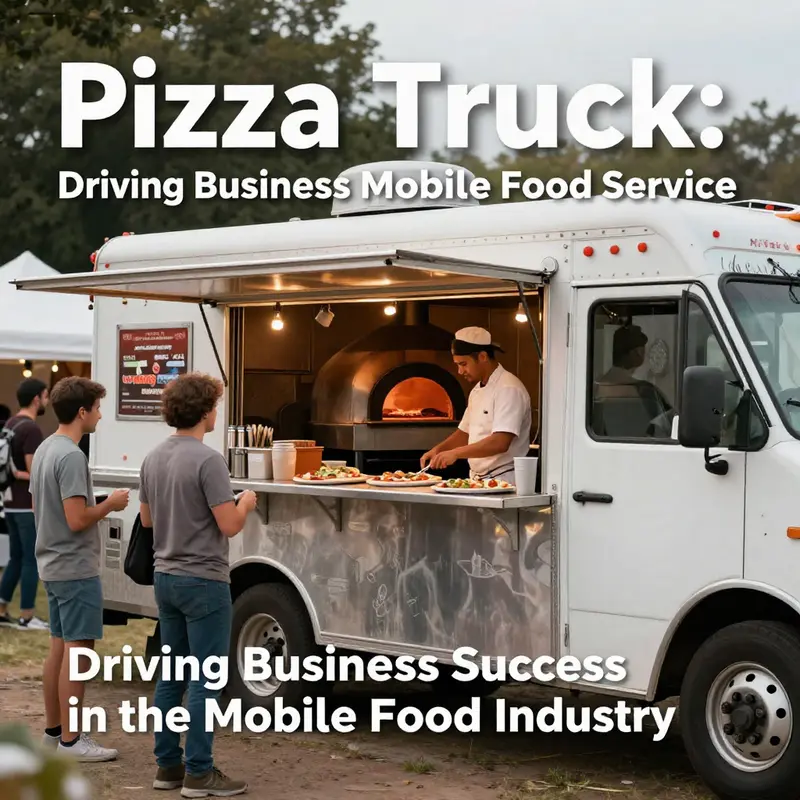
A pizza truck is more than a vehicle with a hot oven. It is a rolling kitchen that blends culinary craft with logistical precision, a small factory on wheels that must perform under bright sun, cold drizzle, crowded streets, and the unpredictable rhythms of events. In recent years, the concept has grown from a simple caterer’s option into a fully capable microenterprise. The best mobile pizza operations treat the truck as a compact system, where design, workflow, safety, and hospitality converge to create a reliable, repeatable experience for customers who crave fresh, made-to-order pies exactly where they gather. This is not merely about mobility; it is about reimagining what a restaurant can be when its base of operations follows the crowd rather than waiting for customers to come to a fixed location. When you watch a well-run pizza truck at a festival, a campus, or a farmers’ market, you see an orchestration: a compact kitchen that anticipates demand, a service model that keeps lines moving, and a footprint that scales with opportunity.
The modern mobile kitchen is a study in modular efficiency. A typical premise in the recent market landscape is a corrosion-resistant aluminum body and a modular kitchen layout that can be reconfigured to suit pizza, hot dogs, or a broader snack menu. These configurations are engineered to reduce prep and service times, with ergonomic service windows and streamlined workflows that shorten the distance between dough, sauce, cheese, and oven. A kitchen built to travel must also manage power, ventilation, and climate control in a way that aligns with outdoor realities. Energy-saving refrigeration, for example, reduces peak consumption and helps keep ingredients at peak quality during long event days. These small engineering choices compound to deliver a tangible difference: orders that move faster, pizza that emerges with consistent heat and melt, and a staff experience that is less exhausting and more focused on craft and service.
The questions a potential operator asks, and the answers they expect, reveal the shift from a simple oven-on-wheels to a versatile food business platform. Fast-food style trucks lean toward rapid turnover, balancing electric ovens or hot plates with pre-prepared pizza rounds for a rotating menu. Wood-fired variants cling to tradition, delivering spectacular aroma and texture by reaching temperatures around 900°F, with pizzas baking in seconds and the crust achieving blistered complexity that can elevate a street menu into a moment of terroir. The choice between approaches is less a binary and more a mapping: a particular neighborhood, a specific event profile, a target price point, and a service tempo all inform a configuration that optimizes both flavor and throughput. The result is a culinary statement that travels as easily as it sells, and a reputation built on reproducible quality instead of one-off performances.
From the customer’s perspective, the impact is felt in consistency, speed, and hospitality. A well-run pizza truck delivers not just a hot pie but a controlled dining experience under variable conditions. The order flow often begins with a simple, clear order-taking process, sometimes integrated with mobile ordering so customers can jump into line once they arrive. Behind the counter, the workflow unfolds in stages: dough is prepared with discipline, sauces and toppings are portioned with accuracy, and all elements converge at the oven in a sequence that minimizes idle time. The service window becomes a buffer and a handshake with the crowd: a place where people can watch the making, smell the dough and cheese, and feel the anticipation of a dish that is both quick and crafted. The social aspect matters as much as the food; a sunny day at a campus quad or a windy evening at a festival becomes a shared experience rather than a mere purchase transaction.
In practice, the tooling and the touch matter equally. Many modern trucks feature a dual-axle design for stability during transit, a design detail that might seem minor but proves essential on uneven lots or busy urban corridors. The kitchen itself is designed to be cleanable and compliant with safety norms that govern street food and mobile catering around the world. This includes attention to Turkish-liner or stainless construction in high-contact zones, thoughtful routing of exhausts and vents to avoid smoky intrusion into customer spaces, and robust food-safety practices that ensure temperature control, cross-contamination prevention, and hygienic handling from the moment ingredients are loaded to the moment a finished pizza is handed over. Compliance with road and food-service certifications—such as DOT or equivalent regional standards, along with local health codes—provides operators with the foundation they need to operate across varied jurisdictions with confidence. These are not afterthoughts; they are the operating framework that enables mobility without compromise.
The economics of a mobile pizza operation hinge on a mixture of upfront investment, maintenance discipline, and the ability to scale with demand. The hardware pool—oven type, refrigeration, water supply, electrical systems, and the kitchen layout—forms the core cost structure. A typical range in today’s market envisions a wide spectrum of possibilities, from compact, entry-level configurations to larger, more robust kitchens designed for continuous service across long days. The price band reflects differences in materials, capacity, and certifications, but the underlying reality remains simple: the truck is a rolling platform for a business, not a single gadget. For many operators, the appeal lies in the flexibility to participate in events that would be difficult with a fixed-location storefront. The mobility allows access to farmers’ markets, festivals, corporate functions, and campus events where a traditional dine-in or take-out model either cannot reach or cannot sustain. The financial payoff, when the operation is well-managed, comes from a combination of high-volume days and lower overhead than a brick-and-mortar site, while still delivering freshly baked pies from a kitchen that is both compact and high-performance.
The real-world evolution of the pizza truck is complemented by digital and virtual extensions that broaden its cultural footprint. In recent years, a simulation game series exploring the lifecycle of a mobile pizza business entered the market and captivated players who enjoy managing orders, crafting recipes, and upgrading a fleet. This digital incarnation mirrors the core truth of the mobile kitchen: success rests on coordinating multiple moving parts in real time, from supply chain considerations to route timing and customer satisfaction. The game’s emphasis on end-to-end management highlights a transferable insight: the value of a system that can adapt quickly to shifting conditions, whether that system exists on a street corner or in a virtual map.
As sustainability considerations shape modern consumption, mobile pizza offerings are increasingly exploring electric alternatives and compact, efficient propulsion options. Electric trikes and small electric-driven platforms represent eco-friendly avenues that can open up new urban markets where noise, emissions, and space limitations constrain traditional gas-powered vans. These options do not simply replace a power source; they reframe the bucket of possibilities for where a pizza truck can operate, from tight pedestrian zones to campus lanes where a quiet, clean footprint matters to organizers and attendees alike. In this broader landscape, a modular kitchen remains the constant: the heart that turns raw ingredients into a finished pizza and the brains that keeps the operation aligned with safety standards, inventory, and customer service goals. The result is a more resilient, more adaptable mobile business, capable of thriving in diverse settings and weather, while maintaining a consistent standard that customers come to expect.
The physical and practical realities of the mobile pizza business are complemented by access to a broad ecosystem of suppliers and platforms that showcase modular kitchens and training resources. While the landscape varies by region, the principles stay the same: durable construction, a layout tuned for flow, power and climate management that fit outdoor operations, and a kitchen that can be cleaned and serviced without disruption to the day’s schedule. Prospective operators benefit from studying a range of configurations and understanding how small choices compound into measurable improvements in speed, reliability, and guest experience. A curated, hands-on approach to learning—such as exploring practical building guides or case studies that walk through the steps of turning a concept into a working vehicle—can unlock pathways to entrepreneurship in this field. For readers seeking a connected starting point, a practical blueprint like the one found at How to Build a Pizza Food Truck offers guidance on design decisions, layout optimization, and step-by-step considerations that align with the realities described above.
Ultimately, the pizza truck represents more than a food service option. It is a portable platform for culinary experimentation, hospitality, and small-business growth. It invites communities to imagine food events as mobile experiences that bring the kitchen closer to where people gather. It invites entrepreneurs to consider risk, safety, and sustainability in equal measure to flavor and speed. It invites designers and engineers to craft kitchens that are not only efficient but also safe, adaptable, and scalable. And it invites researchers to observe the social dynamics of street food as a thread that connects memory, place, and appetite. In that sense, the pizza truck stands at the intersection of craft and commerce, improvisation and planning, hunger and hospitality. It is, in every important way, a revolution that travels.
External reference for further context on real-world, modular mobile kitchen systems and certifications: https://www.alibaba.com/product-detail/Coffee-Shop-Trailer-Food-Cart-Snack_1600735894882.html?spm=a2700.gallery-111111.0.0.7e5b3f3dHvCZQc
Riding the Rim of Flavor: Investment and Equipment Trends in the Mobile Pizza Truck Economy
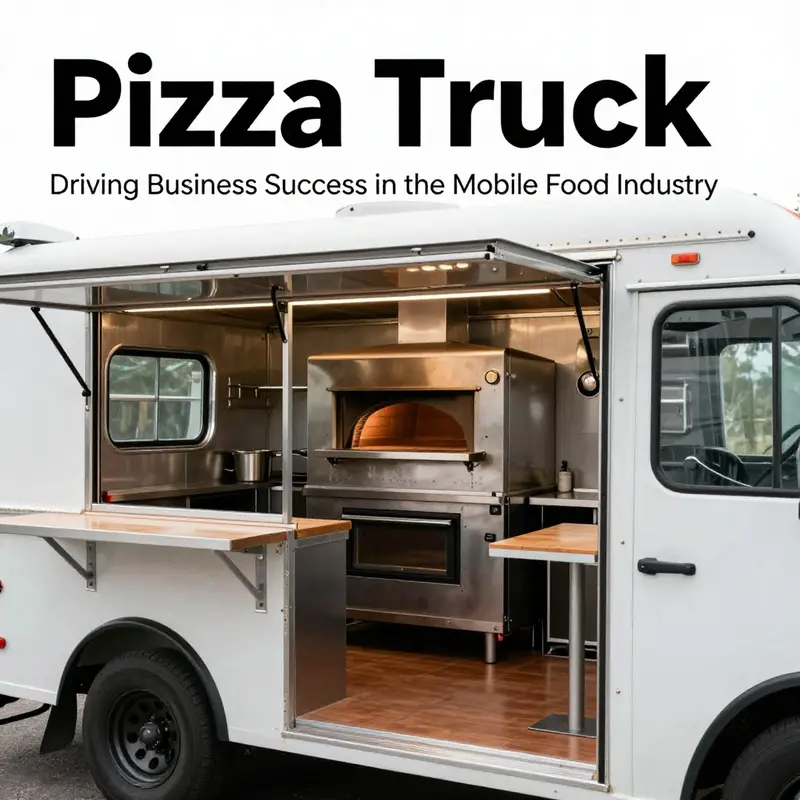
The mobile pizza truck represents a convergence of craft, commerce, and spectacle. It is more than a vehicle with a stove; it is a small, rolling kitchen that translates culinary technique into a branded, on-the-ground experience. When a pizza truck pulls into a festival, a campus quad, or a corporate campus, it creates a temporary restaurant with a personality. The oven’s glow, the scent of bubbling dough, and the rhythm of a trained cook at a compact bench all work in concert to make a moment feel special. This isn’t merely about feeding a line of customers; it is about delivering an on-the-go culinary story that can be scaled, tweaked, and refined with the push of a button on a mobile app, or the tweak of a recipe on a chalkboard storefront. The chain of decisions behind that moment—how the kitchen is laid out, what oven type is chosen, and how energy is managed—defines the business as surely as the dough recipe itself. In that sense, the pizza truck is a laboratory on wheels, testing ideas about flavor, service speed, and brand messaging in real time across a shifting landscape of events, neighborhoods, and tastes.
Growth in this sector is far from random. It emerges from a trio of catalysts that keep pushing more operators into the field. First, consumers increasingly crave gourmet and niche cuisines, but they want them with convenience. A wood-fired Neapolitan-inspired pie might be a pinnacle, but the same truck can also deliver inventive toppings or regional specialties that speak to a local palate. The mobility of the format makes it possible to stage a culinary experiment in a few hours and move on if it doesn’t land. Second, mobile operations offer a level of flexibility that traditional restaurants cannot match. Footprint is smaller, capital needs are lower, and the ability to pivot toward a high-margin event is built into the core business model. Finally, experiential dining—where guests are seeking a memorable moment as much as a meal—has become a dominant driver. A pizza truck can curate a sense of place, host pop-up collaborations, or partner with local artists and farmers to tell a broader story about a neighborhood or a brand. In combination, these factors turn pizza trucks from novelty concessions into serious, adaptable businesses that can scale with urban growth and shifting consumer preferences.
Behind that narrative lies a wave of equipment and technology choices that redefine what a low-cost startup can look like when scaled to real revenue. The most visible trend is toward greater equipment sophistication in compact footprints. Modern mobile kitchens now emphasize efficient, reliable heat distribution and the ability to deliver restaurant-quality crusts without taking up the space of a full brick-and-mortar kitchen. Convection and deck ovens, carefully sized for mobile rigs, are common because they provide consistent performance across a range of dough formulations. They are often paired with compact refrigeration that is designed to run on reduced power while preserving food safety, a critical consideration given the variability of outdoor settings. The ovens themselves can be fueled by propane, electricity, or hybrid configurations, and many operators seek ovens that minimize preheating time and maintain stable temperatures even when ambient conditions fluctuate. This focus on heat management matters not only for crust texture and bake speed but also for energy costs, which can be a decisive factor for a truck operating on a tight daily budget.
Energy efficiency, in turn, drives several parallel choices. Propane remains a staple for true independence from electrical grids, but solar-assisted cooling and energy recovery options are growing in popularity as operators seek to cut costs, comply with sustainability goals, and reduce downtime caused by power interruptions. Some newer models experiment with limited fuel flexibility, allowing kitchens to switch between energy sources when supply lines are strained or price spikes occur. In practice, this translates to a kitchen that can perform with constant reliability through varied weather, traffic, and event schedules. The result is a more predictable cost structure and a more reliable customer experience. Alongside ovens, modular kitchen elements—ergonomically arranged service windows, pull-out prep surfaces, and compact dishwashing stations—contribute to a workflow that keeps cooks efficient under pressure and prevents service bottlenecks, even when a line forms along a curb.
Durability is another core concern. The aluminum bodies favored in many modern builds offer corrosion resistance and a lighter frame than traditional steel. That lightness translates into easier maneuverability in crowded urban spaces and less wear on tires and suspension systems during frequent relocations. Modular panels, sealed connections, and reinforced venting systems reduce maintenance demands and extend the life of expensive equipment. For operators, that translates into lower long-run operating costs and fewer unplanned capital expenditures. The equipment story, however, is inseparable from the regulatory environment. Mobile food operators must navigate a patchwork of safety and environmental standards, and many modern trucks are designed to meet or exceed international certifications. The combination of robust construction and compliance-ready layouts reduces risk and speeds up regulatory approvals, which is especially valuable for fleets that rotate through multiple event venues and jurisdictions.
If the equipment story is the backbone, the business model is the heartbeat that turns tools into profit. A typical pizza truck blends high-minality cooking with lean labor and a strong, location-based marketing strategy. The first capital decision—what oven to buy, and how to power it—shapes every other cost category, from fuel to maintenance to insurance. Labor costs are managed by a compact team that can perform dough preparation, topping assembly, and oven management with trained, cross-functional staff. The service model is designed to maximize throughput; a disciplined, timed workflow keeps pies moving and customers satisfied without long waits. In practice, this means prepped mise en place, a staging area for hot and cold toppings, and a line that accelerates as soon as orders start to come in. The result is not simply speed; it is the ability to sustain a steady rhythm under variable demand. A well-designed truck becomes a moving classroom where the operator learns how far the crust can be stretched, how toppings influence bake times, and how different crowd dynamics affect peak loads. It is this experiential loop—recipe refinement meeting field data—that makes the pizza truck a compelling investment.
The learning loop is reinforced by digital integration that extends beyond a phone app or a social feed. Digital ordering and real-time location tracking allow operators to forecast demand, route explicitly to events with the greatest potential, and optimize prep schedules for the next stop. Social media marketing amplifies reach, turning a simple pie into a shared experience. People do not just buy food; they buy a moment that they can post about, a memory they want to capture and relive. The truck, therefore, becomes a mobile brand ambassador: a visual identity on wheels, a voice in a crowd, and a portable storefront that can be customized with seasonal graphics, regional flavors, or curated collaborations with local producers. Branding in this context is not an afterthought. It is an integral part of the equipment and the layout, influencing colors, signage, and even the ergonomic logic of the prep line. When a truck presents a strong, coherent identity, it invites customers to linger, to share, and to return.
From an investment perspective, these operational realities translate into a compelling risk-adjusted proposition. Startups in this space typically face lower upfront costs than brick-and-mortar restaurants, while enjoying the advantage of mobility that opens a broad and diversified customer base. A single truck can serve farmers’ markets in one season, then pivot to music festivals, campus catering, or private events the next. The ability to adapt to different venues reduces the risks associated with any single location. The rise of integrated ordering platforms and precise location analytics further enhances profitability by aligning supply with demand in near real time. In capital terms, the barriers to entry are lower, but the upside is tied to thoughtful equipment choices, disciplined operating procedures, and a brand strategy that resonates with a wide audience. Savvy operators view the truck as a scalable asset: one vehicle can spawn multiple revenue streams—retail sales, catering, custom pies for events, and even collaborations with other local food artisans—while maintaining a lean cost base that supports healthy margins.
This landscape also invites a closer look at the experiential layer that differentiates the best operators. The truly successful pizza trucks do more than deliver a slice; they curate moments that complement the food. The brand may lean into artisanal methods, with wood-fired crusts and chef-driven toppings, or it may emphasize playful customization, offering a rotating menu that highlights seasonal produce or regional specialties. Either approach leverages the mobility advantage to create a sense of urgency and exclusivity. A limited-time offering or a pop-up event can become a draw that drives foot traffic and increases average order value. The truck’s menu can be kept lean and focused for efficiency, or it can expand into a broader array of products—calzones, calabrese bites, or dessert pizzas—provided the kitchen design and staff training support the expanded scope. In other words, equipment choices and branding decisions are deeply intertwined; each reinforces the other to shape the overall customer experience and the unit’s long-run profitability. This is why investors often scrutinize both the kitchen layout and the brand development plan in tandem before committing capital, recognizing that the most successful models blend culinary craft with operational discipline and a clear, repeatable customer journey.
For readers curious about the day-to-day reality of a mobile kitchen, the Pizza Truck Experience offers a grounded narrative. It is a reminder that the appetite for mobility does not simply reflect appetite for pizza; it reflects appetite for a flexible, social, and shareable dining moment. This connection between equipment, operations, and customer experience helps explain why the sector has remained a bright spot in foodservice expansion, even as it travels through economic cycles and shifting consumer preferences. The growth potential exists not only in more trucks on the road but in smarter trucks on the road—the ones that pair thoughtful design with precise execution and a compelling, adaptable brand story. As markets evolve from 2026 toward 2033, innovation in equipment and logistics will be the fulcrum around which the most successful ventures pivot. Operators who invest early in high-efficiency, scalable kitchen systems, and who pair those systems with data-driven marketing and flexible service models, will likely capture a larger share of the rising demand for mobile, high-quality pizza experiences.
If one thread links the equipment trends and the investment logic, it is this: the pizza truck is a platform, not a product. It enables experimentation with flavor, service, and audience, while offering a testbed for logistics, branding, and sustainability practices. The more operators treat the truck as a living system—one that can be upgraded, reconfigured, and reimagined—the greater the payoff in both customer affinity and financial performance. That systemic view invites a long horizon for investors, recognizing that the unit economics improve as scale, data integration, and menu development reinforce each other. The industry, then, is not merely about pie on wheels; it is about a versatile, resilient model that foregrounds craft, efficiency, and experience as entwined value propositions. As researchers and practitioners map out the path from startup to scalable enterprise, the recurring question becomes how to balance the romance of sizzling crusts with the pragmatism of modern procurement, compliance, and cash flow.
For readers who want to see practical implications in action, consider that the equipment suite is not just a purchase decision but a strategic choice that frames every future operation. A well-configured truck can host a rotating team of specialists, enabling the owner to diversify offerings across seasons and venues. It can also support partnerships with local producers, breweries, or farmers markets, weaving the business into the fabric of a community and expanding the reach beyond a single event. The operational discipline required to sustain such a model—consistent bake quality, clean lines, timely service, and reliable maintenance—becomes a competitive differentiator. In an industry that often relies on repeat customers and word-of-mouth, these factors compound to create a durable competitive advantage that scales with the fleet.
The chapter closes with a recognition that the pizza truck economy, while diverse in form, is united by a shared logic: mobility unlocks opportunity, but only when equipment, process, and brand are aligned. Investors who see the truck not merely as a vehicle but as a living, data-informed system—one that adapts to venues, seasons, and tastes—will be best positioned to thrive as the market expands over the coming years. And operators who treat their trucks as platforms for culinary experimentation and customer engagement will find that the road offers not only revenue but a continuing invitation to reinvent the pizza experience in motion. For those who want to dive deeper into the operational realities of the field, a closer look at the everyday dynamics of a mobile kitchen, along with case studies and practical guidelines, can be found under the broader canvas of the Pizza Truck Experience. The road ahead is long and full of flavor, and the equipment choices made today will shape the horizon of pizza entrepreneurship for years to come.
External resource: https://www.researchandmarkets.com/reports/6917457/food-trucks-market-size-innovation-investment-2026-2033
Pizza Truck Chronicles: How Rolling Kitchens Reframe Culture, Flavor, and the Everyday Customer
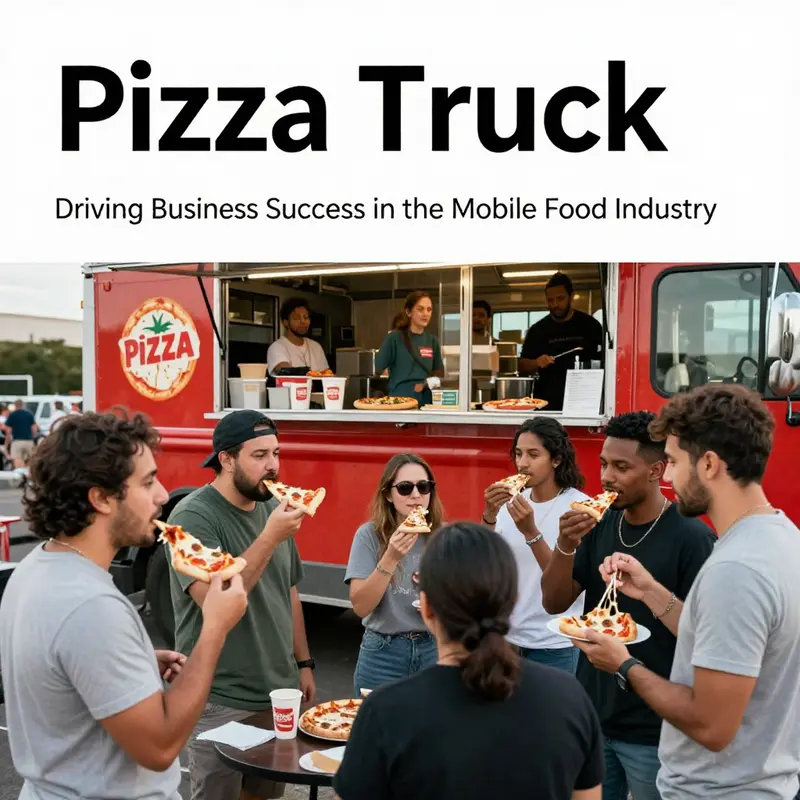
A pizza truck is more than a vehicle on wheels; it is a mobile stage where urban life rehearses its most hopeful rituals. In cities that pulse with noise, traffic, and constant change, the sight of a compact kitchen humming along a curb signals something intimate and timeless: the chance to taste something freshly made, in a moment of need or joy, without choosing between convenience and quality. The phenomenon of the pizza truck has grown from a practical solution for a busy town or campus into a cultural fixture that reflects broader shifts in how people live, eat, and connect. The rolling kitchen embodies a particular kind of democratized gastronomy. It lowers the barrier to access high-quality, artisanal food by bringing it directly to the places where people already spend their days. Morning commuters can grab a warm slice on a hurried walk to the train; office workers can slip out for a quick lunch on a sunny plaza; families can sample a late-afternoon snack at a park while children chase balloons and laughter. In each case, the truck creates a micro-event—a brief interruption in routine that redeems the moment with flavor and craft.
What makes pizza trucks compelling is not just the pizza itself but the whole experience surrounding it. The crust crackles at the edge, the sauce is bright with herbs, the toppings are arranged with a craftsman’s care, and the oven’s heat releases aromas that travel across a crowded street. This sensory immediacy matters. It invites curiosity and conversation. People gather, watch the dough stretch and spin, and then decide what to order based on appetite, mood, or a fleeting craving for something comforting. In this sense, pizza trucks function as kinetic culinary theaters. They stage the drama of making food in real time, transforming the act of cooking into a public performance. The result is an accessible luxury that strengthens social bonds, at least for the duration of a single meal.
Beyond taste, the truck represents a philosophy of sourcing and process. The best operators treat ingredients as a narrative rather than a mere list of components. They highlight local farms or markets, seasonal produce, and responsible procurement practices. The open-air storytelling around ingredients—fresh mozzarella that stretches with a soft pull, tomatoes bright with summer sun, basil leaves crushed over the cheese—resonates with a growing consumer appetite for transparency. People want to know where their food comes from and how it was prepared. They want to see that a kitchen on wheels respects the same standards they expect from a brick-and-mortar restaurant, while delivering that sense of spontaneity and community that only a street setting can provide. The combination of craft and mobility creates a unique cultural symbol: a reminder that high-quality food can be made available without the formality of a sit-down restaurant, while still honoring traditional techniques.
The cultural impact of pizza trucks also reveals the evolving nature of urban space. As cities grapple with congestion, congestion, and the demand for flexible, temporary dining concepts, rolling kitchens offer a nimble solution. They can appear at farmers’ markets at dawn, roll into office parks during the midday lull, or set up in public parks during cultural festivals. The trucks’ itineraries become part of the city’s rhythm; their presence signals not just a place to eat, but a moment of shared experience. This mobility aligns with broader trends in micro-urbanism, where the urban fabric accommodates pop-ups, temporary installations, and community-driven food ventures. Pizza trucks adapt to these trends by changing locations with the same ease a street musician might move between venues, making them reliable, low-commitment entry points for participants to explore new flavors and new social spaces.
Another layer of cultural resonance comes from the way pizza trucks integrate digital tools into traditional cooking. The same culture that makes a great slice in a temporary kitchen is increasingly shaped by apps, social feeds, and real-time updates. People want to know where to find the next truck, what it’s serving today, and whether a new crust or topping is available. The on-ramp to this digital ecosystem is surprisingly simple: a location pin, a brief menu, and a door-opening invitation to line up and participate in the moment. Yet the impact goes deeper. The immediacy of online sharing—the quick photos, the stories about a dough-toss mishap, the live commentaries about spice heat—transforms a single purchase into a social experience. In that sense, pizza trucks become mobile brands in their own right, not only serving food but curating moments that people want to share with friends and followers.
This blending of in-person and online experiences extends into how pizza trucks are shaping consumer expectations about customization and personalization. A growing number of operators recognize that diners arrive with individual tastes, dietary considerations, and time constraints. The most successful trucks respond by offering a lean, flexible menu that accommodates both classic choices and creative twists. People can choose the dough type, the sauce intensity, and the toppings, while the pace of service is tuned to the specific setting—quick bites during a commute, leisurely meals at a festival, or indulgent, slow-crafted plates at a weekend market. Such customization is not merely a menu feature; it reflects a broader social shift toward agency in dining. Consumers want control over their food, and the truck, with its portable kitchen and compact footprint, becomes a perfect platform for that empowerment. The same impulse has extended into beverage pairings, side dishes, and even dessert options, turning the pizza truck into a mini culinary studio rather than a single-purpose vendor.
As with any trend, sustainability sits at the heart of how pizza trucks are perceived and adopted. The conversation around waste reduction, packaging choices, and energy efficiency moves beyond corporate rhetoric to everyday practice at the curb. Operators experiment with reusable or recyclable packaging, compostable utensils, and energy-saving refrigeration systems that minimize emissions and power draw. Some trucks emphasize seasonal menus that rely on left-right rotations of ingredients, reducing waste while underscoring the importance of freshness. Others use heat-retention strategies and efficient firing techniques to maximize output without sacrificing flavor. The result is a model of mobility that respects urban environments and local communities—an approach that resonates with a generation of diners who measure a dining experience not just by taste but by its footprint. This alignment of flavor, ethics, and convenience helps explain why pizza trucks appeal to younger, health-conscious, and tech-savvy consumers. They want to feel good about their choices while enjoying the sensory pleasures of a hot, hand-crafted slice on a bustling street.
The parallel growth of mobile dining and digital culture is perhaps most visible when one considers the educational and entertainment dimensions the concept has touched. In virtual spaces, the idea of a pizza truck has evolved into a multi-platform narrative—from web-based driving adventures to child-friendly learning apps and more sophisticated simulation environments where players run an edible empire on wheels. These digital representations echo real-world dynamics: logistics, customer service, recipe development, and brand storytelling all rolled into a portable, game-like format. They do more than entertain; they teach aspirational lessons about entrepreneurship, resilience, and the value of delivering consistent quality under pressure. The virtual pizza truck thus acts as a cultural mirror, allowing people to experiment with entrepreneurship, understand the complexities of supply and demand, and savor the thrill of turning a simple dream—one truck, one oven, one neighborhood—into a thriving, moving business. In this sense, the boundary between play and work blurs, and people are invited to imagine what it would feel like to lead a small, purposeful enterprise that marries craft with community.
To speak to the lived reality surrounding pizza trucks, it helps to consider not only the craft of the dough but the logistical ballet that keeps a rolling kitchen functional. The design of the truck, the choice of ovens, the layout of the kitchen, and the service flow all matter for both quality and efficiency. Wood-fired or electric ovens provide different heat profiles, baking times, and flavor characteristics that influence the final product and the worker’s rhythm. A well-planned modular kitchen supports quick turnover during peak hours while preserving the opportunity for artistry during slower moments. The dual-axle design and ergonomic service windows referenced in procurement catalogs appear in the street as ease of movement and a friendly customer interface. Safety and compliance cannot be neglected, either, as these operations must meet local health codes, vehicle standards, and environmental guidelines. The realities behind the romance of the rolling kitchen remind us that this is not mere spectacle; it is a carefully balanced blend of science, craft, and service.
The cultural and consumer currents described here do not exist in isolation. They weave together with the broader economy of food and entertainment, where small, mobile operations can seed larger opportunities. A pizza truck can act as a cultivation ground for local producers, a proving ground for new recipes, and a catalyst for collaborative events that bring together chefs, artists, and students. This ecosystem thrives on trust—the trust that a truck will deliver hot, honest food in a friendly, reliable way. It also thrives on curiosity: the willingness of a city to follow a rotating roster of trucks through its neighborhoods, to learn the week’s specials, or to return on a festival day to discover what new flavors the kitchen on wheels has conjured. In a world where dining options proliferate, the pizza truck remains compelling precisely because it embodies a blend of speed, skill, and soul that is hard to replicate in a stationary space.
For readers who want a closer look at how these rolling kitchens shape experiences and the communities they serve, there is a discussion that captures many of these themes in a practical frame. It explores how mobile dining experiences can be designed to maximize interaction, minimize waste, and provide a reliable, inviting customer journey. See pizza-truck-experience for a case-study-oriented perspective on how a single truck can anchor a neighborhood’s daily rhythm while scaling to larger events. This link provides a narrative anchor for the idea that pizza trucks are more than food vendors; they are portable cultural venues that reflect local identities and evolving consumer expectations.
The broader media landscape has also helped normalize the concept. In parallel with real-world rolling kitchens, the cultural imagination has absorbed the idea of a pizza truck through games and storytelling that place entrepreneurship at the center of the experience. These representations, while playful, offer meaningful insights into how people perceive mobility, craftsmanship, and the social value of sharing food in public spaces. They remind us that the appeal of the pizza truck lies not only in what it serves but in how it serves—a slice of culture that travels, invites, and inclusive enough to become part of a city’s shared story. In this sense, the pizza truck is a microcosm of contemporary urban life, embodying speed and tradition, convenience and artistry, transience and memory—all in a single, delicious vessel on wheels.
The future for pizza trucks is not about replacing brick-and-mortar restaurants but about expanding the spectrum of what dining can mean in a modern city. They push operators to rethink space, technology, and menu design in ways that benefit both customers and communities. They encourage urban planners to consider how temporary, mobile food venues can contribute to vitality without exacerbating congestion or waste. They invite chefs to experiment with new flavors, techniques, and partnerships, turning a simple pie into an evolving canvas that reflects local seasons and cultural motifs. Most importantly, they remind diners that flavor is a social affair—that the act of sharing a hot slice in the open air can be both deeply satisfying and deeply regenerative for the places that host these rolling kitchens. The pizza truck, in its humble mobility, becomes a powerful symbol of culinary accessibility, local pride, and the enduring human appetite for connection across street corners and neighborhoods.
External resource: https://www.bbc.com/news/business/68573925
Final thoughts
The journey through the ‘Pizza Truck’ concept reveals its multifaceted value, ranging from the playful allure of video games to the practicalities of mobile food service. For business owners, this exploration underscores the importance of embracing innovation, engaging with the community, and staying attuned to consumer trends. By understanding how these elements interconnect, entrepreneurs can tap into unique opportunities within the mobile food market, leveraging the popularity and cultural significance of pizza. Such insights can empower owners to create an appealing and successful pizza truck venture that resonates with their target audience and fosters lasting connections.
