

Operating a pizza food truck comes with its unique challenges, one of the most critical being fire safety. With the sizzling heat of ovens and the use of gas equipment, the risk of fire incidents is ever-present. This article explores crucial safety protocols and maintenance requirements that can help prevent fires inside your pizza food truck. Furthermore, it will outline effective emergency response strategies for handling potential fire incidents, emphasizing the importance of preparedness. Lastly, we’ll discuss how fire hazards can impact your operations and insurance costs, as understanding these nuances can protect your business and livelihood effectively. By the end of this article, you’ll be equipped with knowledge and strategies to keep your food truck safe and successful.
When the Flame Bursts Inside: Mastering Fire Safety for Mobile Pizza Kitchens
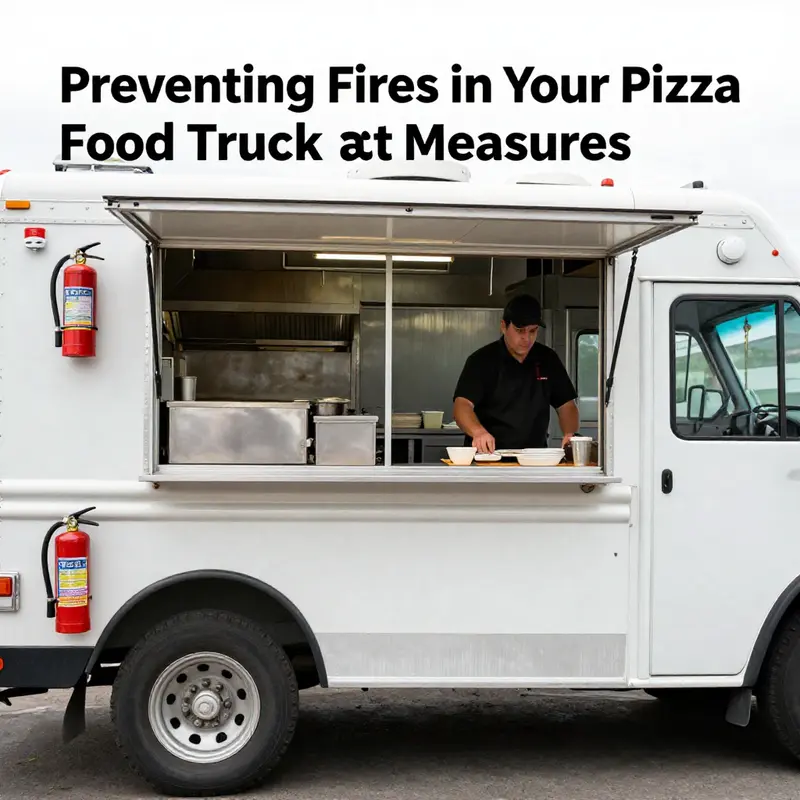
The scene on a mobile pizza kitchen is a test of safety as much as taste. In a cramped truck, grease-laden vapors and high heat meet the road’s bumps and twists, making ignition a practical concern, not a theoretical one. Regular cleaning of grills, ovens, drip pans, and exhaust hoods is nonnegotiable because grease is fuel for a fire. The gas system, whether propane cylinders or small portable canisters, adds another layer of complexity and risk that must be managed through proper storage, leak testing, and secure fittings. A simple rule guides everything: never walk away from a live flame while cooking. Even a brief break can allow a hot surface to overheat, ignite, or spread through unseen pathways in vents.
Prevention starts with a thoughtful layout and reliable equipment. Ventilation must be sized to handle grease-laden vapors and heat at peak service, and ductwork should be kept clean to prevent ignition sources from feeding a fire. Fire-resistant interior materials slow spread and create time for safe evacuation. Extinguishers should be appropriate to the fuels used: Class K for cooking oils, mounted near the cooking zone and a second unit elsewhere for redundancy. Regular inspections of extinguishers—pins intact, gauges in green, and pressure cartridges within service life—are small checks with big impact.
Electrical safety: use outdoor-rated cords, avoid running cords through doors or under floor coverings, and schedule periodic professional inspections of wiring and connections. Do not overload outlets; distribute loads and keep cords away from heat and moisture. Gas safety: secure connections, inspect hoses for wear, and test for leaks each day. If a leak is suspected, shut off gas at the source, evacuate, and call professionals. Storage: flammable liquids and gas cylinders belong outside the main cooking zone, in ventilated, dedicated containers away from heat and ignition sources.
Emergency preparedness: establish clear exits, keep pathways unobstructed, and practice drills with the crew so everyone knows how to respond. Have a reliable means to contact emergency services and a plan for gathering and reporting hazards. Align practices with national and local standards, such as NFPA guidance for mobile food service units, which covers prevention, ventilation, extinguishers, and electrical/gas system maintenance. Compliance is not paperwork; it is a practical framework that protects people, property, and the business’s ability to serve.
Operational culture: safety is a daily habit, not a once-a-year checklist. A safe operation reduces insurance costs, minimizes downtime after incidents, and builds trust with customers who value care as part of the experience. Operators should weave safety into every shift, recipe, and route, reinforcing routines that can be performed during busy service.
For readers seeking actionable steps, NFPA resources and state or local codes provide practical guidance. External standards help translate safety principles into concrete actions that keep the kitchen running, the crew safe, and the customers satisfied. https://www.nfpa.org/
Keeping the Flame Safe: Maintenance-Driven Fire Hazard Prevention in Wood-Fired Pizza Trucks
The work of a wood-fired pizza truck sits at a sharp edge between craft and risk. The sizzling of dough, the crackle of embers, and the scent of smoke arriving on a summer breeze all belong to the magic fans expect from a mobile kitchen. Yet that magic carries a stubborn reality: fire hazards are not a background hum but a present danger that can erupt in minutes if care is neglected. In a setting where heat travels through ductwork, propane hoses bend with the vehicle’s motion, and a grease-lined oven stares at an open flame, prevention must be a habit as precise as kneading dough. The guiding principle, echoed across safety advisories, is simple and stern: when a crew member steps away, the fire must be extinguished and the gas shut off. The idea, often summarized as a practical rule of thumb, is to never rely on luck; a moment of distraction can become a catastrophe. This chapter pulls together the maintenance routines that make such a rule feasible in the real world, especially for trucks that rely on wood-fired ovens, where the heat of craft and the risk of ignition converge most intensely.
To begin with, the daily rhythm of a pizza truck must include an honest, consistent ritual of cleaning and inspection. The oven, the exhaust hood, and the surrounding surfaces accumulate grease and soot as a matter of course. Grease is one of the most persistent accelerants of fire, capable of flashing on contact with a hot ember or a hot pan lip. Cleaning these surfaces thoroughly each day is not merely about sanitation; it is a crucial fire control measure. The hood should be wiped down, the chimney or ductwork checked for any visible buildup, and the oven interior brushed to remove char that might orbit into the air when the door opens. A clean system reduces fuel loads in the event of a flare, giving responders a clearer path to control and extinguish a blaze if one starts. The habit of meticulous cleaning transcends necessity; it becomes a culture that other parts of the operation can rely on. When a team member approaches a tray and sees a greasy surface, the unspoken signal is that safety comes first, and work proceeds only after a proper cleaning cycle.
Beyond daily cleaning, a mobile kitchen must embrace a robust fire suppression system. A system designed specifically for the mobile kitchen environment is critical because it is built to withstand movement, jostling, and the peculiarities of a compact, ventilated space. The installation should be performed by professionals who understand the unique constraints of a moving business and the chemistry of grease fires as they relate to wood-fired cooking. Once in place, the system demands regular attention. Annual service by a qualified technician is not optional; it is a procedural necessity. The symmetrical maintenance pattern—an annual professional check paired with monthly internal checks—provides a safety net that is as important as any recipe. A monthly test may be as simple as ensuring the activation panel remains accessible and that the agent can discharge properly through the suppression nozzles. But the effect is real: a system that sits idle for months may still degrade, seals may fail, and a small leak might go undetected until it becomes a life-threatening issue. The rhythm of testing, cleaning, and verifying readiness becomes a quiet emblem of responsibility that travels with the truck.
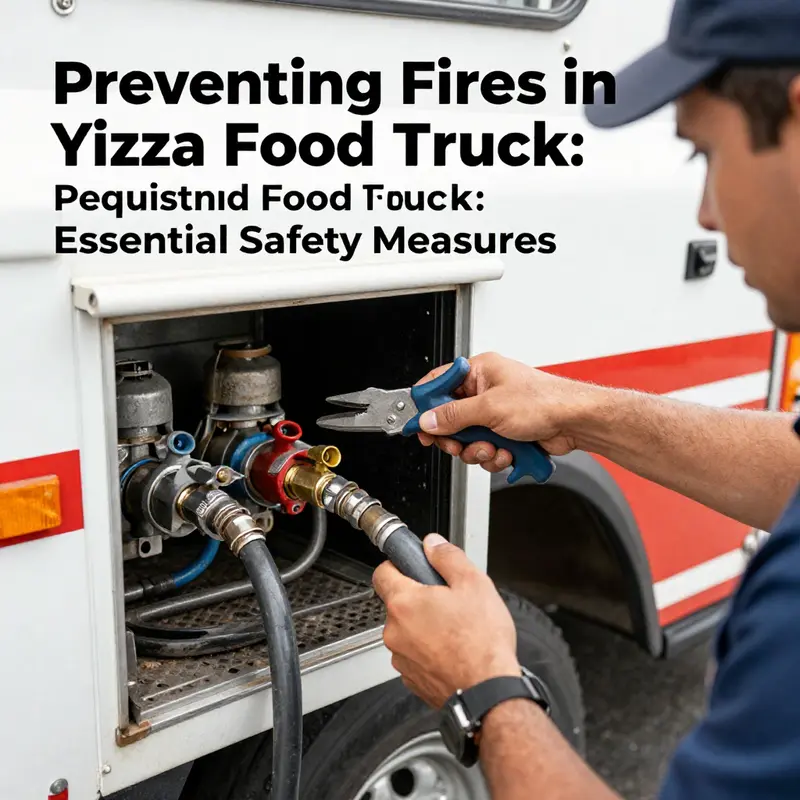
For gas systems, vigilance is even more critical. Propane and other fuels symbolize mobility but also vulnerability. In a moving kitchen, hoses bend, connectors flex, and vibration plus heat stress can cause wear that is not immediately visible. Regular inspections for leaks and for loose or corroded connections are nonnegotiable. A small gas leak, if ignored, can accumulate over minutes and ignite with a stray spark or a hot surface. The maintenance mindset therefore leans into a practice of touch-and-check: visual inspections for cracked hoses, tactile checks for softened or brittle sections, and a sniff test for any telltale fuel odor that might suggest leakage. Any sign of wear must trigger immediate replacement of the hose or the connector, and, in the case of an uncertain seal, a prompt professional assessment should follow. This is not merely a preventive measure; it is a life-safety commitment that recognizes how fatalities in this setting often arise from small, overlooked faults that compound under the weight of a busy service.
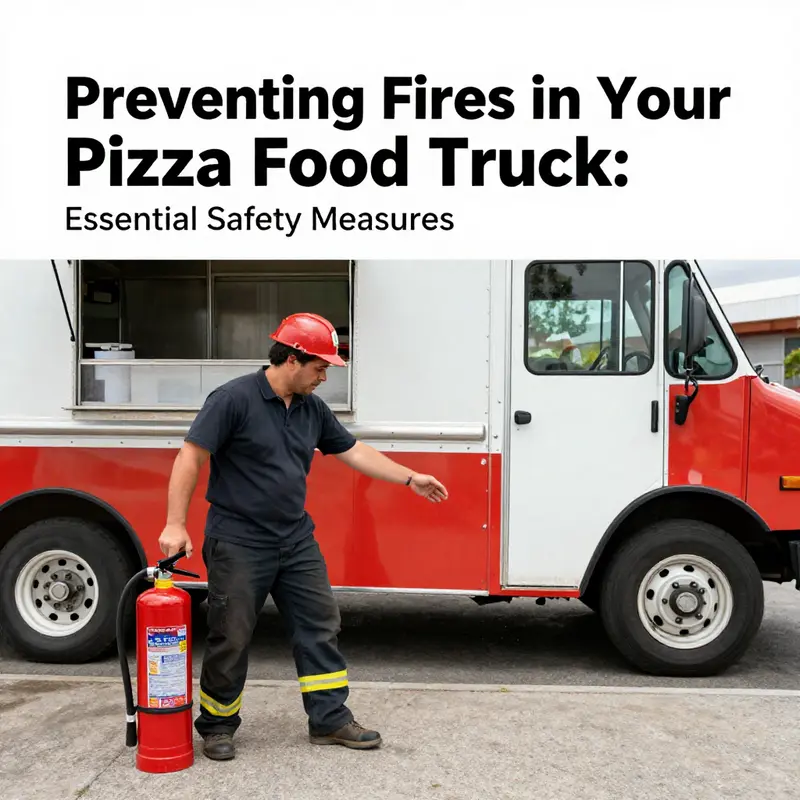
The human element of this safety story is equally important. Staff training is not a one-off event but a continuous thread that weaves through every shift. Workers must know how to use hand-held extinguishers, fire blankets, and protective gloves in a calm, practiced way. They should understand where these tools are located, whether their date codes are current, and how to inspect them for damage. A well-trained crew will be able to respond to a flame with appropriate speed, choosing the correct extinguishing agent for the type of fire encountered. It is not enough to own equipment; it must be understood and trusted by the team. The best way to build that trust is through brief, practical drills that simulate real scenarios without endangering anyone. Over time, this training becomes a quiet, daily confidence that translates into safer work and, crucially, safer customers.
To connect these ideas to the big picture of a fire inside a pizza truck, consider the center of gravity of risk: heat sources are permanent fixtures, while moments of distraction are episodic. The operational heart of a mobile pizzeria sits in its oven, its hood, and its gas lines. The more attention the crew pays to those systems, the less the chance that a spark becomes a flame that cannot be contained. The maintenance routine is not an abstract compliance exercise; it is a practical, repeatable process that keeps the kitchen sane during a rush. In this sense, maintenance becomes a form of craft discipline, one that respects the artistry of pizza making while honoring the safety of staff and guests alike. Even the best dough recipe can fail if a flame flares and consumes oxygen, pulling energy away from people and products. A disciplined maintenance culture ensures that, even on the busiest nights, the flame remains a friend of the cook rather than a foe.
Wood-fired ovens present their own distinctive challenges that heighten the need for careful maintenance. The beauty of wood-fired cooking lies in the consistent ember bed and the smoky complexity that wood imparts. But embers can escape, flame paths can shift, and smoke can overwhelm ventilation if the system is not clean and well maintained. An accumulation of soot in ducts can become a fuel source under certain conditions, and the risk rises when wind shifts or when exhaust fans fail to operate at peak efficiency. Therefore, the daily and periodic maintenance must account for the peculiarities of this heat source. The exhaust hood is more than a catch basin for grease; it is a frontline defense against radiant heat and smoke that might otherwise accumulate in the kitchen and feed a potential flame. Regular checks for airflow, hood integrity, and proper seal around the oven penetrate the routine with a sense of purpose: every day of service strengthens the barrier that keeps embers in check and keeps the crew moving forward with confidence.
The conversation about maintenance would be incomplete without acknowledging the practical realities of running mobile operations. A pizza truck travels through environments that range from crowded urban streets to quiet rural fairs. Each setting introduces its own set of hazards: crowded spaces that complicate evacuation, uneven ground that affects gas lines, and varying levels of accessibility to fire suppression equipment. The operator must embrace a planning mindset that anticipates these differences. Part of that planning is keeping clear space around the oven and the gas connections, ensuring that there is a safe perimeter that reduces the chance of accidental contact with hot surfaces or flammable materials. It also means maintaining a log of inspections and replacements, so a shift crew can see at a glance what has been done and what requires attention. Documentation is not a bureaucratic burden; it is the memory of the truck’s safety history, a record that potential hazards can be traced and addressed with accountability. When a new team member joins, this log becomes a bridge between experience and training, helping new hands to gain fluency in safety practices quickly and effectively.
In seeking to prevent the scenario of a fire erupting inside a pizza truck, the maintenance approach must be layered and robust. It must balance the artistry of wood-fired pizza with the pragmatic needs of a mobile kitchen. The idea is not to promise perfection but to relentlessly reduce risk through reliable systems and practiced responses. A truck operator may also benefit from keeping a focused eye on the economics and logistics of maintenance. Replacing hoses and having a suppression system serviced annually has a cost, but it is a small price compared with the cost of a fire, not only in dollars but in reputation and safety. The best operators understand that a well-maintained kitchen is a better kitchen: faster service because equipment runs smoothly, fewer unexpected disruptions, and a safer workspace that welcomes staff and customers alike.
For operators contemplating the broader framework of fire safety, it can be helpful to situate maintenance within an ongoing safety culture. One practical step is to include a brief pause at the end of every service to review what went well and what could be improved in terms of safety and maintenance. A moment of reflection reinforces the behavior that prevents fires from starting in the first place. It encourages a willingness to address wear before it becomes a hazard, and it fosters an environment where staff feel empowered to speak up when something seems off. In a dynamic mobile setting, this kind of feedback loop is essential. It helps ensure that the rule of keeping the fire unlit when unattended is not merely a guideline but a lived, continuous practice.
As readers think about the next steps for their own operations, they might consider how these maintenance principles translate into tangible decisions. When evaluating the cost of equipment, for instance, it is worth asking how a given fire suppression system handles the realities of wood-fired operation in a small, mobile space. The choice of system, the frequency of inspections, and the rigor of staff training all feed into the same goal: reducing the chance of a fire and ensuring rapid, effective response if one should occur. For a broader perspective on startup logistics and capital planning for pizza trucks, see the related overview linked here: How much does a pizza truck cost.
If a fire does occur, the narrative demands a calm, practiced sequence of actions. The first step is to isolate the energy sources. If safe to do so, shut off the gas supply and remove any flame source from the immediate area. Then, alert others in the vicinity and call emergency services if the fire escalates or existing containment measures struggle to hold. A fire deployment plan should emphasize orderly evacuation of customers and staff, a clear chain of communication, and a designated person responsible for coordinating with responders. In this sense, maintenance and safety are not just about preventing fires; they are about shaping a resilient operation that can respond decisively when danger emerges. And if prevention succeeds, the crew will feel the confident calm of a well-tuned system—the sense that the flame is a partner in cooking, not a threat to people or profit.
To ground these reflections in practical guidance, it is useful to anchor the discussion in external resources that synthesize best practices for fire safety in mobile kitchens. For those who want a comprehensive, professional account of selecting and maintaining the right fire suppression system for a pizza truck, including wood-fired operations, the U.S. Food and Drug Administration offers an authoritative overview that operators can consult. This resource complements local codes and manufacturer instructions and helps frame a safety strategy that can evolve with the business as it grows. External resource: https://www.fda.gov/food/food-facility-operations/food-truck-fire-suppression-systems.
The maintenance requirements described here are not an abstract ideal but a practical program that aligns with the demands of a busy, mobile pizza operation. They acknowledge that fire hazards in a pizza food truck do not disappear; they are managed through disciplined routines, trained personnel, robust equipment, and a culture that makes safety an everyday priority. The payoff is not only a reduced risk of catastrophic fire but a smoother operation, steadier service, and increased trust from customers who know that the people behind the oven take safety as seriously as the flavor they taste. The flame, in this sense, remains a tool of craft and not a threat to the people who bring that craft to life on the street. As the truck continues to roll from one event to the next, maintenance becomes the quiet backbone of every perfect slice.
null
null
Flame on the Move: Managing Fire Risk, Operations, and Insurance for Wood-Fired Pizza Food Trucks
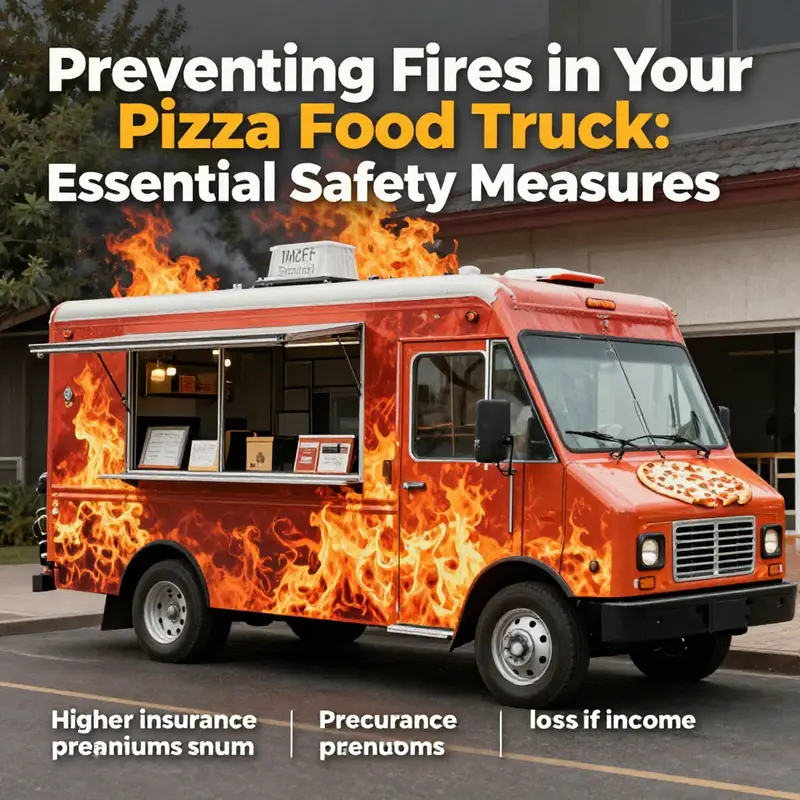
The allure of a wood-fired pizza truck has always rested on the theater of open flame—the crackle of embers, the glow of a brick oven, and the scent that follows a properly baked crust. Yet that same theater can become a perilous stage if fire safety is treated as an afterthought rather than a core operating discipline. In mobile kitchens, fire hazards are not a backdrop; they are an urgent, practical threat that can upend a business in a single careless moment. When a pizza truck is conducting business in crowded streets or at bustling events, the proximity of working flames to grease, oil, flour dust, and packaging materials creates a potent mix that demands vigilance, discipline, and a robust safety culture. The principle that guides many operators is simple and stark: when you are not actively managing the flame, you extinguish it. In Chinese safety signage and practice this is often stated as “人走火灭”—a rule that translates into universal practice: never leave a live oven unattended. In a moving kitchen, where space is tight and distractions abound, this rule becomes a moral and operational compass. The moment a cook steps away or takes a brief break, the fire should be out, the gas supply shut, and the electrical system safeguarded. It is not a precaution that should be negotiated; it is a nonnegotiable standard for every shift, every event, and every routine break. The consequences of ignoring this imperative are not abstract. They materialize as faster-than-expected fire growth, sparking a chain reaction that can engulf a vehicle, its contents, and the people nearby. A fire on a pizza truck is not just a property loss; it is a threat to life, a rupture in trust with customers, and a trigger for regulatory scrutiny that can escalate insurance costs and complicate future approvals for permits and routes. The risk becomes more acute when the equipment relies on open combustion. Wood-fired ovens are celebrated for flavor and performance, but their open flames and glowing embers also invite a higher level of risk. Unlike electric or fully enclosed gas-fired units, wood-fired ovens operate with exposed heat sources, pilot flames, and radiant heat that can extend beyond the oven walls. The open combustion creates a vulnerability to accidental ignition in nearby surfaces, and any grease that collects in the ventilation system or on oven surfaces can ignite if a flare-up occurs. The hazard profile of a wood-fired unit rises further when a truck is in motion, traversing potholes and bumps that can loosen connections, shift pipes, and cause small misalignments to become larger over a few road hours. The very act of cooking in a confined space compresses air, concentrates heat, and elevates the risk that a minor grease buildup becomes a rapid, spreading flame. The consequences of this risk extend beyond the immediate danger. Insurance premiums tend to reflect the higher fire hazard associated with wood-fired operations. Insurers assess a truck’s fire hazard by its cooking method, and open-flame cooking models often attract higher premiums than their electric or gas-powered peers. The premium differential is not merely a number on a policy—it translates into tangible constraints on cash flow, especially for small fleets or single-truck operations. With higher premiums can come stricter policy terms, mandatory safety upgrades, and sometimes exclusions for certain types of coverage if the operator does not meet established fire safety standards. In effect, fire risk shapes not only safety decisions but also the economics of running a mobile pizza business. To that end, many operators invest in a layered fire protection strategy. A primary layer is a precise operating discipline: never leave the oven unattended, ensure that fuel sources are isolated when not actively cooking, and perform pre-shift and post-shift inspections that focus on ignition sources and weak points in the gas line or electrical connections. This discipline also includes logistical controls—staging a safe distance between the oven and combustible materials, maintaining a clean hood and vent system, and scheduling regular cleaning of the grill, oven chamber, and ductwork to prevent grease buildup that could feed a flame. The second layer is equipment and installation: a certified fire suppression system designed for mobile kitchens, appropriate venting, and reliable shutoff mechanisms for both gas and electrical supplies. The presence of a fire suppression system can markedly influence both safety outcomes and insurance terms because it demonstrates proactive risk control. The third layer is maintenance and checks. Regular visual inspections of hoses, regulators, and connectors are essential. The frequent jolts of mobility—bumps, turns, sudden stops—can gradually loosen fittings or wear hoses. LPG cylinders, when used, demand particular attention: cylinders should be stored away from heat sources, secured to prevent tipping, and connected with hoses that show no signs of cracking or wear. A damaged hose or a leaky connector is not a minor problem; it can be the spark that ignites an accumulation of vapor. Operators must implement a routine for leak testing, using approved methods and, crucially, stopping operation immediately if a leak is suspected. The risk is amplified by the fact that many mobile kitchens operate under time pressure. A busy festival or a long street fair can tempt a crew to rush pre-service checks or overlook a deteriorating hose because the moment’s demand seems urgent. Yet in a fire safety context, speed at the expense of thoroughness is a dangerous miscalculation. The safer path is a disciplined rhythm: a consistent, methodical walk-through before each shift, after every route stop, and at the end of a day of service. In practice, that means a checklist that is not merely decorative but actionable, with a clear owner for each item and a record that verifies completion. The owner may be the lead cook, but it is the entire operation that must own the safety outcome. The broader implications of fire risk touch the insurance landscape in meaningful ways. Insurance providers scrutinize the cooking method and the corresponding fire hazard when underwriting policies for mobile food businesses. Wood-fired trucks commonly face higher base premiums, and some policies may impose higher deductibles, stricter conditions, or required endorsements for fire suppression, maintenance logs, and staff training. In a highly visible incident scenario, a single fire event can trigger business disruption that reverberates through revenue projections, especially for trucks that depend on high-volume events and continuous customer turnout. Even a brief shutdown can translate into substantial lost revenue, delayed payments to suppliers, and the need to rebuild customer trust after a negative incident. The prudent operator understands that risk management is not only a safety obligation but also a strategic investment. A comprehensive approach to risk reduction encompasses staff training, routine maintenance, and a robust emergency response plan. Training should emphasize recognizing the earliest signs of trouble—unusual odors, unusual heat patterns, or sluggish aim of flame—so that a cook can act swiftly to shut down fuel supplies and extinguish flames. It should also cover how to respond to a flare-up, how to coordinate with event organizers or managers, and how to communicate with customers and onlookers to maintain calm and prevent panic. A well-crafted emergency plan maps out a chain of command, the exact sequence of actions in the event of a fire, and the communication channels to use, both inside the truck and with external responders. The plan should include pre-arranged stops along a route where a truck can safely pull over to manage an issue without jeopardizing neighboring vendors or the public. Part of this safety architecture is the maintenance schedule, which must be documented and continuously updated. A maintenance log serves multiple purposes: it demonstrates ongoing compliance, provides evidence during insurance audits, and creates a historical record that can reveal recurring issues before they become catastrophic. It is not enough to replace a hose after a leak is detected; the practice should include a proactive replacement cycle based on hours of operation, environmental exposure, and manufacturer recommendations. Grounded in standards such as those published by the national safety authorities, these practices also require regular inspections by local fire marshals or health departments, which often have more stringent expectations for wood-fired operations. Local regulations may demand inspection intervals, the installation of dry chemical or wet chemical fire suppression systems, portable extinguishers, and clear egress routes within the vehicle. The cumulative effect of these requirements is that operators who adopt comprehensive risk management can often secure more favorable terms with insurers, maintain smoother operations, and sustain a more resilient business model. The National Fire Protection Association (NFPA) offers guidelines that are widely recognized as a framework for safety in mobile kitchens and wood-fired operations. While the exact code language requires interpretation by professionals, the overarching themes—prevention, containment, and preparedness—are universal. Fire protection planning for a pizza truck should begin with risk assessment, followed by implementing control measures such as sealed and accessible shutoffs, an appropriate fire suppression system, and a rigorous cleaning schedule for grease and combustible residues. Beyond the physical safeguards, there is the human element: cultivating a culture where every team member understands why these rules exist, what their roles are during an incident, and how to act with composure under pressure. The importance of this cultural dimension cannot be overstated. When a crew views safety not as a checklist but as a shared responsibility that preserves life and livelihoods, the truck becomes a safer workspace, and the business becomes more sustainable in the long run. For operators exploring practical pathways to safer practices, a helpful starting point is the guide on legal steps for launching a food truck. It provides a scaffold for aligning safety practices with regulatory expectations, enabling a smoother trajectory from launch to steady operation. See legal steps for launching a food truck for a pragmatic overview that complements the technical and operational details discussed here. While the internal link offers a gateway to compliance considerations, the external safety conversation continues with established standards. For those who want to deepen their understanding of recognized safety benchmarks, authoritative sources such as the NFPA’s guidelines provide a comprehensive reference. External resource: https://www.nfpa.org/.
Final thoughts
Ensuring fire safety in your pizza food truck is not just a matter of compliance; it’s crucial for your peace of mind and business continuity. By implementing rigorous safety protocols, conducting regular maintenance, and being prepared for emergencies, you can significantly reduce fire risks and protect your investment. Understanding the broader implications of fire hazards on your operations and insurance costs can further solidify a safety-oriented mindset. Prioritizing fire safety is an investment in the longevity and success of your pizza truck business. Remember, a safe kitchen is a profitable kitchen.