
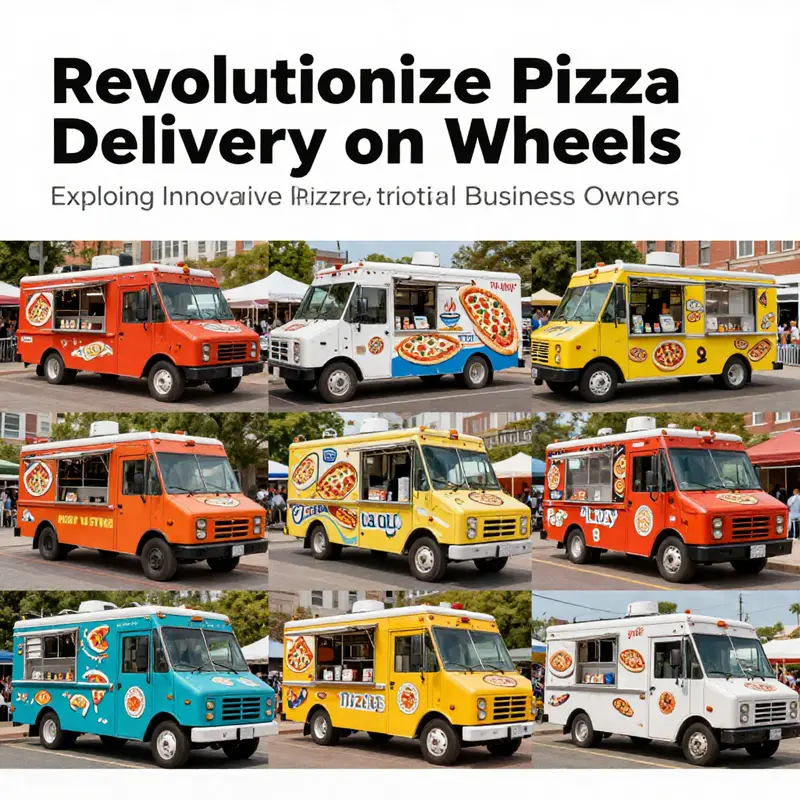
The pizza food truck industry has rapidly gained momentum, providing business owners a unique opportunity to blend culinary artistry with flexibility. As these mobile kitchens roll through city streets and events, their distinct styles cater to varied market demands, from standard setups that prioritize efficiency to gourmet wood-fired experiences. As we delve into the various types of pizza food trucks, each chapter will illuminate the features, business models, and innovations that can help your entrepreneurial journey succeed in this dynamic sector.
On Wheels and In Demand: The Anatomy of a Standard Pizza Food Truck
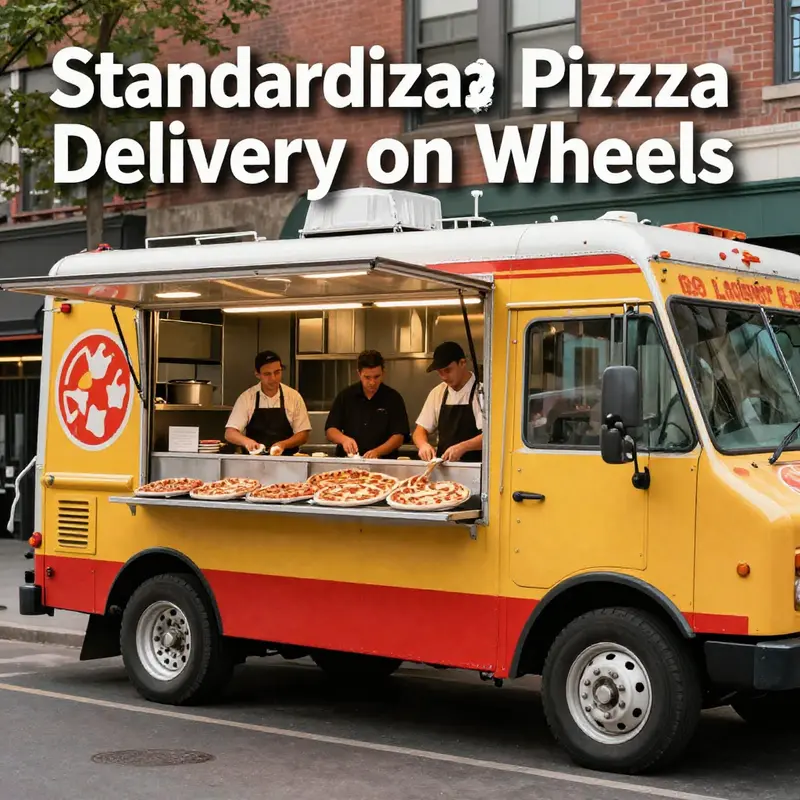
A standard pizza food truck functions as a compact theater of flavor, where dough, heat, and hospitality perform in a small, efficient space crafted for mobility. The goal is simple in theory: deliver consistent, high-quality pies to a moving audience. Yet achieving that consistency relies on a kitchen layout that is both tightly organized and remarkably adaptable. Most standard trucks feature a dedicated oven—electric or gas-powered—paired with a careful prep station for dough handling, toppings, and sauce work. Refrigeration units keep perishables at the ready, while storage nooks hold dry goods, tools, and consumables. The emphasis is on a workflow that minimizes movement and maximizes throughput, because every minute counts when a vehicle is cruising between the lunch rush, a campus quad, or a festival stage. The layout is not a luxury; it is a logistical backbone, designed to balance speed with quality across varied urban environments.
The heart of the truck’s credibility lies in freshness and customization. Unlike models that sell pre-made slices, standard trucks often craft pizzas from scratch, starting with dough that is either prepared in advance or rolled in-house and allowed a controlled rise. Fresh dough provides a texture and flavor that customers can notice in every bite, especially when the crust edges turn blistered and caramelized from high heat. The toppings are deliberately chosen and applied with restraint, ensuring each pie emerges with a balanced profile rather than an overburdened surface. This approach positions the truck as a portable, premium street option rather than a quick-service stand that relies on preassembled products. The result is a brand halo around originality and attention to detail, a perception that the pie in a truck can rival what one might expect from a small, neighborhood shop.
From a business perspective, the model rests on mobility and strategic location. Operators chase high-traffic corridors where footfall is predictable and repeatable: office districts during midday, university campuses with hungry students between classes, nightlife zones where late-night cravings persist, and seasonal markets that draw crowds seeking novel tastes. The flexibility to move between locations is not merely a convenience; it is a core competitive advantage. This mobility allows operators to test different neighborhoods, optimize routes, and avoid exhausting the same lanes day after day. In practice, success often means more than a good pie; it requires a disciplined approach to location planning, timing, and marketing. Many standard trucks cultivate a social media presence and align with online ordering platforms to smooth the path for advance orders and local partnerships. The mobility becomes a draw in itself, turning the truck into a roaming beacon that can meet customers where they are rather than expecting them to come to a fixed storefront.
Yet the path is not without friction. One of the most persistent operational challenges is preheat time. Even with compact designs, ovens can demand 30 to 60 minutes to reach the necessary temperature for a crisp crust and even bake. That window forces careful scheduling, especially on busy days with back-to-back events. It also shapes how the operator spaces out the prep rhythm, manages dough portions, and times topping assembly to keep service moving without sacrificing quality. Maintenance enters the picture as a continuous cost and responsibility. The equipment in these trucks operates under demanding conditions—vibration, heat, constant cleaning, and frequent inspections—and each component requires regular attention to prevent breakdowns that can ripple through an entire day’s schedule.
Regulatory navigation is another constant in the life of a standard pizza truck. Health codes govern kitchen safety just as vehicle codes govern mobile operations, and open-flame or high-heat setups introduce additional scrutiny in many urban areas. Operators must reconcile the culinary ambition of high-temperature baking with the realities of local rules, which may restrict certain configurations or require specialized venting, fire suppression systems, or inspection protocols. The dual burden of complying with both kitchen and vehicle standards is a defining aspect of day-to-day decision making, shaping everything from equipment choices to route planning and hours of operation.
This is also the realm where the value proposition becomes visible. Standard pizza trucks typically carry lower upfront costs than full brick-and-mortar restaurants, creating a compelling entry point for aspiring entrepreneurs. The initial investment covers the vehicle, the essential kitchen equipment, and the essential fittings to maintain a clean, compliant operation. Because the product is highly customizable, the menu can be tuned to local tastes, weather, and seasonal ingredients without the heavy overhead of a stationary shop. The cost framework makes it feasible to start with one truck and scale by adding vehicles or forming partnerships with catering teams for larger events. The ability to be lean and nimble is not a mere footnote; it’s the strategic heart of the standard truck model.
Operational discipline is the invisible engine behind a reliable output. Mise en place—having dough divided, toppings prepped, and utensils organized before service—translates directly into faster production lines within a moving kitchen. A well-coordinated team understands the sequence: dough, sauce, cheese, toppings, bake, cut, serve. Even with a small crew, the rhythm can support a steady cadence that turns out multiple pizzas per minute at peak moments. Inventory management follows a similar logic. Perishable toppings require precise forecasting and refrigeration standards, while dry goods are stored to maximize shelf life and minimize waste. The goal is to maintain consistent quality while keeping the service area uncluttered enough for safe operation and quick movement.
The customer experience in a standard truck hinges on more than the slice itself. It encompasses the energy of the service window, the clarity of the menu, and the perception of care in execution. A friendly, efficient crew, visible dough preparation, and a clean, organized work area can elevate a customer’s sense of value. The marketing aura—the idea that this is a chef-driven, mobile dining experience— amplifies impressions and encourages repeat visits. In practice, many operators lean on simple, bold branding and a direct approach to ordering: line up, choose a pie, pay, and receive a hot, carefully made portion of happiness. The social ecosystems that support these interactions, from local events to neighborhood networks, reinforce the idea that a standard pizza truck is not merely a vehicle but a mobile kitchen with personality.
There is a practical ecosystem around profitability that industry observers and operators monitor closely. The balance between speed, quality, and price determines whether a given location becomes part of a routine rotation or a one-off sensation. A veteran operator might point to the profitability lens in a way that helps new entrants calibrate expectations: capitalize on high- traffic intervals, maintain consistent portion sizes, utilize efficient prep, and nurture customer loyalty through repeatable experiences. For those exploring the economics of mobile pie craft, the conversation often starts with the fundamental trade-off between upfront capital and ongoing operating costs, then extends into how location strategy, marketing discipline, and seasonal demand shape the bottom line.
The story of a standard pizza truck, then, is not merely about a kitchen on wheels. It is about a crafted balance of craft and commerce, of heat and schedule, of local culture and mobility. It is about translating a handmade craft into a reliable, scalable service that can turn a street corner into a temporary restaurant with a heartbeat. For readers curious about the profitability and daily realities of this path, the broader landscape offers a grid of lessons: the importance of a crisp crust in a hot oven, the discipline of pre-planning and inventory control, and the ever-present opportunity to meet customers where they are with speed, consistency, and a dash of culinary curiosity. It also points to resources such as Pizza Food Trucks Profitable that capture a snapshot of these dynamics, offering a doorway into the practicalities that sustain a mobile pizza culture while maintaining a strong service standard.
From Flame to Front Row: Crafting a Gourmet Wood-Fired Pizza Truck Experience on the Move
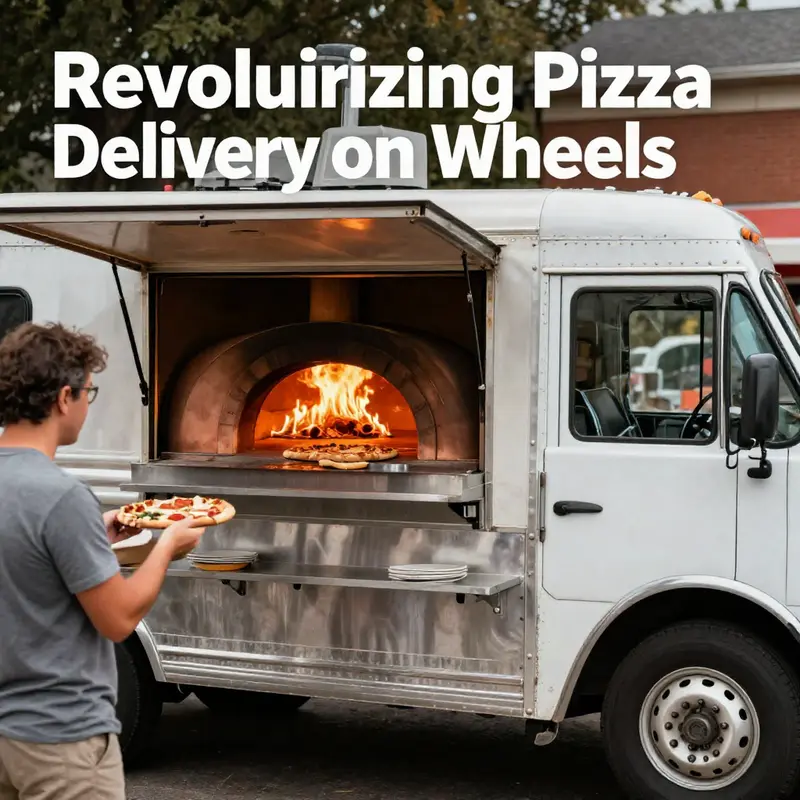
A wood-fired pizza on wheels turns a simple meal into an event. The idea blends culinary artistry with the mobility of a van, creating a moving stage where heat, smoke, and dough fuse into a crust that carries the essence of a traditional brick oven. In this setup, the oven becomes the star, and the truck the backstage crew that must balance performance with practicality. The appeal rests not only on the taste of the pizza but on the spectacle: the glow of the fire, the waft of aromatic smoke, and the visible hands shaping each pie. This is where a mobile kitchen transcends convenience and enters the realm of craft. The crusts emerge blistered and charred in places, with a tender interior and a crisp edge that offers resistance and tenderness in the same bite. When done well, a wood-fired pie communicates a story of Neapolitan technique, time-honored tradition, and an artisan’s dedication—all presented in the compact theater of a moving kitchen. The aroma alone can build a queue longer than a typical lunch hour, and that fragrance nearly always carries the promise of something special, something worth pausing for in the middle of a busy street or a festival throng. This is where the brand takes shape, not just through the recipe but through the visible flame and the approachable craft that accompanies it. The visual language of a wood-fired oven—its glow, its smoke rings, the way the dough breathes under heat—becomes part of the customer’s memory, a cue that a particular truck is offering more than a quick bite. In this sense, the experience is as important as the pizza itself, and it justifies a higher price point for those who can deliver consistent, high-quality performance from a rolling kitchen.
Operationally, the mobile wood-fired approach requires a careful balance of performance and reliability. Ovens are typically designed to run at extremely high temperatures—well above typical kitchen temps—to achieve the signature blistering and charring of a true wood-fired crust. The heat must be stabilized, the fuel supplied consistently, and the ash managed in a way that keeps the cooking chamber clean without interrupting service. The setup often involves a brick or stone-lined cooking chamber, where the oven’s interior becomes a miniature external hearth—an intimate space for a chef’s hands to coax dough into shape while flames lick and crackle in a controlled, purposeful way. The theater of wood fire adds a layer of complexity that electric or gas-powered systems simply cannot replicate, and that is precisely what many operators cultivate as a core differentiator. Yet with drama comes responsibility. The same flames that create texture and flavor also demand stringent safety practices, robust ventilation, and compliance with local regulations. Fire codes, permits, and environmental rules can shape where and when a wood-fired truck can operate. The oven’s heat output, exhaust needs, and the potential for smoke or nuisance emissions raise concerns in dense urban areas and near sensitive receptors. Operators must navigate a patchwork of rules that treat the vehicle as both a mobile restaurant and a regulated combustion source. The regulatory environment is further complicated by emissions standards that vary by region, sometimes requiring testing, certification, or proof of air-quality compliance. In practice, this means securing not only a business license but also the appropriate allowances for open flames and for the evacuation of exhaust through a compliant venting system. The combination of culinary ambition and regulatory vigilance defines a path that is as much about governance as it is about dough.
To manage these challenges, many operators pursue design strategies that emphasize safety and compliance without sacrificing the authentic experience. Trailers or trucks hosting wood-fired ovens increasingly incorporate robust ventilation systems, smoking-control features, and materials chosen for durability and fire resistance. The goal is to create a kitchen that can be inspected with confidence, yet still perform like a traditional wood-fired oven in a fixed location. Certification becomes a critical part of the equation. While different jurisdictions use different labels for safety and environmental compliance, the common thread is a documented standard that helps vendors obtain permits and demonstrates to inspectors that the equipment and installation meet recognized safety criteria. In practical terms, this means working with builders who can provide trackable documentation—proof that the chassis, cooking chamber, insulation, and exhaust are designed to meet applicable standards. It also means ensuring that the trailer or truck features corrosion-resistant construction, a secure service window for efficient service, and an ergonomic layout that keeps staff safe while enabling rapid, repeated pies to be produced. When such considerations are in place, the line between artisan kitchen and regulated mobile unit becomes more navigable. While the glamour of flames remains, staff training and ongoing maintenance become equally important, providing consistency that customers come to rely on.
Balancing gourmet quality with feasible operations often points to a strategy of careful location choice and schedule planning. Festivals, outdoor markets, and high-footfall street corners are natural stages for a wood-fired concept because the aroma and spectacle can draw crowds and create spontaneous demand. The open flame serves as a living advertisement, drawing curious passersby who become customers within minutes. A well-timed rotation between events, together with a reliable supply of dough, wood fuel, and toppings, helps maintain product quality and service speed. The theatre is complemented by branding that communicates authenticity—simple, rustic, and craft-centered markings, a visible oven, and a service flow that invites onlookers to watch their pizza take shape. In this way, the wood-fired truck becomes a moving ambassador for artisanal pizza, expanding the reach of a traditional recipe beyond the confines of a brick-and-mortar restaurant.
Despite the allure, operators should acknowledge that this path involves more than culinary expertise. The regulatory landscape demands diligence, and the costs of compliance—ventilation, emissions control, fire suppression equipment, and documentation—can be substantial. The challenge, however, is not to avoid regulation but to embrace it as part of the brand’s credibility. A vehicle that meets safety and environmental standards signals to customers and event organizers that the operation is responsible and professional. In turn, this reliability opens doors to larger gigs and longer-term collaborations, reinforcing a cycle of quality and opportunity that sustains growth beyond one-off appearances. The market often rewards those who can pair a compelling, high-end product with a predictable, compliant operation. The result is not just a meal but a story—of a gustatory craft that travels, a flame that travels with the dough, and a business model that travels with the team.
For operators exploring this path, the integration of compliance and craft becomes a competitive advantage, not a hurdle. The open flame, when managed with care and oversight, can elevate a pizza from a simple slice to a sensory experience that lingers in memory. It invites guests to linger longer, order again, and recommend the truck to friends. The aroma becomes a magnet, the crust a testament to technique, and the entire operation a demonstration that mobile food can deliver premium quality without compromise. To view this approach as merely a novelty would overlook the potential for sustained brand value, repeat business, and the ability to tell a compelling, movement-oriented story about food made with flame and heart.
For readers considering a foray into wood-fired mobile pizza, a practical takeaway is that a strong concept must be paired with rigorous standards. The potential rewards—distinctive flavor, elevated branding, and a memorable customer journey—can justify the investment in proper equipment, ventilation, and certification. And while this path demands attention to regulatory detail, it also invites a level of craftsmanship and theater that resonates with diners seeking authenticity in an age of convenience. If the mind is drawn to the idea of a portable oven, a community of operators demonstrates that the craft can travel as far as the brand does. Learn more about the broader world of pizza truck experiences and how operators structure their journeys in Pizza Truck Experience. For those who want a deeper dive into the manufacturing and compliance landscape, an external resource offers a practical snapshot of equipment and certification realities that come with a wood-fired, mobile kitchen. External resource: https://www.alibaba.com/product-detail/WECARE-Mobile-Wood-Fired-Pizza-Oven-Food-Trailer_1600742397851.html?spm=a2700.1.nav-productlist.0.0.1b1a6e6fWpQJjS.
Swift, Stainless, and Sizzling: How Concession-Style Pizza Trucks Master High-Volume Service
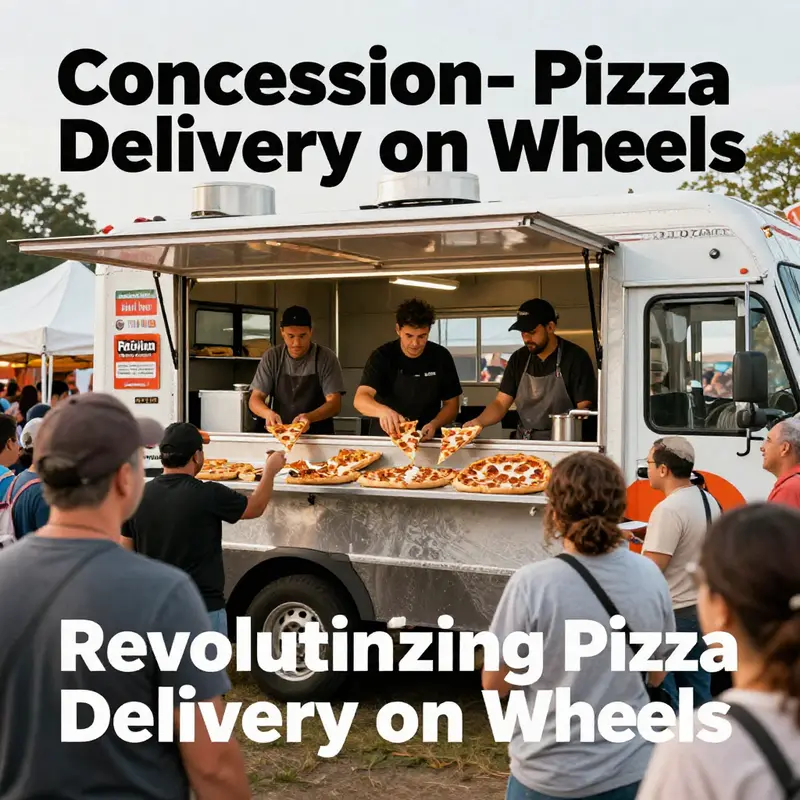
Concession-style pizza trucks are the dependable engines of mobile food service, built to convert a surge of hungry customers into steady, repeatable sales. In markets crowded with events, street corners, and pop-up gatherings, these compact kitchens rely on a disciplined blend of heat, flow, and durable construction. Their core strength lies in turning a bustling line into reliable throughput, where orders move from prep to oven to handoff with minimal delays. The cooking zone is designed not for artful experimentation but for repeatable performance: fast preheating, consistent heat delivery, and straightforward maintenance routines that keep the unit on the clock even under the most demanding shifts. Temperature stability matters as much as speed, and the best concession trucks manage both with a simple, rugged approach. The goal is to keep the crust crisp and the toppings vibrant while preventing heat from creeping into the prep zone or the customer area. This is not about flashy innovation for its own sake; it is about a well-calibrated system that can handle a marathon of orders with the same degree of reliability from dawn to dusk.
From the outset, the layout of a concession-style truck is a study in workflow optimization. Workstations are arranged to minimize handoffs and backtracking, so a line cook can move fluidly from dough handling to sauce application to topping assembly without weaving through crowded aisles. A compact but well-organized prep counter, refrigerated storage, and a service window all anchor the operation. The design anticipates the needs of a high-turnover service model: enough storage to hold ingredients and utensils, integrated waste management to keep the space clean during long events, and clearly defined zones for hot and cold items. The emphasis on a smooth flow extends to ventilation and exhaust. Adequate venting protects the crew from heat buildup and odors while maintaining a safer, more comfortable working environment. Stainless steel surfaces dominate because they resist corrosion, are easy to sanitize, and tolerate the wet, high-heat atmosphere that comes with pizza service on wheels. In practice, every inch of space is optimized: shelves recessed into corners, hook-and-hinsertion points that keep tools within reach, and modular components that can be swapped as the business evolves. This modularity is not just a feature; it’s a strategic choice that supports rapid pivots in menu or service style as market demands shift.
Operationally, concession-style trucks win on predictability. They rely on standardized components that reduce training time and maintenance complexity. A single, dependable cooking line handles the majority of orders, while a secondary heat source can address peak moments without bogging down the main station. Ventilation systems are tuned to maintain air quality and comfort without overburdening the electrical system or fuel supply. The materials used—primarily stainless steel and other durable alloys—are chosen for longevity in outdoor conditions and for ease of cleaning after sandy festivals, rainy markets, or late-night events. When a business begins, this straightforward, corrosion-resistant construction lowers the barrier to entry. It also makes ongoing upkeep manageable, an essential factor when cash flow matters as much as menu variety.
The market appeal of concession-style trucks rests on the promise of speed and reliability. Festivals, sports games, busy city corners, and large outdoor gatherings demand vendors who can serve quickly while maintaining consistent quality. In these settings, customers expect a fresh slice or a hot pie within minutes of placing an order, and the trucks must deliver. The model suits operators who want to establish a strong, portable footprint without tying up capital in a customized, specialty kitchen. For first-time entrants, the concession format offers a relatively predictable pathway into the industry—minimal post-purchase modifications, a ready-made service protocol, and the potential to scale by adding more units as demand grows. The same setup can adapt to a broader catering strategy, enabling hot pizzas for crowds while keeping cold beverages or desserts within reach if the business decides to diversify.
Cost and financing are practical considerations that shape how operators deploy this model. A turnkey concession-style unit can be acquired with a cost ceiling that makes sense for new ventures, commonly featuring in-package heating elements and refrigeration for hot and cold service. The affordability of these systems is paired with the ease of customization; color schemes and exterior branding can be tailored to attract attention while the core kitchen remains standardized. In a market where margins hinge on high-volume output, the ability to serve quickly and maintain consistent quality becomes the primary differentiator, rather than bespoke gadgetry. For those evaluating the economics, industry sources show a path to entry that emphasizes scalable capacity and reliable equipment—key to turning a mobile pizza operation into a sustainable business. To gain a broader sense of profitability and operational benchmarks, many operators consult resources that highlight the practical realities of running a pizza truck in mixed-use environments, and a good starting point is a focused exploration of profitability in mobile pizza ventures.
Operational efficiency also extends to how the truck is equipped for the day-to-day rigors of street vending. The heating system, whether gas or electric, is selected for rapid preheating and steady performance under a range of ambient temperatures. The goal is to reduce idle time between customers and to shorten the cycle from dough to delivery. This is complemented by integrated refrigeration that keeps ingredients fresh throughout long events, minimizing spoilage risk and the need for frequent restocking. Storage solutions emphasize accessibility: ingredients and toppings sit in clearly labeled, easy-to-reach compartments; utensils and tools are organized in magnetic strips or dedicated bins to speed up the rhythm of assembly. In practice, every measure—from the height of the prep counter to the location of the dough bin—contributes to a smoother, more efficient service that scales with demand. This is particularly important when vendors participate in festivals or multi-day events, where the ability to maintain a steady tempo through peak hours becomes a direct driver of customer satisfaction and repeat business. The reliability of the operation reinforces the perception of value; customers return when they know they can count on a hot, fresh slice or a quickly assembled personal pie, even in crowded environments.
From a strategic standpoint, concession-style trucks are well-suited to markets that prize speed and consistency. Festivals and event caterers often favor vendors who can deliver a high output without sacrificing the integrity of the product. The streamlined kitchen and robust workflow enable vendors to meet surge demands while preserving a high standard of quality. This, in turn, supports a broader business narrative: a mobile kitchen that blends efficiency with the theater of pizza on wheels. The operator’s ability to present a clean, professional, and reliable image matters as much as the food itself, and this alignment between service performance and presentation helps build trust with customers who may encounter many mobile options in a single day. And as consumer expectations evolve, the concession-style model invites experimentation within a controlled framework—new toppings, seasonal menus, or themed events—without compromising the core speed and consistency that define the format.
For readers curious about the financial side, a concise resource on profitability offers practical insight into the economics of mobile pizza operations: pizza-food-trucks-profitable. The takeaway is simple: when a truck can reliably produce hot, well-made pies at a fast cadence, the economics begin to favor scaling. The combination of durable construction, standardized components, and a workflow that minimizes waste and downtime creates a compelling case for the concession-style approach. In the broader arc of mobile pizza entrepreneurship, these trucks stand as a bridge between the artistry of dough and the discipline of service execution, proving that high-volume does not require sacrificing quality or safety. As markets continue to appreciate the immediacy and novelty of a pizza on wheels, the concession-style format remains a practical, scalable option that aligns operational discipline with culinary charm. The next chapter will extend this thread by examining how wood-fired and hybrid concepts negotiate regulatory landscapes while retaining the same core strengths of speed, efficiency, and guest experience. An informed operator can blend these dimensions into a portable kitchen that thrives across diverse settings.
External resource: https://www.alibaba.com/product-detail/Europen-Style-Concession-Burger-Truck-Pizza_1600942578551.html?spm=a2700.1.0.0.1a6d7c35iU1JyD
Electric Tuk-Tuk Style Pizza Tricycles: Eco-Friendly Innovations for Mobile Pizzerias
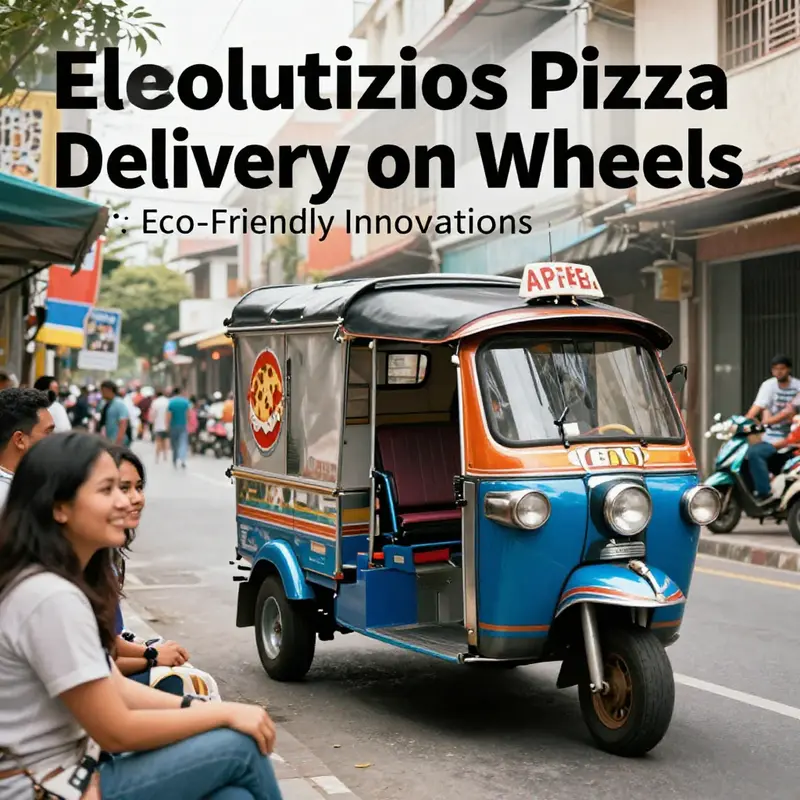
The street becomes a laboratory for modern pizza service when a compact, electric tuk-tuk style tricycle rolls onto the scene. In cities where space is at a premium and air quality is a community concern, these three-wheeled, battery-powered setups offer a distinctive blend of agility and sustainability. They turn the traditional image of a pizza truck on its head by leaning into a design that is light on its feet, quiet in operation, and flexible enough to fit into tight pedestrian zones, parklets, and outdoor events without the heavy footprint of larger fleets. The result is not just a new vehicle on the curb; it is a different way of thinking about where and how pizza can reach people who crave hot, fresh slices minutes after they place an order. This approach resonates with operators who want to minimize disruption while maximizing interaction with customers, because every stop becomes an intimate exchange rather than a prohibition-filled detour through traffic lanes. The mobile kitchen no longer needs a sprawling footprint to spark a moment of joy; it needs a clever, efficient footprint that respects urban rhythms and regulatory boundaries while delivering steam, aroma, and satisfaction to a hungry crowd.
Environmental considerations sit at the core of these electric tuk-tuk inspired designs. Replacing internal combustion with electric propulsion dramatically lowers greenhouse gas emissions and reduces noise—a dual benefit in dense neighborhoods, near schools, offices, and residential blocks where residents and regulators increasingly prize quiet operation and clean air. The absence of exhaust is more than an environmental statistic; it translates into smoother collaborations with city officials who grade food vendors on their compatibility with the everyday life of a neighborhood. When a pizza cook fire shapes the crust under a wood-fired romance, the trade-off is heavy, local emissions and heightened regulatory scrutiny. Electric variants, by contrast, balance the pursuit of flavor with a permission-based ease of operation that makes it easier to schedule, locate, and reuse spaces throughout a day that is often dictated by permits, weather, and foot traffic.
From a design perspective, the platform favored by these electric trikes emphasizes a robust three-wheel chassis that offers stability on uneven pavements and around crowded corners. The construction leans toward corrosion-resistant metals and streamlined bodies that are easy to clean and sanitize after hours of back-to-back service. Where a full-size pizza truck might boast a long, sealed kitchen box, the tuk-tuk style emphasizes modularity: a compact cooking module, a small refrigeration zone, and a service window that folds or slides with effortless precision. Such configurations support a host of culinary decisions beyond pizza alone. Operators can swap in a microwave station for quick snacks, add a beverage dispenser for hot drinks in cooler months, or attach an ice cream freezer for summer pop-ups. The modular ethos aligns with the reality of urban commerce, where a single vehicle must adapt to street fairs, farmers markets, coffee nooks, and private events without sacrificing speed, hygiene, or consistency.
A sense of adaptability defines the operating tempo of these machines. In practice, pizza is not a single, fixed product but a composition of dough, toppings, and timing. With a modular setup, a single vehicle can pivot from serving quick slices to producing personal pizzas on demand, all while maintaining a clean, efficient workflow. This flexibility is crucial in festivals or city corners where demand can swing rapidly—during lunch rushes, a parade, or a sudden rainstorm that scatters foot traffic. The open-air design, often a feature rather than a flaw, invites customers to watch the assembly line in action, creating an engaging experience that complements the aroma of baking crusts. The theater of pizza-making—hands shaping dough, sauce simmering, toppings landing with practiced precision—resonates in a way that a stationary storefront sometimes cannot achieve. And because the vehicle is electric, the operation benefits from lower maintenance needs, fewer moving parts, and more predictable energy costs, which translates into more stable pricing for customers and healthier margins for operators.
Performance is a critical piece of the story. Range per charge tends to establish the practical daily radius for these vehicles; most models offer a usable 60–100 kilometers per charge, which fits well with urban routes, market days, and festival schedules. This scale is particularly advantageous for operators who plan multiple stops within a concentrated geographic area, allowing them to maximize serving time while avoiding peak charging windows. The economics become clear: lower energy costs, simpler maintenance, and less downtime translate into more time serving customers and more opportunities to diversify revenue streams. While battery weight and charging logistics pose real considerations, a well-planned route, smart scheduling, and careful inventory management can keep the truck moving through a busy event calendar with minimal disruption. In practice, city buyers are looking for a line of sight into energy usage, charging cycles, and the ability to sustain a high oven output without straining the power supply of a neighborhood block or a private event site.
Regulatory and certification considerations also shape the adoption path for electric tuk-tuk pizza trucks. Vendors emphasize safety and environmental compliance, emphasizing that the vehicle and cooking components meet industry standards for hygiene, electrical safety, and roadworthiness. In many markets, this means verifying that food preparation areas adhere to health codes and that the vehicle is registered, insured, and inspected like any other mobile kitchen. The quiet, low-emission profile of these vehicles can ease conversations with local authorities who are focused on reducing noise and pollution in crowded urban cores, enabling operators to extend service hours and reach audiences that formal storefronts might miss. The combination of a compliant platform, a dependable modular kitchen, and a flexible business model allows operators to test new markets with reduced risk, then scale once the concept proves itself in the field.
Beyond the technical and regulatory dimensions, there is a broader business opportunity at work. Electric tuk-tuk pizza tricycles are not just vehicles; they are highly visual brands on wheels. The exterior can be customized with bold graphics, LED displays, and open-air presentation zones that invite passersby to engage before they even order. This capacity for on-street branding complements the product itself, turning the pizza into a portable, experiential purchase. A small, agile vehicle can slip into pedestrian zones, college campuses, and neighborhood festivals where a larger truck might struggle to gain access. The lower entry cost, compared with traditional mobile kitchens, makes this model attractive to first-time operators who want a tangible proof-of-concept before expanding into a full fleet. The price range for these lightweight systems, typically more accessible than larger rigs, supports a scalable plan where one initial investment can yield multiple revenue streams—think street vending, parties, corporate events, and community gatherings.
For readers curious about the lived experience of running a mobile pizza operation, a wealth of perspectives emerges from the broader ecosystem of pizza trucks and street vendors. A practical touchpoint is the experience section of industry coverage, which offers first-hand accounts of day-to-day operations, challenges, and triumphs. This kind of resource provides a grounded sense of what it feels like to balance cooking, mobility, and customer service in real time. To explore those narratives, see the article linked in the Pizza Truck Experience section.
The economic and cultural logic behind electric tuk-tuk pizza tricycles rests on a simple principle: moderation and momentum. They enable a lean business model that can scale with the operator’s ambition while aligning with city goals around cleaner air and quieter streets. In an era when audiences increasingly expect instant gratification and social connection, the open, participatory nature of street food—the show of dough being stretched, sauce being ladled, crust being baked to order—becomes a powerful differentiator. The vehicle itself is a stage that travels, carrying not just pizza but a promise of adaptable service. It is a reminder that the future of mobile food might be less about conquering space with size and more about reclaiming time, proximity, and accessibility for customers who want a hot slice on their terms.
External resource: For a broader sense of how these configurations look in market listings and real-world deployments, see industry listings and product detail pages that illustrate the range of modular, electric options available for mobile food service. External resource: https://www.alibaba.com/product-detail/Electric-Food-Tuk-Tuk-Ape-Tricycle-Pizza-Truck_1600327596352.html
Built to Roll: Durability and Versatility in Advanced Mobile Pizza Trucks
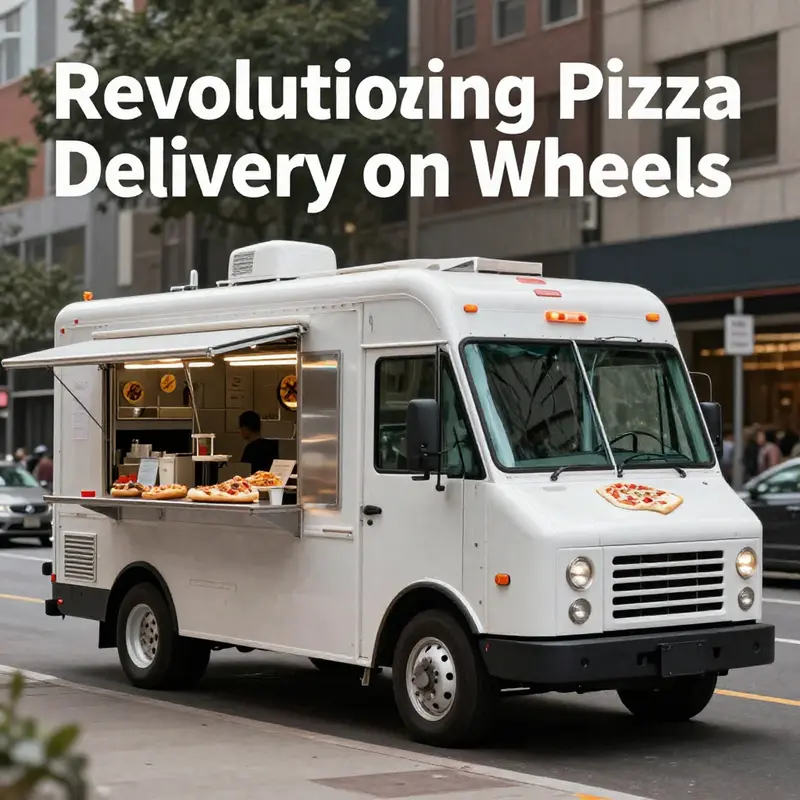
Every mobile pizzeria faces a constant test: survive the weather, the road, and the relentless pace of service while delivering pizza that tastes like it came from a fixed location. The goal is not merely to keep the oven humming but to sustain quality from the first order to the last, even during back-to-back events. In this sense, durability becomes a daily operating standard, a fusion of rugged construction and thoughtful design that keeps downtime to a minimum and output consistent. Modern mobile pizza trucks are not just kitchens on wheels; they are complete systems built to perform under pressure, with a chassis and body that can endure years of exposure to sun, rain, and vibration. The best examples balance resilience with agility, so the unit remains easy to tow, easy to clean, and quick to reconfigure as menus shift with the season or the crowd. This is where durability and functionality meet, translating into reliable service at food fairs, stadium lots, or bustling city corners. The consequence is a fleet mentality: each truck is a portable restaurant that can be deployed with speed and confidence, no matter which street or plaza becomes the stage. In this world, the materials and the layout are not cosmetic choices but strategic commitments to longevity and performance. A durable truck is a business asset, reducing surprises and protecting your core investment: your food, your brand, and your ability to feed a crowd on a tight schedule.
Corrosion resistance is the quiet backbone of endurance for any outdoor kitchen. Aluminum and stainless steel are favored for their ability to withstand humidity, salt, and the grime of long service days. These metals offer robust structural integrity without adding excessive weight, which matters for both fuel efficiency and maneuverability. A lighter frame means less strain on the tow vehicle and on the hitch, extending the life of the truck and reducing maintenance costs. For operators, this translates into more miles between service calls and fewer opportunities for equipment downtime to derail a busy event schedule. Beyond the frame, exterior panels and interior fixtures use corrosion-resistant materials that tolerate frequent washing, high heat, and occasional impact from moving carts or hoses. The result is a kitchen built to hold up under the daily wear of events, not just a showroom model that shines for one season.
The interior is where durability and adaptability converge most visibly. A modular, customizable design lets crews reallocate space quickly for different service formats. Think of a layout that can pivot from a pizza assembly line to a beverage station or a dessert counter with minimal tools and time. Some configurations claim considerably faster reconfiguration times than fixed designs, enabling operators to shift menus and respond to crowd demand in moments rather than hours. This flexibility is more than convenience; it is a practical response to the unpredictable rhythms of festivals, parades, and busy street corners. When a day’s plan changes—perhaps a late-evening rally near a stadium or a pop-up at a farmer’s market—the interior can adapt without sacrificing productivity or cleanliness. Clean lines, sealed compartments, and purpose-built storage prevent clutter from slowing service, preserving both speed and sanitation. The ability to switch roles inside a single vehicle protects the business model from market volatility and expands the potential venue set without needing another vehicle.
Cooking and cooling systems are equally critical to durability and performance. High-efficiency, closed systems deliver reproducible results even as external conditions swing from cool mornings to hot afternoons. Propane or natural gas ovens provide reliable heat control, with precise temperature management that keeps crusts consistent and toppings evenly melted. When electric options are used, ovens and induction modules emphasize energy efficiency and steady power delivery, which reduces the risk of outages during peak hours. Paired with robust, energy-efficient refrigeration that runs on 220V, these units maintain food safety while minimizing electrical draw. Insulation plays a central role here, with thermal barriers designed to stabilise internal temperatures by a measurable margin. The combination of disciplined heat management and smart cooling translates into fewer service breaks caused by equipment glitches. In practice, this means more pizza in the hands of customers and less risk of waste due to temperature excursions. The equipment itself becomes a co-worker, dependable and predictable under the stress of a crowded event.
Mobility and stability are the practical tests of any mobile kitchen that aims to roam. Dual-axle configurations and reinforced chassis provide a sturdier backbone for traversing uneven lots, cobblestones, or temporary pavers. This design choice contributes to smoother handling, steadier operation during service, and less wear on tires and suspensions. For operators, the payoff is clear: the truck remains stable when doors swing open, when dough is being stretched, or when hot ovens demand a steady workspace. In many cases, the chassis and undercarriage are treated with protective coatings to resist corrosion and abrasion, extending the life of components exposed to road grime and weather. Such engineering choices support a longer service life, fewer visits to the repair shop, and more consistent performance across seasons. The result is a mobile kitchen that can accompany a business from one festival season to the next with the same reliability that a stationary kitchen enjoys on its best days.
Compliance and certifications seal the chain of quality that customers and regulators rely upon. International safety standards and environmental requirements ensure that durable, high-performing mobile kitchens operate without compromising public health or the neighborhood air. Certifications such as CE, DOT, and other regional marks signal adherence to rigorous safety, electrical, and environmental guidelines. This level of assurance reassures event organizers, property managers, and city authorities that the truck will operate within the expected rules while maintaining a clean and safe workspace for staff and patrons. For operators, pursuing these credentials is not bureaucratic red tape but a strategic investment in credibility. It demonstrates a commitment to reliability, safety, and sustainable practice, all essential for building long-term relationships with venues, sponsors, and customers who expect consistency from a mobile food operation.
Taken together, these durability and functionality features form a holistic approach to mobile pizza production. A well-built truck does more than deliver heat and dough; it delivers confidence. It supports a day that starts before dawn and ends after dusk, with a flexible team that can adapt to weather, crowd size, and changing menus while keeping the pizza quality consistent. The best operators view their trucks as extendable kitchens on wheels—spaces that can evolve as fast as the business itself. This mindset is crucial for sustaining growth in a market where novelty is fleeting and reliability endures. For those planning a new rig or upgrading an existing fleet, the core message is clear: invest in corrosion-resistant construction, embrace modular interiors, equip with efficient cooking and refrigeration, prioritize stable mobility, and secure the necessary safety certifications. In doing so, a mobile pizza operation becomes a durable, versatile engine capable of turning open lots into reliable revenue streams.
For readers considering their own build or retrofit, there is a wealth of practical guidance on how to approach these choices. A useful starting point is a comprehensive guide on how to build a pizza food truck, which offers a step-by-step perspective on layout, equipment, and workflow that aligns with the durability principles outlined here. How to Build a Pizza Food Truck. This resource helps aspiring operators translate the theory of durable design into concrete plans and actionable decisions.
External resources can also illuminate the supply side of durability and functionality. Industry listings showcase certified, factory-direct options and highlight how suppliers address corrosion resistance, modular interiors, and energy efficiency in practice. A representative listing demonstrates the range of viable configurations and the kinds of certifications that buyers should expect when shopping for mobile kitchens. External resource: https://www.alibaba.com/product-detail/Alibaba-com-YITUO-YT-FS450R-Mobile-Pizza-Truck_1601084713971.html
Final thoughts
As we have explored, the range of pizza food trucks available today offers diverse business opportunities for aspiring entrepreneurs. From efficient standard models to the gourmet experience provided by wood-fired units and the eco-friendly innovations of electric Tuk Tuk tricycles, the adaptability and appeal of these mobile kitchens are undeniable. Understanding the unique features and market potentials of each type can empower you to make informed decisions, ultimately leading to a successful venture in the bustling food truck industry. The path to pizza success is as varied as the types of pizzas you can offer; choose wisely and may your truck always be bustling with happy customers.