

As the demand for unique and engaging dining experiences rises, pizza trucks have become popular choices for parties. Understanding how much it costs to rent or buy a pizza truck can greatly impact your event planning strategy. This guide delves into the differences between renting and purchasing pizza trucks, features that drive costs, current market trends, and how to efficiently compare local vendors. By grasping these elements, business owners can make informed decisions, ensuring a successful and budget-conscious event.
Estimating the Cost of a Pizza Truck for Your Party
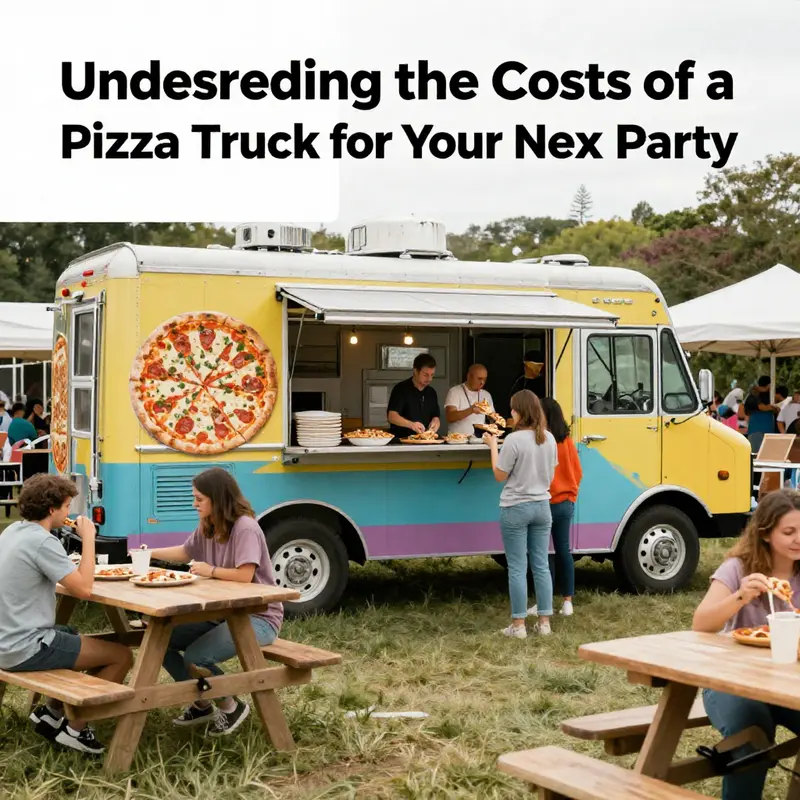
Renting a pizza truck for a party can transform the event with fresh pies, live preparation, and a memorable guest experience. Yet the quoted price often reflects more than just the oven. Understanding base rate, addons, and service scope helps you budget accurately.\n\nBase rate: Most operators charge roughly $1,500–$3,500 per day, influenced by region, truck reputation, and menu complexity. A basic oven-only setup is cheaper; gourmet, wood-fired, or branding options push the price higher. Additional charges commonly appear for delivery, permits, insurance, deposits, utilities, and staffing. Clarify what is included (setup, teardown, service hours) and what is billed separately to avoid surprises.\n\nOther costs to anticipate: delivery radius, travel time, fuel surcharges, and on-site power or propane needs. If you want high throughput, you may need extra staff, which increases cost but reduces wait times and improves guest experience.\n\nDIY vs. professional: A DIY approach can save headline costs but adds labor, compliance, permits, and cleanup risks. A professional vendor typically offers turnkey service, reliability, and a consistent guest experience, which can be worth the premium for events with tight timelines.\n\nBudgeting tips: request itemized quotes, compare base rates and ancillary fees, and ask about any minimums or peak-hour surcharges. Keep an eye on throughputs and service duration to balance cost with guest experience. A simple budgeting approach is to estimate a base day rate plus typical extras and then adjust for your guest count and event length.
The Party Planner’s Budget: Navigating Costs, Choices, and Potential Profit with a Pizza Truck
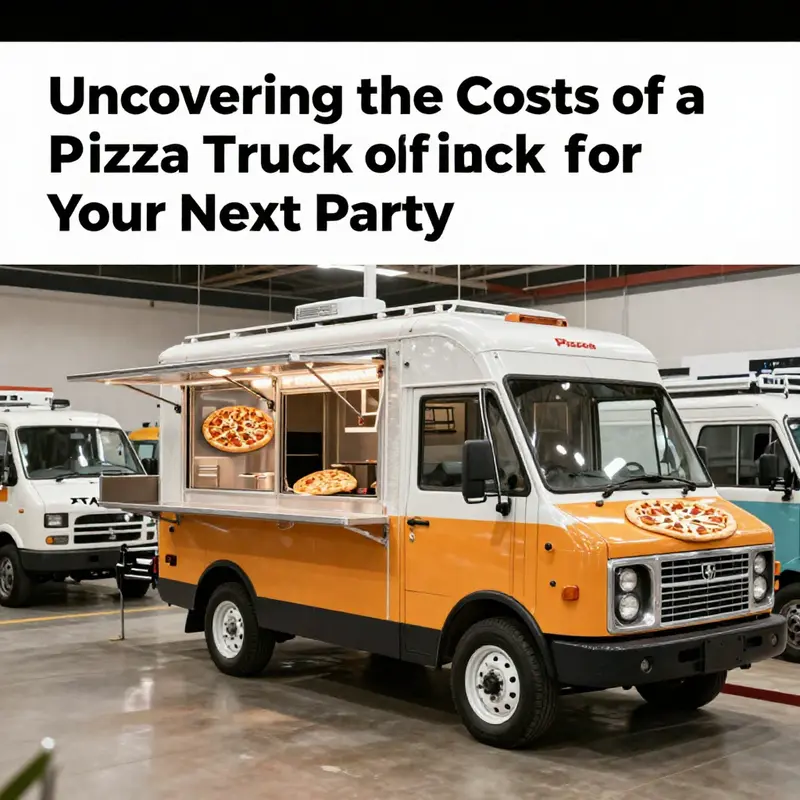
When planning a memorable party, the centerpiece often becomes the kind of food service that delivers both novelty and flavor on demand. A mobile pizza truck can be that centerpiece—an enticing focal point that promises hot, fresh pies and a sense of theater as dough spins, ovens glow, and guests watch their meals transform from raw ingredients into glossy, aroma-filled reality. But the gleam of novelty also invites a straightforward question: what does a pizza truck cost for a party, and how should that cost be weighed against other budget line items and long-term goals? The landscape as of March 2026 shows a broad spectrum, shaped by vehicle type, equipment, customization, and whether you choose to own or rent. The math behind that spectrum matters not just for a single event, but for the viability of a small catering venture, a party-focused service, or even a formal event business built around one or more mobile units. In short, price is not simply a number; it’s a signal about capabilities, scale, and the potential return on investment.
To begin, you face a primary fork: buy or rent. Each path carries distinct financial footprints and strategic implications. Renting a pizza truck for a one-time party can dramatically reduce upfront risk. Daily rental rates typically fall in the range of five hundred to two thousand dollars, depending on location, the duration of the event, and the level of service included. This option is appealing if your party is a one-off indulgence, if you want to test the market before committing, or if you simply need a spectacular showpiece without the long-term maintenance. However, if your goal is to host multiple events, build a recognizable presence, and cultivate a sustainable revenue line, purchasing becomes more compelling—even if it requires a larger initial outlay. In that sense, the decision mirrors other large equipment purchases: you pay more up front, but you gain control over scheduling, branding, and ongoing profitability.
The most immediate and transparent metric is the price range for basic mobile pizza configurations versus more elaborate, customized builds. Current market listings indicate a starting point well below the cost of a brand-new kitchen trailer. A used outdoor mobile bar or basic pizza truck can begin around three thousand three hundred dollars. This baseline typically represents simpler chassis, minimal interior outfitting, and equipment suited to producing pizzas rather than a full culinary lineup. If you want a more capable, restaurant-grade experience—think reliable ovens, refrigeration, and safely wired power systems—estimates rise quickly. Customized or higher-quality pizza trucks often sit between roughly four thousand and fifteen thousand dollars, depending on the build quality, the equipment included, and the level of interior layout and branding you require. The spread has real-world meaning: an event-focused unit with a straightforward pizza menu may fall on the lower end, while a truck designed for multi-item service—pizza, burgers, ice cream, or coffee—ushers in a higher price tag due to added appliances and configuration complexity.
Some concrete examples help ground the numbers. A custom food truck with multiple capabilities—such as pizza along with burgers, ice cream, and beverages—can start around four thousand three hundred dollars, signaling a sizable upgrade in equipment and service versatility. A European-style concession trailer tailored for pizza and donuts might sit between seven thousand three hundred and nine thousand dollars, reflecting a more robust build with distinct branding possibilities and interior space allocation. For those aiming at premium, fully equipped performance, a China Mobile Pizza Food Catering Truck can approach fifteen thousand dollars for a top-tier model designed to travel far and operate efficiently in varied settings. These figures illustrate a general rule: cost increases with capability, not merely with size, because the heart of the investment is a combination of ovens, temperature control, fuel efficiency, and safety compliance.
Beyond purchase price, the ongoing financial picture must be folded into any decision, especially when you’re considering a party-centric operation. If you plan to own, you should account for population-level operating costs that arise once you’re on the road. Staff wages, for instance, are a variable that can swing profitability, particularly if your concept requires more hands for dough preparation, oven operation, and customer service. Insurance is another non-trivial line item; a food vehicle does not share the same risk profile as a stationary restaurant, but it does entail specialized coverage—commercial auto, liability, and appropriate workers’ compensation if you employ staff. Permits and licensing add layers of compliance: health department approvals, fire safety checks, vehicle inspections, and potentially local street vendor or temporary event permissions. These regulatory costs vary by city, county, and state, but they are consistently present and must be budgeted for from the outset.
Parking space rental and location strategies represent another practical consideration, especially in urban areas where curb access is limited or where you want to be visible to the most foot traffic. Some venues provide on-site loading areas or designate specific event zones, which can simplify access and reduce daily risk. When such spaces aren’t available, you may face parking fees or the need to lease a dedicated, event-specific spot. Even if you own the truck, these logistics matter because they influence the feasibility of certain party formats, whether you’re serving a neighborhood block party, a backyard wedding, a corporate event, or a park festival. In addition to regulatory and logistical costs, you should consider fuel, ongoing maintenance, and periodic upgrades. Ongoing upkeep keeps the equipment reliable, minimizes the risk of last-minute breakdowns, and preserves the quality that guests expect when they’re savoring a hot, hand-tossed pizza.
All of these costs intersect with the fundamental question of profitability. A well-structured mobile pizza operation can become a profitable venture, especially when you optimize for high-volume lunch service areas, or when you align with events and venues that offer steady foot traffic. The economics hinge on more than the price of the pizza itself; they hinge on throughput, pricing strategy, the speed of service, and the ability to manage peak demand without compromising quality. A party-focused approach benefits from a streamlined menu, consistent dough preparation, and a reliable oven configuration that can deliver a brisk pace without sacrificing the savor of a well-baked crust. The more you can standardize operations and create a repeatable, scalable experience, the more predictable and repeatable your revenue becomes. In this context, the initial investment is not merely a cost to absorb; it is a lever that can unlock sustained earning potential if the vehicle is integrated into a broader business plan rather than treated as a single-event prop.
As you weigh options, it helps to think through a practical budgeting scenario that honors both the excitement of the concept and the realities of cash flow. If you opt for a modest used truck at roughly three thousand three hundred dollars and plan to add essential equipment—an efficient pizza oven, a refrigeration unit, a small dough mixer, a basic prep station, and compliant food-prep surfaces—your total upfront might settle in the neighborhood of around seven to nine thousand dollars, depending on the condition and the exact equipment package. You would still face licensing, insurance, and initial marketing costs, which could add several hundred to a few thousand more. If you decide you want an elevated, multi-menu capability and a more polished interior and branding, you could easily push the investment toward the mid-to-upper end of the spectrum, approaching ten to fifteen thousand dollars or more for a premium, multi-use trailer with a robust power system and a fully integrated setup. In either scenario, the key is to map the anticipated revenue across the events you target, not just the one-time costs. A helpful way to anchor this is to consider the price guests are willing to pay for a pizza at a party venue, and how many pies you would need to sell per hour and per event to recover your investment within an expected time frame. If you are curious about the broader cost landscape, there is a published guide that delves into the composition, standards, and the way a pizza truck can benefit industrial projects, which provides practical guidance on selecting the right vehicle, understanding regulatory requirements, and maximizing profitability through strategic location and service planning—particularly when used for parties or events. See the resource titled Pizza Truck Sale Overview: Composition, Standards, and How It Benefits Industrial Projects for a deeper dive.
In addition, it’s worth acknowledging that the cost landscape reflects not only the vehicle and equipment but also the narrative you want to build around your pizza service. A strong branding package, a visually appealing exterior, and a cohesive menu that highlights signature pies can influence guest demand and willingness to pay. When guests perceive value—whether through the artistry of the dough, the speed of service, or the theater of the baking process—the price barrier lowers and the willingness to engage grows. The interplay of branding, kitchen efficiency, and menu design is precisely what separates a one-off show from a reliable, repeatable business model. The chapter on how a pizza truck experience translates into profitability offers further depth on this relationship between customer perception and pricing strategy, and it’s a valuable companion reading for anyone assessing whether a party-focused truck is the right move at this moment in the market.
For readers seeking a concise, practical explanation of cost considerations and for those who want to ground their budgeting in comparative market data, the landscape is navigable with careful planning and clear goals. If your ambition is to host multiple events and even establish a fleet of mobile services, the numbers become a framework rather than a barrier. A purchase can be a gateway to predictable revenue, especially when you leverage future events, curbside partnerships, and collaboration with venues that value a vibrant pizza experience. If you’re exploring this path, remember that the initial question of cost is best treated as a set of interlocking decisions: how much can you invest upfront, what ongoing costs will you bear, and what is the realistic timeline to achieve profitability. The numbers you choose should reflect the scale of your aims—from a single, show-stopping backyard party to a turning point in a budding mobile-catering business. The art lies in aligning your budget with a feasible plan that honors both the craft of pizza making and the discipline of running a lean, customer-centered operation. Finally, for readers who want a direct link to a cost-focused resource, consider the linked overview on How Much Is a Pizza Food Truck? as a practical reference point, and remember to consult external industry guides to situate your plan within broader standards and best practices. https://truckpizza.net/blog/how-much-is-a-pizza-food-truck/ . For a broader overview beyond the cost specifics, an external resource such as Pizza Truck Sale Overview: Composition, Standards, and How It Benefits Industrial Projects can provide valuable context on how these vehicles are designed to meet standards and support scalable, location-driven profitability.
From Budget to Bake: Decoding the Real Cost of a Pizza Truck for Your Party
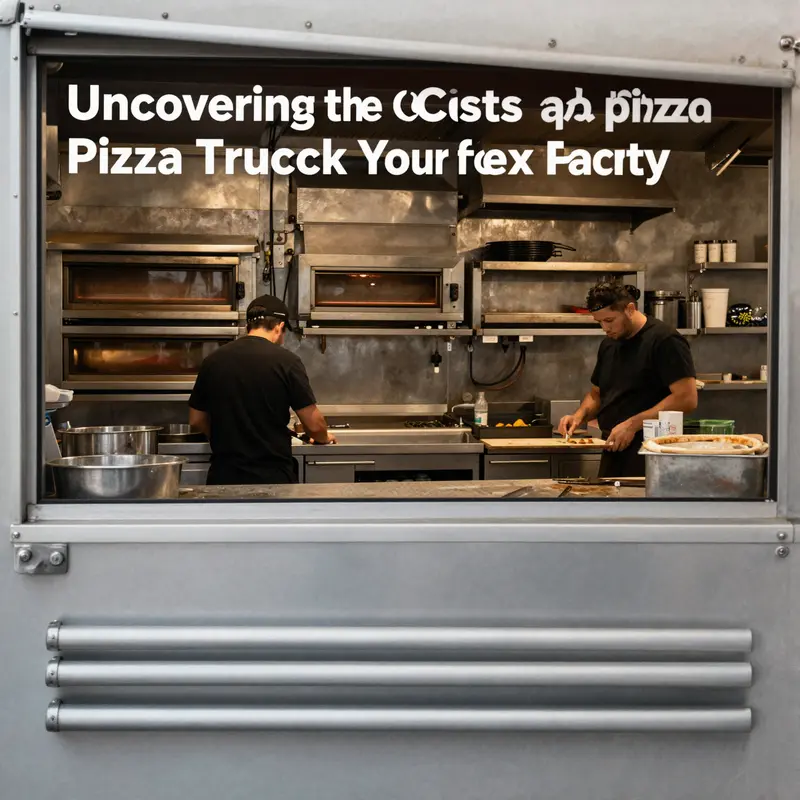
Choosing a pizza truck for a party is more than picking a flashy vehicle or a big oven. It is a decision that sits at the intersection of appetite, efficiency, and the practicalities of event planning. The price you pay is a reflection of what you intend to serve, how quickly you want to serve it, and the level of reliability you must have on a bustling Saturday afternoon. In the world of mobile pizza service, cost is not a single number but a ladder of choices, each rung offering a different balance between throughput, flavor authority, and compliance with health and safety standards. When you start mapping out a party budget, it helps to move beyond headline prices and think about how a truck will behave in the middle of a crowd, how easy it is to operate, and how it will pay for itself over time through repeat events or daily catering gigs.
The most immediate driver of cost is the oven. Ovens come in several shapes, each with its own philosophy of flavor, labor, and maintenance. Convection ovens, which rely on circulating hot air, give you consistent results and require less constant oversight. They excel in high-volume situations where speed and uniformity matter, such as a party with a long guest list or a festival setting with back-to-back slices. They tend to be more economical to operate in the long run because you can scale output with fewer staff and less watchful management. Wood-fired ovens, by contrast, carry a premium both in procurement and operation. They impart a distinctive, smoky crust and a sense of craft that many guests associate with a premium experience. The trade-off is the need for skilled operators who understand flame dynamics, airflow, and fuel management, as well as higher maintenance and more robust ventilation requirements. For hosts who want showmanship and a “chef-led” impression, a wood-fired centerpiece can be worth the extra cost, but it also raises the daily outlay for fuel and upkeep. These oven choices illustrate how a single feature can ripple through the budget, affecting training, staffing, and even the layout of the kitchen inside the truck.
Beyond the oven, the broader kitchen equipment shapes both the price tag and the party experience. Refrigeration units are essential for keeping ingredients fresh and reducing waste, especially when you’re juggling a diverse menu or high guest counts. Prep stations matter because they streamline every move from dough shaping to topping assembly. If a truck includes automated dispensing or portioning systems, those can lift throughput and consistency but add to the upfront cost and the likelihood of maintenance calls mid-event. A well-thought-out kitchen layout can dramatically cut service time and labor costs, which often means paying more up front but saving money in the long run. A chaotic setup with bottlenecks forces more hands on deck, increases service time, and can frustrate guests just as the hours wear on. The investment in thoughtful design pays back in smoother service and more reliable throughput.
Build quality is another major lever. The difference between a fully enclosed concession trailer and a rugged, custom-built mobile kitchen is not just aesthetics. It encompasses durability, insulation, ease of cleaning, and the ability to comply with local health regulations. A robust build reduces downtime from weather, vibration, or road wear and makes cleaning and sanitation faster and more reliable. It also strongly influences resale value if you decide to upgrade or pivot your business model in the future. For events, a high-quality build translates to fewer service interruptions, cleaner food handling, and a professional image that can influence guests’ perceived value of the experience. The cost implications are real: sturdier construction, better seals, higher-grade fixtures, and more precise electrical and plumbing integration all contribute to a higher sticker price but also to lower ongoing maintenance and downtime costs.
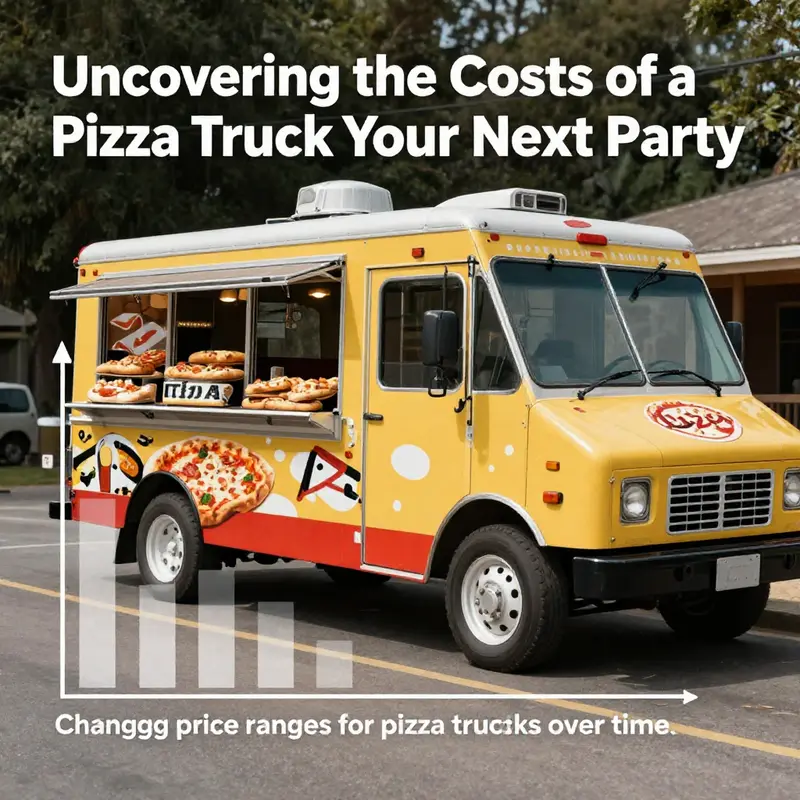
As with any equipment purchase, a quick glance at a few price benchmarks helps frame the decision. An enclosed concession trailer equipped with a basic pizza vending system can fall in the range of roughly five thousand four hundred to eight thousand dollars. This bracket usually represents a compact, reliable setup with decent insulation, a reasonable oven choice, and standard refrigeration and prep surfaces. If you want premium appliances, larger interiors, or branding-centric interiors that align with business identity, the price climbs quickly. In many cases, a fully custom mobile kitchen capable of handling multiple offerings—pizza, burgers, ice cream, and perhaps a coffee station—starts in the low thousands and can push well into the mid-range six figures if the ambition hits a certain scale. To ground this in concrete examples, a custom food truck that expands the concept beyond pizza alone can begin around four thousand three hundred dollars, while a European-style concession trailer designed for pizza and donuts sits in the seven-thousand dollar range, and a high-end premium model from a well-known chassis with multiple capabilities can exceed fifteen thousand. For a party-focused emphasis, these numbers translate into a spectrum where the main decision centers on how much throughput you need and how much you value branding and interior workflow.
A practical contrast worth noting is the difference between purchasing and renting. If your aim is a one-off event, renting a pizza truck can be a sensible choice, with daily rates typically between five hundred and two thousand dollars, depending on location, duration, and add-ons like staffing or tenting and power needs. However, for regular appearances—think seasonal parties, block parties, or recurring corporate events—a purchase often makes more economic sense. In this mode, you would see the range from roughly three thousand three hundred dollars for a used, basic setup to as much as fifteen thousand for a fully equipped, newer model with premium features. The decision hinges on how many events you anticipate, what margins you expect on each engagement, and whether you want the flexibility to rebrand or retool the truck for other cuisines or service formats in the future. Hosts who aim to host multiple branded events in a year might spread the investment across branding, interior layout, and modular components that can be swapped in and out. In such cases, the initial cost may be higher, but the long-term flexibility and potential revenue uplift make the investment compelling.
In the realm of budgeting for a party, it helps to think of two parallel tracks: the upfront investment and the ongoing operating costs. Upfront, you decide whether to buy new or used, how much customization you want, and which equipment is essential versus optional. A basic, reliable setup reduces the risk of hidden maintenance costs and allows you to retain more margin on party pricing. On the operating side, consider ongoing expenses like fuel, insurance, maintenance, licensing, and staff. A truck with a wood-fired oven, for instance, may require longer pre-event preparation and more careful fuel management, increasing both labor and fuel costs. A convection system may demand less staff and simpler logistics, producing a smaller per-pizza labor cost. These trade-offs matter when you price your menu for a party, because the pizza price you can justify to guests is tied not only to ingredients but to the predictability of throughput and service speed.
For those who want a quick view of market ranges without getting lost in the spec sheet, there is value in a focused snapshot that helps calibrate expectations. To explore current market ranges and variations, you can examine more detailed comparisons on how-much-is-a-pizza-food-truck. This resource distills the balance of features, customization, and price into a more digestible frame for event planners and prospective buyers alike. how-much-is-a-pizza-food-truck.
What about the nuances that often escape a simple price tag? A party-ready pizza truck is, in essence, a small business in a moving shell. You will likely have to account for branding elements—color schemes, custom wraps, and signage—that elevate the perceived value of the product and can influence guest engagement. A vivid brand can translate into higher tipping potential and more repeat bookings, but it adds design and installation costs as well. Inside, the layout matters as much as the oven type. An efficient workflow—where dough preparation, topping assembly, baking, and slicing occur in a streamlined sequence—reduces the number of staff needed at peak moments and helps you maintain a steady service tempo. In a party dynamic, where guests often arrive in waves, the ability to maintain that tempo becomes the difference between a pleasant, well-paced service and a chaotic rush.
Beyond the truck itself, savvy party planners also think about the ecosystem around the truck: power needs, water supply, waste management, and the support crew. A well-integrated setup with sufficient electrical capacity reduces the risk of outages that could disrupt a crucial service window. If your event location provides limited on-site power, you may need a generator or a hybrid system, which adds to the cost but guarantees reliability. Water supply and waste management are equally important; if the truck needs to run its own water lines or holds its own waste in a compliant manner, the initial installation cost climbs, but the operational reliability and compliance benefits are significant. The health and safety framework, in particular, can influence both the price and the ease of operation. A truck designed with easy-to-clean surfaces, sealed floors, and integrated handwashing stations minimizes compliance risk and makes inspections smoother, which, in turn, reduces the likelihood of costly delays or shutdowns during events.
As you step through the budgeting process, you’ll encounter thresholds that help decide the path forward. If your guest list is modest and the event window is short, a rental can be the cleanest way to deliver a memorable experience while keeping costs predictable. If you anticipate recurring opportunities—a wedding season, corporate gatherings, or regular festival appearances—the math often favors ownership, especially when the truck is designed with modular capabilities. A purchase also unlocks branding autonomy, the ability to experiment with different menus, and potential resale value if the venture expands or changes direction. In any case, it’s prudent to map out a simple pro forma: estimate the number of events per year, define the average revenue per event, and account for variable costs tied to each service—ingredients, labor, fuel, and consumables—against the fixed costs of ownership or rental. With a clear throughput target, you can translate oven choice, equipment breadth, and build quality into a per-event cost that reinforces your pricing strategy rather than undermining it.
To bring the discussion back to practical terms, recognize that the market is a spectrum. A basic, used outdoor mobile bar or pizza truck can start around three thousand three hundred dollars, while more elaborate, brand-ready, and appliance-rich setups can land well above ten thousand or more. For party planners, the sweet spot often lies in a well-balanced package: reliable oven, solid refrigeration, intelligent workflow, and a presentation that resonates with guests, all while preserving flexibility for future adjustments. In this light, the cost of a pizza truck for a party should be measured not simply in dollars but in the value of a dependable, scalable platform for delightful, shareable moments.
External resource: https://www.alibaba.com/product-detail/Enclosed-Concession-Trailer-BBQ-Pizza-Vending_1600797943437.html
null
null
Cost, Craft, and Convenience: Navigating Local Vendors for Your Party Pizza Truck
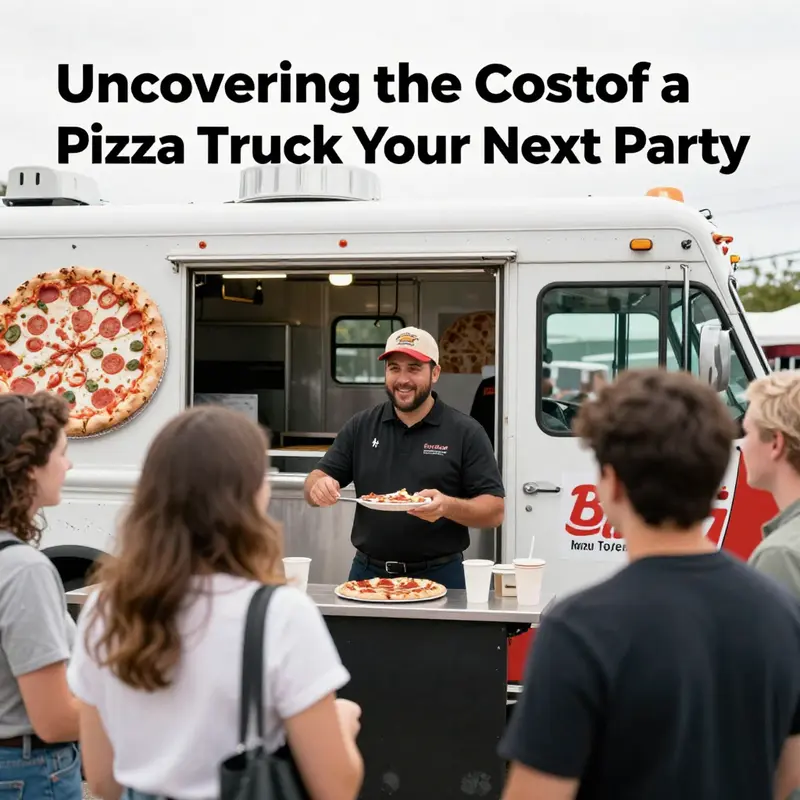
When you picture a party that basks in the aroma of hot, hand-stretched pies arriving on wheels, the first questions aren’t just about taste, but about cost, reliability, and fit. A pizza truck can be a showstopper at a backyard bash, a corporate gathering, or a neighborhood festival, yet the path from first impression to plated slices hinges on understanding how vendors differ and what those differences mean for your budget. The pricing landscape is real and variable: you might find a basic, used cart starting around the low thousands, while fully equipped, customized units can climb into the five-figure range. On top of that, renting for a one-off event remains a pragmatic option, usually far gentler on the wallet than buying outright. What matters most is matching the truck’s capabilities to the event’s scale, the venue’s constraints, and the experience you want your guests to enjoy. In practice, that means evaluating the type of pizza truck, the specifications that drive performance, the operational credentials that ensure dependable service, and the practical realities that shape day-of execution. It also means positioning your expectations with what you’ll pay now versus the longer-term costs of ownership or hire. To frame this thoughtfully, start with the core distinction between trailer-style operations and compact mobile carts, because the choice sets the ceiling for speed, variety, and service dynamics as guests line up for fresh pies.
Pizza trailers, with their built-in ovens, prep surfaces, and refrigeration, offer a degree of culinary autonomy well suited to larger gatherings. They can function as a self-contained kitchen on wheels, often including integrated power and even point-of-sale elements. For bigger events where a broader menu—think multiple pie styles or accompanying items like grilled toppings or desserts—is desired, trailers provide the flexibility to operate as a complete food-outlet on the move. The trade-off is size and cost: trailers are typically more costly upfront, and they demand a tow vehicle with ample power and a parking plan that negotiates space, access, and load-in requirements. Compact mobile pizza carts, by contrast, tend to be nimble and easier to deploy in tighter spaces. Propane or gas-fired heat sources deliver reliable performance, and the startup cadence can be swift, which matters for events with shorter or overlapping service windows. Yet carts may not deliver the same depth of wood-fired aroma or the breadth of equipment that a trailer can pack into a single, all-in-one kitchen. They frequently require frequent refueling or access to an on-site gas line, which can complicate logistics if you’re in a venue with limited back-of-house flexibility. The decision between trailer and cart isn’t merely a matter of dollars; it’s about the event’s footprint, the guest flow you’re prepared to host, and how much culinary theater you want to stage on the day.
But equipment is only one side of the coin. The specifications vendors advertise—their build materials, energy efficiency, and layout—directly influence both upfront cost and ongoing operations. Consider, for example, a trailer or cart that uses corrosion-resistant aluminum for the chassis and exterior. Aluminum’s lighter weight compared with steel translates into significant gains in maneuverability and fuel efficiency when you’re towing or moving between venues. A dual-axle design further enhances stability and handling, which matters if your route includes uneven driveways or multiple parking layers at a festival site. Inside, energy-efficient refrigeration powered by 220V can keep perishables at the right temperature while sipping less energy than older, less efficient models. These features don’t just keep food safer and fresher; they can cut daily operating costs by reducing energy consumption and cooling losses over the life of the unit. When you’re weighing options, ask vendors for the total energy footprint, maintenance intervals, and the expected weight with food and supplies loaded. Small efficiencies accumulate into meaningful savings over repeated events, especially if you’re operating on weekends, holidays, or multi-day festivals.
A crucial layer in this cost calculus is certification and compliance. Reputable mobile kitchen providers usually carry safety and environmental certifications that signal alignment with established standards. Certifications such as general safety markings, and environmental compliance attestations, offer a kind of external assurance that the vessel is designed for safe operation and responsible disposal of heat and emissions. In practice, these credentials translate into smoother insurance interactions, easier venue approvals, and fewer last-minute hitches on event day. If a vendor emphasizes modular kitchen layouts or configurable interiors, you gain the ability to tailor the workflow to your team’s dynamics. A well-planned layout can streamline order taking, prep, and service, potentially cutting service time by a quarter or more. That improvement isn’t merely about convenience; it translates into higher throughput during peak moments and can be the difference between a party gliding along and a queue that stretches and frustrates guests.
Yet for all the promise of professional setups, practical limitations loom. A glossy trailer can deliver a polished, professional appearance and an all-in-one kitchen, but the upfront price reflects that sophistication, and the vehicle you need to tow it adds another layer of cost. Venues with narrow driveways, steep ramps, or tight corners may require careful planning or even alternative catering arrangements. Conversely, for a backyard birthday or a modest block-party line, a well-equipped mobile cart may suffice and prove far more economical. One more real-world constraint is preheating. Ovens in mobile trucks can take 30 to 60 minutes to reach optimal temperature, depending on model and ambient conditions. If you’re coordinating service around arrivals, speeches, or activities, you’ll want a window that minimizes downtime while still delivering hot, fresh pies. Discuss preheat times explicitly with vendors, and seek a plan for staged service if your event schedule includes gaps or rolling activity. These details—preheat, peak times, and back-of-house flow—may not appear as obvious as price tags, but they shape the actual guest experience and your overall satisfaction with the investment.
Another recurring theme in evaluating local vendors is how the cost scales with service capacity. In many markets, the basic price floor for a used, smaller design can sit around a few thousand dollars, while more robust builds equipped for ongoing, multi-event operations commonly land in the four- to five-figure range. Rental options exist for one-off occasions, offering a way to test the format with minimal commitment. Rental rates can be substantially lower than purchase prices, but they come with time constraints and usage limitations. If your party is a one-time celebration with a subset of friends and family, renting can be an attractive path, letting you enjoy the novelty and quality of fresh pizza without locking you into a long-term asset. If you’re planning a recurring event calendar—seasonal fairs, monthly block parties, or annual gatherings—buying a unit may prove more economical in the long run, especially once you consider depreciation, tax incentives, and the ability to brand and customize the truck in line with your organization or household aesthetic.
To compare options with more precision, it helps to frame a simple budgeting mindset. For a single party, a rental might range from roughly five hundred to two thousand dollars per day, depending on location, duration, and add-ons such as staffing or branding. If you’re purchasing, your price spectrum broadens: roughly three thousand three hundred dollars on the low end for a used setup, up to fifteen thousand dollars for a premium, fully equipped model. Those figures reflect not only the chassis and oven but the interior outfitting—refrigeration, prep surfaces, exhaust systems, and sometimes integrated point-of-sale hardware. When you’re weighing quotes from local vendors, ask for a detailed equipment list, a service workflow diagram, and a timeline that spells out setup, cook, service, and teardown. A clear outline allows you to gauge whether the truck’s capabilities align with your guests’ expectations and your event’s pace. It also helps identify where a vendor can tailor the package to hit your price target without compromising the guest experience.
For readers who want a broader frame of reference while negotiating with local providers, a practical step is to explore cost ranges and vendor capabilities in parallel with the broader market intelligence available online. If you’re curious about how a pizza truck’s price might scale with features, consider consulting informational resources that compare different build types and included equipment. A helpful reference point is a dedicated discussion on pizza-truck pricing concepts, which consolidates typical price bands for basic carts, mid-range customized setups, and premium, fully outfitted trailers. Such a resource can illuminate where your event’s requirements land on the spectrum and how specific design choices alter total cost. If you want to dig into this topic further, you can read more about the general pricing landscape here: how much is a pizza food truck.
Of course, the decision isn’t only about price. You’ll need to weigh the vendor’s reliability, staffing options, service area, and the ability to maintain quality across a party’s duration. A vendor who can guarantee consistent bake times, predictable crust textures, and uniform cheese pull across dozens of pies contributes far more to guest delight than a glossy exterior alone. Some operators are capable of offering a turnkey setup with branding and color schemes that align to a party’s theme, which can lend cohesion to the event’s visual presentation and marketing moments. Others may favor a lean model that emphasizes speed and throughput over branding, suitable for high-volume flow events. If branding is important, confirm whether the interior layout can accommodate a simple, clean branding zone and whether the exterior allows for signage or wrap visuals that echo your party’s color palette and vibe. These aesthetic considerations matter less for a casual family gathering and more for weddings, milestone celebrations, or corporate gatherings where the visual impact through food is part of the storytelling.
In the end, choosing a local vendor for pizza truck services at a party is a blend of price, capability, and confidence. It’s about pairing the right type of vehicle with the right equipment and the right team, then aligning that package with the venue’s constraints and the guests’ expectations. A thoughtful approach means asking the right questions: What type of unit do you operate, trailer or cart? What are the key performance benchmarks—preheat time, throughput, and food safety guarantees? What certifications do you hold, and how do you handle safety and waste management? What does the interior layout look like, and can it be customized to support a smooth service flow? And finally, what are the realistic total costs, including setup, service, and teardown, and how do those costs map to the party’s scale and the long-term plans you may have for future events? By articulating these considerations at the outset, you’ll be better positioned to secure a pizza-truck experience that delivers hot, flavorful pies on time while keeping your budget intact and your guests satisfied.
For further context on pricing dynamics and to explore a broader set of considerations, you can reference the pricing article linked earlier. It provides a broader frame for the costs of owning or renting a pizza truck and can help you calibrate expectations against your specific event size, venue, and schedule. The takeaway is simple: the cost of a pizza truck for a party scales with the unit’s capabilities, the complexity of the build, and the level of operational support you require. Whether you decide to rent to test the experience or invest in a customized trailer for ongoing events, your party will benefit from a carefully matched setup that prioritizes speed, reliability, and the delicious certainty of hot pizza arriving with every wave of the crowd. And as you finalize choices with your local vendors, keep the focus not just on the sticker price, but on the whole experience—the warmth of the pie, the rhythm of service, and the way the truck contributes to a moment guests will remember.
External resource: For a concrete example of how a supplier presents a mobile pizza truck and its build specifications in a global marketplace, see a typical listing that demonstrates modular design and equipment options. Alibaba listing for a mobile pizza truck.
Final thoughts
Understanding the costs associated with pizza trucks for parties empowers business owners to plan effectively. By weighing the options of renting versus purchasing, acknowledging feature influences on pricing, and tracking market trends, you can make informed decisions that align with your budget and event goals. Whether you’re securing a truck for a one-time event or considering an investment in a pizza truck, thorough research lays a foundation for success.