
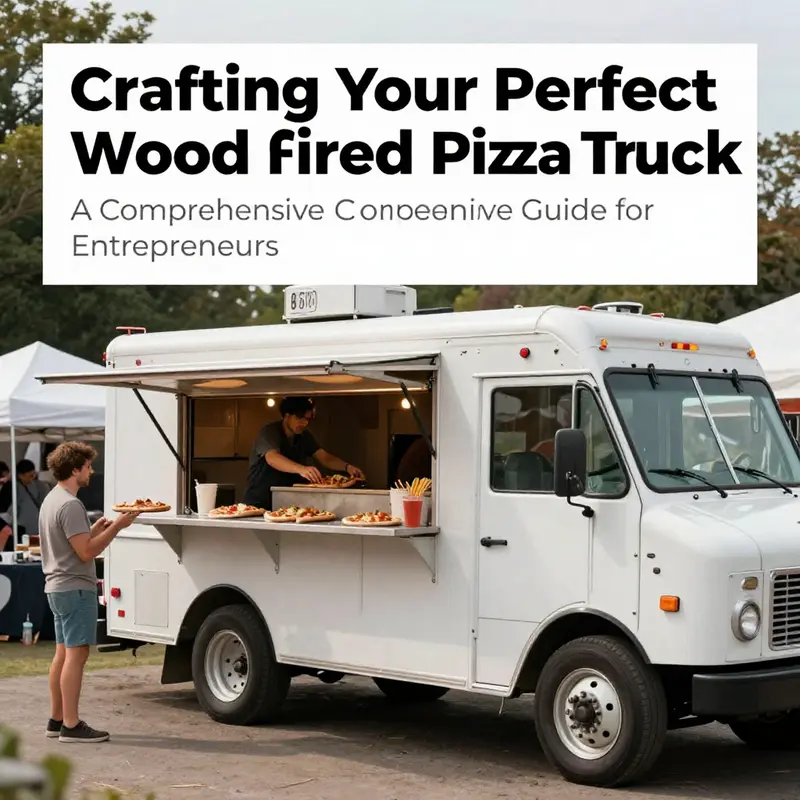
The current food truck scene is one filled with opportunity, and among the leading options is the wood-fired pizza truck—a mobile culinary marvel that blends tradition and innovation. Whether you’re an aspiring entrepreneur or an established restaurateur looking to expand your business, creating a wood-fired pizza truck can be a rewarding venture. This guide aims to provide you with a roadmap, detailing essential considerations from concept design to material selection. Understanding these components will empower you to build a successful and compliant wood-fired pizza truck that captures the hearts—and appetites—of your customers.
Forging Flavor on Wheels: Designing a Wood-Fired Pizza Truck from Concept to Streetfront
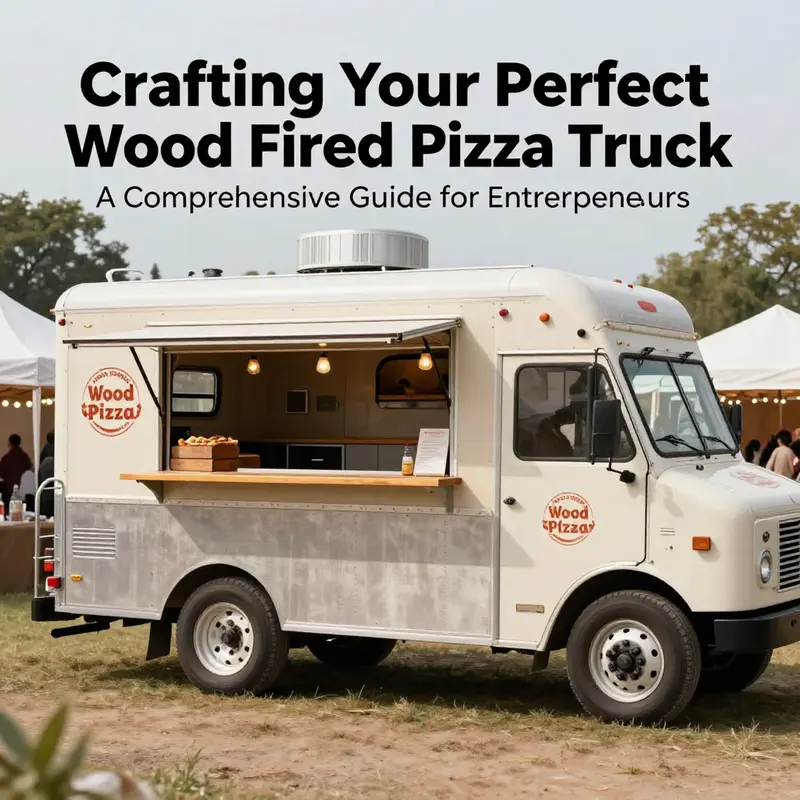
The impulse to bring the intimate craft of a wood-fired brick oven onto a rolling stage is a decision that marries centuries of baking tradition with the pragmatics of modern entrepreneurship. A wood-fired pizza truck is not merely a vehicle; it is a carefully orchestrated system where heat, airflow, and workflow cohere with branding, sustainability, and customer experience. At its core lies the oven, a masonry heart that dictates everything from layout and safety to startup time and the sensory drama that draws crowds. Designing with this center in mind means imagining not just a kitchen on wheels, but a small, mobile performance space where fire, dough, and aroma travel together with the brand’s story. The challenge is to translate the fixed, labor-intensive demands of a traditional oven into a mobile footprint that remains efficient, compliant, and capable of delivering the same blistered crust and smoky finish that define the craft.
The oven is more than a heat source; it is the flavor architect of the operation. In renowned wood-fired models, temperatures routinely spike toward 800 to 900 degrees Fahrenheit, with the capability to crisp a round of dough in two minutes or less. Those temperatures enable the telltale leopard spotting and blistering that distinguish Neapolitan-style pies, while offering the practical advantage of high throughput during busy events. Yet this thermal bravura carries explicit engineering responsibilities. The oven’s stone hearth must be insulated and thermally isolated to prevent heat bleed into adjacent equipment and the truck’s structure. Thermal mass becomes a defining characteristic: heavy, durable refractory bricks and heat-resistant mortar are chosen not merely for heat retention, but for even distribution over the baking surface. The result is a stable thermal field that handles the cyclical nature of service—from warm-up to peak traffic to cooldown—without overheating the surrounding workspace.
Preheating protocols are a crucial discipline. The stone and brick take time to come to temperature, and attempting a rush-start undermines crust development. A typical workflow builds in a deliberate ramp: a gradual rise through the preheat phase, with periodic checks to ensure the hearth is reaching target temperatures evenly across the surface. To protect the oven and extend its life, a controlled, staged buildup is essential, avoiding sudden temperature shocks that can crack the stone. The oven’s ventilation system follows suit. A well-designed chimney and exhaust arrangement manage smoke and heat without creating a draft that disrupts the dough’s resting phase or forces operators to compensate with improvised airflow. Ventilation is not an afterthought; it is embedded in every planning decision—from the oven’s position inside the trailer to the height and routing of the exhaust stack.
Placement within the trailer is a deliberate act of balance. Planners position the oven centrally to distribute weight evenly and to facilitate balanced access from prep zones to the service window. This central insistence also supports airflow dynamics—helping heat move predictably toward the baking surface while preventing hot pockets from forming near the prep counters. A central position also supports a more intuitive service flow: the team can move dough, toppings, and pulled hot pies with a minimal travel path, reducing fatigue over a long shift. The installation must comply with safety standards and environmental regulations, and it benefits from a layout that keeps ignition sources and heat away from non-heat-resistant surfaces. Material choices extend beyond the oven itself: exterior panels tend to be galvanized steel or fiberglass for weather resilience, while interior surfaces lean toward stainless steel for hygiene and ease of cleaning. The steel surfaces resist corrosion and stand up to outdoor conditions and frequent wipe-downs, while stainless components in contact with food ensure sanitation routines stay simple and reliable.
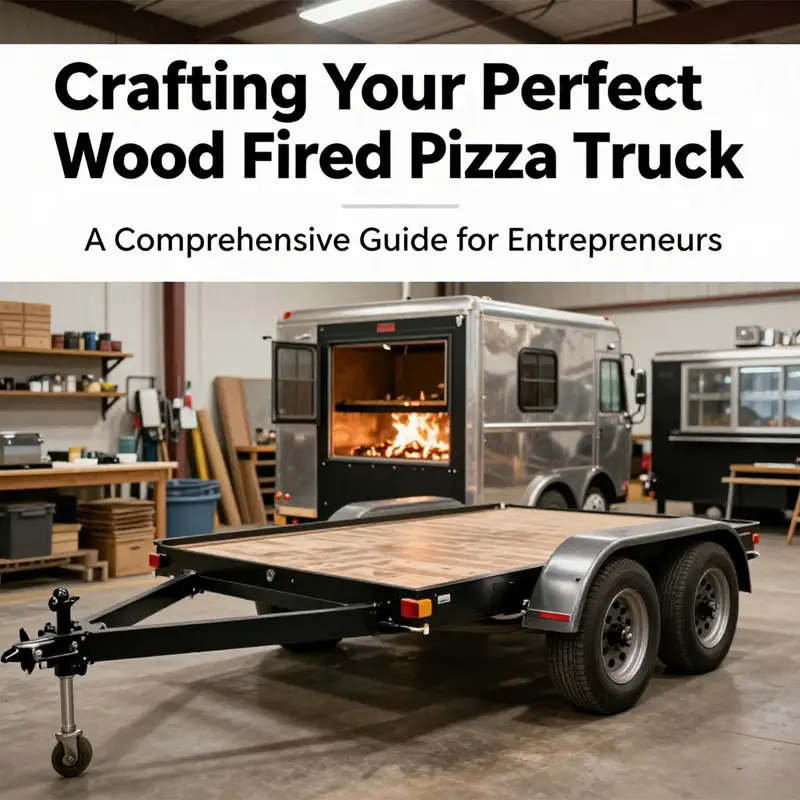
The vehicle’s chassis and trailer frame also command close attention. A durable, certified trailer chassis that meets relevant safety standards reduces risk across markets and speeds up permitting. Lightweight yet sturdy materials—galvanized steel, aluminum, and reinforced fiberglass composites—are preferred to maintain maneuverability while preserving payload capacity. Vibration and road-induced stress are realities of mobile food service, so the frame and mounting strategies are designed to absorb shocks without transferring undue stress to the oven or to the cooking surface. The mobility argument, however, is not sacrifice; it’s an invitation to thoughtful design that optimizes towing, load limits, and maintenance needs. With heavy equipment on board, careful weight distribution matters, particularly when the oven weighs in with substantial thermal mass and when water tanks, fuel storage, and ingredients add further load.
Workflow optimization becomes the invisible backbone of a successful mobile kitchen. A compact, ergonomic layout supports quick, precise movements between prep, cooking, and service. Prepping stations are laid out to minimize cross-traffic with the oven, while storage for ingredients, utensils, and wood fuel is organized to keep the line flowing. A dedicated space for dough handling, bench tops for rolling and shaping, and a separate zone for toppings can dramatically improve efficiency, reduce cross-contamination risks, and maintain consistent product quality during peak hours. Ventilation is never a luxury; it’s a necessity that protects staff comfort and helps preserve the oven’s performance by maintaining steady draft and heat control. An open serving window, a hallmark of many wood-fired setups, enhances customer engagement by allowing spectators to watch the theater of firing and baking, and it helps with turnover by creating a welcoming, sensory-driven experience.
Branding and customer experience tie the kitchen’s functional design to its social impact. The truck becomes more than a kitchen on wheels; it is a moving advertisement and a narrative canvas. Custom branding areas should be woven into the exterior and interior to reinforce the story of craft and authenticity. The aroma of wood smoke, the crackle of burning wood, and the dramatic arc of the oven door opening can become signature elements that travel with the brand. If the design anticipates outdoor events, durable finishes that resist weathering, UV exposure, and temperature swings help maintain a polished look season after season. The experience should feel coherent from the moment a customer catches sight of the vehicle to the moment the pie lands on the plate. This coherence requires deliberate choices about signage, color palettes, typography, and lighting, all aligned with the brand’s culinary promise.
Compliance and sustainability form another core axis of design. To operate legally in diverse jurisdictions, the truck must meet safety and environmental benchmarks that range from local health codes to international standards. CE certification signals compliance with European safety norms, while environmental product responsibility or equivalent local programs ensure a responsible footprint. In many markets, road-transport regulations and operator licensing further shape the business model. The oven’s emissions profile also matters. Clean-burning wood types and efficient exhaust filtration help minimize smoke and particulate output, reducing constraints at indoor venues or street locations with sensitive permitting requirements. A sustainable approach often aligns with customer expectations in the craft-food space: sourcing local hardwoods or responsibly harvested wood, using compostable or recyclable packaging, and employing waste-reduction practices within the kitchen. The conversation about sustainability is increasingly inseparable from the consumer’s perception of quality and authenticity.
Operational realities color every design decision. Wood-fired ovens demand skilled operation and longer preheat times than gas or electric units. A typical startup ritual includes preheating the oven for a substantial window—often 30 to 60 minutes—before pies glide into the flame. While this step weighs on daily throughput, it’s a trade-off for the flavor and texture that guests associate with a true wood-fired crust. To mitigate the schedule constraints, many operators integrate hybrid systems or auxiliary heating elements to shorten startup and ensure readiness during rapid service bursts. In addition to heat management, the workflow must accommodate wood supply, ash handling, cleaning cycles, and routine maintenance of the oven and exhaust system. A practical truck design remembers that the kitchen is not a static space; it is a dynamic environment that must adapt to festivals, pop-up markets, catering gigs, and even a possible shift to a semi-permanent kiosk. A well-planned mobile kitchen considers renewable energy options, such as solar or battery backups, to support non-oven equipment and keep the service smooth when utility connections are unreliable.
From a business perspective, the case for a turnkey solution grows stronger as the scale of ambition increases. While a DIY approach using cement bricks and traditional mortars is possible and offers a route for the hands-on founder, the path to a fully compliant, commercial-grade unit typically requires professional engineering, testing, and certification. For entrepreneurs seeking to deploy rapidly, sourcing a pre-built, CE-certified mobile oven trailer can be a prudent choice. Such units come with integrated ventilation, stove and oven systems, and branding-ready exteriors, enabling operators to focus on recipe development, supply chains, and customer engagement rather than on structural compliance and risk management. If you pursue this route, your design conversations will still be guided by the same principles that underpin a custom build: carefully planned oven placement, weight distribution, heat management, sanitation, and a storytelling-driven presentation that makes the customer’s experience memorable. A practical route to this approach is to consult established guides and checklists that translate complex standards into actionable steps, ensuring you do not miss critical compliance or safety issues while preserving the craft’s integrity.
For readers seeking a detailed blueprint, a comprehensive resource outlining practical steps and standards can be immensely helpful. You can explore a well-regarded instructional narrative such as How to Build a Pompeii Wood-Fired Brick Pizza Oven, which anchors the discussion of traditional masonry techniques while highlighting how those practices translate to a mobile format. The insights from this source reinforce the importance of thermal mass, gradual preheating, insulation, and robust ventilation—concepts that remain central regardless of whether the oven is stationary in a brick-and-mortar kitchen or mounted in a trailer designed for street service. Incorporating these principles into the planning phase yields a design that honors craftsmanship without sacrificing reliability, safety, or speed of service. The integration of modern materials, adherence to code compliance, and a thoughtful approach to brand-driven presentation together create a product that can perform under the most demanding event schedules while maintaining a distinctive, artisanal identity.
Practical decisions around material selection, durability, and hygiene reinforce the professional trajectory. Exterior finishes should resist corrosion and weathering; interior surfaces should facilitate quick cleanup and food safety. The choice of stainless steel for kitchen components ensures that routine washdowns, sanitization, and maintenance are manageable even during back-to-back service days. Lighting, electrical provisions, and ventilation must be harmonized with the oven’s needs, so the kitchen remains comfortable for staff and safe for the surrounding environment. The dynamic between form and function becomes a guiding principle: a mobile unit that looks, sounds, and smells authentic will stand out in a crowded landscape while offering the reliability necessary for long-term profitability. This synergy between artistry and engineering ultimately yields a product that functions as a scalable business platform, capable of delivering consistent quality across a spectrum of venues—from busy festivals to curated pop-ups and hotel collaborations.
If you want a practical reference that focuses on the building and deployment aspects of a pizza truck, consider a dedicated guide on constructing and operating a food-truck kitchen. A concise, action-oriented resource like How to Build a Pizza Food Truck offers a structured starting point for those who want to align concept with compliance and customer experience without sacrificing the craft’s integrity. The path from concept to reality is not a single leap but a sequence of calibrated decisions—each reinforcing heat discipline, safe operation, and a memorable consumer encounter. In the end, a wood-fired pizza truck is a moving invitation to gather, share, and savor a slice of tradition. It is the bold realization that the arc of a flame can travel on wheels, bringing together the culture of handmade pizza and the mobility of a contemporary business model. The chapter of design closes not with a final verdict, but with a clear readiness to translate passion into a practical, repeatable kitchen-on-wheels. External resource: https://www.youtube.com/watch?v=examplepompeiioven
null
null
On Fire on Wheels: Installing the Oven as the Beating Heart of a Wood-Fired Pizza Truck
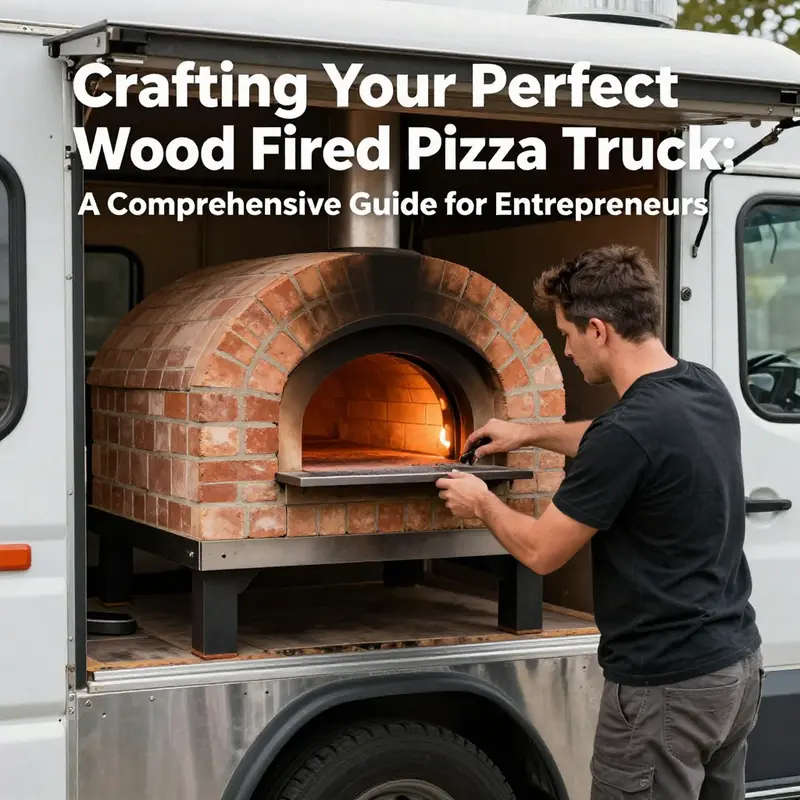
The oven is not merely a piece of equipment in a wood-fired pizza truck; it is the beating heart that gives the business its rhythm, flavor, and mood. In mobile pizzerias, the way the oven is chosen, installed, and integrated with the rest of the kitchen dictates everything from heat consistency to service speed, from safety to branding. The challenge is to balance authenticity with mobility, tradition with regulation, and drama with everyday reliability. When you step back and think of the oven as a performance space rather than a box of bricks, the decisions grow clearer: the oven type, its placement, the ventilation it requires, and how the entire installation interacts with the trailer’s structure all converge to produce pizzas that look, feel, and taste like they came from a stone hearth, even as they roll toward a festival gate or a crowded street corner.
Choosing the right oven begins with acknowledging two distinct paths. A traditional Neapolitan-style brick chamber, domed and forged from refractory bricks, promises the signature smoky aroma and blistered crust that define true wood-fired pies. It excels at reaching temperatures around 900°F, with heat-up times that can range from a brisk five to fifteen minutes, and it delivers pizzas in under two minutes when the oven is fully mature. The alternative is a modern hybrid system tailored for mobility: designed to cut some of the heat-up time, to optimize footprint, and to offer steadier control through a combination of wood and supplemental heat sources. Each configuration carries trade-offs in heat mass, heat retention, and oven footprint. A Neapolitan-style oven rewards those who value authenticity and flavor, while a hybrid approach lends itself to high-volume events and more predictable scheduling. The decision threads through every other choice in the truck, from floor layout to venting strategy, and even into branding, because the oven’s personality shapes customer perception as much as its crust does.
Ventilation and exhaust emerge as the first practical frontier after you settle on an oven type. An open-fire system generates smoke and fumes that must be safely vented outside, and this is not a cosmetic concern. Proper ventilation is essential for air quality inside the truck and for compliance with fire codes and health regulations in multiple jurisdictions. A dedicated exhaust system with ductwork designed for high heat, combined with a suitable hood and fan arrangement, is usually non-negotiable. The installation must be planned to minimize back-drafting and to ensure that heat, smoke, and creosote do not accumulate where staff and customers live and work. In many regions, inspectors will require a reactive maintenance schedule and a clear shutoff procedure for emergencies. The goal is to achieve steady, reliable extraction without creating drafts that rob the oven of its radiant heat or blast smoke toward the serving window. The navigation of these requirements invites a meandering but essential path: talk to local authorities early, study NFPA guidelines for food trucks, and design a venting system that is as robust as the oven itself. If you wish to explore a practical, turnkey path, see how-to-build-a-pizza-food-truck.
A second, equally critical axis is the structural relationship between the oven and the trailer. The oven’s weight and heat output demand a firm, well-distributed foundation within the truck. The floor or a reinforced platform should be engineered to bear the mass without wobble, and it must be anchored so that movement during transit does not compromise the oven’s alignment or the exhaust path. This means a reinforced bed, often integrating heat-resistant base materials and sometimes cross-bracing, so that the oven remains level as the truck negotiates bumps and turns. The installation should account for heat shielding and clearances from walls and combustible materials. Fire-rated barriers, noncombustible supports, and protective enclosures may be required by building and road-safety codes. The goal is not merely to hold the oven steady; it is to shield the surrounding equipment, prevent radiant heat damage to countertops, and provide a safe, humane workspace for the crew. A well-engineered base also helps balance the vehicle’s weight distribution, which, in turn, improves handling on the road and stability at a busy outdoor site.
Maintenance and long-term upkeep are the quiet, continuous work that makes the fiery centerpiece reliable day after day. A wood-fired oven produces creosote and combustion byproducts that can accumulate in flue passages if not inspected and cleaned on a regular basis. Regular maintenance means scheduled inspection of door gaskets, hinges, and brickwork; removal of ash and refractory debris; and periodic flue brushing to prevent creosote buildup, which, if neglected, can compromise fire safety and oven performance. The interior of the oven must be kept clean, with care taken to avoid harsh chemicals or abrasive cleaners that could compromise the mortar or refractory bricks. Staff should be trained not only to manage the day’s fire but also to notice subtle shifts in heat distribution, smoke color, and oven floor temperature. The lifecycle of the installation depends on predictable heat mass, consistent air flow, and a dedicated maintenance rhythm that fits naturally into service schedules. A well-tuned oven sings through a shift, producing pizzas with the same char, the same blistering, and the same aroma that guests expect from a traditional wood-fired experience.
Fuel choice subtly redefines the installation’s character and operational cadence. Wood remains the classic fuel for authenticity and flavor, but it introduces variables: moisture content, seasoning, and the need to manage wood stack and kindling so heat ramps smoothly. A hybrid approach can reduce some of the unpredictability associated with purely wood-fired systems, offering more consistent preheat and a controllable burn while still delivering the wood-fired flavor that customers crave. The choice should align with the business model: a high-volume festival schedule may benefit from a hybrid that preserves flavor while smoothing service tempo; a boutique mobile pizzeria near weekend markets might prefer wood for its drama and aroma as a unique selling point. Regardless of fuel type, the operation demands disciplined practice: a safe ignition ritual, careful monitoring of the fire’s evolution, and a steady supply chain for fuel. Fuel handling, storage, and waste management—ash disposal and spent fuel—must be integrated into the truck’s workflow so they do not interrupt service or compromise sanitation.
With the oven’s type and fuel settled, the installation path leads to a broader conversation about compliance and safety. Regulatory hurdles are rarely glamorous, but they define the legitimacy of the operation. Local fire codes, health department requirements, and vehicle standards shape how the oven is vented, how the exhaust is routed, and how staff access is managed around the fire, both for everyday cooking and for emergencies. An explicit permit pathway may require a fire suppression system compatible with a commercial mobile kitchen, clearly marked shutoffs, and accessible egress for staff. In many jurisdictions, the presence of an open flame in a mobile unit triggers additional requirements, including inspections and periodic renewals. This is not about adding friction; it is about ensuring the highest level of safety for the crew and the public. The NFPA guidelines offer a framework for these expectations, helping to align practical installation with proven safety standards. A thoughtful install considers these rules from the start, reducing the risk of delays during licensing and enabling smoother operations once on site.
As the installation unfolds, the experience of the crew matters just as much as the technical correctness. The oven’s position within the truck should support a flow that is easy to train for and simple to scale. A central or slightly forward placement often yields balanced heat distribution and an open, engaging view for customers, which enhances the drama of the cooking process. The workflow should allow the pizzaiolo to move from prep table to oven to serving window with minimal motion, while the assistant handles dough shaping, toppings, and preheated stones or peels. Ventilation should not feel like an afterthought; it must be integrated into the day’s rhythm so staff can anticipate heat surges, adjust airflow, and keep a comfortable working environment, even in busy moments. The serving window should offer a clear line of sight to the oven, so customers experience the ritual of a pizza being launched into the world with a flourish of steam and smoke. In this sense, the installation becomes a performance space, with the oven as the star and the crew as the supporting cast, delivering a consistent product and a memorable moment for every guest.
One practical thread runs through all these considerations: balancing authenticity with practicality. The pure devotion to a traditional Neapolitan oven can be thrilling, yet it must coexist with the realities of a mobile business. Space is limited, so every inch of the oven’s footprint must be justified by performance gains. A modular glazing or brick configuration may help preserve the look and flavor while creating a more forgiving footprint. A rigid, heat-resistant base reduces vibration and potential misalignment during transport, and a well-planned exhaust path minimizes the risk of smoke lingering in the cabin or around the serving window. The right combination is a careful synthesis of tradition, engineering, and operational discipline. It is this synthesis that gives a mobile pizzeria a genuine edge: a core piece of craftsmanship that travels with the operator, delivering consistent flavor, dramatic cooking, and a credible sense of artisanal craft across every stop.
For those who want a clear map without getting lost in theory, there is value in engaging with existing knowledge and networks. Draw on the wisdom of established professionals who have navigated the same crossroads of flavor, safety, and mobility. While DIY mortarless builds and improvised solutions captivate, the reality is that a fully compliant, commercial-grade installation often requires professional engineering, inspection, and certification. If you pursue a turnkey path, look for suppliers who offer CE-certified mobile oven trailers and comprehensive support, while keeping your brand’s identity at the forefront of the build. Even as you chase speed and efficiency, make room for the sensory identity of wood-fired cooking—the crack of flames, the aroma of smoke, and the visible artistry of a pizza sliding from flame to plate.
As the chapter draws toward its pause between shifts, the oven’s role emerges not just as a heat source but as a platform for storytelling. A well-installed oven invites conversation, with staff able to explain how heat mass, brick composition, and a careful venting strategy work together to produce a crisp crust with a slightly smoky finish. The installation then connects to the broader arc of the truck—its chassis, its material choices, its branding, and its capacity to deliver memorable experiences at scale. The oven’s relentless presence on the workspace floor, its glow at dusk, and the rhythmic cadence of dough, flame, and service co-create a narrative customers carry with them long after the last slice is eaten. The chapter ends not with a conclusion but with a forward glance: the built-in heat of the oven will define the truck’s future upgrades, its evolving service model, and the brand story it carries to every event, every market, and every quiet corner where a line forms and a pie takes its first breath on wheels.
If you are charting this course, remember that the oven’s installation is a living system. It will need adjustment as you learn from early events, as you refine your prep rhythm, and as weather and venue requirements demand adaptation. The path to success is a dialogue between structure and flame, between code and craft, between a delicious crust and the hands that coax it into being. When done with care, the installation becomes a concerted act of craft and logistics—a performance that travels, captivates, and sustains the business through many seasons. The journey from choosing the oven to breathing life into it on the road is where your brand’s authenticity is tested, proven, and ultimately defined by the pizzas you serve and the memories you leave with every guest who tastes a slice hot from the fire. This is the art and science of building a wood-fired heartbeat for a mobile kitchen, a work-in-progress that will flex, endure, and delight long after the first oven glow lights up the night.
External resource: https://www.nfpa.org/Code-Updates-and-Resources/Health-and-Safety-Resources/Food-Truck-Safety-Guidelines
Solid On the Road: Material Choices That Build a Lasting Wood-Fired Pizza Truck
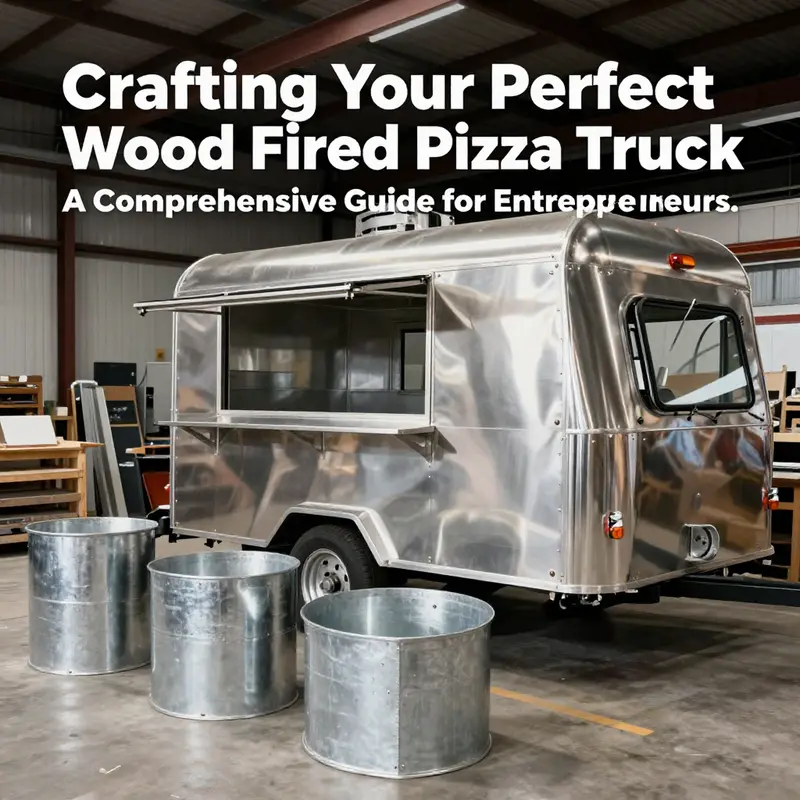
Durability in a wood fired pizza truck is not a luxury; it is a prerequisite. The vehicle lives in the open, endures rapid temperature swings, and endures the daily grind of constant use. The materials you choose become the backbone of reliability, shaping how often you repair, replace, or redesign. This chapter considers the core durable components—the oven, the truck’s frame and interior surfaces, and the flooring—and explains how to balance performance with long-term maintenance. When you begin with the right fabric and finish, you can focus on craft and service, not constant fixes. The oven sits at the heart of the operation, so its material makeup sets the tone for heat retention, cooking consistency, and safety. Refractory brick and fire clay form the traditional core of a masonry style wood-fired oven. Refractory bricks are engineered to withstand sustained temperatures that routinely reach four digits in Fahrenheit, and even higher in certain zones of the oven where heat concentrates. Fire clay augments this system by enhancing heat retention and stabilizing the brickwork under thermal cycling. The goal is a structure that not only survives but thrives under repeated preheat cycles and daily loads. In practice, this means bricks that resist spalling as they undergo rapid cooling when the door opens to greet a passing customer and then absorb a surge of heat as a new batch of dough goes in. In addition to bricks and clay, most commercial designs clothe the oven with a high-temperature resistant stainless steel shell. Stainless steel, especially grades like 304 or 316, offers excellent corrosion resistance, resilience against warping, and the easy cleaning that is essential in a busy kitchen. It protects the outer life of the oven while letting the inner heat do its job. Some modern ovens also nest ceramic fiber insulation inside their walls. This insulation reduces heat loss to the exterior, keeps surface temperatures safer to touch, and helps the oven maintain a stable internal environment. The result is a more predictable cooking experience, with the smoky aroma and charred crust that define the style you are selling. Choosing the right oven materials is not just a matter of heat; it is a question of maintenance. The better the insulation and shell, the fewer times you will need to reach for repair tools. This is especially important in a mobile unit where downtime can mean missing prime service windows. The oven is not a standalone device; it is integrated with the trailer, and its mass changes how weight is distributed. Positioning the oven centrally within the truck helps balance weight, which in turn improves handling on uneven outdoor surfaces and during transit. The center of gravity becomes a practical design detail, aiding ventilation and airflow as the exhaust or draft from the oven interacts with the rest of the kitchen. Material choices for the oven also influence the client experience. The dramatic opening of a brick oven, the glow of interior fire, and the scent of wood smoke all rely on the oven’s surface stability. If the outer shell warps or the mortar cracks, even slightly, heat can become uneven and the pizzas may cook inconsistently. For these reasons, high-temperature mortars and proper mixing ratios matter as much as the bricks themselves. The mortar should be rated for heat and be compatible with both brick and steel components. It should also provide a clean seam line that makes routine cleaning straightforward. While the classic combination of refractory brick, fire clay, and stainless steel endures, today’s operators must also consider modern production realities. Ceramic fiber insulation is a valuable addition when you need to conserve energy and minimize external heat. It acts as a barrier that keeps the external surfaces cooler and the internal air more stable. In a mobile kitchen, that translates into safer handling around the oven and less thermal stress on adjacent equipment and walls. It also reduces the energy required to bring dough to the ideal temperature, enabling quicker preheats and a more efficient cooking cycle. Alongside the oven, the truck’s frame and body are the second pillar of durability. Galvanized steel remains a favorite for the chassis and exterior skins due to its exceptional rust resistance, a critical factor for any unit that may be exposed to rain, sea spray near coastal events, or humid climates. The outer shell often combines galvanized steel with aluminum panels to shed weight without sacrificing structural integrity. Aluminum alloys excel in panels and non-load-bearing components, delivering a lighter footprint that improves towing efficiency and fuel economy. Inside, interior surfaces must meet hygiene and durability demands. Stainless steel is the top choice for countertops, prep surfaces, and splash zones. Its non-porous nature resists staining and bacteria, and it tolerates direct contact with hot pans and sharp utensils. In a high-output kitchen, easy cleaning is not a convenience but a necessity for compliance with food safety standards. When you pair stainless steel with non-porous composites in lower wear zones, you create a resilient interior that withstands daily scrubbing, heat, and humidity. Flooring is another critical durability issue. Non-slip, heat-resistant composite decking provides a forgiving surface that reduces slip risk while standing up to hot pans, gelato-cold spills, or rain slickness. Stainless steel grating is an alternative in areas subject to heavier traffic and heavier loads, though it can be noisier and more challenging to clean in tight corners. The combined effect of all these materials is a kitchen that can endure long service hours, variable weather, and the inevitable bumps of road life. Maintenance schedules should reflect the materials chosen. Stainless steel requires routine cleaning to prevent mineral buildup and to preserve its sheen; for the oven, inspection of mortar joints and brick condition every few months helps catch small cracks before they grow. Insulation layers must be checked for compression or moisture, which can degrade performance and create safety hazards. If your unit travels to coastal areas or regions with salty air, extra attention to corrosion protection around fasteners, hinges, and threaded connections is advisable. Even with stainless steel and galvanized surfaces, the fasteners play a pivotal role in durability. Use corrosion-resistant fasteners and consider protective coatings for exposed screws to extend their life. The balance between durability and weight is a constant conversation in mobile kitchens. Heavier materials deliver longevity but raise the cost and complicate transport. You must weigh the long-term savings of fewer replacements against the upfront investment in premium brick, steel, and insulation. A well-designed truck manages not only heat and wear but also vibration and road demands. The chimney, vents, and seals should be treated as integral parts of the system, not as decorative add-ons. Vibration can loosen grout, joints, and fasteners over time, so selecting robust, easily serviceable components matters as much as the raw materials themselves. In practice, many operators aim for a modular approach. A modular oven kit with a built-in, professionally installed shell reduces the risk of field failures and simplifies maintenance. Modularity also means you can upgrade or replace a worn section without a complete rebuild, extending the life of both oven and trailer as a cohesive unit. The conversation about durability would be incomplete without considering the realities of professional execution. While DIY mortarless approaches or improvised repairs exist in hobby contexts, the commercial sphere demands engineering-grade solutions. The core components should be designed to meet safety and environmental regulations while remaining practical for daily use. In this context, the recommended path often points toward turnkey solutions that integrate a CE-certified, pre-built oven trailer with proper support, ventilation, and inspection access. This reduces the risk of mismatched materials or unsafe heat transfer, giving operators confidence as they set out to serve customers. To connect this material conversation to real-world practice, think of durability as a system property rather than a single component attribute. The oven’s bricks, the frame around it, the interior surfaces, and even the floor all contribute to a single operating envelope. When one part stumbles, the whole kitchen can suffer; when all parts work in harmony, you can produce superior pizzas consistently, night after night, festival after festival. The right material mix also informs the brand story you tell to customers. A robust, well-built kitchen communicates professionalism and reliability, reinforcing a gourmet image as much as it does a practical capability. For operators who want to explore these ideas in action, a documented path is available in the Pizza Truck Experience resource, which captures field-tested insights on how materials translate into performance and customer satisfaction. Pizza Truck Experience. In the end, the investment in thoughtful material choices pays back in fewer disruptions, easier maintenance, and a kitchen that can survive the road. If you plan to run a wood-fired operation across seasons and counties, these durable choices become a foundation you can build on. You will likely find that the combined benefits of heat stability, corrosion resistance, ease of cleaning, and safe handling translate into a smoother workflow, happier staff, and a more attractive customer experience. When you pair durable components with a well-designed workflow and a compliant, modular build, you create a mobile kitchen that feels solid, trusted, and ready to rise to any challenge. External resource: https://www.youtube.com/watch?v=examplepompeiioven
Final thoughts
Building a wood-fired pizza truck is a fulfilling project that marries the art of pizza-making with the entrepreneurial spirit. By following this comprehensive guide that encompasses design, component selection, oven installation, and the intelligence to choose enduring materials, you are setting the stage for a thriving mobile pizza business. As you embark on this journey, remember that each decision—from the layout to the types of materials you use—will contribute to your truck’s performance and the overall customer experience. Combine your passion for quality pizza with smart business strategies, and you’ll be ready to serve up success.