
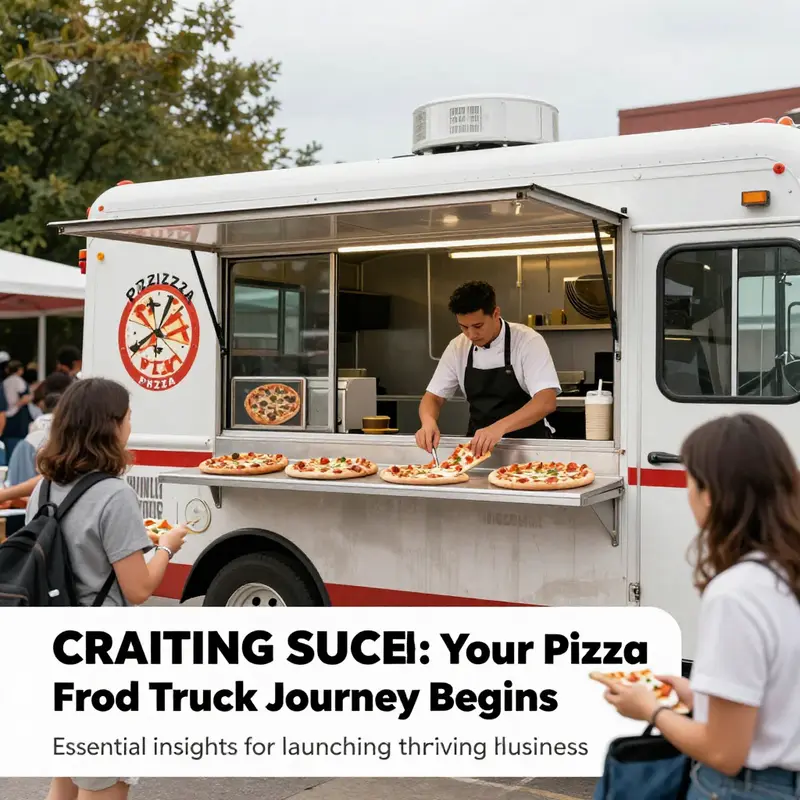
The pizza food truck business has taken the culinary world by storm, attracting aspiring entrepreneurs and seasoned chefs alike. With their ability to serve high-quality, fast-delivered meals, pizza trucks tap into a growing demand for gourmet street food. However, the journey to operating a pizza food truck goes beyond just the irresistible aroma of freshly baked pizza; it encompasses strategic decisions about your truck type, necessary equipment, legal requirements, and marketing strategies. This article provides a detailed exploration of these critical aspects to empower business owners in their quest to establish a successful pizza food truck operation.
Gearing Up for the Road: Choosing the Right Pizza Truck to Kickstart Your Mobile Kitchen
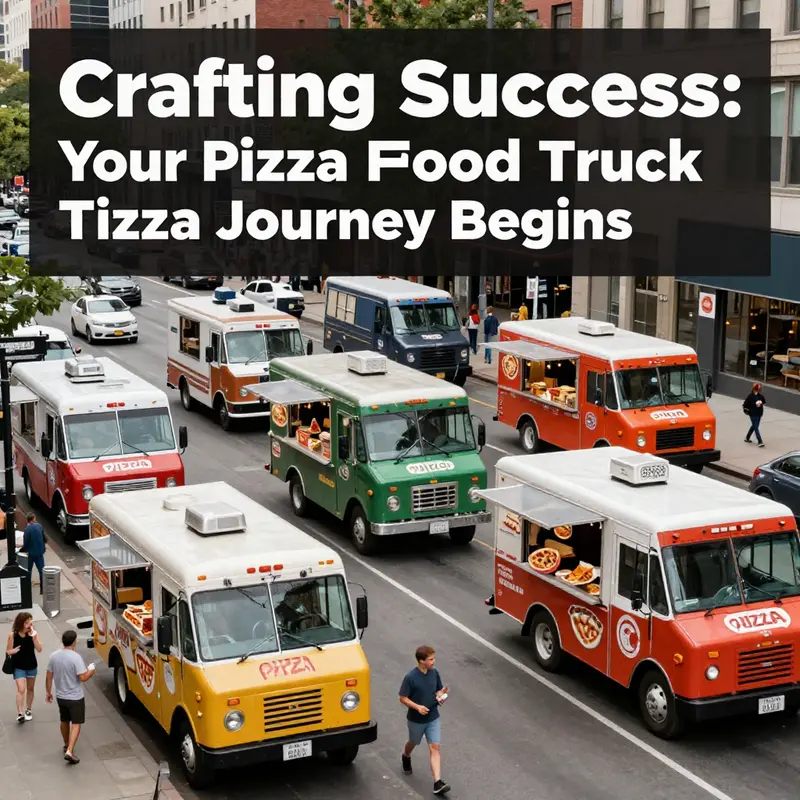
Launching a pizza on wheels starts long before the first dough is tossed. The vehicle you choose becomes the backbone of your operation, shaping every practical decision from menu scope to city approvals. The truck is not just a mode of transport; it is your first kitchen, your selling floor, and a moving billboard for your brand. A thoughtful choice balances the ambition of your menu with the realities of space, regulations, and daily rhythms on the street. In this sense, selecting the right truck is less about chasing the flashiest van or the largest oven and more about aligning your culinary vision with the terrain you plan to conquer. You may dream of a wood fired, flame kissing crusts that snap in under a minute, or you may settle for a precise gas oven that loves repeatable outputs across a dozen markets in a week. Either path works if the truck matches your tempo, not just your taste. The core question is practical: where will you operate, how much volume can you sustain, and what constraints will you manage on the move?
The landscape of options reads like a menu in which every choice carries a cost, a footprint, and a distinct operating vibe. Three wheeled Ape types are compact marathons in urban form. They thrive where parking is scarce, where navigating tight alleys and crowded sidewalks feels like second nature. Their charm lies in nimbleness and the ability to tuck into curb spaces that larger rigs cannot reach. However, space is the currency of throughput. A three wheeler trades volume for maneuverability, meaning you may greet shorter service windows or smaller ingredient stocks. If your initial plan centers on intimate pop ups, farmer markets, or neighborhood street corners, a nimble Ape or small van could be the most prudent launch pad. You can develop a winning routine around a tight footprint, then scale when your concept proves itself in the markets you care about.
Moving up the ladder, vans offer a balanced blend of urban mobility and practical capacity. They are flexible enough to slide into standard parking spots while still carrying a respectable kitchen backbone. Vans tend to require fewer licensing hurdles in many places, and their lower profile makes it easy to pass through dense downtown scenes. The tradeoff is space. A van can accommodate a solid prep zone, a compact pizza oven, and essential refrigeration, but you will still face limits on batch sizes during peak hours. If your plan includes frequent event work, unpredictable crowd sizes, or a mix of street corners and small festivals, a well designed van can be your anchor vehicle. It acts as a reliable platform for a diverse schedule while keeping day to day operations lean and manageable. The goal here is not simply removing friction but ensuring you can deliver the same consistent pizza experience across shifts, markets, and weather without feeling hemmed in by the space you have to work with.
For markets with room to stretch, full sized mobile kitchens command attention and capacity. These rigs are the closest cousins to a brick and mortar kitchen on wheels. They typically boast larger prep areas, more robust refrigeration, and ovens that can deliver high throughput. A full sized truck or trailer setup permits more ambitious menus, higher sales velocity, and the potential for longer event days. The flip side is the commitment: greater initial investment, higher ongoing maintenance, and the need for a steadier route plan. Navigation through crowded urban cores becomes more complex, and the towing logic for a trailer introduces another layer of discipline. Yet for chefs who want to push a more elaborate menu, test multiple doughs, or backbone a high-volume festival circuit, this class of truck can be a fast track to a consistent, scalable business. The content here is not a prescription that one form is universally superior; instead, it invites you to map your culinary ambitions against the rhythm of your chosen markets and the realities of your budget.
A further option in this spectrum is the trailer, which offers flexibility at events and often a lower upfront barrier than a full truck. Trailers can be hitched to a reliable van or truck, then unhitched on site, leveled, and connected to utilities. The advantage of a trailer lies in modularity: you can swap shows, retool your layout for different venues, or scale in and out with relative ease. The caveats are practical: you must secure a capable towing vehicle, and you will rely on a level space with sufficient utilities at each venue. In addition, licensing and regulatory compliance need careful attention, as some jurisdictions treat trailers differently from self-contained units. If your plan emphasizes flexibility—event calendars that swing from street fairs to corporate gigs—a trailer could be the best instrument to compose a varied, resilient schedule.
Across all formats, the heart of pizza service remains the oven. The oven is the engine that defines your tempo and your customer experience. A high temperature unit capable of reaching 800°F (427°C) or more is not a luxury; it is a requirement for true Neapolitan or similar fast-fire style outputs. Gas powered ovens tend to balance heat reliability, stone stability, and power efficiency, while wood fired units offer a distinctive flavor profile but demand more space, maintenance, and ventilation discipline. The choice of oven drives several critical outcomes: heat up time, dough hydration compatibility, throughput of pies per hour, and the number of staff needed on the line. A well instrumented kitchen on wheels can turn a dollar quickly, but it must also maintain safety and sanitation standards under the variable conditions of street service. Regular maintenance is non negotiable. This means calendar reminders for ash removal, chimney checks, and professional inspections to ensure venting remains free of obstructions and the fire system remains within safe thresholds. The capacity of the oven to recover after multiple pies is a lever that can swing weekends from good to great, so attention to this detail is essential from day one.
Even with the oven settled, other systems shape the daily tempo: refrigeration for perishables, a dependable water and waste handling system, a clean and efficient prep counter, and a robust point of sale setup that can withstand the hustle of a curbside line. The water system is more than a hygiene requirement; it underwrites dough mixing, sauce preparation, and dish cleanliness. Waste handling is a management discipline as much as a sanitation one, affecting everything from footprint planning to neighborhood relations. A well designed layout reduces motion, speeds assembly, and protects the product. In the end, the best truck is not always the largest or the most expensive; it is the one that aligns a practical kitchen plan with your service model and your location strategy. A compact kitchen that can deliver a steady stream of hot pies in a dense urban market can outperform a larger truck that struggles to park or manage queues.
Budget reality is never far from the decision. The spectrum ranges from a lean starter option to a fully loaded mobile kitchen. A budget option, such as a simple trailer or compact truck with essential gear, may fall in the lower thousands, while mid-range builds offer more robust equipment and a larger work area. High end configurations can reach six figures when a designer’s touch, premium materials, and top tier engineering come together. Your path should begin with a clear view of the daily volume you expect, the markets you intend to serve, and the reliability you demand from your equipment. It is also wise to reserve funds for permits, insurance, and initial branding. These are the underpinnings that will keep you compliant and protected as you roll into your first markets. As you weigh the options, consider how the truck will integrate with your broader plan: how you will promote your locations, how you will schedule events, and how you will sustain quality across a busy week. The right truck is a partner in service, not merely a vehicle, and its value grows as it becomes more integrated with operations rather than merely being a mobile kitchen on wheels.
If you are curious about turning a practical build into a step by step journey, there is a practical resource that walks you through the process of building a pizza food truck, from layout to finishing touches. This guide offers actionable considerations for optimizing space, choosing equipment, and ensuring you meet regulatory demands while staying within budget. You can explore it here in the form of a focused guide: how to build a pizza food truck. As you read, keep a mental map of how each decision connects to the markets you plan to serve. Urban cores demand quick turnover and compact, efficient lines; multi day festivals reward capacity and a signature experience; corporate events favor predictable service and a polished, reliable system. The best truck is the one that enables you to deliver high quality pizza with speed and consistency, regardless of the venue, while keeping the operation nimble enough to pivot between markets as opportunities arise.
With these realities in view, the final determination about your truck type should emerge from a simple prioritization exercise: what is your target market, what volumes do you expect, and what constraints will you manage daily? If the aim is rapid city service with tight parking and frequent pop ups, a nimble three wheeler or small van can yield quicker returns. If you anticipate steady festival work and a willingness to travel, a full sized unit offers the capacity and presence that can define your brand. If the business plan emphasizes flexibility and repeated engagements at varying venues, a trailer provides modularity without locking you into a fixed footprint. The opportunity exists to tailor a hybrid approach as you grow—perhaps starting with a smaller rig to prove the concept, then expanding into a larger, more capable truck as demand and route density increase.
Finally, the journey to a thriving mobile pizza business is not only about grit and appetite. It is about a methodical approach to choosing the right tool for the job. It requires diligence in understanding the regulatory landscape, a practical model of your daily workflow, and a clear budget that respects the realities of ongoing maintenance and insurance. It also benefits from a willingness to lean on established best practices and to learn from others who have walked the same road. In the end, your truck should feel like a natural extension of your kitchen, a place where skilled hands translate dough into delight as swiftly as the wheels carry you toward the next stop. For readers seeking a broader framework on the technical specifications and compliance that guide mobile kitchens, the comprehensive guide from a respected industry resource remains a reliable compass for 2026 and beyond: https://www.foodtrucks.com/mobile-food-truck-guide/technical-specifications-and-compliance. The combination of thoughtful truck choice, disciplined operations, and a sustainable plan for growth creates the foundation for a pizza business that travels well and endures.
Fueling Flavor on Wheels: The Essential Equipment Behind a Thriving Pizza Food Truck
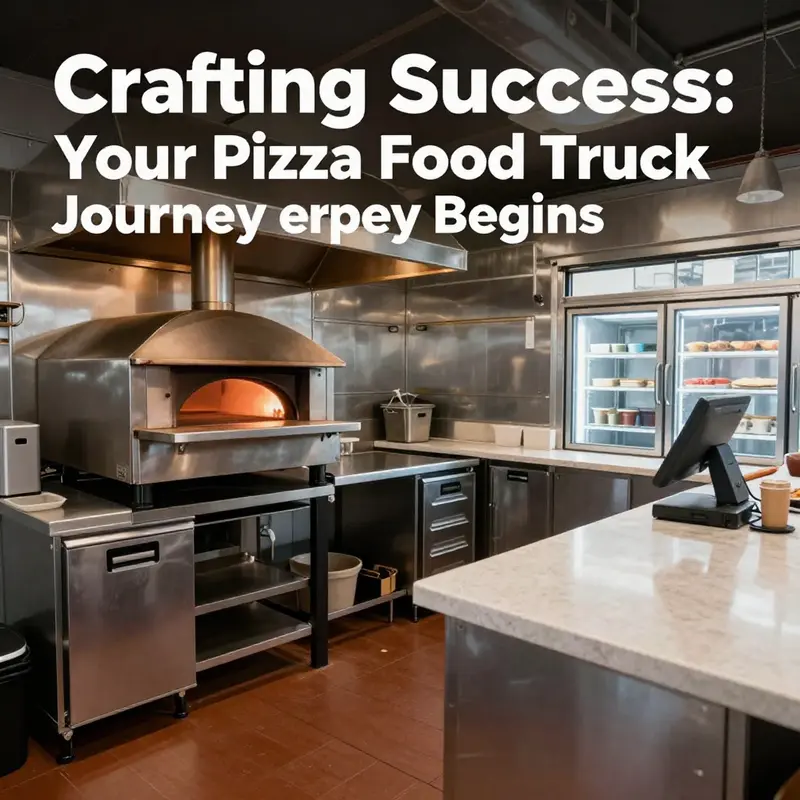
The aroma of hot, bubbling sauce and melting cheese drifting from a moving kitchen is more than a scent; it’s a signal to customers that something beloved is happening on wheels. In a pizza food truck, equipment isn’t just a list of appliances; it’s the choreography that turns dough into consistent, crave-worthy pies under varying streetlights and weather. The core of this mobile operation is the cooking heart, but the entire system—refrigeration, prep surfaces, sanitation, ventilation, and safety—must work in harmony to deliver fast, fresh pizza while staying compliant, efficient, and durable over countless service days. When a truck pulls away from the curb, what remains visible is the window, the sizzle, the smile of the staff, and the quiet confidence that the right toolkit is powering every slice. To understand what makes a pizza truck consistently reliable, one must start with the oven as the anchor and then map the supporting cast around it with a focus on workflow, safety, and sustainability.
The oven is the heartbeat of any pizza truck, and its configuration sets the pace for the entire day. Wood-fired ovens evoke a flavor and crust texture that many pizzaiolos prize for authenticity. They produce a distinct blister and a crisp, airy bite that is hard to replicate with other heat sources. Yet wood-fired systems bring regulatory complexities, particularly around open combustion, smoke management, and emissions. In a city lot or festival field, even a well-tended firebox can demand careful venting and clearances to ensure that nearby surfaces and air intakes don’t absorb smoke or heat. Operators who lean toward wood-fired pizza must also accommodate fuel logistics, ash handling, and the periodic maintenance that keeps a wood-fired oven performing at peak temperature and consistency. The benefit, however, can be a signature crust and a performance that draws a crowd, turning an ordinary street corner into a destination.
Gas and electric ovens offer a counterpoint that prioritizes control, predictability, and regulatory ease. Gas-fired ovens deliver high heat with rapid recovery between pies, which translates into consistent bake times even during busy rushes. They typically require less space for venting than wood-fired models and can be easier to license and insulate within a mobile footprint. Electric ovens, especially when paired with robust power supplies, provide precise temperature control and straightforward maintenance. They can be preferred when regulations favor closed systems or when the operator values consistent repeatability over a certain flavor profile. The choice among wood, gas, or electric should flow from a broader plan: the target crust style, the anticipated service cadence, and the constraints of the vehicle’s size and electrical capacity. In all cases, the oven needs to reach temperatures well into the high hundreds of degrees, commonly up to 800°F (427°C), to properly develop crust structure, color, and chew. The higher the temperature, the faster the pizza bakes, and the more space is needed around the oven to keep operations safe and food-safe.
Behind the oven, the rest of the cooking environment must be designed to maximize speed without sacrificing quality. A commercial-grade refrigerator and freezer are not luxuries but necessities for maintaining ingredients at safe temperatures and for stock control. Perishables like mozzarella, toppings, and dough bases should be kept at calibrated temperatures to reduce risk and waste. Large-capacity prep tables provide the necessary surface area for dough handling, stretching, sauce application, and topping assembly. In a mobile kitchen, counter space is a precious resource, so the layout should minimize movement while enabling two or three teammates to work in close proximity without crowding. A reliable sink with hot and cold water is non-negotiable for sanitation and for washing hands, utensils, and equipment between tasks. A practical approach is to separate areas for dough handling, mise en place, and finished pies, with a clean line of sight from the oven to the service window to streamline the flow. Waste disposal and water supply systems must be integrated into the truck’s infrastructure so that cleanup can occur rapidly between orders and during slower lulls.
Ventilation and safety are the invisible guards that keep a mobile kitchen compliant and hospitable. An exhaust system tailored to the oven configuration helps manage heat, smoke, and steam, ensuring that the cooking zone remains comfortable for workers and that the vehicle remains within environmental and health codes. The exhaust arrangement should be robust enough to handle peak cooking loads, with ducts and hoods sized for the oven’s output. Fire suppression systems, typically required by insurers and local regulations, provide critical protection in the event of a flare or flare-up. These systems are designed to work with both the cooking equipment and the structure of the truck, ensuring that any fire can be contained quickly without compromising the integrity of the vehicle or the safety of staff. In addition to suppression, regular inspections and maintenance of the venting and protection systems help preserve both compliance and peace of mind. For operators, part of the ongoing planning is understanding that safety isn’t a one-time install; it’s an ongoing discipline that includes staff training, routine checks, and a culture of cleanliness and hazard awareness.
The march toward efficiency in a pizza truck also travels through energy use and maintenance. Modern components that emphasize energy efficiency help reduce operating costs and environmental impact, which matters not only for the bottom line but also for customer perception and permit compliance. An energy-conscious setup may involve insulated doors on cold storage, energy-efficient motors for refrigeration fans, and well-sealed prep surfaces that minimize heat loss during the peak hours of service. However, efficient equipment still requires regular attention. Oil changes, filter replacements, and periodic calibration of ovens and refrigeration units are essential to keep performance steady and predictable. Maintenance routines should be embedded into daily checklists so that nothing falls through the cracks during a busy weekend. Regular preventive care can extend the life of appliances, preserving the truck’s value and reducing the risk of sudden outages that disrupt service. Weight balance and space management are also part of efficiency. Heavy appliances should be placed to preserve stability, enable safe movement of staff, and ensure that the truck handles well on the road and during quick turns at crowded events.
The configuration of equipment is inseparable from the dough and topping workflow that turn a dough ball into a finished pie. The prep area must accommodate the sequence of tasks in a way that minimizes movement and avoids cross-contamination. A large-capacity prep table is not just about surface area; it’s about a logical arrangement of toppings, sauces, and seasonings that aligns with the oven’s output pace. When a pie comes out of the oven, staff should have a clear, rapid path to a cutting board or pie stand and then to the service window. Cold storage and dry storage must be organized to minimize trips back to the main cooler during a busy service, preventing bottlenecks that slow down the line and raise the risk of mistakes. Even the small choices—how to stack pizza peels, where to mount a cutting board, or how to route a water line—contribute to a smoother service and a higher-quality product. These decisions, made in advance, define a kitchen culture that is clean, fast, and calm under pressure.
The investment decision around equipment is not just about price; it is about future flexibility and risk management. A budget-focused setup can be adequate for a cautious test market, with a smaller footprint and essential capabilities that cover the basics: a heating element capable of reaching high temperatures, reliable cold storage, and a sanitation-ready sink. A mid-range configuration expands the toolkit with larger or more specialized workspaces, better insulation, and sturdier construction that can withstand daily wear. A high-end setup, often seen in established operations, combines premium materials, sophisticated airflow, and advanced control systems that optimize oven performance, energy usage, and maintenance predictability. The numbers can vary widely—from a modest entry point to a broader investment—so the decision should hinge on market demands, growth plans, and the appetite for long-term operating efficiency rather than a single-season thrill. The right combination is one that makes the team feel confident in the kitchen, speeds throughput during peak times, and keeps the product consistent across dozens or hundreds of service days.
As you weigh the equipment package, consider the broader path you’re taking. The quest for a successful pizza truck is not just about assembling the best-scoring set of appliances; it’s about designing a system that can adapt to events, locations, and evolving customer tastes. If you’re curious about the broader process of building a pizza truck, you can explore more on how to build a pizza food truck. That resource can provide a sense of how equipment decisions fit into a larger build plan, from chassis compatibility to electrical load calculations and safety code compliance.
In any case, the essential equipment you choose will steer the brand you present to customers. It influences crust texture, topping temperature, and the speed at which you can turn raw ingredients into a finished product. It also frames your risk profile, from insurance requirements to inspection readiness. A capable oven paired with solid refrigeration, clean prep surfaces, and reliable sanitation will come to symbolize quality in the eyes of guests who judge with taste and tempo. A well-choreographed kitchen on wheels invites repeat business because it delivers a dependable experience: hot pies with crisp edges, fresh toppings, and a clean, efficient service that respects the crowd’s time.
The equipment story does not end with selection. It extends into operations, where routine checks, staff training, and ongoing optimization ensure that the initial investment yields durable returns. A well-stocked truck with thoughtful layout and clear workflows reduces the chance of bottlenecks, improvisation under pressure, or miscommunications at the window. It’s the quiet discipline—the daily rituals of safeguarding food safety, maintaining cold chains, and keeping the oven bay clean—that sustains success beyond the flash of a busy Saturday. In the end, equipment is less a collection of tools and more a system of habits that empower people to cook great pizza for a moving audience. The right setup makes flavor travel with the truck, and that travel is what builds a loyal following on street corners, festival grounds, and office parks alike.
External resource for broader context on equipment and operations can provide additional angles on budgeting and planning: https://www.foodtruckinsider.com/pizza-food-truck-equipment-guide
Wheels, Permits, and Pies: Navigating the Legal Roadmap of a Pizza Food Truck
A pizza on wheels is an invitation to possibility, a way to bring hot, fragrant slices to people where they work, play, and gather. But the road to a thriving mobile pizzeria is paved with rules as concrete as a well-kneaded dough. The first bite is the dream—the ovens hum, the crusts blister just right, the line grows steady. The second bite is the discipline that keeps the dream alive: permits, licenses, insurance, and a shifting map of local regulations. Treat this not as a checklist to endure, but as a framework that makes your pizza truck safer, more reliable, and able to weather the inevitable changes in any town or city. Legal readiness should be seen as a core ingredient, not a roadblock. With it, your concept becomes sustainable, scalable, and truly portable, able to follow the sun from weekend markets to weekday office parks, and beyond. The path begins with clarity about what your truck is allowed to do, where it can operate, and how it will handle the business and labor realities of mobile cooking. From there, every pizza you serve carries not only warmth but a story of compliant preparation, responsible employment, and transparent responsibility to customers and neighbors alike. This is the heart of turning a delicious idea into a durable business that respects the rules while feeding communities on the move.
The legal landscape for a pizza food truck is a layered panorama. It starts with the most fundamental step: establishing your business on solid ground. A business license is not a distraction from cooking; it is the doorway through which you can operate legally, open a bank account, and manage taxes. In parallel, you will encounter the mobile food vendor permit, a document that recognizes the mobile nature of your operation and grants permission to sell food in designated spaces, at certain times, and under specific conditions. These permits are not abstract. They tie you to health codes, sanitation standards, and safety expectations that protect customers, your employees, and your reputation. In many jurisdictions, you will also need a food handler’s certificate or similar credential, ensuring that anyone handling food has demonstrated core safety practices. This often involves a short but essential exam covering cross-contamination, storage temperatures, and personal hygiene. These credentials are more than bureaucratic hurdles; they are assurances to the people who buy your pies that their meals meet a basic standard of safety. The health department will want to see your truck laid out for inspection before you can ply your trade. An on-site or plan-based inspection checks your plumbing, waste disposal, refrigeration, and the cleanability of every surface. You will be asked to demonstrate how you maintain cold chain, manage hot surfaces, and properly segregate raw from cooked ingredients. The inspection is not a one-time ritual. It marks the beginning of a relationship with an authority that will revisit standards as your menu evolves or as regulations shift with new public health guidance. Consequences for non-compliance are not hypothetical: fines, orders to halt operations, or even shutdowns can occur if you neglect these duties. This is the gravity and sanity check of the pizza truck: the rules exist to protect people and to ensure the market remains fair and safe for everyone who participates in the experience of mobile food.
Insurance is the practical armor that underpins every risk the road can throw at you. General liability insurance protects you from claims of property damage or personal injury that could arise from the operation of the truck, a spill, a slip, or a customer injury in line. Workers’ compensation is required if you hire staff and covers medical costs and lost wages if an employee is injured on the job. A comprehensive policy for a food truck also requires commercial auto insurance, because a vehicle used for business has different exposure than a private car. Personal auto policies typically don’t cover business use, and a gap can be catastrophic if a claim arises while you’re selling pizzas at a festival or a busy plaza. These coverages may seem abstract until you face a lawsuit, a damaged oven, or a lost revenue day due to a breakdown. Insurance is not a luxury; it’s a risk management discipline that protects your assets, your customers, and your team, and it often influences the terms you can secure with lenders or investors when you scale.
Beyond licensing and insurance, zoning and parking regulations shape where your cart or truck can physically operate. Many cities regulate food trucks to balance the interests of brick-and-mortar restaurants with the appetite for portable dining. Some municipalities prohibit operation within a certain distance of stationary eateries, while others designate specific zones or event spaces where mobile vendors can set up shop. Time limits are common, as are limits on the number of consecutive days you can stay in one location. Your ability to adapt to these constraints becomes part of your strategic planning. It may mean choosing locations with predictable foot traffic, building relationships with event organizers, or understanding the cadence of local markets so you can schedule shifts to align with the rules. Compliance with zoning is not only about avoiding fines; it’s about sustaining your presence in places where your customers live and work. When you build a routine around permitted sites, you reduce the risk of last-minute relocations and keep your supply chain and crew aligned with a known schedule.
Operating at events introduces another layer of permits and collaboration. Festivals and fairs often require additional permissions and coordination with organizers. These can include temporary food service permits, vendor registration, and proof of insurance tailored to the event’s requirements. Working events expands your brand reach and helps you reach new customers, but it also tests your capacity to stay compliant across multiple jurisdictions, each with its own health and safety expectations. It is essential to plan for a clear chain of authority in your team: who ensures compliance at a crowded site, who handles payment processing in the hustle, and who manages waste in a space that might be short on facilities. The beauty of events lies in the energy and the lines of people who sample a slice and share a moment of delight, but the logistical demands must be met with equal care and forethought.
The tax landscape for a pizza truck is another dimension of complexity that must be anticipated, not ignored. You will need to collect and remit sales tax on all food and beverage sales in most jurisdictions. You should also keep precise records for income tax reporting, and if you hire staff, payroll taxes and workers’ compensation considerations come into play. The practical outcome of robust tax handling is not merely compliance; it is financial clarity. Clear records of sales, expenses, and wages let you see the true profitability of each location and event, guide pricing decisions, and illuminate opportunities for optimization. Small missteps in tax compliance can compound into penalties and interest, undermining margins in a business that relies on slim daily profits or a handful of peak hours. Treat tax obligations as part of the operating rhythm—monthly reconciliations, routine reporting, and a mindful approach to receipts and invoices—so that your cash flow remains predictable and you can reinvest in better equipment or more frequent pop-ups.
Staying informed is not a one-time task but a continuing practice. Regulations shift as labor laws evolve, safety standards tighten, or new health guidelines emerge. The best operators allocate regular time for compliance reviews, engage with a trusted advisor or attorney who understands local food service regulations, and maintain a living file of permits, licenses, and renewal deadlines. Even when regulations appear rigid, a proactive stance often reveals ways to remain agile—short-term permits for special events, temporary waivers that apply to certain zones, or scalable insurance solutions that grow with your business. The core habit is simple: treat compliance as a core operational discipline, not a seasonal chore. Your customers will notice, your team will work with confidence, and your future growth will be smoother when every piece of paperwork sings in harmony with your daily cooking.
To keep the discussion grounded in practical, location-aware steps, you can refer to a location-specific checklist that outlines the exact permits and renewals you’ll face as your truck hits different neighborhoods. For a practical, location-specific checklist, see the legal steps for launching a food truck. This resource helps you translate general requirements into concrete actions you can track over time, ensuring you never miss a renewal window or a new regulation that could affect your route or menu. As you plan your route and refine your menu, keep this dynamic map handy and share it with your team so everyone understands how compliance threads through daily operations rather than appearing as a separate burden. The vehicle you love, the pies you bake, and the people who line up for seconds all benefit when compliance becomes part of your story rather than a postscript. And because the landscape shifts with time, you should also consult broader regulatory reflections from credible international sources to gain perspective on how regulations evolve in different regions. An external resource offers a wider view of food safety, labor standards, and business formalities that inform local practice and help you anticipate changes before they arrive in your city.
In sum, the legal framework for a pizza food truck is not a barrier to creativity; it is the scaffolding that lets you build a reliable, scalable, and beloved business. When you secure the right licenses, obtain appropriate insurance, comply with zoning and event requirements, and manage taxes with discipline, you create a stable platform from which delicious pizzas can travel. Your truck becomes not just a mobile kitchen but a responsible, durable business that respects the communities it serves and the laws that protect them. The dough rises as you align operations with obligations, and the aroma of fresh slices reinforces the confidence of customers and regulators alike. With deliberate planning and ongoing attention to regulatory detail, your pizza food truck can move from a bold idea to a trusted, everyday staple that travels far and feeds many.
External regulatory context can inform how you approach compliance in different markets and help you foresee changes that could affect your long-term planning. For broader regulatory insights, see the external resource: https://www.foodanddrinkeurope.com/
Brand on Wheels: Marketing Your Pizza Food Truck to Build a Local Following
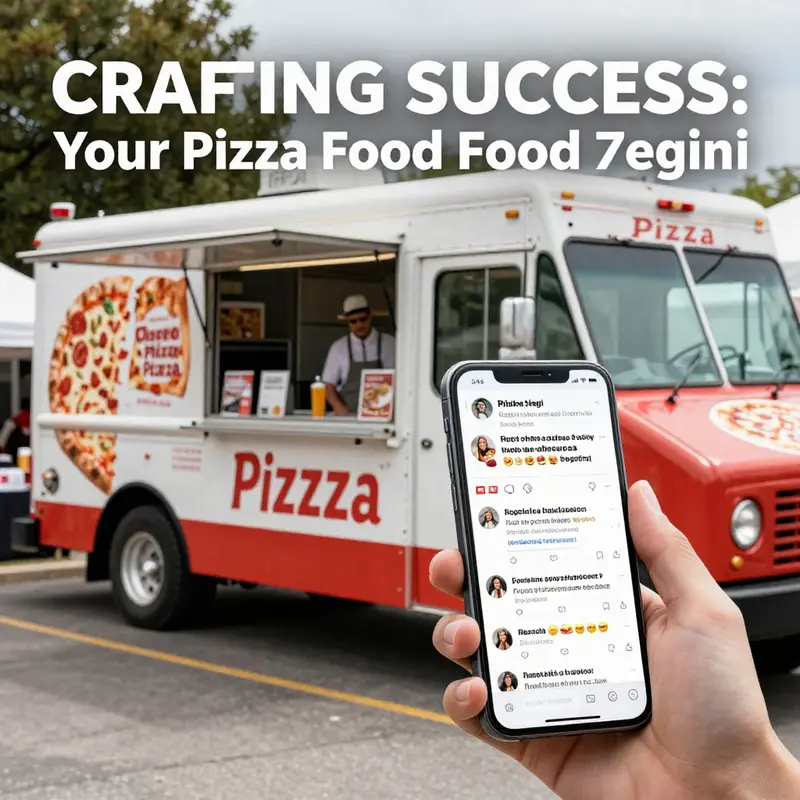
Marketing a pizza food truck is not an afterthought. It begins the moment you decide the oven will roar through your town at dawn and dusk. Your truck is a portable restaurant, a rolling stage where scent, color, and personality converge. The best marketing is less about flashy tactics and more about consistent presence, a clear promise, and a story people want to tell their friends. The pedestrians who catch a whiff of fresh dough, the commuters who glimpse your colorful branding as they pass a cluster of food trucks, and the festival goers who post a Hungry-Mn photo of your marquee all become part of a living feedback loop. In this landscape, every location update, every post, and every interaction compounds into a familiar routine: you show up, you serve, you listen, you refine. The goal is not merely to attract first-timers but to cultivate repeat customers who crave your signature slice as reliably as the aroma that announces your arrival.
A strong online presence is the foundation of that routine. Start with a website that tells your story—why you started, what makes your pies special, and where you plan to roll next. The site should feel like a microtrailer of your day-to-day life, featuring a simple menu, high-quality photos, and clear contact information for event inquiries. Then translate that story to social media where your truck can live beyond its physical location. An active presence on Instagram, Facebook, and TikTok lets you share signature pies, behind-the-scenes moments in the kitchen, and real customers who became ambassadors. The content should be tactile and immediate: a cheese pull captured at the height of a bake, a time-lapse of dough proofing, a quick clip of a supervisor calling the order queue as the line grows. Each post builds a sense of anticipation and credibility. Use geotags and location-based hashtags to surface your updates to neighbors who may be wandering the same street corners or office parks. Local discovery thrives on proximity; your tags are the map that leads new faces to your steam and steam-warmed crust.
The branding you carry in the digital space should mirror the branding on the truck itself. Vibrant colors, a bold logo, and a consistent voice in captions create a cohesive impression that people begin to recognize within seconds of scrolling. Your posts should feel like a natural extension of the first moment someone sees your truck, not a separate advertisement that jars with the experience. A local follower who sees a post about a midnight slice will expect the same quality and personality when they finally reach you at the curb. Put a premium on storytelling: your dough is aged with patience, your sauce is a careful recipe born of centuries of Italian technique, and your oven—that roaring centerpiece—carries the heat and the drama of a hearth that traveled with you. When you tell that story consistently, you cultivate trust, and trust becomes loyalty.
For a living, breathing example of how these principles sound in practice, consider the Pizza Truck Experience. It’s not a static guide but a lens into how a mobile kitchen translates branding into action on the street. See the way the team choreographs a queue, the way the menu board shifts to highlight a daily special, and the way the camera captures the glow of a wood-fired crust as it leaves the oven. That real-world dynamic is the core of your marketing: it isn’t just about selling a pizza; it’s about inviting people into a moment they associate with warmth, community, and a meal that feels personal. If you want a deeper sense of how a well-marketed mobile kitchen operates, this experience offers insight into the rhythm of a rolling pizzeria and the way branding, menu, and service intertwine to form a recognizable pattern that locals begin to anticipate.
Beyond visuals, your growth hinges on how you invite customers to engage and return. A well-tuned digital advertising approach can help you extend your reach beyond your immediate neighborhood. Rather than blasting broad messages, craft targeted campaigns that speak to people within a specific radius who have shown interest in comfort food, artisanal cooking, or late-night bites. Short, expressive videos and photo carousels that showcase the sizzle of crust, the color of toppings, and the steam rising from a freshly plated slice can spark curiosity and drive traffic when paired with time-bound promotions. A five- or ten-dollar discount for online ordering during a slow weekday can turn a quiet stretch into a steady heartbeat for your business. The aim is to convert online curiosity into physical foot traffic and, eventually, into repeat visits.
In the bricks-and-mortar world of pizza trucks, community connections often yield the strongest and most sustainable returns. Participate in local events, farmers’ markets, street festivals, and even workplace “lunch-and-feel” pop-ups. These appearances let people sample your wares without committing to a full dinner, creating a low-friction first impression. When you attend events, go with a little extra: a tasting menu, a limited-time collaboration item, or a discount for hitting your stand after a long day. Special menu items at events can become talked-about experiences that travel through word of mouth long after the event is over. A well-timed cross-promotion with nearby breweries or coffee shops can extend your reach without a steep cost. A joint loyalty program, where customers earn points at both venues, encourages cross-traffic and builds a broader sense of community around your brand.
No marketing plan is complete without a strategy for reviews and ongoing feedback. Encourage satisfied customers to leave reviews on Google and Yelp, and make a point of responding to every rating with gratitude, curiosity, and a willingness to fix issues. A thoughtful response to criticism can turn a one-star experience into an opportunity to demonstrate your commitment to quality and service. Reviews boost your search visibility and establish credibility with potential diners who rely on others’ opinions before choosing a truck they’ve never seen. In practice, this means inviting reviews at the counter with a simple, friendly prompt, and sharing some of the best feedback on your channels. A transparent approach to feedback also gives you a steady stream of ideas for menu refinement, service flow, and even branding tweaks that keep your concept fresh without losing its core identity.
While pricing and menu innovation attract first visits, loyalty programs are what sustain growth. A simple system that rewards repeat purchases can dramatically increase lifetime value. Consider a stamp card, a digital version, or a text-based program that alerts customers to pre-order windows and exclusive offers. The more you automate convenience, the less friction there is to return. A pre-order option, whether via a mobile app or a short text-to-order setup, can cut wait times and create a reliable rhythm that customers come to expect. When customers know they can secure their pizza with a few taps or a quick text, they feel seen and respected, and they are more likely to return during a busy week rather than seek a substitute. As with any strong branding effort, the objective is to make the customer experience feel effortless, friendly, and consistently excellent.
Perhaps most essential is the discipline of consistency in branding across every touchpoint. Your truck’s design should be unmistakable in the field and in photos. Packaging should reflect the same color story and typography used on your signage and social posts. The texture of your boxes, the font you choose for your menu, and the way the crust is sliced all contribute to a cohesive sensory memory. The goal is to evoke familiarity with each encounter, so returning customers feel a sense of home when they find your stand at a street corner or a campus quad. In time, that sense of home becomes a social signal worth sharing—friends recommending the truck to friends because the experience is reliably excellent, and because the brand exudes warmth and personality as it rolls through town.
A practical piece of advice ties all these threads together: build a lightweight content calendar that doesn’t require you to post a novella every day. Plan a few recurring pillars—signature pies, behind-the-scenes moments, a customer spotlight, and a weekly location tease. Schedule posts around live locations so your online audience can meet you where you are. The beauty of a mobile business is that your content can evolve with your routes; every new neighborhood becomes a storytelling opportunity, every event becomes a feature in your feed, and every positive review becomes social proof you can amplify through your channels. In this way, marketing becomes not a separate function but an ongoing dialogue between your kitchen, your community, and the roads you travel.
To see how a disciplined, experience-driven approach translates into real-world outcomes, explore the Pizza Truck Experience as a case study in action. It offers a window into the dynamic between branding, menu storytelling, and the practicalities of serving a crowd on the move. If you’re building your own rules for a mobile pizza business, that example provides a useful yardstick for translating strategy into daily rituals that customers notice, remember, and repeat. For a broader synthesis of best practices in this space, you can consult external resources that outline scalable frameworks for food-truck marketing and growth. A well-crafted plan will blend online tactics with on-the-ground relationships, giving your pizza truck not just a menu but a memorable, repeatable experience that keeps bringing people back slice after slice.
External resource for a broader framework: Food Trucks Marketing Strategies.
Final thoughts
Understanding the factors involved in launching a pizza food truck business is crucial for success. From selecting the right truck and equipping it efficiently to navigating legal requirements and implementing effective marketing tactics, each aspect plays a significant role in establishing a profitable venture. With the right blend of quality pizza, strategic planning, and community engagement, your pizza food truck can become a beloved staple of the culinary scene. Dive into this rewarding business opportunity and make your pizza truck dream a reality.