
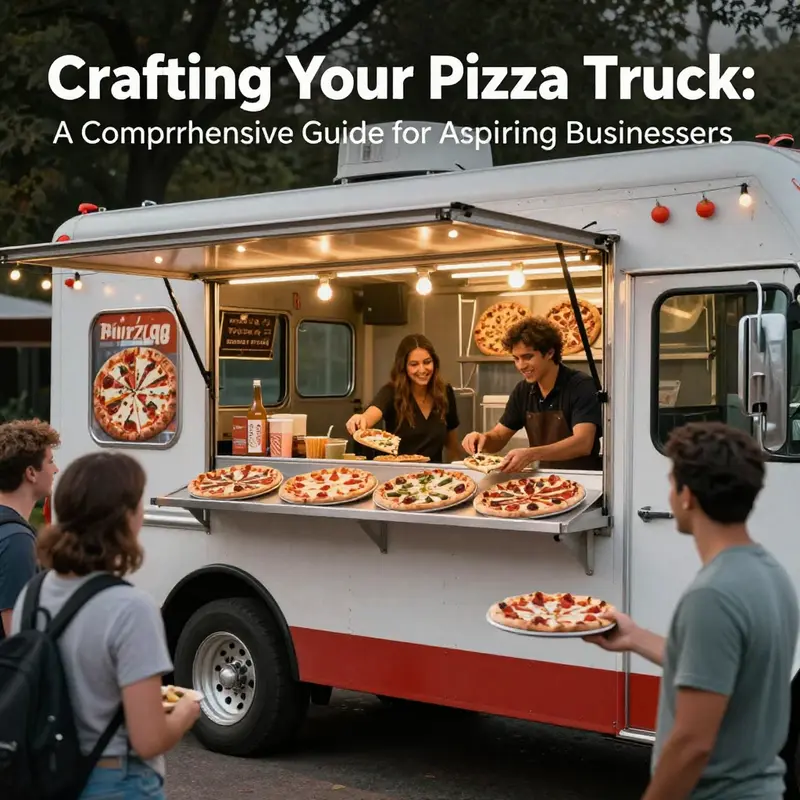
Starting a pizza truck is more than just serving delicious pies; it’s about creating a unique culinary experience on wheels. As a prospective business owner, understanding every facet of this venture is crucial. From defining your concept and ensuring regulatory compliance to designing a mobile kitchen that meets operational demands, each step plays a pivotal role in your success. This guide will take you through the critical stages of launching a pizza truck, focusing on planning the concept, constructing the truck, and navigating the legal and financial landscape that comes with it.
Rolling with a Vision: Concept-Driven Planning for a Pizza Truck
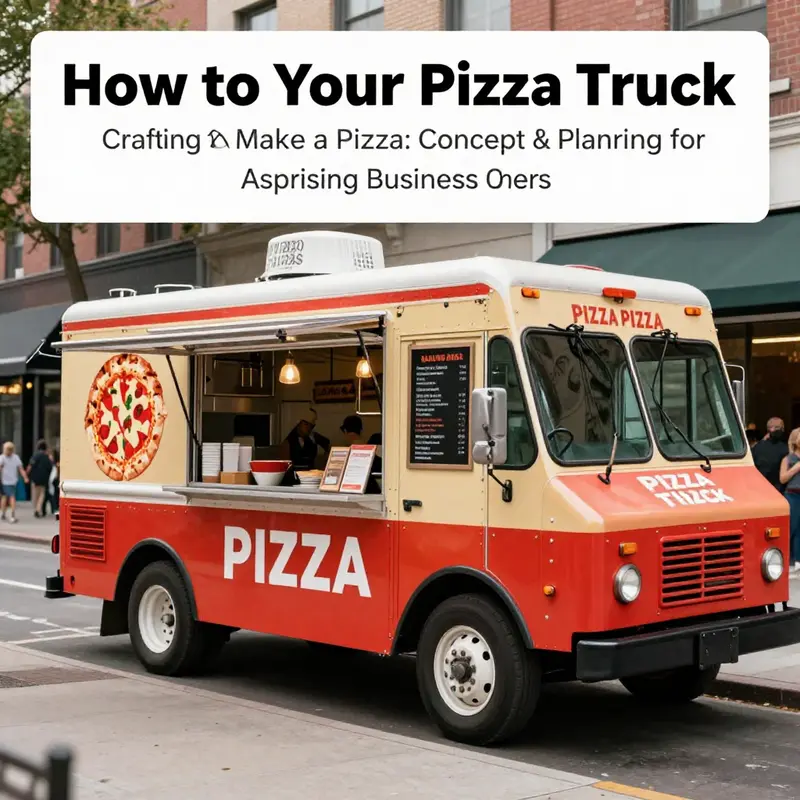
A pizza truck begins as a spark of flavor and a plan that fits on wheels. The magic of selling hot pies from a compact kitchen on the move hinges on a clear concept paired with pragmatic planning. A successful mobile pizzeria crafts its identity before the first bolt is turned, then designs every decision—from the oven choice to the route map—around that central idea. The journey from idea to road-ready business is not a string of discrete tasks but a single, unfolding narrative in which concept and plan braid together, guiding money, space, and time toward a consistent, compelling customer experience. Start with the core question: who do you want to serve, and what kind of pizza will you be known for when your oven is humming in a park, outside a concert venue, or at a bustling farmers market? The answers will determine nearly every subsequent choice, so framing them with care is not a luxury but a necessity.
Defining the target market is more than choosing a demographic; it’s about identifying moments when people crave a precise kind of pie and a precise kind of service. Will you chase gourmet festivals with delicate, fast-fire pies that require a high level of craft and a compact, flame-kissed crust? Or will you aim for busy urban corridors and office districts where speed and predictability in both production and service matter as much as flavor? Perhaps your edge will be a hybrid: artisanal dough, inventive toppings, and a show that invites spectators to watch the oven at work. For a concept to endure, it must align with a realistic business rhythm. Festivals bring high foot traffic but also tight time windows and higher competition for prime spots. A neighborhood route, by contrast, offers regular customers and reduced novelty costs but demands reliable performance weathering slow days and occasional lulls. The aspiration should honor both energy and economics—the dream of great pizza printed in the steam of the oven, balanced by a practical plan that keeps the truck moving without exhausting resources.
In the realm of pizza styles, the concept sets a compass. A wood-fired, Neapolitan-inspired approach, with blistered crusts and a glossy, charred edge, offers a signature aroma and texture that many customers imagine when they think of a true pie on the street. But wood-fired ovens carry heavier maintenance, higher fuel use, and the need for skilled operation, especially in hot climates or tight spaces. A modern box-style oven presents a different, more scalable path. Its rectangular steel chamber and flat cooking surface emphasize consistency and speed, a virtue in festivals and premium catering where time translates to more pies and more revenue per hour. The choice between traditional wood-fired authenticity and modern mechanical efficiency matters not only to flavor but to the shape of your kitchen, your ventilation needs, your supply chain, and your constraints around permits and insurance. Either route can be extraordinary when the concept is precise: a clear dough philosophy, a tight menu, and a service experience that makes a customer feel seen and fed in under a minute or in a few patient minutes depending on the setting.
A concept also implies a menu that scales with the vehicle and the environment. A concise menu—a handful of doughs, a shared balance between vegetarian and meat options, a few seasonal toppings—reduces complexity, speeds training, and tightens inventory. It’s tempting to chase novelty, but a portable kitchen gains its lasting appeal from reliability: guests should know what to expect, and you should be able to deliver consistently, day after day, without hunting down rare ingredients or scrambling for parts when a crowd arrives. Your concept must answer how you’ll source ingredients, how you’ll store them, and how you’ll rotate stock, all while maintaining the integrity of the dough and the toppings. The best concepts blend a strong personality with practical feasibility; they tell a story of craft, proximity, and care while keeping the doors open long enough to tell that story again and again.
Once the concept is crystallized, planning takes the baton from imagination and translates it into a blueprint for action. The planning phase begins with a careful, almost tactile, audit of space, equipment, and regulations. The footprint of a pizza truck—its workbench, its oven, its refrigeration, its handwashing station, its waste receptacles—must fit the vehicle you choose, the routes you anticipate, and the hours you intend to operate. The oven, in particular, is a hinge point where flavor, safety, energy use, and mobility converge. Wood-fired ovens, with their dome shapes and brick interiors, heat up quickly and impose a certain rhythm of operation. They require reliable ventilation, careful fuel management, and regular maintenance. The modern box-style oven, with a metal chamber and flat cooking surface, is less theatrical but more predictable: faster recovery times, more even heat, simpler logistics for power and gas lines, and easier compliance with certain health and safety protocols in some jurisdictions.
As the concept translates into a plan, the question of mobility becomes central. A truck or trailer must move through space, weather, and time, so the plan should map out where the vehicle can legally operate and where it should ideally operate. The regulatory landscape for mobile food vendors varies by city and state but often revolves around permits, health inspections, fire codes, and parking limitations. A well-thought-out plan anticipates these requirements rather than reacting to them after the truck is built. It includes a timeline for permits, a checklist for inspections, and a contingency budget for compliance expenses that sometimes arise late in the process but are essential for uninterrupted operation. A thoughtful plan also codifies a branding approach that travels with the truck. The logo, the color scheme, the typography, and the collateral—menu boards, tent signage, and social media aesthetics—should echo the chosen concept and reinforce recognition wherever the truck appears. When customers see the same visual language at a festival, in a neighborhood, or at a corporate event, the mental association with a specific kind of pizza grows stronger, turning a one-off bite into a reason to seek out the truck again.
The financial dimension threads through every decision in the planning phase. A pizza truck is a capital-intensive venture; the initial outlay includes the vehicle, the oven, ventilation, plumbing, refrigeration, a robust power system, and a curated bridge of supplies. The numbers vary widely depending on the oven type, the degree of customization, and the level of finish. The planning phase benefits from scenario modelling: what if a festival provides only short access to power; what if a permit process takes longer than expected; what if ingredient costs rise mid-season? Building multiple scenarios helps you see how resilient your concept is and where you should buffer your budget. The balance between startup costs, ongoing operating expenses, and revenue potential is delicate. A lean approach might prioritize modularity: a simpler oven choice, a compact prep area, and scalable inventory with a clear pathway to expansion if demand grows. A more ambitious path might opt for a showpiece kitchen that elevates the experience but carries higher ongoing maintenance and fuel costs. Either path should begin with a precise business model: the expected daily or weekly revenue, the break-even point, the anticipated margins, and a plan for reinvestment in marketing and equipment refreshes.
The concept’s clarity also shapes training and staffing. A rolling kitchen relies on every team member understanding the workflow intimately. The dough handling, the sauce preparation, the topping assembly, and the oven choreography must be practiced to ensure a steady cadence. Training plans should incorporate not just the mechanics of cooking but the rhythm of service under pressure: the pressure of a line of guests, the need to maintain cleanliness, the importance of consistent slice size and cut quality, and the etiquette of interacting with customers who might be unfamiliar with a mobile kitchen’s quirks. The narrative you want to tell—whether it’s a chef-driven craft pie or a high-efficiency, high-volume operation—finds its best expression in how your staff perform in the field. This is why the concept, when well conceived, doubles as a staff development framework, a living document that tells new hires what the truck is about and how the team earns its reputation in a crowded market.
In practice, a concept-driven plan is a living document. It evolves with field testing, with the data of successful locations, and with the reality of performance against projections. It invites revision rather than denial. A strong concept remains anchored by a few non-negotiables: the defining style of pizza, the character of the guest experience, the essential equipment configurations, and the operating philosophy that guides every decision. When these anchors are explicit, adjustments become strategic rather than reactive. You may discover that a tighter menu, powered by a reliable gas-fired oven and a streamlined prep zone, yields better consistency and profits than an ornate, heavier setup that stretches both budget and schedule. Or you might learn that the heat, pace, and drama of a wood-fired bake are essential for your brand, but you implement more aggressive scheduling and a flexible back-up plan for busier days so you don’t stall when demand spikes. If the concept is precise enough to guide change, it becomes both a compass and a safety net—keeping the business aligned with its purpose while remaining adaptable in the face of shifting markets and unpredictable events.
Finally, the concept and plan are inseparable from the customer’s perception of value. A mobile pizzeria is a theater where aroma, timing, and hospitality converge. The oven’s plume, the crust’s blister, the glimmer of the cheese, the sound of the peel sliding onto and off the stone—all of these details contribute to a perception of quality and care that customers carry with them after the last bite. The plan should therefore map not only the practicalities of production and transport but the storytelling moments that create memory. How does the truck greet guests? How is the pie explained—briefly and with sincerity? Does the setup invite people to pause, observe, and engage, or does it feel like a rapid, transactional experience? The answers to these questions are not cosmetic; they determine whether a visitor becomes a repeat customer and a regular supporter of your mobile kitchen. Concept and planning, then, are not separate stages but a continuous dialogue between the dream of great pizza and the reality of delivering it on streets and at events. In the end, a pizza truck that travels with a well-formed vision is not simply a vehicle for food; it is a moving brand that demonstrates in every action what you stand for and how you choose to serve.
As you move from concept to plan, you’ll encounter a pair of practical questions that repeatedly surface in real-world builds: what kind of oven best suits your culinary aims and operational reality, and how will you balance the appetite for flavor with the discipline of a lean, scalable business model? Answering these questions with honesty and specificity is where the story of your pizza truck begins to take shape. The oven choice, in particular, is a hinge that swings between pilgrimage and pragmatism. A wood-fired, artisanal vision promises authenticity and texture that are deeply rewarding, but it demands a careful schedule, a reliable fuel source, and a readiness to invest in maintenance. A modern box-style oven offers speed and predictability, which can unlock consistent throughput and sharper profitability, especially in markets that prize reliability and uniform quality. Your concept should not pit romance against practicality; it should fuse both in a way that satisfies your culinary aims while respecting the realities of travel, power, water, waste, and the ever-present constraints of local regulations. With a clearly articulated concept, the plan emerges as a map that guides you through permits, routes, staffing, and budgets without losing sight of the flavor and hospitality that will define your brand on every street corner you call home.
The chapter’s anchor idea—concept as both compass and contract—remains the backbone of the entire venture. It ensures that every subsequent decision, from the size of the prep area to the texture of the crust, aligns with the story you want to tell and the customers you want to serve. When the concept is robust, it makes choices easier during the inevitable moments of pressure, whether you’re negotiating lease terms for a festival space, responding to a weather-driven delay, or calibrating the oven for the next shift. It also makes the business more coachable: a clearly defined concept gives future partners, staff, and investors a tangible understanding of what you’re building and why it matters. In the end, concept and planning are not merely a checklist; they are the living narrative that makes a pizza truck more than a moving kitchen. They make it a memorable, reliable, and beloved place where people gather for warmth, craft, and a sense that they’re tasting a story told through crust, sauce, and careful attention to every minute detail of service.
For readers seeking practical next steps, consider a cost-conscious approach that still honors your concept. If the financial side is a priority, there are pragmatic resources that translate the dream into predictable numbers. A useful starting point is a guide that helps quantify startup costs and ongoing expenses for a pizza food truck, guiding you through the realities of equipment, permits, and initial inventory. This is not about shrinking your ambition; it’s about understanding the shape of the road ahead so you can plan for it with clarity. Embedding this financial realism into your concept from day one helps prevent the common pitfall of discovering later that the plan doesn’t align with the market or the cash runway. A well-balanced concept coupled with a thoughtful budget acts like a stabilizing spine for the entire project, enabling you to move forward with confidence as you translate vision into a rolling kitchen that serves great pizza and sustainable business.
Internal link for readers exploring the cost dimension: for a practical look at the financial frontiers of starting a pizza truck, you can explore a detailed cost guide here: how much a pizza food truck costs. This resource can help ground your concept in the realities of investment, depreciation, and break-even timelines while you refine your menu and route strategy. how-much-is-a-pizza-food-truck
As you bring the concept to life, remember that the heart of the project is not merely the oven or the exhaust system but the experience you intend to deliver. The planning process translates intention into a practical, repeatable performance. It turns a bold dream into a schedule of early mornings, late nights, and the kind of hospitality that makes strangers feel welcome and turned-into-friends along the way. The result is a pizza truck that doesn’t just offer pizza on wheels; it provides a constant invitation to taste, linger, and return. This is the essence of rolling with a vision: a concept that guides decisions, a plan that keeps the wheels turning, and a reputation that invites curious crowds to gather, watch, and savor.
External resource for deeper exploration on oven-driven craft and operations: for a broader perspective on wood-fired pizza trucks and the craft they embody, see the comprehensive guide on wood-fired pizza trucks. Food Trucks Guide to Wood-Fired Pizza Trucks
Building the Mobile Kitchen: Designing and Equipping Your Pizza Truck for Peak Performance
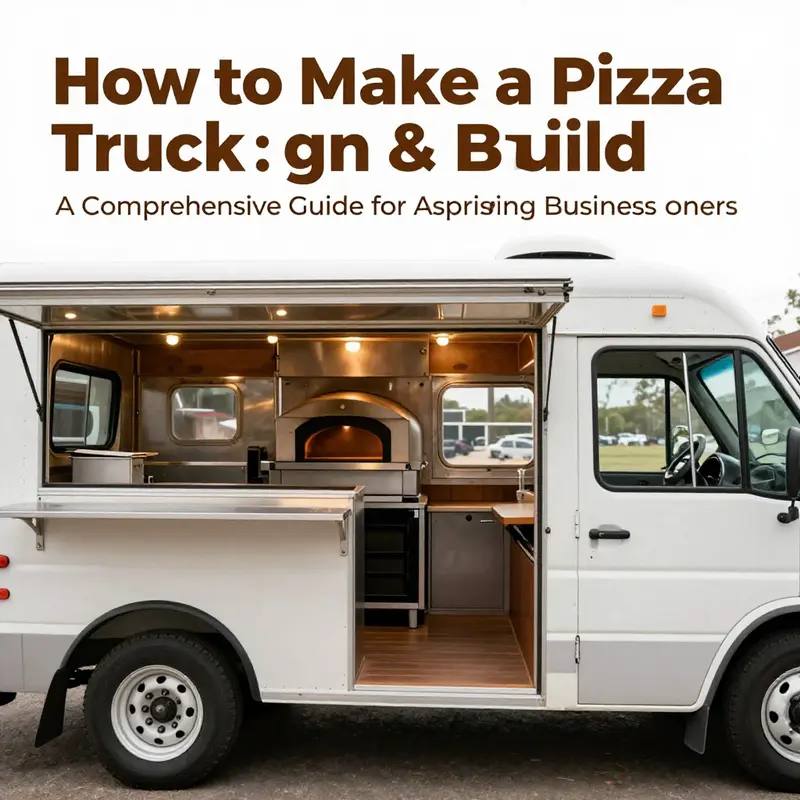
Designing and building a pizza truck is where culinary vision meets engineering precision. This chapter walks you through the decisions that shape daily operations and guest impressions: oven selection, workflow layout, structural choices, safety systems, and customer-facing elements that make your truck efficient and memorable. Each decision affects pizza quality, throughput, compliance, and the bottom line, so approach the build as a single integrated system rather than a list of separate parts.
Begin by locking in your concept and translating it into measurable build requirements. A truck that promises fast, made-to-order thin-crust pies needs a different oven, prep flow, and storage plan than an artisanal, wood-fired mobile pizzeria. Define peak service volume—how many pies you must produce per hour—and use that number to size your oven capacity, prep surfaces, and refrigeration. Decide your typical service venues. Festivals and corporate events demand high throughput and portable power solutions. Street vending in urban corridors requires compact footprints and quick service. Each scenario will change the chassis size you need, the oven type that makes sense, and the staffing model you’ll design the interior around.
The oven is the single most consequential choice. It shapes flavor, speed, fuel logistics, ventilation, and even the look of your truck. Convection gas or electric ovens deliver steady, repeatable results and are ideal for operations that prioritize consistent cook times and high throughput. They heat fast, maintain precise temperatures, and simplify staff training. If you want a mobile setup that reliably pushes dozens of pies an hour with minimal fuss, a convection solution is the practical backbone.
If the menu centers on authentic, blistered-crust styles, consider modern box-style wood-fired ovens designed for mobile use. These ovens combine high temperatures with insulated steel chambers and flat cooking surfaces. They give that characteristic char and complex flavor without the unpredictability of a traditional open hearth. Box-style wood-fired units often include improved insulation and more efficient fuel use, which reduces refueling stops. They still require more ventilation, trained operators, and robust fire suppression systems. For operators who value smoky depth and can manage the operational complexities, these ovens become a defining feature of the brand.
Gas-powered pizza carts and compact gas ovens exist as alternatives for extreme portability. They run on propane or natural gas and integrate more easily with small chassis. They rarely match the flavor profile of wood combustion, but they offer consistent heat and simpler permits in many jurisdictions. Whatever oven type you choose, prioritize models designed for mobile food service: they balance weight, insulation, and heat recovery to suit a moving kitchen.
Selecting the chassis and shell comes next. Many operators convert cargo vans or step vans, while others adapt box trucks or even modular containers. Converted vans offer nimble parking and lower costs but require careful spatial planning to avoid cramped workflows. Larger box trucks provide roomy interiors, more storage, and the ability to install larger ovens and multiple prep stations. Container-based solutions, repurposed from refrigerated shipping units, give impressive insulation and a stable platform for heavy equipment. A container setup can be outfitted with climate control systems to keep dough, cheese, and toppings at optimal temperatures while providing a bold, consistent exterior brand canvas. The choice of chassis should balance maneuverability, permitted parking locations in your city, and the cost of conversion.
Inside the truck, layout dictates speed and safety. Design a linear flow: ingredient storage to dough prep, to assembly, to oven, to finishing, to pickup. Minimize cross-traffic and handoffs. Place refrigeration and dry storage near prep stations to reduce steps. Situate the oven so staff can pass pizzas directly from peel to oven and back with clear sightlines. Consider a secondary station for salads or desserts to avoid bottlenecks during peak pizza rushes. Use durable, food-safe surfaces that are easy to clean. Stainless steel is standard for counters and shelving because it resists heat and bacteria while simplifying sanitary maintenance.
Ventilation, exhaust, and fire suppression are non-negotiable. Your oven dictates the size and placement of hoods and ductwork. High-temperature ovens need professional-grade ventilation that moves heat and smoke out of the workspace. Poor ventilation raises internal temperatures, accelerates equipment wear, and creates unsafe working conditions. Integrate grease traps and accessible filter systems so routine maintenance is fast. Rail with local health and fire code requirements during the design phase to avoid costly retrofits.
Water and sanitation systems must meet local regulations. Install a handwashing sink, a three-compartment sink for warewashing if required, and a fresh water tank sized for your service needs. Think about wastewater storage and the logistics of disposal at permitted dumping stations. Planning for water capacity prevents mid-service shortages that can interrupt operations and compromise compliance. Incorporate proper waste segregation and storage to keep the workspace clean and reduce pest risk.
Electrical and fuel systems require careful engineering. A pizza truck that uses electric ovens or refrigeration will need sufficient onboard power or the ability to connect to external shore power. Generators are common but add weight, noise, and fuel logistics. Consider silent, inverter-based generators for a better customer experience. If using gas-fired ovens, design propane or natural gas storage and piping to code. Secure tanks safely to prevent movement during transit and include easy access for refilling. In all cases, hire certified technicians to wire, gas-fit, and certify systems; DIY electrical work often fails inspection and can create hazards.
Storage planning goes beyond capacity. Think modular and cold-chain safe. Use adjustable shelving to handle varying inventory levels. Keep dough boxes and ingredient bins labeled and stacked for first-in, first-out rotation. Refrigeration should be sized not only for daily use but for peak event needs. If you plan to stock seasonal ingredients or specialty cheeses, ensure you have storage that keeps them fresh while preventing flavor transfer between products.
Equipment selection should focus on reliability and ease of repair. A heavy-duty dough mixer, pizza peels with heat-resistant handles, peel boards, and intuitive point-of-sale systems streamline operations. Choose refrigeration with on-board diagnostics and serviceable components. Include spare parts for critical gear—thermostats, burner igniters, belts for mixers—so repairs don’t stop service. Train at least two staff to perform basic troubleshooting to avoid downtime.
Design the exterior with as much intent as the interior. The truck’s look is a powerful marketing tool. Use bold, readable menus and an attractive service window that showcases the oven and cooking process. Large glass service windows build trust by letting customers see the kitchen. Lighting around the service area extends selling hours. Consider retractable awnings to shield guests and staff from sun and rain, which also creates a consistent pickup experience at outdoor events.
Accessibility and ergonomics matter to staff productivity. Position prep surfaces at comfortable heights. Place frequently used tools and ingredients within arm’s reach. Provide anti-fatigue mats where staff will stand for long periods. Small design choices like this reduce fatigue, speed service, and extend the working lifespan of your team.
Compliance planning must run in parallel with design. Early conversations with local health departments and fire authorities inform layouts that pass inspection. Common fail points include insufficient handwashing stations, inadequate exhaust, and incorrect grease containment. Prepare drawings and equipment specifications to present to inspectors before any permanent modifications. This reduces rework and delays during the final approval process.
Operational workflow ties all design decisions together. Define service stations and staff roles clearly. A typical shift includes a dough handler, an assembler, an oven operator, and a cashier/expediter. Cross-train staff so roles can flex during busy periods. Create checklists for opening, peak service, and closing that include temperature logs, equipment checks, and sanitation tasks. Digital order systems reduce human error and keep throughput predictable. Use QR codes or a simple app to take orders and process payments during busy times. This lowers queue times and keeps the assembly line moving.
Branding and customer experience are the final touches that convert efficient operations into repeat business. Ensure the truck’s exterior, menu design, and staff uniforms tell a cohesive story. Use clear signage to display waiting times and show special items. Offer a simple finishing station for sauces or toppings that invites customization without slowing the line. Prioritize visible cleanliness and courteous service: small gestures like a clean counter, labeled napkins, and efficient waste bins shape perceptions as strongly as flavor.
Budget carefully and plan contingencies. Build costs vary widely depending on chassis, oven type, and customizations. Account for permits, inspections, and professional contractor fees. Allocate funds for marketing and initial inventory. Expect to invest in training and a few months of operating capital. Building in a contingency of at least 10 to 20 percent of the estimated build cost cushions you against surprises.
Finally, lean on documented examples and industry resources as you finalize your plan. See practical oven comparisons and performance metrics to confirm your choice. A well-specified oven system, combined with a thoughtful layout and strict compliance planning, turns a concept into a mobile kitchen that can produce consistent, high-quality pizzas while delivering an engaging customer experience.
For a detailed comparison of oven types, specifications, and performance metrics that can guide your choice, consult this oven guide: https://www.foodtrucks.com/pizza-truck-oven-guide
From Filings to Finances: Building the Legal and Financial Backbone of a Pizza Truck
Launching a pizza truck is as much about careful legal and financial architecture as it is about a hot oven and a perfect crust. The allure of rolling into neighborhoods with the scent of simmering sauce and bubbling dough can make the rest feel like smooth sailing, but the path to sustainable success runs through paperwork, protection, and disciplined budgeting. This chapter peels back the necessary layers, not to dampen the dream, but to illuminate how legal clarity and financial discipline empower every pizza you craft on wheels. When you begin with a solid structure, permitting a permit-ready vehicle, and a cash flow plan that breathes, you gain the freedom to focus on what really matters: flavor, speed, and the customer experience. The legal and financial foundations are not merely hurdles to clear; they are the scaffolding that supports your brand, your crew, and your future growth as you navigate markets, festivals, and daily street activity with confidence.
Choosing the right business structure is the first decision that shapes risk, taxation, and ownership. A sole proprietorship is simple and inexpensive to start, but it puts your personal assets at risk if something goes wrong. An LLC, by contrast, creates a layer of protection for personal assets while preserving flexibility in management. It also signals to lenders and partners that you are serious about governance and liability. If your plan includes partners, an LLC with a well-drafted operating agreement can prevent conflicts down the road and set clear paths for profit sharing, roles, and dispute resolution. Alongside this choice, obtaining an Employer Identification Number (EIN) from the IRS is a practical step that separates personal and business finances, streamlining tax reporting and opening doors to business banking and payroll options should you expand your team.
Permits and licenses are not decorative add-ons; they are the gatekeepers that allow you to operate safely and legally in public spaces. A mobile food vendor permit is often the cornerstone, paired with health department approval to ensure your operations meet critical food safety standards. A general business license is usually required, and several jurisdictions demand specific forms of approval for mobile vendors to operate in public rights-of-way or at sanctioned events. Zoning regulations must be checked early, because some areas restrict where a food truck can park, cook, and serve. A few bustling districts may require approved routes or time windows, and others may prohibit certain activities near schools or hospitals. The more diligent you are at aligning with local rules, the fewer surprises you will encounter during your first busy week.
Insurance is the quiet backbone of a resilient business. General liability insurance protects against claims arising from accidents or mishaps at your service window. Vehicle insurance guards the truck itself, while equipment insurance covers ovens, refrigeration, and grease traps critical to daily operation. If you plan to hire staff, workers’ compensation becomes essential. The cost of insurance is an investment, not a line item to trim when budgets tighten. It translates into peace of mind for you and your team and often makes lenders more comfortable, which can influence financing terms. A thorough risk assessment—covering fire, slip-and-fall scenarios, and equipment breakdown—will help you tailor coverage to the realities of a mobile kitchen, where space is compact and temperatures soar.
A well-drafted business plan is your compass in the crowded market of mobile food. It should articulate startup costs, projected revenue, cash flow, and a clear marketing approach. Startup costs for a pizza truck are never just the piecewise sum of a vehicle and a fryer; they extend to licenses, inspections, branding, insurance, initial inventory, and working capital to cover lean first months. Your plan should include a phased financial model that accounts for seasonal demand, route optimization, and the realities of weather and event calendars. This planning also helps you articulate a credible financing request if you seek outside capital. Banks and alternative lenders want to see a realistic, data-supported path to profitability, including contingency buffers that reflect the unpredictability of outdoor service.
Funding options are as diverse as the toppings you’ll offer. Personal savings are common, but many aspirants pair their own resources with a bank loan or line of credit. Small business grants, though competitive, can offer favorable terms for culinary startups with community impact or innovative concepts. Crowdfunding campaigns provide not only dollars but market validation and early customer engagement. The important thing is to align the funding strategy with the timeline of your build and your burn rate—the rate at which you spend money before you reach break-even. A phased investment approach can help you avoid over-leveraging early and give you more runway to test routes and refine your menu.
Bookkeeping is the quiet work that pays off when tax season arrives and the business grows. Separate business accounts and credit cards help keep personal and company finances clean. An accounting system tailored to small food businesses can track inventory, labor, fuel, utilities, and depreciation of equipment. Regular reviews of cash flow charts, expense categories, and revenue streams illuminate where you’re profitable and where adjustments are needed. This clarity matters for decisions like when to add a second location or when to invest in a larger oven. If you eventually plan to hire staff, payroll compliance, wage reporting, and benefits become additional considerations that your financial systems must accommodate without collapsing under complexity.
Operational realities added to legal and financial planning deserve emphasis. As of early 2026, some pizza truck models face limitations in fuel flexibility. It is vital to select a truck system that supports reliable and efficient fuel sources, such as natural gas or propane, to ensure long-term operational sustainability. Fuel strategy affects both cost and consistency of service. When your crew is serving at a packed festival, you cannot afford engine trouble or inconsistent heat delivery. A robust fuel plan intersects with safety, particularly when high-temperature ovens approach 800 to 900 degrees, or when you must manage exhaust requirements, ventilation, and fire suppression systems. The equipment you choose will also determine ongoing maintenance costs and the cadence at which you replace or upgrade components.
In the broader picture, a pizza truck is a moving business, and your legal and financial setup anchors your entire operation to a region of predictable rules and predictable cash flow. Your structure informs who owns the company, how profits are distributed, and how risks are allocated among partners. Your permits and licenses ensure you can operate where, when, and how you want, without interruption. Insurance gives you a safety net that allows you to expand with confidence. The business plan becomes your living document, guiding decisions in real time as you respond to demand, weather, and opportunities to collaborate with event organizers or local chefs. The funding strategy, coupled with disciplined bookkeeping, transforms a high-energy, high-velocity concept into a durable business model capable of weathering slow weeks as well as peak seasons.
If you want to explore a practical example of navigating the legal steps for a food-truck launch, you can explore a resource that outlines the primary steps involved in establishing a compliant operation. This linked guide delves into registration, permits, and the essential governance structures that entrepreneurs must establish before their first service window opens. Legal steps for launching a food truck. While each city or state has its own requirements, the pattern remains recognizable: choose a structure, obtain an EIN, secure permits, carry the right insurance, and set up a clean financial system that can scale with your ambitions. The exact numbers will differ, but the discipline stays constant. As you progress, you will refine your model, adjust pricing for seasonality and competition, and perhaps stage additional routes or pop-ups to maximize utilization of your truck and oven. The core is to treat legal and financial setup not as a barrier, but as the bedrock that makes your creative cooking possible anywhere a customer lines up and tastes what you’ve built on wheels.
When you start to map your day-to-day operations, the practical implications of this backbone become even clearer. A well-structured business model helps you plan for labor needs, inventory turnover, and waste management. It guides your decisions about which events to pursue and how to price items with margins that cover labor, fuel, insurance, and vehicle maintenance. It supports a disciplined marketing plan because lenders and partners want to see that your growth is data-driven, not just driven by appetite. You’ll learn to forecast demand, set expectations with festival organizers, and negotiate terms with suppliers who can deliver fresh dough, premium cheese, and seasonal toppings on a schedule that fits your truck’s calendar.
In sum, the legal and financial setup is not a sterile checklist but a living framework that empowers your craft. The structure you choose, the permits you secure, the protection you buy, and the financial infrastructure you deploy all cohere into a business that can move with the rhythm of your city and adapt to new neighborhoods. As you drive toward your first sellout night, you’ll know that every decision—from entity formation to insurance limits, from a sound cash-flow model to a well-timed loan draw—has a purpose: to keep your oven hot, your team safe, and your customers delighted. That alignment between compliance, protection, and profitability is what makes a pizza truck more than a novelty and turns it into a durable, beloved mobile restaurant.
External resources can provide deeper technical guidance on equipment standards and industry benchmarks for wood-fired pizza trucks. For broader standards and performance considerations, one reputable reference covers the equipment and sales considerations involved in wood-fired pizza truck operations: https://www.foodserviceequipment.com/wood-fired-pizza-truck-sales. Rely on such materials to corroborate the hardware choices you make and to benchmark the specifications you require for safety, efficiency, and durability. Embrace the interplay between legal clarity, financial discipline, and culinary ambition, and your pizza truck will be positioned not just to launch, but to endure and grow across seasons and communities.
Final thoughts
Venturing into the pizza truck business presents a unique opportunity for culinary expression while capitalizing on the mobile food trend. By carefully planning your concept and design, effectively navigating the legal requirements, and comprehensively managing financial aspects, you will lay a strong foundation for your business. Remember, the success of a pizza truck lies not only in the quality of the food but also in the experience you craft for your customers. Embrace your journey, and soon you’ll be serving up delicious pizzas on the move.