
Introduction
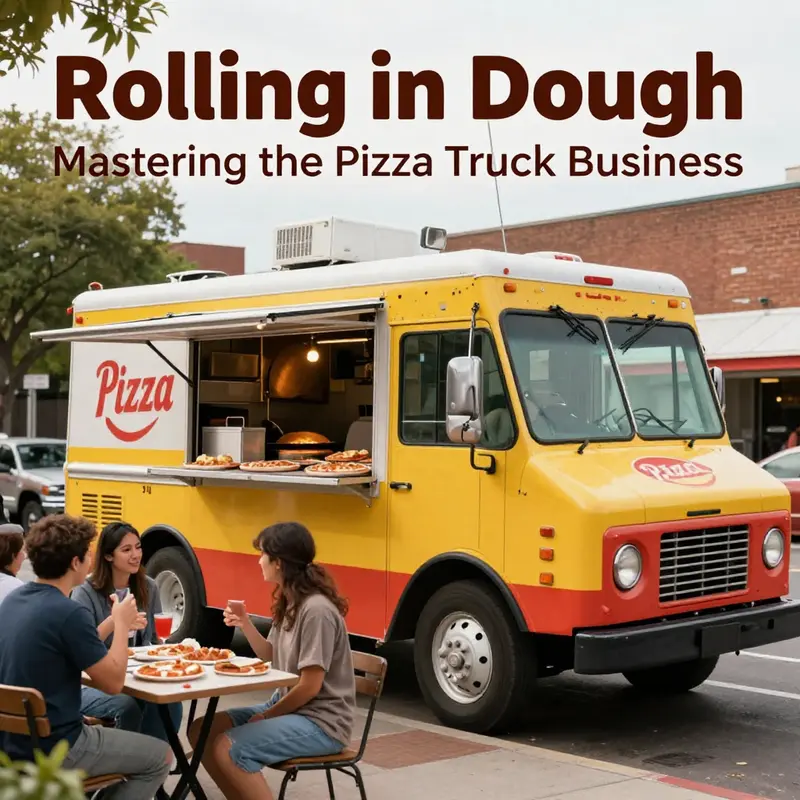
The pizza truck phenomenon has taken the culinary world by storm, offering a unique blend of convenience, quality, and creativity. As an intriguing business model, pizza trucks present a lesser-encumbered entry into the food business, allowing entrepreneurs to serve gourmet pies in a mobile format. This article delves into the essential aspects of running a pizza truck, examining its business model, the technological innovations that power it, emerging market trends, and the cultural significance it holds in communities. Each chapter builds upon the last, offering business owners insights to thrive in this vibrant sector of the food industry.
Tables of Contents
Chapter 1: Streamlining Pizza Perfection: Operational Strategies for a Pizza Truck
- Enhancing Performance through Operational Efficiency in a Pizza Truck
- Crafting Multiple Revenue Streams for Long-term Success in a Pizza Truck Business
Chapter 2: Harnessing Modern Technology for Exceptional Mobile Pizza
- Revolutionizing Pizza Preparation with Innovative Cooking Technologies
- The Role of Adaptive Design in Modern Pizza Trucks
Chapter 3: Navigating the Evolving Landscape of Gourmet Mobile Pizza Dining
- Consumer Trends Driving the Gourmet Evolution of Pizza Trucks
- Navigating the Future: Technological Advancements and Regulatory Evolution in Pizza Truck Operations
Chapter 4: Transformative Presence: The Pizza Truck as a Community Hub
- The Pizza Truck Experience: Cultivating Community through Culinary Connections
- Pizza Trucks as Catalysts for Economic Growth and Cultural Enrichment
Chapter 1: Streamlining Pizza Perfection: Operational Strategies for a Pizza Truck
1. Enhancing Performance through Operational Efficiency in a Pizza Truck
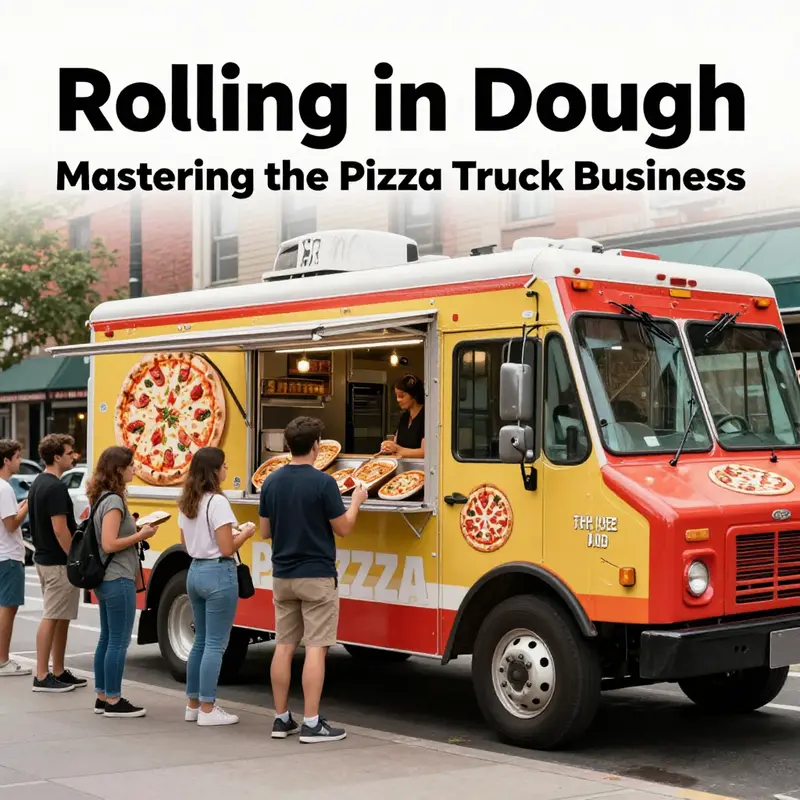
The success of a pizza truck is inherently tied to its operational efficiency, a blend of technical design, workflow management, and financial savvy that ensures not only profitability but also customer satisfaction. For a mobile pizzeria like A’s Pizza Truck, which operates on a limited weekly schedule, making every minute and every ingredient count becomes critical to their business model.
One of the fundamental components of operational efficiency lies in the technical design of the truck itself. For wood-fired pizza trucks, the engineering of the oven is paramount; it must include sophisticated thermal management systems that can maintain the high temperatures necessary for crafting authentic pizzas. A well-designed wood-fired oven generally reaches and retains temperatures of around 900°F, facilitating the rapid cooking time that results in the characteristic leopard spotting of Neapolitan-style pizzas. This design element directly impacts cooking quality and efficiency, demanding upfront investment that can pay dividends in terms of customer satisfaction and food quality.
In addition to thermal management, careful consideration must be given to fuel efficiency. High-performance insulation in the ovens prevents heat loss, optimizing fuel consumption and thereby cutting operational costs. This equation of energy efficiency and quality can make or break a pizza truck. For instance, a commercial unit incorporating these technical standards will see better performance and a faster return on investment compared to a standard truck lacking such features.
Workflow optimization is another key area that can greatly enhance operational efficiency. The confined space of a pizza truck presents inherent challenges, but also opportunities for streamlining operations. To improve workflow, careful menu engineering is essential. By curating a focused selection of high-demand items, such as the popular margherita and pepperoni pizzas, A’s Pizza Truck can minimize preparation and cooking times. Implementing standardized recipes and portion controls ensures both consistent quality and speed in service, which is particularly beneficial during the high-traffic hours of operation.
Moreover, minimizing preparation times can be achieved through the organization of kitchen equipment and preparation areas within the truck. By strategically placing frequently used items within easy reach, staff can work more efficiently, significantly reducing the time taken to turn out orders. Efficient workflow transforms the pizza-making process from a daunting task into a symbiotic dance of teamwork and quick responses to customer needs.
Equally important is financial management, which requires keen oversight to maintain healthy cash flow. For a pizza truck, tracking income and expenses in real-time helps identify inefficiencies and profitability margins. For many new operators, studying existing case studies of successful pizza food trucks can provide valuable insights into navigating common financial pitfalls. Establishing good financial practices from the outset, such as diligent cash flow management, positions a pizza truck to weather fluctuations in income, especially when geographical location and customer traffic can vary week to week.
Alongside these considerations is the crucial aspect of logistics and customer service, which plays a vital role in maintaining operational efficiency. The strategic choice of locations is paramount; positioning the truck in high-foot-traffic areas or events can significantly enhance sales potential while minimizing downtime. Furthermore, leveraging digital ordering platforms can streamline the customer experience, allowing for faster service and reducing wait times—particularly critical during peak hours.
Technology can assist pizza trucks in other ways too: contactless payment systems, online order apps, and real-time tracking can enhance customer engagement and elevate satisfaction. Customers appreciate the convenience of placing orders from their devices, which translates into more orders per hour, directly impacting revenue.
Additionally, enhancing the customer experience is pivotal in building loyalty in a local community. For instance, A’s Pizza Truck can engage with customers through social media platforms, sharing exciting updates or featuring special deals, thus fostering a sense of belonging in the Newmarket community.
Bringing all these elements together enables pizza trucks to create an operationally efficient business model that not only meets but exceeds customer expectations. Each of these strategies works in concert to create a streamlined system that reduces waste—both in terms of time and ingredients—while maximizing product quality and customer satisfaction.
Ultimately, the quest for operational efficiency in a pizza truck is about more than just numbers; it’s about crafting a memorable experience for the customer. A successful model integrates technical expertise, hands-on management practices, and smart marketing strategies to transform pizza trucks into local culinary landmarks.
In order to maintain an edge within this competitive landscape, aspiring pizza truck owners would do well to adopt a mindset of continuous improvement. This involves regularly revisiting processes, collecting customer feedback, and being open to evolving their menu offerings as the market changes. The result is not only an operationally efficient pizza truck but one that’s poised for sustainable growth.
For those intrigued by the journey into mobile culinary exploitation, this brings a unique perspective into how important operational efficiency really is within the pizza truck business model. Setting up the infrastructure with an operationally efficient framework can become the cornerstone of a thriving food truck business. Moreover, as aspiring entrepreneurs consider diving into the world of mobile pizza, understanding these operational intricacies becomes crucial in navigating their success on the road to deliciousness.
2. Crafting Multiple Revenue Streams for Long-term Success in a Pizza Truck Business
When delving into the business model of a pizza truck, an essential aspect to consider is the diversification of revenue streams. It is no longer sufficient to rely solely on walk-up sales. As the food truck industry evolves, operators must embrace innovative strategies to ensure sustainability and profitability. The integration of technology, strategic partnerships, and modern operational tactics unlocks the potential for multiple income sources that can significantly bolster a pizza truck’s revenue.
One of the foremost avenues for revenue generation is direct-to-consumer delivery, facilitated by a robust digital platform. Customers can effortlessly place their pizza orders via an application or a website, establishing a convenient and seamless ordering experience. The logistics involved in this process, powered by machine learning algorithms, optimize delivery routes and predict customer demand with remarkable accuracy. This approach minimizes food waste, as the system can prepare ingredients in line with projected sales. The delivery aspect ensures that fresh, hot pizzas reach customers in a timely manner, enhancing overall satisfaction and encouraging repeat business.
In this digital age, having a dedicated online presence is non-negotiable. Companies that have adopted mobile apps to streamline ordering not only provide value to their customers but also gather vital data on consumer preferences and buying behavior. This data can then inform marketing strategies and menu enhancements, ultimately leading to increased sales. Customers appreciate the ease of ordering through an app, often choosing convenience over distance; thus, investing in a high-quality digital interface can yield significant returns.
Another crucial aspect of a pizza truck business model involves forming strategic partnerships with venues and businesses that can provide consistent cash flow. Collaborations with event spaces, sports stadiums, corporate campuses, and local festivals represent a lucrative opportunity for expanding revenue horizons. By offering catering services during events, a pizza truck can tap into a predictable source of income, transforming occasional pop-up sales into regular engagements. Such arrangements not only stabilize revenue but also enhance brand visibility, increasing the potential for walk-up customers during off-peak times.
Moreover, focusing on recurring contracts with organizations can lead to substantial financial security. When establishing consistent service agreements, pizza truck operators cultivate relations that foster loyalty, ensuring that clients return for both recurring events and future gatherings. This strategy also alleviates the uncertainty that often accompanies traditional food truck sales, where revenue can fluctuate based on the time of year and location.
Equally important is the incorporation of automation and robotics within the food preparation process. As seen in the groundbreaking models introduced by companies like Zume, implementing advanced technology—such as robotic ovens and AI-driven route optimization—can drastically reduce labor costs and increase throughput. While fully autonomous operation is still on the horizon, the current advancements allow for a more efficient mobilization of resources. The pizza truck can effectively serve as a mobile production unit that not only produces pizza but also delivers it efficiently under optimized conditions. In essence, these technologies facilitate higher productivity, less wastage, and a consistent product outcome, which leads to customer retention and enhanced profitability.
Furthermore, an often-overlooked avenue of income for pizza truck operators is the monetization of data. Insights gained from customer interactions and preferences can be shared with suppliers or used for refined targeting in marketing campaigns. By analyzing purchasing patterns, operators can tailor their offerings to meet consumer demands, thereby increasing likelihood of sales. The potential to sell analytical insights to third-party suppliers or partner businesses can evolve into a significant revenue source, creating a robust ecosystem where data drives strategic decisions.
Consider how many successful brands effectively translate customer insights into better product offerings. For instance, knowing which toppings are most popular enables a truck to feature those in promotional deals or limited-time offers, enticing both new and existing customers to engage with the brand. Data analytics become an indispensable tool in not just recognizing trends but also forecasting future sales, allowing for better financial planning.
Overall, diversifying revenue streams is not just a strategy for pizza truck operators; it is an imperative for long-term success and sustainability in what is increasingly becoming a competitive marketplace. By investing in technology, forming meaningful partnerships, and harnessing the power of data, pizza truck owners can create a multifaceted income structure that mitigates risk and maximizes profitability. All of these facets work synergistically to establish a resilient business model, where revenue is not beholden to seasonal whims or localized events. Instead, a robust pizza truck operation becomes a flourishing and adaptable enterprise that can thrive amid shifting trends and consumer demands. For aspiring entrepreneurs interested in launching their own mobile food service, attention to these revenue-generating strategies can pave the way toward a successful future in the vibrant pizza truck landscape.
In summary, understanding how to navigate and optimize multiple revenue streams can make all the difference for a pizza truck operation looking to thrive in a competitive environment. For those interested in the practical aspects of launching such a venture, the legal steps for launching a food truck can provide essential insights to help navigate the early stages of establishing this profitable business.
Chapter 2: Harnessing Modern Technology for Exceptional Mobile Pizza
1. Revolutionizing Pizza Preparation with Innovative Cooking Technologies
In the world of mobile cuisine, few advancements have made as profound an impact as innovative cooking technologies specifically designed for pizza trucks. As the demand for high-quality, gourmet pizza continues to soar, these innovations have transformed how pizza is prepared, cooked, and served on the go, reinforcing the notion that quality does not need to be sacrificed for convenience.
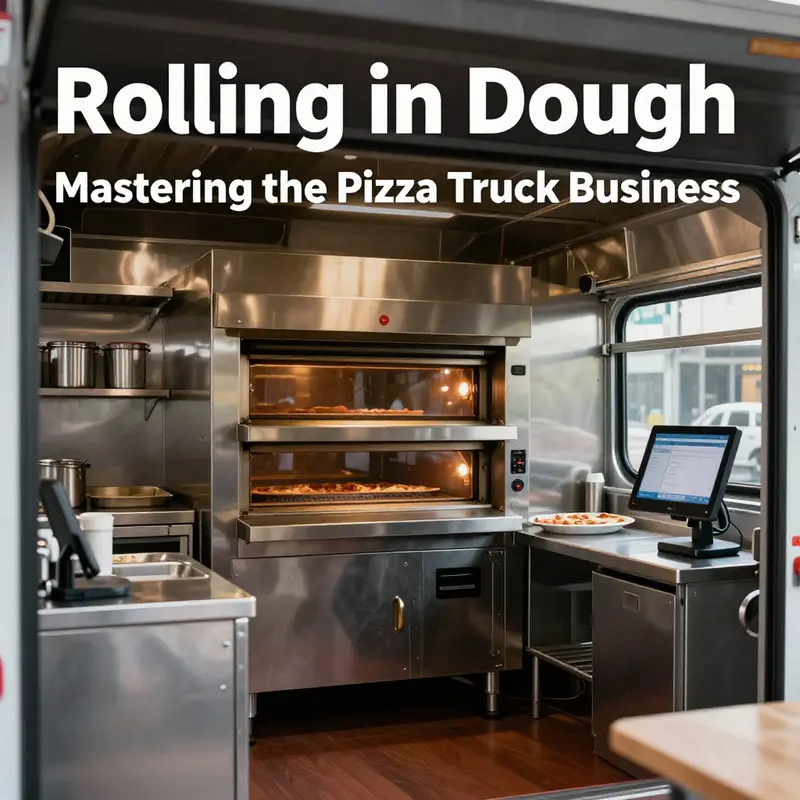
At the forefront of this evolution is the integration of wood-fired ovens into mobile food units. These ovens, often crafted from traditional masonry materials to emulate the authentic pizzaiolo experience, reach spectacular temperatures of 800°F or higher. This extreme heat is essential for achieving the kind of rapid cooking that is critical for crafting an ideal pizza—usually just under 90 seconds. The result is a deliciously blistered crust that boasts a light, chewy interior complemented by a subtle charred flavor that aficionados have come to love. With such high-temperature capabilities, food truck operators can replicate the flavor profile of artisan pizzerias in their mobile kitchens.
The advent of stone-lined cooking surfaces further enhances the performance of these ovens. By improving heat distribution, these surfaces ensure that every part of the pizza is evenly baked, preventing the common issues of soggy crusts or uneven cooking that many food vendors previously faced. This innovation is particularly beneficial in the bustling environments of food festivals and street markets, where serving speed and food quality are paramount. As consumer preferences shift towards authentic, craft-style pies, pizza trucks equipped with advanced cooking technologies are well-positioned to thrive in this competitive landscape.
In addition to wood-fired ovens, mobile pizza trucks are embracing other innovative cooking technologies that enhance operational efficiency and expand menu offerings. For instance, modern box-style ovens, which utilize insulated steel chambers and flat cooking surfaces, allow for higher throughput without sacrificing quality. These ovens enable operators to serve a diverse range of menu items beyond traditional pizzas, such as fries, shawarma, and kebabs, thus broadening their appeal and attracting a wider customer base.
Equipping a pizza truck with advanced cooking technology is not merely about enhancing food quality; it is also a matter of promoting sustainability. The latest wood-fired ovens are designed to minimize emissions and use renewable resources, making them an environmentally friendly option compared to traditional gas-powered appliances. This environmental consideration resonates deeply with contemporary consumers, many of whom prefer brands that align with their values—environmental sustainability included.
Moreover, the ability to customize mobile kitchens with these innovations is a draw for entrepreneurs looking to enter the mobile food industry. Several manufacturers offer customizable food truck setups catering specifically to the unique needs of pizza sellers. From oven configuration to storage solutions for ingredients, aspiring food truck owners can build a kitchen that not only meets their technical requirements but also reflects their brand identity.
For those intrigued by the entrepreneurial opportunities within the food truck sector, various mobile kitchen models are available; for example, the Piaggio Ape is a compact option appealing for its versatility and charm. Meanwhile, potential owners can find a range of trucks priced between US$2,500 and US$15,000, with features designed for optimal food service. Investing in a mobile pizza business has never been more accessible, and with the right equipment, owners can ensure both profitability and quality.
As the pizza truck trend continues to grow, technology’s role in shaping this business is undeniable. Creative uses of popular gaming themes—like those seen in titles such as “Pizza Truck: A Pizza Truck Driver Amazing Delivery Game FREE” and “Pizza Truck (Pizze Truk)”—demonstrate a cultural reverence for pizza that transcends mere consumption. These gaming experiences further engage the public’s interest in food trucks, merging virtual entertainment with culinary passion. Not only do they reinforce a connection between pizza and fun, but they can also serve as effective marketing tools for real-life mobile pizza ventures.
In conclusion, the innovations in cooking technology for pizza trucks have charted a new course for mobile cuisine, allowing operators to deliver a product that meets the high standards expected by today’s consumers. Whether using traditional wood-fired ovens for a genuine artisan touch or embracing modern, efficient cooking systems to reach a broader audience, pizza trucks are now better positioned than ever to thrive. With the right technology and approach, these mobile culinary units promise to captivate pizza lovers while redefining the landscape of casual dining. As food truck culture continues to evolve, the intersection of technology and gastronomic artistry will ensure that pizza remains a cherished staple, prepared with care and precision, no matter where it’s served.
For those considering launching their own pizza truck, understanding the technical and practical implications of these culinary innovations is crucial. For more comprehensive insights, refer to resources available on the technical standards and properties of wood-fired pizza trucks.
2. The Role of Adaptive Design in Modern Pizza Trucks
The world of mobile dining is undergoing a significant transformation, particularly seen in the rise of adaptive designs for pizza trucks. These innovations integrate advanced technologies that not only improve operational efficiency but also enhance customer experience and encourage sustainability. As urban landscapes evolve, the need for pizza trucks to be versatile and responsive to various market demands becomes increasingly pertinent.
Adaptive designs have expanded the traditional concept of a food truck from a mere kitchen on wheels to sophisticated operations equipped with a variety of technological advancements. Modern pizza trucks often feature modular interiors that allow for quick reconfiguration, enabling operators to adjust their offerings and layout based on customer traffic and local tastes. For example, the flexibility to serve a high-volume lunch crowd in a business district versus a more family-oriented menu at a weekend market can make all the difference in customer satisfaction and ultimately, profitability.
One cutting-edge element of these adaptive designs is the incorporation of climate-controlled cooking zones. This feature enables pizza trucks to maintain optimal cooking temperatures regardless of the external environment, ensuring that each pizza comes out perfect—crispy crust and fresh toppings. Coupled with these innovations are smart inventory management systems backed by Internet of Things (IoT) technology. IoT sensors monitor everything from the temperature of the oven and the freshness of ingredients to customer traffic patterns, effectively optimizing workflow. This streamlined operation not only minimizes food waste but enhances service speed, making the entire pizza experience enjoyable for customers.
Technological Impacts on Pizza Trucks
The technological impacts on pizza trucks are diverse, with one of the most significant trends being electrification and sustainable energy use. Electric pizza trucks are gaining traction in the industry, equipped with lithium-ion battery packs and rooftop solar panels. These trucks dramatically reduce fuel costs and help diminish carbon emissions, a critical factor as cities implement stricter emission regulations. For instance, a high-efficiency convection oven in an electric vehicle can sustain consistent baking temperatures without the use of gas, ensuring that pizza quality remains unaffected as the truck moves from one venue to another.
Moreover, the initial investment in these electric models averages around US$6,900, which opens up the market to more aspiring pizza truck operators. As a result, there’s a growing opportunity for entrepreneurs to operate sustainably without the financial burden traditional vehicles may impose.
In striving for operational excellence, pizza trucks are starting to embrace automation and data-driven operations. With the advent of AI-powered technologies, these mobile eateries can now analyze historical sales data and upcoming local events. AI algorithms help predict orders accurately, allowing for timely adjustments in ingredient inventory and staffing. This predictive approach caps volatility in operational demands, thereby increasing profitability while reducing stress on operators.
Additionally, the customer engagement landscape has transformed dramatically with technology integration. Modern pizza trucks now routinely feature mobile payment systems, which enhance the checkout experience for customers. Digital menu boards not only provide dynamic updates but can also relay special promotions in real time, fostering a sense of community and keeping patrons informed. As a business owner, the ability to engage customers via social media offers a unique opportunity to build brand loyalty that may transcend the truck experience itself, prompting customers to follow the pizza truck on social platforms to stay updated on their location and offerings.
In terms of durability and adaptability, the evolution of pizza trucks indicates a shift towards creating resilient business models. Rather than being confined to a single layout or menu, adaptive designs offer operators the ability to customize their trucks based on various factors, from cuisine trends to weather conditions. This flexibility allows pizza truck owners to pivot quickly in response to economic shifts or fluctuations in consumer preferences, thus maintaining relevance in a rapidly evolving market.
The future of urbanization also directly impacts pizza trucks. As more cities prioritize sustainable urban planning, electric and solar-powered food trucks are being given preferential treatment during permitting processes and designated parking allocations. This movement towards greener, smarter food ecosystems emphasizes a collective commitment to innovation within the mobile dining industry.
In conclusion, adaptive food truck designs significantly enhance the operational capabilities of pizza trucks. As technology continues to shape the way these mobile kitchens operate, the opportunity for increased efficiency, sustainability, and customer interaction becomes more apparent. Entrepreneurs and established operators alike can benefit from embracing this shift, positioning themselves strongly within the vibrant landscape of mobile dining. As the pizza truck phenomenon grows, the integration of these adaptive features will likely define the competitive edge needed to thrive in this exciting culinary venture. For those eager to explore the intricacies of launching and operating a pizza truck, understanding these technologies will be crucial in building a successful business. Explore more about the necessary legal steps for launching a food truck here.
Chapter 3: Navigating the Evolving Landscape of Gourmet Mobile Pizza Dining
1. Consumer Trends Driving the Gourmet Evolution of Pizza Trucks
The pizza truck industry is witnessing significant transformation, reflecting not only the rise of gourmet offerings but also a shift in consumer preferences that favors quality, customization, and convenience. As urban lifestyles become increasingly fast-paced, traditional dining experiences are being redefined. Mobile pizzerias like A’s Pizza Truck are at the forefront of this culinary revolution, serving vibrant flavors and artisanal creations right on the street corner. This evolution is notably enhanced by a growing public appetite for unique food experiences that stand out, making pizza trucks a popular choice for those seeking something beyond conventional fare.
A notable trend reshaping the pizza truck market is the demand for healthier and personalized offerings. Gone are the days when consumers were satisfied with a simple slice topped with cheese and pepperoni. Today’s patrons are pursuing more sophisticated options, seeking out whole-grain crusts, plant-based proteins, and organic vegetables. This shift reflects a broader cultural trend toward wellness and individualized meals where dietary preferences play a pivotal role. Pizza trucks that embrace this model, allowing customers to build their own pizzas or offering seasonal menus, report heightened engagement from their clientele. This not only drives repeat business but also fosters community interaction, as patrons share their unique creations on social media.
In a competitive mobile dining landscape, branding and guest experience have evolved into crucial factors for success. The contemporary pizza truck does not merely serve food; it crafts experiences designed to be shared and celebrated. Truck owners are leveraging visually appealing designs, vibrant branding, and social media to connect with customers. By integrating digital ordering systems and promoting enticing, Instagram-worthy presentations, vendors create memorable moments that resonate particularly with Millennial and Gen Z demographics. As these groups prioritize authenticity and quality, they are more likely to support brands that reflect their values and lifestyle.
Simultaneously, technology plays a vital role in making pizza trucks an integral part of the urban dining ecosystem. The integration of mobile apps for ordering and payment not only streamlines the customer experience but also caters to the growing preference for contactless transactions. Convenience is paramount; consumers appreciate being able to order ahead of time, ensuring a swift and seamless dining experience, especially during busy lunch hours or popular community events. Such technological advancements open up new avenues for engagement, allowing pizza truck owners to reach a broader audience and enhance their operational efficiency.
The scalability of pizza trucks further distinguishes them in the food marketplace. Economic challenges and resource demands make traditional brick-and-mortar establishments less viable for many aspiring restaurateurs. Conversely, pizza trucks present flexible, cost-effective solutions for both new entrepreneurs and established brands looking to expand. They can easily adapt to various events—ranging from corporate gatherings to food festivals—allowing them to serve large quantities without the overhead associated with a permanent establishment. This versatility ensures that they consistently meet the evolving needs of both customers and businesses.
Moreover, as gourmet food festivals gain popularity, they provide an ideal platform for pizza trucks to showcase their offerings. These events not only celebrate culinary innovation but also foster connections between food vendors and enthusiastic consumers eager to taste the latest trends and flavors. Pizza trucks that participate in these gatherings stand to increase their visibility and customer base exponentially.
Despite the challenges posed by global events that can impact dining habits, the pizza truck industry remains resilient. Reports indicate a surge in interest among consumers looking for quality options that allow for social distancing while still enjoying gourmet dining. The comprehensive appeal of pizza trucks fits effortlessly into this narrative—serving fresh, exciting food with a convenient twist. Such adaptability is poised to propel the industry into a new era, where tradition meets innovation on wheels.
As the pizza truck industry evolves, so too does the way it interacts with the community. Many vendors are not merely selling pizzas; they are telling stories, promoting local ingredients, and engaging with their neighborhoods. By focusing on community-building and inclusivity, pizza truck owners cultivate loyalty beyond the product, drawing in customers who appreciate not just the food but the ethos behind the brand. This symbiotic relationship helps deepen the roots of these mobile pizzerias within the local culture, further enhancing their appeal.
To conclude, as consumer preferences continue to shift toward health-conscious, customizable, and high-quality dining options, the pizza truck market is well-positioned for growth. Driven by technological integration, a keen focus on branding, and an emphasis on community engagement, mobile pizza operations are more than just a fleeting trend. They represent the future of dining, reflecting the flexibility and innovation that modern consumers crave. The rise of gourmet offerings coupled with the ability to adjust to market demands will undoubtedly shape the future of the pizza truck landscape, ensuring that these culinary chariots drive forward with both flavor and purpose. For those aiming to dive into this lucrative business, understanding consumer trends is essential—not just for survival, but for thriving in the competitive yet rewarding world of mobile pizza dining.
For more insights into launching a successful pizza truck venture, consider exploring legal steps and best practices that can pave the way for your mobile food business journey: Legal steps for launching a food truck.
2. Navigating the Future: Technological Advancements and Regulatory Evolution in Pizza Truck Operations
The landscape of pizza trucks is rapidly evolving, driven by a combination of technological advancements and the tightening of regulatory frameworks. These changes are not just reshaping how pizza trucks operate but are also defining the future of mobile food services more broadly.
Central to the operational shift in pizza trucks is the integration of advanced point-of-sale (POS) systems. These systems have transitioned far beyond simple transaction processing. Modern POS solutions now incorporate mobile payment options, customer loyalty programs, and comprehensive inventory management tools. For pizza truck operators, such innovations translate into faster transactions, which are critical in a high-demand environment where customers expect quick service. Enhanced inventory tracking capabilities allow operators to manage supplies effectively, minimizing waste and ensuring that the freshest ingredients are available for their culinary creations.
With health and safety being more critical than ever, the advent of regulations like the Pizza Products Processing Technical Specification has significantly impacted the market. Enforced in 2026, this standard introduced a rigorous set of 12 quality metrics that pizza truck operators are required to follow. Compliance with such regulations is not merely about avoiding penalties; it has become essential for establishing consumer trust and brand credibility. Operators such as Meiwen Pizza have embraced these requirements by obtaining HACCP certification and adopting stringent quality control protocols that encompass every step—from ingredient sourcing to final delivery. This proactive approach not only ensures adherence to heightened safety standards but also positions brands as leaders in the gourmet pizza sector, appealing to a discerning consumer base that prioritizes quality and transparency.
A burgeoning trend in the pizza truck market is the shift towards gourmet experiences that cater to sophisticated palates. Recent data suggests that pizza trucks have increasingly become mainstays at upscale events and gourmet food festivals, allowing brands to showcase their culinary creativity. This move toward premium positioning reflects a broader consumer demand for unique, high-quality dining experiences, particularly among younger demographics who value distinctiveness over mass-market offerings. As a result, pizza trucks are adapting their menus to include gourmet ingredients, artisan products, and innovative cooking techniques, showcasing a commitment to culinary excellence.
Moreover, the rise of hybrid food truck models is another notable trend that has emerged from these changing consumer preferences. Operators are successfully combining traditional pizza offerings with complementary products like gourmet coffees or freshly baked goods. This strategy has proven financially beneficial, with reports indicating that such multi-concept trucks generate 25–30% higher revenue per square foot compared to their single-product counterparts. The versatility not only attracts a broader customer base but also enhances the overall dining experience, inviting customers to indulge in a variety of choices.
However, these operational advancements are not without challenges. The evolving regulatory landscape can impose significant compliance costs on smaller operators who may struggle to meet new standards. These rising costs can drive some less-prepared players out of the market, inadvertently benefiting well-established brands and those that have invested in operational excellence. This environment underscores the importance of not just embracing technology but also developing comprehensive business strategies that incorporate legal and safety compliance as a core component.
To maintain their competitive edge, pizza truck operators are increasingly focusing on branding as a vital element of their marketing strategies. Creating a strong brand image through engaging storytelling, unique design, and memorable customer interactions has become crucial. Social media platforms are pivotal in disseminating a brand’s personality, sharing behind-the-scenes content, highlighting sustainability efforts, and promoting customer engagement. Effective use of social media can turn passive followers into loyal customers, enhancing both visibility and community affinity.
The integration of technological solutions extends to logistics as well. Operators are utilizing mobile applications for schedule management and location tracking, providing customers with real-time data on truck locations and estimated wait times. This transparency builds customer trust and can significantly improve customer satisfaction. As the industry gears up for even more technology integration, tools that streamline delivery logistics and improve communication between operators and customers will become standard practice.
In summary, the pizza truck market is experiencing a transformative phase characterized by the convergence of advanced technologies and stringent regulatory requirements. The successful operators of tomorrow will be those who can navigate this complex landscape with agility, harnessing innovative operational efficiencies, embracing gourmet trends, and meeting the evolving expectations of their customer base. With the continuous adaptation to these dynamics, the future of pizza trucks looks both promising and exciting, opening avenues for unprecedented growth in the mobile food service sector. As this market continues to mature, the focus will remain on quality, transparency, and unique culinary experiences, making these mobile pizzerias stand out in an increasingly crowded food scene. For more insights on navigating the regulatory landscape for food trucks, you can check out resources on the legal steps for launching a food truck.
Chapter 4: Transformative Presence: The Pizza Truck as a Community Hub
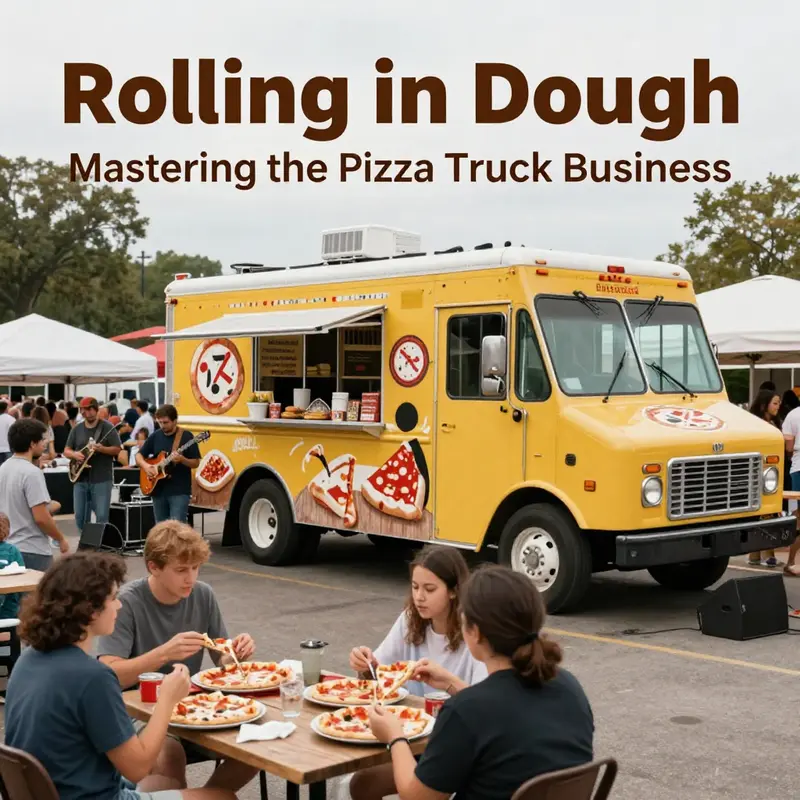
1. The Pizza Truck Experience: Cultivating Community through Culinary Connections
Mobile pizza trucks are carving out a unique niche as not merely food vendors but as vibrant community catalysts, elevating the essence of local gatherings through shared culinary experiences. This transformation is particularly evident in the operations of A’s Pizza Truck, which serves as a local favorite in Newmarket, Ontario, open for a limited time each Thursday and serving fresh, artisanal wood-fired pizzas. A’s Pizza Truck embodies the spirit of local cuisine on the go, not only answering the culinary cravings of residents but also acting as a touchstone for community engagement.
The flexibility of pizza trucks permits them to attend a variety of events, from farmers’ markets to neighborhood festivals, making them accessible vehicles of joy for people from diverse backgrounds. In doing so, they effectively transform transient moments into profound opportunities for connection. When the aroma of fresh-baked pizza wafts through a public park, it draws individuals together, inviting conversations and fostering companionship. These moments often evolve into shared stories, laughter, and nurtured friendships, establishing a sense of belonging and grounding within the community.
The Adaptive Role of Pizza Trucks in Communities
At their core, pizza trucks are agility personified. Unlike traditional brick-and-mortar restaurants, they can quickly adapt to community needs—deploying to schools for after-program meals, participating in local clean-up initiatives, or even providing food relief during emergencies. This adaptability reinforces their role as integral parts of community fabric, responding proactively with warmth and sustenance when the need arises. They do not simply serve food; they stand ready to enhance community life, offering nourishment for both body and spirit.
In addition, the focus on local sourcing and sustainable practices strengthens the pizza truck’s ties to its environment. By prioritizing locally-grown ingredients, these trucks contribute to the local agricultural economy while also appealing to consumers’ growing demand for fresh, sustainable products. This partnership not only benefits local farms but also enriches the truck’s menu, allowing it to boast of seasonal offerings that reflect the unique flavors of the region. Sourcing ingredients within proximity does not merely promote sustainability; it creates a narrative of connectivity and care that resonates deeply with customers.
Equally important is the way these mobile kitchens embrace inclusivity in their hiring practices. By building a diverse workforce, many pizza trucks champion equality, engaging team members from various backgrounds. This representation fosters a welcoming atmosphere where all community members feel seen and valued. Such inclusivity can serve as a powerful statement of the values that underpin a business, enhancing customer loyalty and trust.
Establishing Relationships: The Pizza Truck as a Ritual
For many entrepreneurs, operating a pizza truck is more than just business; it’s about fostering connections and cultural exchange. Regularly stationed at local events, A’s Pizza Truck becomes a familiar sight, instilling a sense of reliability in customers. Residents eagerly anticipate its schedule, turning pizza truck visits into communal rituals. This kind of consistency helps to build long-term relationships with patrons, transforming them from casual customers into passionate supporters of the truck—individuals who see the truck not solely as a source of nourishment but as an integral part of their local culture.
The interplay of food and community embodies a shared human experience. As families gather around a pizza truck, children and adults alike engage in light-hearted conversations, form connections, and strengthen neighborhood ties. These interactions reinforce the belief that food has the power to bring people together, serving as a universal language that transcends barriers. The pizza truck becomes a microcosm of this truth, a place where everyone—whether they are regulars or one-time visitors—can find acceptance and camaraderie.
Broader Cultural Implications of Pizza Trucks
Beyond their direct role in serving delicious meals, pizza trucks have broader cultural implications that resonate within urban environments. They symbolize a shift towards embracing informal dining experiences and the revitalization of public spaces through culinary adventures. By occupying underutilized urban corners or participating in city-supported programs, pizza trucks contribute to a vibrant community landscape that thrives on diversity and spontaneous interactions. They create a culture that values relatability and accessibility in dining, illustrating that good food should be enjoyed in conducive, welcoming spaces.
As mobile culinary ventures continue to evolve, they capture the imagination of aspiring entrepreneurs. The low-barrier entry of running a pizza truck opposes the traditional restaurant model, allowing passionate individuals to enter the culinary world while still shaping powerful community impacts. These ventures affirm that success is not just measuring profits, but also long-standing community relationships and strong local identities.
The cultural impact of a pizza truck like A’s encompasses much more than just its menu; it intertwines stories, experiences, and the essence of local culture, showing how a simple food offering can create profound social change. As these mobile kitchens thrive, they become celebrated landmarks, living testaments to the power of food as a vehicle for community engagement, transformation, and continuity inside the ever-evolving social fabric. For anyone looking into launching a similar enterprise, understanding these dynamics can be pivotal in creating a meaningful—and successful—pizza truck experience. For additional insights on starting a mobile food venture, check out practical advice on legal steps here.
2. Pizza Trucks as Catalysts for Economic Growth and Cultural Enrichment
The evolution of the pizza truck is emblematic of a larger transformation within urban food culture, serving as a vibrant intersection of economic opportunity and cultural diversity. In contemporary society, pizza trucks have risen in popularity, offering not just food but also a dynamic dining experience that reflects the tastes and preferences of diverse communities. This mobile culinary movement has fundamentally altered how we perceive and engage with food in urban settings, making it both an affordable livelihood for entrepreneurs and an enriching experience for consumers.
Economic Advantages of the Pizza Truck Model
At the heart of the pizza truck’s appeal is its ability to create economic opportunities with relatively low startup costs compared to traditional brick-and-mortar restaurants. Entrepreneurs inspired by culinary passions see pizza trucks as a gateway to enter the food service industry with a clear vision and minimal financial risk. With essential equipment like ovens, refrigeration, prep areas, and point-of-sale systems housed within a mobile unit, aspiring chefs can launch their ventures without accruing the significant overhead typically associated with leasing a restaurant space.
As noted in industry insights, these mobile kitchens attract a range of new business owners, from seasonal vendors at festivals to budding entrepreneurs seeking unique business models. Such accessibility paves the way for diverse voices in the culinary arts, fostering innovation and stimulating local economies. According to recent studies, food trucks can significantly contribute to job creation in their communities by generating a multitude of indirect jobs and increasing local sales tax revenues, creating an economic ripple effect.
Moreover, the trend towards artisan food options from pizza trucks not only attracts a new wave of food-loving consumers but also revitalizes local communities by keeping more money within the neighborhood. Residents and visitors alike benefit from the presence of local vendors offering high-quality food that resonates with cultural and regional preferences, making the pizza truck much more than just a food vendor—it becomes a centerpiece of community engagement and identity.
A Showcase of Urban Food Diversity
Pizza trucks also play an essential role in enriching urban food diversity. The accessibility and mobility of these units allow them to introduce a spectrum of culinary traditions to areas where innovation may otherwise stagnate. From traditional Neapolitan pizzas, seasoned with authentic ingredients and strategically baked to perfection in wood-fired ovens, to modern interpretations that explore fusion flavors and varied dietary preferences, these trucks cater to a diverse array of tastes and traditions.
The adaptability of pizza trucks extends beyond just the menu. They often pop up in public parks, festivals, and events, making gourmet pizzas available to a broader audience and creating a communal space for dining. This trend is notable in urban areas where residents may not have easy access to diverse dining options. The willingness of these trucks to reach underserved neighborhoods enhances food accessibility, boosting the culinary landscape and directly addressing food deserts by providing delicious and affordable meal options.
Enhancements have been made in technology alongside the traditional methods. Walking the line between rapid cooking and authentic taste, modern designers have even produced electric pizza ovens that allow for sustainable operating practices while ensuring that the quality of the finished product remains uncompromised. For consumers, this flexibility translates to a broader variety of culinary experiences, rewarding their exploratory palates and fostering connections through food.
Redefining Community and Urban Food Culture
The ongoing adaptation of pizza trucks has not only revolutionized how urban dwellers engage with food but has also redefined social interaction in communal spaces. Emerging trends indicate that modern consumers are increasingly seeking experiences, not merely meals. A pizza truck encapsulates this desire by delivering not only food but an evolving culinary experience characterized by variety and discovery. Engaging with customers through creative menus, vibrant branding, and interactive service styles enhances the overall experience, allowing patrons to form connections with the vendors and the food itself.
The atmosphere associated with pizza trucks fosters a sense of community that is often missing in traditional dining settings. Customers can gather in casual, spontaneous settings, exchanging stories and reveling in the culinary delights that are being prepared right before their eyes. The outdoor experience of dining from a truck often sparks conversations and connections among patrons, fostering friendships that extend beyond the meal itself.
Navigating the Future: Operational Insights
Those who aspire to join this thriving movement will find abundant technical and operational resources available. Many successful pizza truck owners advocate for understanding the nuances of their selection processes by examining various types of oven configurations, fuel options, and operational metrics tailored to their business goals. As the market continues to expand, maintaining a focus on adaptability and creativity will enhance the sustainability of pizza truck operations while contributing positively to local economies and cultural landscapes.
As the pizza truck culture continues to expand, it remains an incredible testament to the evolving interplay between food service, community, and the economy. Individuals who may once have faced barriers to entry in the culinary world are now finding pathways to success through these nimble mobile units, each contributing to the rich tapestry of urban life with every slice they serve. It is a horizontal system that supports not just economic growth but enriches the vibrancy of local culture through every delicious bite. For those interested in exploring the steps to launch a food truck business of their own, there are critical legal aspects and strategic considerations that can be addressed for a successful endeavor in this dynamic sector. By tapping into the potential of pizza trucks, individuals can redefine urban food culture while offering cherished culinary experiences that delight and connect communities.
For more detailed insights into the steps needed to transform a food truck dream into reality, resources discussing the legal framework and practical considerations can be found here.
Final thoughts
The journey of establishing a successful pizza truck is layered with opportunities for innovation and connection within the community. As the mobile food industry continues to thrive, business owners can leverage evolving technological advances, respond to dynamic market trends, and build a cultural bridge with their offerings. Emphasizing not only the food but also the experience they create can set entrepreneurial efforts apart in this competitive space. Those ready to embrace this vibrant aspect of the culinary scene are positioned to not only profit but also contribute meaningfully to their local cultures and communities.