
Introduction
Starting a pizza food truck business is an enticing opportunity, especially in a culinary landscape that favors mobility and unique dining experiences. However, the journey begins with understanding the costs involved, which can significantly influence your initial investment decisions. This article delves into the fundamental question of how much a pizza food truck costs. We’ll explore the pricing landscape, factors that influence these costs, the differences between new and used models, and the specialty customization options that can elevate your mobile pizza business. By doing so, we aim to equip aspiring food truck owners with the crucial insights necessary for successful investment and operational strategy.
Tables of Contents
Chapter 1: Breaking Down the Budget: The Price Tag of Your Pizza Food Truck Dreams
- Foundations of Cost: Insights into Pricing for Beginner-Friendly Pizza Food Trucks
- Investment Insights: Analyzing Standard and Mid-Range Pricing for Pizza Food Trucks
- Luxury and Customization: The Cost of Designing Your Dream Pizza Food Truck
Chapter 2: Exploring the Price Range: A Comprehensive Look at the Cost of Pizza Food Trucks
- Deciphering the Cost Matrix of Pizza Food Trucks: Key Factors and Considerations
- The Price of Excellence: How Equipment Quality Drives Pizza Food Truck Costs
- Geography’s Role in Shaping Pizza Food Truck Success: Location, Costs, and Revenue Potential
Chapter 3: Exploring Pricing Tiers: What to Expect When Purchasing a New Pizza Food Truck
- Unpacking the Costs: A Comprehensive Look at New Pizza Food Truck Pricing
- Navigating the Savings: Evaluating the Cost of Used Pizza Food Trucks
- Price Determinants: Understanding What Influences the Cost of Pizza Food Trucks
Chapter 4: Decoding the Cost of a Pizza Food Truck: Specialty Customization and Features
- Navigating the Financial Landscape of Pizza Food Trucks: Understanding Customization Costs
- Fundamental Equipment and Customization: Maximizing Your Pizza Truck’s Potential
- Maximizing Market Presence Through Strategic Branding and Unique Design Elements
Chapter 1: Breaking Down the Budget: The Price Tag of Your Pizza Food Truck Dreams

1. Foundations of Cost: Insights into Pricing for Beginner-Friendly Pizza Food Trucks
The allure of starting a pizza food truck business is undeniable, especially for aspiring chefs and entrepreneurs eager to bring their culinary creations to the public. Understanding the costs associated with getting into this sector is crucial to determining the scope of your venture. While a multitude of factors influence pricing, beginning with entry-level models can be a smart and strategic choice for those just starting out.
Entry-Level Price Range
For those looking to test the waters without sinking significant resources, entry-level pizza food trucks provide an accessible starting point. The most basic models are listed at prices starting around $2,500. These units typically feature essential cooking appliances and basic setups, making them ideal for anyone looking to assess their market viability while keeping expenditures low. At this price point, buyers can expect to find basic amenities like a small pizza oven, refrigeration unit, and minimal storage facilities. Such models serve as a blank canvas, allowing owners to personalize or upgrade functionalities as they gain experience and insights into their operations.
These initial offerings are particularly suited for entrepreneurs initiating their journey in the food truck industry. The reasonably low financial barrier encourages creativity and experimentation, allowing operators the chance to refine their menu and figure out optimal cooking techniques without the pressures usually associated with higher investment risks. It’s perfect for those operating in low-cost areas or those still gauging interest in their pizza creations.
Mid-Range Considerations
As budding business owners gain confidence, shifting toward mid-range models is logical. From $6,450 to $15,000, these trucks boast an impressive array of features designed to elevate the cooking experience and enhance service provisions. At this price point, buyers can expect more substantial kitchen integrations—these models often include extensive culinary systems that allow for diverse menu offerings.
Specific aspects such as heat preservation plates, advanced insulation, and larger ovens greatly enhance operational efficiency and food quality. Additionally, the ability to customize the exterior design allows business owners to create a visually appealing brand presence that can attract customers right from the get-go. Custom color schemes and branding options further help stand out in a crowded marketplace. This significant leap in price not only improves the overall cooking environment but also sets a solid foundation for scaling the business once it gains traction.
Key Features to Expect
While visibility and design are essential, understanding the equipment included in the purchase is critical. Fully equipped mid-range models often come with more sophisticated pizza ovens capable of reaching higher temperatures, assuring well-cooked pizzas in a shorter time frame. Furthermore, refrigeration capabilities are typically improved to handle larger volumes, which is especially important during busy hours.
Other advanced features may include improved mobility options, making it easier for operators to move to new locations, an invaluable perk in maximizing business opportunities. This fluidity allows food truck operators to cater to events or festivals strategically, capitalizing on foot traffic hotspots.
Consumer Resources and Recommendations
For both entry-level and mid-range options, it is essential to engage with reputable suppliers. Utilizing platforms such as Made-in-China.com can provide a comprehensive overview of various models alongside transparent pricing and specifications. Customers can directly inquire about after-sales services and secure payment options, ensuring their investment is protected. Furthermore, consulting with existing food truck business owners or industry-related blogs can offer firsthand insights into the realm of food truck operation. An especially helpful resource can be found at Truck Pizza Blog, which discusses the legal considerations of running a food truck business.
With the right entry-level model, aspiring food truck operators can step confidently into a thriving industry. Starting small allows for informed growth, proving that passion paired with prudent planning can yield a tasty reward after all.
2. Investment Insights: Analyzing Standard and Mid-Range Pricing for Pizza Food Trucks
When considering the venture of launching a pizza food truck, understanding the investment required is crucial for aspiring entrepreneurs. The market for pizza food trucks offers a wide spectrum of pricing options influenced by factors such as size, equipment, and features. This analysis focuses specifically on standard and mid-range pricing, demystifying the costs involved for those looking to enter this competitive culinary landscape.
Pricing Overview
At the entry-level of the pizza food truck market, the basic models are available for as low as $2,500. This price point typically covers the essentials needed to kickstart operations for individuals or small businesses eager to break into mobile food service. These entry-level food trucks are designed with simplicity in mind, ensuring newcomers can navigate the duration of setup without plunging into hefty debt. Basic equipment in these models often includes an oven, refrigeration, and a limited workspace, accommodating the fundamental functions of a pizza operation.
As businesses grow and evolve, many operators seek more robust solutions—this is where the mid-range options come into play. Priced around $6,200, these vehicles offer a more comprehensive suite of features conducive to serious culinary endeavors. Often found at discounted rates from their original prices, these mid-range food trucks bridge the gap between mere food vending and full-fledged mobile culinary experiences. Compared to the starter options, they often boast larger kitchen spaces and improved equipment, enabling operators to serve a wider range of dishes and to enhance the speed and efficiency of their service.
When comparing these two price tiers, it’s essential to consider the long-term value offered by mid-range options. Though the upfront cost is higher, a truck equipped with advanced features can facilitate business growth, allowing operators to expand their menus and improve service efficiency. Crucially, teams operating from these trucks often experience shorter wait times and an ability to meet higher customer demands, ultimately leading to increased revenue potential.
Investing in a food truck should be more than a mere transaction; it warrants a thoughtful examination of what you want your business to achieve. The lower-priced models may fit sterile start-up budgets, but an operator must balance this against potential operational inefficiencies that could hinder daily outputs and profits.
Moreover, when discussing pricing, it is vital to consider additional expenses that accompany the purchase of a pizza food truck. Factors such as licensing, permits, and insurance can influence the total investment amount. Prospective owners should be proactive in budgeting for these costs, which vary based on the location and operational scale. For instance, regions with robust food truck regulations may impose more stringent licensing requirements and fees, hence raising overall initial expenditure. This outside investment landscape often hammers home the need for a thorough comprehension of local laws governing food service vehicles.
Additionally, operators should be mindful of maintenance and operational costs that will arise perpetually. A pizza food truck, whether standard or mid-range, will require ongoing expenses such as fuel, equipment repairs, and inventory management. These variables should influence the decision-making process when selecting a food truck model, as they impact long-term profitability and sustainability.
When embarking on this entrepreneurial journey, the decision of which pizza food truck to invest in can often seem daunting. However, as prospective food truck owners assess their financial capabilities against the features and potential of each option, it becomes evident that both entry-level and mid-range models present viable pathways into the mobile food industry. The focus should always be on selecting a vehicle that aligns closely with business goals and operational aspirations, striking the right balance between initial cost, features, and long-term growth potential.
Ultimately, whether one chooses to start with a bare-bones unit or aims for a mid-range solution, understanding the nuances of pricing in this sector is integral to making informed decisions. For those intrigued by the world of mobile culinary ventures, delving deeper into the broader framework of operational guidelines, including legal requirements and operational logistics, should certainly be a priority. More detailed insights into these critical foundation steps can be explored further through articles that examine the legal landscape of food trucks, available through reputable sources in the food truck community.
3. Luxury and Customization: The Cost of Designing Your Dream Pizza Food Truck
When considering the investment needed for a pizza food truck, especially those designed for high-end markets or those featuring custom builds, it’s essential to grasp the various aspects that influence pricing. The entry point for a basic pizza food truck is around $2,500, but when you delve into the realm of customization and advanced features, prices can soar significantly, reflecting both the quality of the build and the complexity of the systems involved.
High-end mobile kitchen trucks that come fully equipped for serious culinary operation can range widely, with costs ranging from $8,999 to over $16,580 for comprehensive models. This price bracket typically includes advanced components such as commercial-grade pizza ovens, refrigeration units, customized cooking stations, and sometimes even integrated serving areas designed for efficient customer service. The complexities of these builds can greatly elevate the price, particularly when customers opt for features like specialized ovens or unique ventilation systems.
Aside from the base model pricing, customization plays a pivotal role in how much one might end up spending. A simple pizza food truck can rapidly transform into a mobile culinary powerhouse with the right features—adding premium insulation, custom exterior finishes, or bespoke kitchen layouts designed specifically for high output. This tailored approach not only enhances operational efficiency but also allows businesses to create a distinctive brand identity. A custom paint job, for example, or a unique brand logo prominently displayed on the truck, can significantly impact marketing outcomes and customer attraction.
Customization can also extend to the internal configuration of the truck. For example, chefs who require additional space to maneuver or plan to serve a diverse menu often invest in features such as adjustable shelving or modular cooking stations. These modifications ensure flexibility in operations, particularly during peak hours when every square foot counts toward efficiency.
Moreover, when considering a custom build, serviceability and after-sales support are crucial factors. Many suppliers offer extensive warranties and service options, helping you navigate issues that may arise due to wear and tear or machine malfunctions. These options come at a cost but are invaluable for maintaining the longevity of the investment. It is prudent to consult with suppliers regarding their policies on freight and delivery, as these can also introduce additional expenses that might inflate overall costs.
Costs can also vary depending on the geographic location of the supplier. For instance, shipping a highly customized food truck from a supplier located far away can lead to increased freight charges. Therefore, budgeting for logistics is as important as considering the base price of the vehicle itself. Collaborating with a supplier who can provide comprehensive quotes on both the truck features and associated delivery fees is essential in formulating an accurate total project budget.
With the high level of competition in the food truck industry, investing in a high-performance, fully equipped pizza trailer can serve as a crucial differentiator. Such models not only enhance operational capability but also contribute to creating a lasting impression on customers. Whether it’s a uniquely designed truck with a distinctive pizza oven or a with the latest cooking technology, these factors influence potential revenue streams.
Navigating the terrain of luxury pizza food trucks requires a keen understanding of your individual needs and how they will manifest throughout your business model. To further explore customization possibilities and detailed pricing options, potential buyers are encouraged to dive deep into resources like supplier listings and consult with experts in the field. This ensures informed decisions tailored to unique culinary aspirations well before the pizza reaches the customer. For additional insights into the procedural aspects surrounding food trucks, interested parties might find value in exploring the legal steps involved in launching such culinary ventures via relevant blogs. As this market continues to evolve, staying updated on pricing trends will give aspiring food truck owners the knowledge they need to make sound investments.
Chapter 2: Exploring the Price Range: A Comprehensive Look at the Cost of Pizza Food Trucks
1. Deciphering the Cost Matrix of Pizza Food Trucks: Key Factors and Considerations
When considering entering the competitive landscape of mobile food service, particularly with a pizza food truck, understanding the various influences on costs is paramount. The price of a pizza food truck isn’t merely a number; it encompasses a multitude of elements that define what you get for your investment. This complexity necessitates a detailed examination of the factors that shape both the initial purchase price and ongoing operational costs.
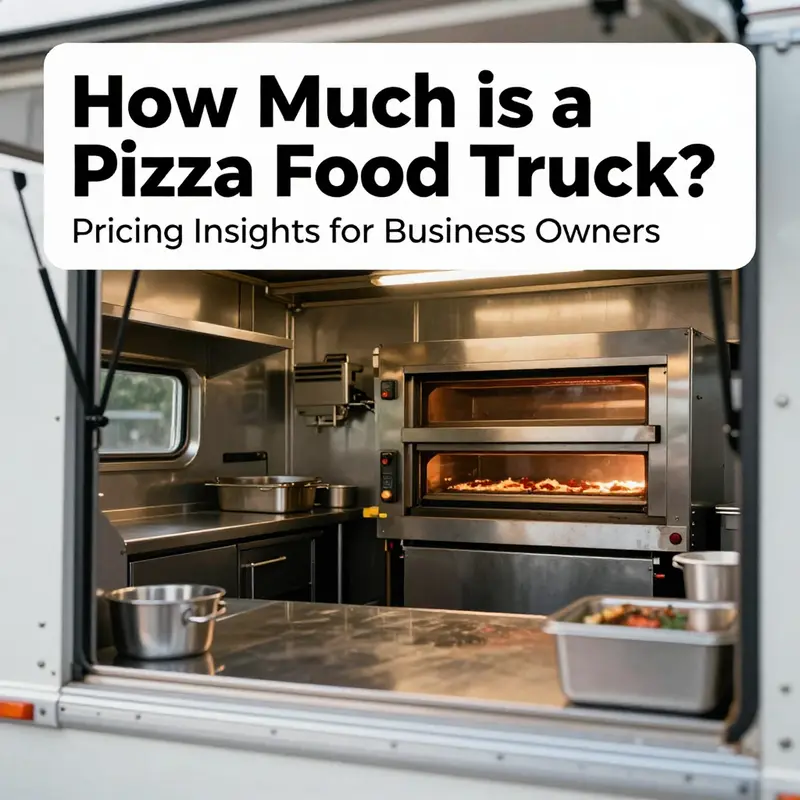
At the outset, one of the most significant determinants of a pizza food truck’s cost is the type and quality of the equipment utilized. Commercial-grade ovens, essential for crafting authentic pizzas, represent a significant investment. Not only do these ovens vary widely in price based on features such as heating technology and size, but they also fundamentally affect the quality of the pizza produced. Additional must-have equipment includes refrigeration units to store ingredients, prep stations for assembling meals, and sometimes even the truck’s very own unique customization tailored to brand identity and customer engagement. Each piece of equipment adds to the baseline cost, which can start at around $2,500 for basic models and escalate to over $15,000 for those provided with comprehensive kitchen setups.
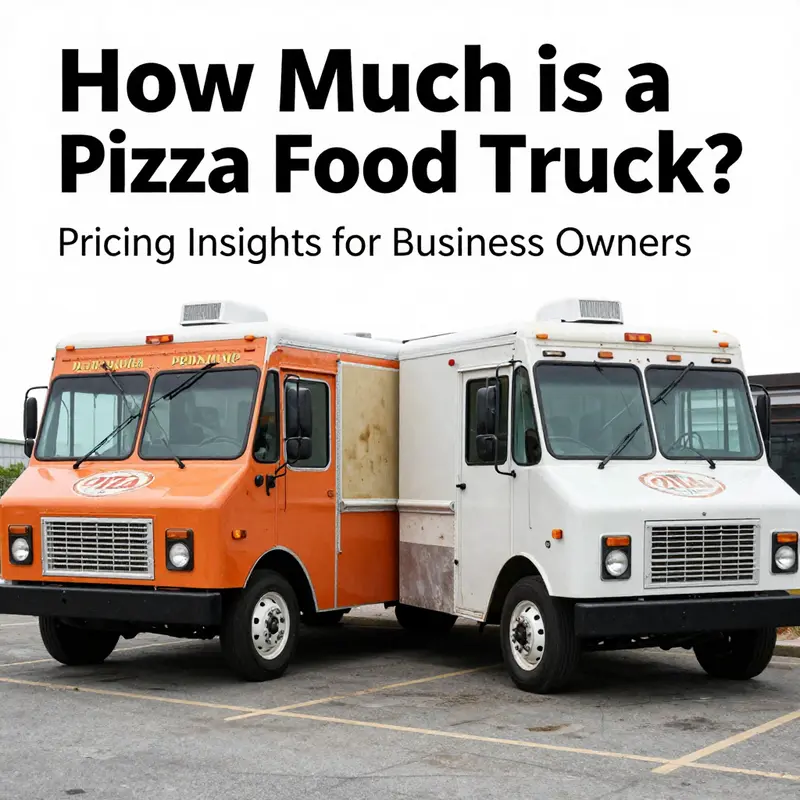
Moreover, the condition of the vehicle itself plays a pivotal role in cost consideration. New, fully customized trucks that offer advanced cooking technology and branding opportunities undoubtedly demand a higher price tag. In contrast, used or partially equipped vehicles can significantly lower initial expenditures. However, the caveat here is that purchasing a used truck may lead to additional costs for necessary upgrades or repairs, which could ultimately drive your total financial outlay higher than anticipated. Therefore, potential buyers must assess not only the sticker price but also the potential hidden costs of refurbishing an older vehicle.
From an operational standpoint, it is crucial to evaluate further expenses that will come into play once the truck is on the road. These operational costs include permits and licenses required to legally run a food truck in your desired location, adherence to safety and health regulations, and insurance premiums that protect your business and investment. Fuel, staffing requirements, and ongoing maintenance expenses round out the comprehensive financial picture. Each of these elements can vary widely based on location, operational scale, and local laws, making thorough research and strategic planning essential for aspiring pizza food truck owners.
An intriguing aspect of running a pizza food truck is the operational nuances that can unexpectedly influence costs. For example, pizza ovens demand a substantial preheat time of 30 to 60 minutes. This requirement not only affects energy consumption but also limits the turnaround time for serving customers. The longer your oven needs to be heated, the more energy it uses, directly impacting your overhead expenses. Understanding these operational realities can help in formulating a sustainable business model that aims to maximize profit while balancing customer satisfaction.
The importance of strategic planning cannot be overemphasized. Research conducted by experts in the food truck industry illustrates that both internal and external factors have significant impacts on the viability and longevity of a pizza food truck business. Internal factors can include your management capabilities and the strength of your business plan, whereas external factors often involve navigating local regulations and responding to market competition. A successful business will take a holistic approach, leveraging financial planning while also considering conditions in the target market.
For those seeking an in-depth analysis of potential startup costs and operational considerations, resources such as guides from culinary business experts outline the full range of expenses associated with establishing a pizza food truck. Engaging with detailed guides can provide insights that help in tackling common pitfalls faced by new entrants in the mobile food service industry.
Ultimately, grasping the complete cost landscape of running a pizza food truck allows entrepreneurs to make informed decisions that affect every aspect of their operations—from the initial truck acquisition to the day-to-day management of their culinary enterprise. Every dollar invested should be seen not just as a cost but as part of a broader strategy that judges potential returns and seeks to optimize customer interactions and service delivery. For further insights into launching a food truck successfully, check the informative piece on legal steps at Truck Pizza – Legal Steps for Launching a Food Truck.
2. The Price of Excellence: How Equipment Quality Drives Pizza Food Truck Costs
When considering the investment in a pizza food truck, many aspiring operators often focus solely on the initial purchase price, overlooking the critical role that equipment quality plays in determining overall costs. The truth is, the caliber of equipment incorporated into a mobile pizza kitchen has a profound impact on not only the vehicle’s purchase price but also its long-term operational expenses, maintenance, and potential profitability.
At the heart of any food truck operation are the cooking and preparation tools. The material quality used in equipment significantly influences the truck’s price tag. For premium models, materials such as 304 stainless steel are standard. This type of steel offers exceptional resistance to corrosion and is crucial for maintaining hygiene—an essential factor for compliance with health regulations. For example, a truck outfitted with high-grade stainless steel surfaces like the Food Maker Stainless Steel Restaurant Kitchen Equipment boasts not just aesthetic appeal but also enhanced safety and cleanliness. Conversely, trucks manufactured with cheaper materials might save money upfront but often lead to increased expenditure over time due to higher repair frequencies and maintenance needs. Such costs can add up, undermining the perceived savings of lower-quality options.
Electrical Specifications are another key consideration in the quality equation. The power requirements and the electrical systems integrated into the food truck directly affect its functionality. A model that operates at 4000W with versatile voltage options (like 380V, 220V, and 110V) will not only cater to a wider range of operational settings but also ensure reliable performance. While these robust electrical frameworks contribute to a higher initial investment, they offer substantial benefits concerning efficiency and reduced downtime, giving higher-quality trucks a competitive edge in the busy food truck market.
The structural integrity of the food truck, too, is a pivotal factor directly tied to equipment quality. For instance, a truck designed with an integral steel frame allows for enhanced stability while in transit and reduces wear from environmental elements, significantly prolonging its lifespan. Although adding features like a rust-resistant treatment might seem like a luxury, they serve to justify a higher cost—typically seen in trucks that range from US$6,200 to US$6,450. These enhancements not only make the vehicle safer but also align with best practices for durability and product longevity.
When it comes to equipment specifics, customization adds another layer to the pricing structure. For vendors, producing standardized models starting around $4,300 might be feasible, but as soon as customization options like size, color, and layout are introduced, costs can rapidly increase, especially for specialized culinary sectors such as gourmet pizza preparation. Listings show that custom builds can often exceed $6,000. This dynamic illustrates that personalization, while often necessary to meet specific customer demands, inevitably leads to higher overall investments.
In this landscape of mobile food services, the adage that ‘you get what you pay for’ holds particularly true. Basic food trucks may be accessible for under $5,000—for example, showcased in offerings like the Tuk Tuk Fast Food Truck at $4,900—but integrating high-quality, durable, and effective cooking equipment guarantees better performance and a lower likelihood of costly replacements and repairs over time. This direct correlation between equipment quality and investment is an important consideration for any potential pizza food truck owner.
To navigate this complex marketplace effectively, potential buyers should assess not only their budget but also their long-term operational goals. High-quality equipment may demand a larger upfront investment but offers the benefit of reduced operational costs and greater profitability down the road. Understanding these dynamics is crucial for achieving success in the competitive world of mobile gastronomy, especially in a niche as beloved as pizza.
For further insights on establishing a food truck, including necessary legal steps, consider visiting more detailed blogs that discuss launching a pizza food truck business. This knowledge can play an essential role in steering your decision-making process toward a fruitful investment.
3. Geography’s Role in Shaping Pizza Food Truck Success: Location, Costs, and Revenue Potential
When considering the investment in a pizza food truck, one cannot overlook the profound influence of geography on both startup costs and operational success. The specific location of the food truck not only dictates the immediate costs associated with running the business but also heavily impacts potential revenue streams. In 2024, research highlighted a clear correlation between foot traffic, proximity to residential areas, and business districts in determining both the viability and profitability of food truck operations.
For aspiring pizza entrepreneurs, high-traffic locales—such as bustling city centers, popular tourist destinations, or event venues—typically present a goldmine of opportunities. These areas, teeming with potential customers, promise higher sales volumes thanks to the inherent appeal of pizza as a convenient and satisfying meal option. However, the attractive revenue potential of these prime spots comes with its own set of challenges, most notably steep rental fees and stringent regulatory requirements. Obtaining permits to operate in these high-demand areas can add layers of complexity and expense to the startup process. As operational costs rise due to more expensive locations, it becomes essential for business owners to strike a balance between location desirability and budgetary constraints.
In contrast, choosing to set up shop in rural, low-density communities may offer markedly reduced operational costs, including lower rent and fewer permit fees. However, the trade-off is often a limited customer base, resulting in potential challenges in sustaining profitability. For pizza food trucks, striking the right chord in location selection is crucial, as areas with insufficient foot traffic can lead to disappointing sales numbers, regardless of the quality or appeal of the food offered.
Moreover, specific cities enforce strict regulations surrounding food truck operations, including designated parking spots, spaced permits, and local health inspections. These local ordinances can contribute significantly to the overall cost of doing business, particularly in major metropolitan areas where compliance can become a more elaborate and expense-heavy process. Therefore, potential food truck owners should conduct thorough research on the local regulations governing food trucks in their chosen area to avoid unforeseen challenges that could affect their bottom line.
Accessibility to target demographics is another key factor that influences both operational costs and customer engagement. Food trucks located near popular residential neighborhoods or commercial hubs can capitalize on the synergy of feeding both locals and those seeking convenience while out shopping or working. Integrating with local events, farmer’s markets, or festivals can enhance visibility and create added value, positively affecting revenue potential. The careful consideration of these factors often leads operators to conduct field tests or trial runs in various neighborhoods to gauge the best locations suited for their specific offerings.
Amid these considerations, effective marketing strategies tailored to the chosen location can bolster visibility and drive customer engagement. Leveraging technology, social media, and mobile apps can bridge the gap between food trucks and potential customers, particularly in a landscape increasingly reliant on digital communication. Ultimately, the ecosystem of customer interaction revolves deeply around location coupled with marketing initiatives that resonate with the community.
In essence, geography plays a quintessential role in shaping the operational landscape for pizza food trucks. The balance of locations with high traffic and the associated costs of doing business creates a complex matrix that every aspiring food truck entrepreneur must navigate. Success often hinges not just on the quality of pizza served but on astute decisions regarding where to locate the food truck, how to engage with the community, and how effectively to manage both perceived and actual operational costs. By strategically selecting locations that balance cost with customer accessibility while remaining compliant with local regulations, pizza food truck owners can position themselves to maximize their earning potential.
For those looking to delve deeper into the regulatory aspects and business planning needed for launching a food truck, consider exploring more about the legal steps for launching a food truck to ensure you navigate the initial setup with success.
Chapter 3: Exploring Pricing Tiers: What to Expect When Purchasing a New Pizza Food Truck
1. Unpacking the Costs: A Comprehensive Look at New Pizza Food Truck Pricing
When considering the investment in a new pizza food truck, it’s essential to understand that the cost can fluctuate significantly based on various factors, such as size, included equipment, and overall features. For budding entrepreneurs, this initial capital outlay is not merely a transaction; it’s a foundational element that shapes future profitability and operational capability. According to current market datasets, the price range for a brand-new, fully equipped pizza food truck generally starts as low as $2,500 for basic models, extending upwards to $15,000 or more for high-end or custom-built options.
Basic Features and Initial Investments
The cost breakdown begins with the fundamental components of any mobile pizza operation. Key elements typically include built-in commercial ovens—either deck or conveyor styles—refrigeration units for ingredient storage, prep surfaces that aide in food preparation, and storage compartments for supplies. Additionally, many new food trucks come with integrated point-of-sale systems that facilitate smooth transactions, a critical asset for maintaining efficient customer service.
Investing in a new pizza food truck can also offer enhanced energy efficiency, adherence to modern safety standards, and potential warranties that cover repairs. Such advantages can assuage concerns over potential breakdowns associated with older vehicles, a common headache for those relying on pre-owned equipment. Though new trucks entail higher upfront costs, the trade-off often includes less frequent repairs, fewer mechanical failures, and improved service reliability.
The Upper Echelons of Pizza Food Truck Pricing
On the luxury end of the spectrum, high-end models designed for specialized culinary experiences can command prices upwards of $15,000, often reaching $16,580 for options laden with features meant to enhance the dining experience. These trucks may include elaborate design elements, like double-decker configurations or bar counters. Such enhancements target niche markets, including catering events or gourmet festivals where presentation is as vital as the food itself.
Moreover, conditionally converted vehicles—like a repurposed family van equipped for Neapolitan-style wood-fired pizzas—also fit into this higher price band, as they deliver unique offerings that can lure customers looking for artisanal cuisine. However, the costs associated with these specialty trucks can soar, dictated by both the originality of the vehicle’s design and the complexity of the equipment installed.
Long-Term Considerations
Entrepreneurs should understand that while the allure of purchasing a new pizza food truck is significant, the long-term implications of this purchase warrant careful consideration. Aside from the initial acquisition costs, ongoing expenses—including fuel, maintenance, and ingredient procurement—must be factored into your business plan. Moreover, the food truck market is dynamic; regular analysis of competitive pricing models can provide valuable insights into what’s currently successful within the industry.
Many suppliers prioritize customer support post-purchase, providing essential assistance regarding freight logistics and delivery timelines, which can be valuable aspects when aligning business operations. For a seamless entry into mobile pizza offerings, detailed discussions with vendors can uncover potential add-ons and financing options tailored to your specific business needs. Utilizing platforms that list multiple suppliers allows entrepreneurs to compare various features comprehensively, ensuring informed decisions based on their unique requirements.
Conclusion
In essence, entering the mobile pizza market with a new food truck heralds numerous possibilities and challenges. Thoroughly analyzing the scope of investment, the essential features required, and potential market dynamics can pave the way for establishing a profitable venture. By recognizing that the cost reflects not just the truck itself but the operational capabilities it endows, new operators can better navigate their choices. For those needing a deeper dive into the topic, consider reading about the legal aspects of launching a food truck and the various profitability potentials that await.
2. Navigating the Savings: Evaluating the Cost of Used Pizza Food Trucks
When delving into the financial aspects of launching a pizza food truck, understanding the distinction between new and used models becomes paramount, particularly for budding entrepreneurs on a budget. The price variance is not just a matter of age but speaks volumes about the potentials and pitfalls that each option presents.
New Models tend to cater to those who wish to command the market with cutting-edge equipment and stylish design. A brand-new mobile pizza food truck can range significantly in price—typically from $2,500 to $15,000 for entry-level models. Those equipped with comprehensive kitchens can start around $4,500, scaling to $16,580 for more upscale configurations. High-end options, such as sophisticated wood-fired trucks designed for gourmet offerings, often demand a premium due to their advanced oven systems that allow for crisp, artisanal crusts. Yet, not all regions are welcoming to such technology. City regulations around open flames and combustion equipment can further complicate the landscape for gourmet mobile kitchens, making their analysis crucial during purchasing considerations.
Used Models, however, often showcase the best opportunities for savvy buyers looking for immediate affordability coupled with possibilities for customization. The prices of used pizza food trucks reflect variables like age, condition, and prior usage—this is where remarkable savings can be found, albeit with caution. For instance, recent marketplace listings reveal eye-popping prices like $27,000 for a 1997 P30 model and $40,000 for a 1987 P30 variant which initially listed even higher. Such numbers emphasize that while older vehicles can still be sound choices, their depreciated value can obscure the potential need for substantial investment in repairs or upgrades in the long run.
Moreover, the used market offers unique treasures—particularly vehicles that boast a custom build or those that have been reconditioned in dedicated industrial hubs, especially in regions like Shandong and Henan, China. These areas specialize in revitalizing food trailers, providing a compelling logistic solution for buyers worldwide seeking cost-effective alternatives. These refurbished trucks can often be adapted for specific culinary visions, promoting both quality and innovation.
Non-motorized trailers present another viable option. These trailers, typically towed by separate vehicles, maximize interior space for equipment and stock, rendering them ideal for hosting large-scale events like festivals or weddings. They indeed bring down initial costs and can be simply parked and utilized over multiple days, aligning conveniently with event-driven businesses. Catering for private events introduces an additional layer of repeat revenue potential, making these units attractive to those prioritize flexibility in their operations.
For those inclined towards new purchases, online platforms like Made-in-China.com list modern food trailers starting at approximately US$4,000, featuring amenities that align with the latest safety and engineering standards. This avenue not only supports safety compliance but offers newfound reliability, a critical component in sustaining operational efficiency and customer satisfaction.
Ultimately, the decision between investing in a new versus a used pizza food truck hinges on several factors, primarily budget constraints, operational needs, and long-term business aspirations. The allure of a new truck lies in its reliability and the advanced technology it offers, all wrapped in an appealing exterior design. Conversely, a used truck may initially appear as financial salvation, particularly if it presents customization capabilities; but it is essential that buyers engage in meticulous due diligence concerning the vehicle’s condition, history of repairs, and any potential future investments needed.
By understanding the nuances of both used and new pizza food trucks, prospective business owners can make astute purchasing decisions that align not just with immediate financial constraints but with broader business objectives and market dynamics. A thorough analysis will not only aid in identifying suitable options but will also enhance strategic planning within the competitive landscape of mobile food service. For those looking to navigate the intricate pathways of food truck regulations, potential growth, and market fit, understanding the full scope of what a pizza food truck entails is an invaluable undertaking. This knowledge facilitates informed choices that lay the groundwork for a successful food truck launch, allowing entrepreneurs to both meet consumer demand and carve out a niche in the culinary ecosystem. If you’re exploring the business implications even further, you might find the legal steps for launching a food truck helpful here.
3. Price Determinants: Understanding What Influences the Cost of Pizza Food Trucks
When contemplating the purchase of a pizza food truck, various elements come into play that can dramatically influence the final price. A thorough understanding of these price determinants can help prospective buyers make informed decisions that best fit their culinary aspirations and budget constraints. Key factors contributing to the diverse pricing landscape include whether the food truck is new or used, size specifications, kitchen equipment quality, build materials, and the level of customization desired.
New vs. Used Models
The distinction between new and used food trucks is perhaps the most significant pricing factor. New food trucks typically command higher prices, primarily due to their modern features, warranty coverage, and overall efficiency. A brand-new pizza food truck can start at approximately $2,500, while more comprehensive units with full kitchens may begin around $4,500, reaching heights of up to $16,580 when fully loaded with high-quality cooking equipment. Buyers seeking high-end options may find luxury models priced between $8,999 and $11,690, boasting features like double-decker configurations or integrated bars that add to their allure.
Conversely, used pizza food trucks present a different pricing landscape. These units can vary widely, influenced heavily by factors such as age, condition, and brand reputation. For instance, a well-maintained 1997 P30 food truck was sold for around $27,000, while a less featured but still credible 1987 model was initially listed for $43,000 before dropping to a more manageable $40,000. Such discrepancies highlight the potential value retained by older, reliable models—demonstrating that buyers can sometimes find bargains in pre-owned vehicles, particularly if they have been kept in good condition.
Additional Factors Impacting Prices
Besides the age of the vehicle, several other vital influences affect pricing. Market demand plays a crucial role; in areas where food trucks are in high demand, prices can skyrocket due to competition and regional popularity for mobile cuisine. For instance, metropolitan areas with vibrant food scenes typically see higher price points than rural regions, which may have lower demand but also lower supply.
Geographical location can also dictate variation in pricing. For example, manufacturers in countries like China may offer mobile food trailers with full kitchens ranging from $3,480 to $5,890—benefiting from lower manufacturing costs that allow sellers to offer competitive pricing in global markets. This can provide prospective buyers with various options based on budget and logistics when sourcing food trucks.
Moreover, the size of the pizza food truck is a critical aspect influencing costs. Larger trucks that can accommodate expansive kitchen equipment and cooking facilities often command a premium. Buyers must carefully consider their operational needs; smaller trucks may save initial costs but could limit menu options or require more frequent replenishment due to space constraints. Alternatively, buyers looking to expand into events or large markets may opt for larger units that are more costly but provide the necessary flexibility.
Finally, customization plays a significant role in final pricing. Trucks equipped with specialized features—such as tailored wood-fired pizza ovens or custom graphics—will add to the purchase price. Prospective buyers should weigh the benefits of these investments against their overall budget and long-term operational goals. It’s essential to strike a balance between the upfront cost and the long-term value derived from efficiency, unique offerings, and potential revenue generation.
For individuals preparing to enter the mobile food industry, understanding these price determinants allows for a more strategic approach to selecting a pizza food truck. By considering factors such as new versus used models, size, market demand, and customization, buyers can ensure that their investment aligns with both their financial limits and their broader business objectives. For more accurate and detailed pricing on available models and specifications, exploring current listings from reputable marketplaces can be invaluable in making an informed choice and kicking off a successful enterprise.
As this industry continues to grow, so do the resources available for budding food truck owners, making it easier than ever to navigate the complexities of entering this exciting market.
Chapter 4: Decoding the Cost of a Pizza Food Truck: Specialty Customization and Features
1. Navigating the Financial Landscape of Pizza Food Trucks: Understanding Customization Costs
The journey to owning a pizza food truck is an intricate balancing act between financial investment and the allure of culinary independence. Understanding the costs associated with both the base model and the options for customization is essential for aspiring food truck entrepreneurs. Unlike traditional fixed restaurant spaces, pizza food trucks offer a dynamic platform, but this flexibility comes with its own set of financial considerations that vary widely based on ingredients and design choices.
The very first component in understanding the cost is the base vehicle itself. This chassis, which serves as the foundation for the entire operation, can range significantly in price from $20,000 to $50,000 and beyond. Factors like whether the vehicle is new or used, as well as the type and size of the truck, play a critical role in determining the upfront costs. A reliable chassis needs to meet food safety standards, often necessitating features like refrigeration or insulated bodies. The investment made here sets the stage for your brand’s operational capabilities and overall food truck longevity.
Following the chassis, one of the most substantial financial commitments comes in the form of kitchen equipment and its installation. A complete pizza kitchen generally requires a variety of essential appliances. The centerpiece, of course, is the commercial pizza oven. Options vary widely, with prices ranging from $3,000 to $15,000 or more depending on the oven type and efficiency. Additional equipment such as refrigeration units, crucial for ingredient preservation, typically costs between $2,000 and $8,000. Work surfaces and storage solutions, including stainless steel counters and sinks, enhance functionality at an additional $1,500 to $5,000. To support these installations, utilities—including plumbing, electrical wiring, and ventilation—often necessitate an investment of $2,000 to $6,000. Collectively, these kitchen equipment costs can amount to a staggering $8,500 to $34,000 depending on the selections made.
Customization options can dramatically impact overall expenses, allowing food truck owners to tailor their units to specific operational needs. The aesthetic appeal of the truck often starts with exterior design and branding, which can add anywhere from $1,000 to $5,000. The interior layout is equally significant; ergonomic features such as adjustable workstations or custom cabinetry usually increase costs by $2,000 to $7,000. For those looking to integrate modern technology, features such as digital menu boards and point-of-sale systems could add another $1,000 to $3,000. Additions like solar panels for energy efficiency or remote monitoring for operational oversight can raise your budget by a further $2,000 to $6,000.
Beyond the kitchen and branding, specialty features can greatly enhance the truck’s functionality. For instance, creating an outdoor seating area or canopy can set you back $2,000 to $10,000 while introducing dual-purpose modules (like a pizza truck that also serves ice cream) adds further complexity and can entail additional investments of $3,000 to $10,000. Enhanced insulation and climate control measures also contribute to operational comfort and can cost you an extra $1,000 to $3,000.
Legal elements cannot be overlooked: permits and licenses differ by city and state and generally cost between $500 and $2,000. Compliance ensures safety and protect regulations relevant to food service operations. Annually, insurance premiums can range from $1,500 to $5,000, adding another layer to the total financial picture.
Moreover, marketing and launch costs seek to establish initial brand presence, and budgeting for this aspect is critical; initial spending can amount to $2,000 to $10,000 for developing a solid marketing strategy, including social media outreach and promotional events.
All these factors lead to a staggering potential total cost range: a basic, off-the-shelf model might sell for $30,000 to $50,000, while a mid-range, moderately customized truck may sit in the $50,000 to $90,000 range. More elaborate, high-end units, fully equipped and customized, will easily soar into the realm of $100,000 to $150,000 or more. With numerous customization options available, aspiring food truck owners should carefully consider their budget while dreaming big.
Ultimately, for tailored quotes and precise specifications, potential buyers are encouraged to reach out to suppliers directly. Platforms focusing on food truck sales offer a broad array of choices, allowing you to explore various configurations and find one that fits your vision without compromising on quality or compliance needs. In this vibrant space of culinary entrepreneurship, every dollar spent is an investment toward translating your unique pizza vision into reality. To navigate these waters confidently, familiarizing yourself with local regulations and industry standards is advisable, such as reading about the proper legal steps for launching a food truck here.
2. Fundamental Equipment and Customization: Maximizing Your Pizza Truck’s Potential
When embarking on the journey of establishing a pizza food truck, understanding the integral role of essential equipment cannot be overstated. Not only does the right gear ensure operational efficiency, but it also contributes decisively to the quality of the product and the overall customer experience. The journey begins with the heart of any pizza food truck—its oven. A high-performance mobile oven is crucial for producing quality pizzas quickly. Many food truck operators opt for wood-fired or gas-powered conveyor ovens that can reach scorching temperatures of 700 to 800°F. This intense heat is vital for achieving that coveted crispy crust which is essential for standing out in a crowded market.
In addition to the oven, a commercial-grade refrigerator or freezer is a must-have. Proper storage for ingredients such as cheese, dough, and meats is critical not just for safety, but also for maintaining high-quality standards. It’s this foundational element that ensures freshness and enhances customer satisfaction. Just as important is a sturdy prep table. A well-designed workspace for ingredient preparation allows for speed and efficiency while minimizing cross-contamination, across various food items.
An indispensable part of running a food truck is the requirement for multiple sinks. This feature not only adheres to health code standards but also streamlines operations. Washing produce, cleaning utensils, and maintaining overall hygiene are vital elements that can often be overlooked but are essential for successful operations.
Moreover, meeting local health regulations involves having a dedicated water supply and a grease trap. These installations help ensure compliance with municipal health codes and contribute to a safe dining experience for customers. Mobile food operations, especially, can face stringent compliance checks, making these elements non-negotiable.
To power your equipment, particularly when operating away from reliable electrical hookups, portable power sources like generators become necessary. The choice of generator can depend on the size and requirements of the kitchen setup, but having a robust energy supply ensures that your operations run smoothly, even in less-than-ideal situations.
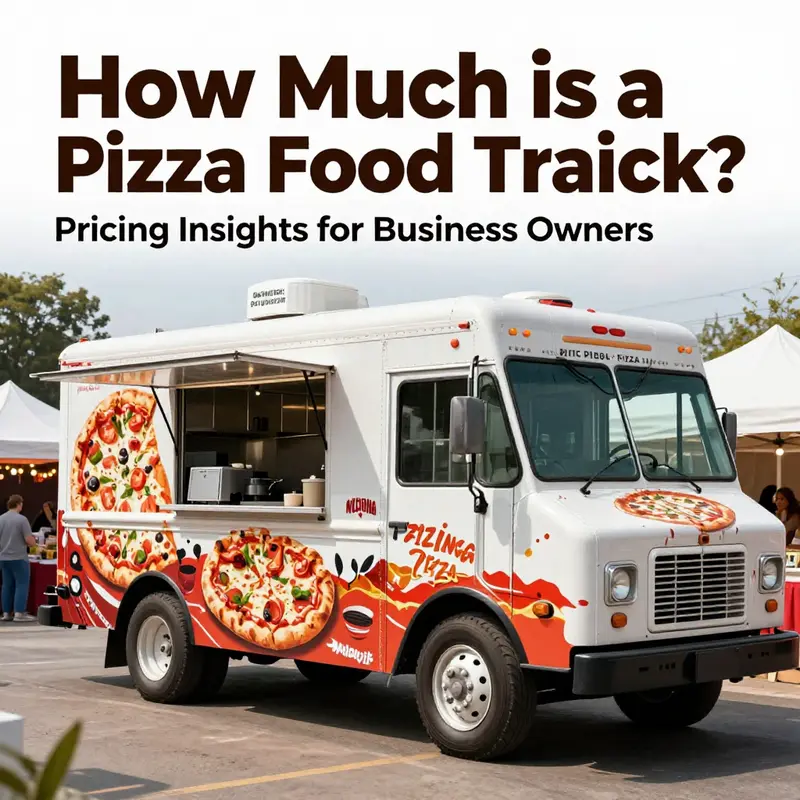
Beyond these essential items, customization offers a significant advantage in creating a distinct brand identity. Many food truck owners are increasingly recognizing the importance of custom exterior graphics. This aspect goes beyond mere decoration; it reflects the theme of the truck, whether it’s a sleek modern design or a nostalgic retro diner aesthetic. Eye-catching graphics can attract potential customers, creating a memorable first impression that sets the stage for business success.
Similarly, interior layout customization plays a crucial role in optimizing workflow. A thoughtfully planned kitchen maximizes efficiency and creates a smooth operational flow from ingredient preparation to cooking and serving. For example, positioning the oven near the customer service window allows for quick order fulfillment, enhancing interaction and satisfaction.
The menu itself can be a point of differentiation. Specialty equipment, such as sous-vide machines for creating slow-cooked meats or dedicated spaces for crafting sauces and toppings, can elevate the standard offerings. Catering to a more sophisticated clientele or those seeking unique flavors requires innovative equipment and preparation techniques.
Incorporating technology can substantially enhance service quality. Utilizing digital ordering kiosks and integrated Point of Sale (POS) systems streamlines service, collecting valuable data on customer preferences and purchasing behaviors. This integration not only speeds up the ordering process but also provides insights that can inform marketing strategies and inventory management.
In summary, investing in the right essential equipment and innovative customization options not only enhances operational efficiency but also lays the foundation for a successful pizza food truck brand. As competition in the mobile food industry intensifies, these elements become critical in distinguishing your offerings from others. For those contemplating entering this vibrant market, understanding these foundational aspects will lead to informed decision-making and optimal resource allocation, ultimately ensuring a thriving venture. For a more in-depth exploration of navigating various regulatory requirements before launching your pizza truck, consider visiting the legal steps for launching a food truck.
3. Maximizing Market Presence Through Strategic Branding and Unique Design Elements
In the competitive landscape of mobile food vending, particularly with pizza food trucks, the avenues of branding and design play an invaluable role in determining not just the upfront cost of a vehicle, but its longer-term profitability and customer engagement. An investment in a pizza food truck goes beyond the mechanics and kitchen equipment; it significantly hinges on how a truck is presented to potential customers and how well it translates the brand’s identity into a visual narrative. An eye-catching, well-branded food truck can turn heads and generate foot traffic, which directly influences sales figures.
When considering the customization options available for branding and design, several prominent factors come into play that can distinctly affect the overall budget. The first component involves the color scheme of the truck. Bold color choices—like vibrant reds and yellows associated with appetizing visuals—can drastically elevate a brand’s visibility. Conversely, a muted palette might suggest a more upscale or gourmet offering, tailoring the appeal strategically towards a specific audience segment. Hence, the choice of colors should resonate with the brand identity and target demographic, adding significant weight to the investment decision.
Equally essential is the incorporation of unique logos. A professionally designed logo exemplifies brand values and enhances memorability among consumers. This symbol becomes the face of the operation, appearing on marketing materials and social media. Engaging a graphic designer to create an original logo not only promotes brand distinctiveness but also contributes to the overall aesthetic of the truck, tying different elements together cohesively.
The integration of eye-catching graphics is another area where pizza food truck owners can truly differentiate their offerings. Vibrant graphics that showcase signature menu items or thematic elements can dramatically increase foot traffic, enticing potential customers. Whether it’s an enticing image of a freshly baked Margherita or a whimsical cartoon depicting an enthusiastic pizza chef, these visual representations can create a narrative that engages the public’s interest.
As potential customers step closer, the interior design and layout of the food truck become increasingly significant. The functional yet inviting setup contributes to a compelling customer experience. Initiatives such as open kitchens – where patrons can see their pizzas being crafted – foster an engaging atmosphere that encourages social interaction and creates a memorable dining experience. This educated, inviting design not only enhances customer satisfaction but further translates into positive word-of-mouth marketing.
Customization does not stop at visuals; specialized design elements can elevate both the aesthetic and functional capabilities of the truck. Features such as branded signage, illuminated logos, and stylish exterior finishes enhance visibility during day and night, attracting a larger audience base. High-quality materials, including stainless steel, not only add durability to the construct but also signal to customers a commitment to quality and cleanliness, crucial aspects in the food industry.
Of particular interest to many gourmet pizza makers is the ability to feature a wood-fired pizza oven. This added element not only increases production speed but can create an unrivaled flavor that sets the offering apart within a crowded market. Its inclusion typically necessitates thoughtful design considerations to maintain an attractive and coherent look, which will influence costs accordingly but potentially allow for premium pricing strategies that reflect the product’s caliber.
When evaluating these customization options, it is advisable to connect with suppliers who specialize in mobile food truck designs. Platforms like Made-in-China.com offer insights into various customization features, enabling potential food truck owners to tailor their vehicles to truly reflect their brand identity, whether that be chic and modern or vibrantly retro.
In summary, investing in strategic branding and distinctive design elements transforms a pizza food truck from a simple vendor into a mobile marketing powerhouse, enhancing customer attraction and post-purchase loyalty. The resulting financial implications go well beyond the initial outlay, setting the stage for sustained success in the competitive food truck domain. For those interested in delving deeper into the synergy between design and profitability, examining legal steps for launching a food truck may provide additional insights toward thriving in this robust market.
Final thoughts
Understanding the investment required for a pizza food truck is paramount for business owners looking to succeed in this vibrant industry. By analyzing the pricing landscape, recognizing the factors influencing costs, comparing new and used models, and exploring the world of customization, you are better prepared to make informed decisions that align with your business vision. Armed with this knowledge, you can confidently navigate the exciting journey of launching your own pizza food truck business.