
Whether you’re a pizza enthusiast dreaming of your own mobile pizzeria, a corporate team looking for unique catering options, or event planners aiming to dazzle guests with delicious offerings, the pizza food truck landscape is both inviting and lucrative. Yet, while the aroma of fresh pizza can capture hearts, understanding what drives profitability is essential for success. In this exploration, we’ll dive into the key factors influencing the financial success of pizza food trucks, uncover types and styles that enhance profitability, examine essential equipment choices, and discuss effective marketing strategies that can propel your venture forward. Join us and discover how to turn your passion for pizza into a thriving business.
Profit on Wheels: Navigating Location, Efficiency, and Loyalty in Pizza Food Trucks
Profit on wheels is not a singular moment of luck; it is a continuous negotiation between where you stand, how you operate, and how you connect with the people you serve. In the broader conversation about whether pizza food trucks can be profitable, the evidence points to a positive answer—but only when an operator treats profitability as an ongoing discipline rather than a one-off win. The latest financial snapshots from early 2026 illustrate the starting point plainly enough: a new pizza truck owner invested a modest amount, around five thousand dollars, rented a vehicle, and sold five hundred pies at ten dollars apiece in the first month. That is revenue of five thousand dollars, a figure that sits at break-even if costs align tightly with revenue. Yet this same scenario hints at the real lever of profitability: volume, cost discipline, and strategic placement can turn that break-even baseline into meaningful margin growth over time. In other words, profitability is less about a single high-ticket sale and more about a stable rhythm of sales paired with smart resource use. When an operator actively tunes location, time, and process, even a lean initial investment can seed a durable profit cycle that scales across weeks and months rather than resetting at the start of every event.
Location remains the most visible driver of demand in a mobile pizza model. A truck or cart’s daily outcomes hinge on foot traffic, the nature of nearby activity, and the cadence of nearby populations. The research on food truck dynamics consistently shows that proximity to residential clusters, office corridors, and event venues can tilt the odds toward higher volumes. For a pizza truck, lunch-hour windows near office parks or school districts can translate into reliable midweek revenue, while weekends near markets or festival grounds can deliver surge demand. The lesson is straightforward: choose spots that align with the urban flow—areas where people frequently move, linger, or need quick, comforting meals. The best operators treat location as an ever-present variable rather than a fixed backdrop. They scout where the crowds gather, negotiate for prime daily slots when possible, and adjust their routes based on weather, season, and competing nearby activity. A strong location strategy acts like a magnet for volumes, and volume, in turn, amplifies the leverage of every cost in the business model.
Operational efficiency sits at the heart of turning high traffic into high throughput. The modern pizza truck is a showroom for speed and consistency as much as for flavor. One area where efficiency matters most is in the equipment lineup. A mini pizza machine, for instance, can streamline core processes such as dough pressing and heating, delivering consistent rounds of pies with a fraction of the manual effort. These automated or semi-automated units can drastically cut preparation time, enabling staff to handle more customers in the same shift without a corresponding surge in labor costs. Of course, these units come with trade-offs: upfront capital expenditures, electrical demands, and ongoing maintenance. Yet their energy efficiency and reliability can translate into faster service, steadier pizza quality, and lower per-pie labor costs—factors that accumulate into meaningful margins as volume grows. In fast-service contexts like food trucks, where every second counts, tools that standardize output become not just convenient quirks but essential components of a sustainable business model.
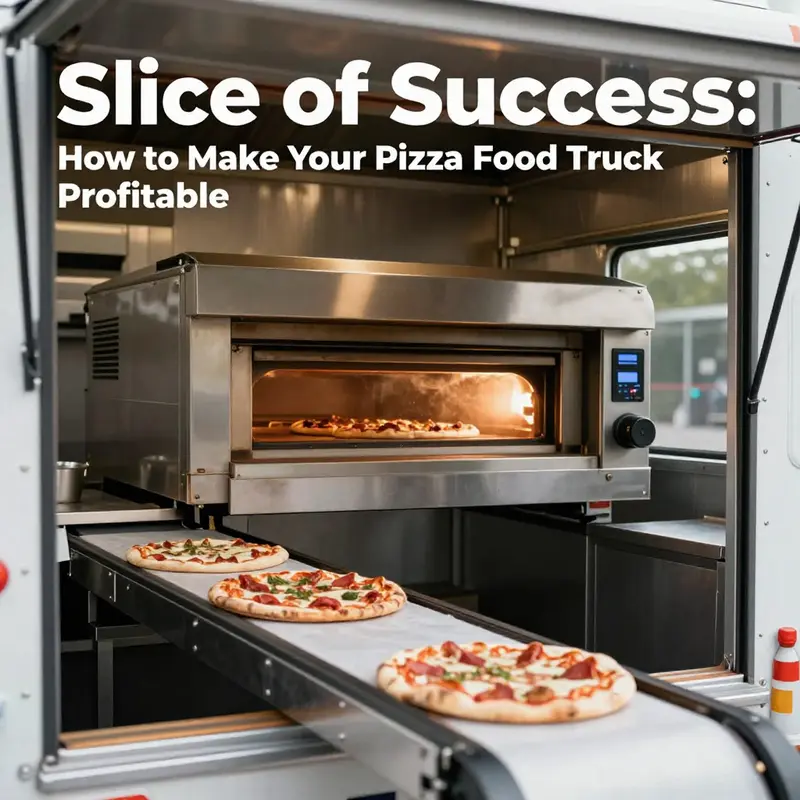
Beyond the mini unit, operators increasingly consider larger throughput solutions such as conveyor ovens. These devices can heighten consistency, reduce burn rates, and boost the number of pizzas moved per hour, a valuable capability for locations with predictable, heavy demand. However, the higher upfront cost and maintenance requirements mean that a franchising or multi-location strategy must balance capital expenditure with projected scale. The calculus becomes a function of the location mix, the average order size, and the number of events or lunch shifts an operator can sustain in a given week. In practice, a well-rounded fleet combines portable, quick-start options for street and market settings with more robust, high-efficiency ovens for fixed event spaces or longer-running pop-up concepts. The resulting mix is not simply about equipment; it’s about creating reliable workflows—dough preparation, topping, baking, and pickup—that minimize idle time and maximize the number of customers served per hour. In this sense, equipment choices are not isolated investments but levers for throughput, quality, and repeat business.
Pricing strategy and cost control complete the triangle of profitability. A pizza truck must balance attractive price points with sustainable margins. The five-thousand-dollar first-month example underscores an important nuance: revenue alone does not equal profit. A ten-dollar pizza can be a strong anchor for volume, but margins depend on the cost of ingredients, labor, fuel, insurance, permits, and the depreciation of equipment. The most successful operators tailor their menus to optimize both appeal and margin. They favor a core roster of consistent, high-demand pies while reserving a few premium items that command higher prices and cultivate a sense of novelty. The premium items, when designed with careful portioning and precise topping costs, can establish a higher average check without eroding throughput. At the same time, the day-to-day reality of ingredient costs—flour, cheese, toppings, and packaging—must be managed with disciplined supplier relationships, inventory control, and menu engineering. In practice, many profitable routes rely on a high-volume core and a smaller set of premium offerings that preserve speed and quality while protecting gross margins.
The storytelling around profitability would be incomplete without a clear eye on customer satisfaction and brand loyalty. In the fast-food landscape, the most enduring players are not simply those who serve a good slice; they are the ones who cultivate a dependable experience and a positive emotional connection. A loyal customer base reduces the sensitivity of revenue to random shocks like weather or competition and can stabilize cash flow through repeat visits. This is not just about great pizza; it’s about delivering a predictable, friendly, and efficient service that keeps customers returning. Consistency across multiple dimensions—pizza size and quality, heat management, service speed, and the overall buying experience—fosters trust. When customers know they can expect a quick, hot pie with a reliable crust and consistent toppings, they become advocates who bring friends and colleagues along for repeat business. This cycle of satisfaction converting into loyalty creates a durable revenue channel that undergirds profitability during lean periods and between major events. A simple yet powerful aspect of this dynamic is recognizing that repeat customers can be less expensive to serve over time than acquiring new ones, especially when operation costs scale with volume rather than complexity.
Brand loyalty does not emerge from a single gesture but from ongoing, deliberate practice. Operators who couple consistent product quality with targeted promotions and a touch of personality tend to build a durable presence in their communities. The go-to move is to combine reliable service with small, mindful innovations—seasonal toppings, local collaborations, or a rotating feature pie—that keep the menu feeling fresh without sacrificing speed. The outcome is more than episodic sales; it is a growing audience of people who associate the truck with quality, reliability, and a sense of place. In this sense, the profitability equation extends beyond the cash register. It includes the cumulative value of customer relationships, which can translate into repeated revenue, word-of-mouth referrals, and a calmer, steadier cash flow across the calendar.
From a financial-health perspective, profitability is best understood as a blend of margins, turnover, and scalable potential. A robust analysis uses margins to gauge how efficiently revenue converts into profit. The gross profit margin tells you how much is left after direct costs, while operating leverage and labor efficiency reveal whether you can scale without a proportional rise in expenses. A growing business often sees gross margins expand as volume increases, simply because fixed costs are spread over more units. Yet scale without control can erode margins if supply costs rise or if labor becomes a bottleneck. This is where the broader distinction between profitability and profit matters. Profit is a single number for a given period; profitability describes the ongoing capability of the business to generate more profit over time relative to sales, assets, and equity. A well-managed pizza truck not only turns a profit in a month but sustains and grows profitability over multiple cycles by maintaining lean operations, investing in the right equipment, and cultivating a loyal customer base. The practical takeaway is clear: profitability favors operators who plan for consistent throughput, keep a tight rein on ingredient and labor costs, and actively cultivate demand through location strategy and brand experience. For readers who want a deeper financial lens, the difference between profit and profitability is a nuanced but essential distinction worth understanding in any small-business study.
The strategic combination of location, efficiency, and loyalty is further reinforced by practical guidance that helps new entrants translate theory into action. For those starting out, the essential first steps are practical and concrete: understand where customers live and work, test your routes and time slots, and invest in a compact, reliable equipment set tuned to your best locations. Beyond cost and revenue, the operational tempo—the rhythm of dough preparation, topping, baking, and pickup—matters as much as any individual component. An efficient, repeatable process reduces not only wait times but the potential for mistakes, waste, or inconsistent heat. When a truck can reliably deliver a hot, well-constructed pie to a growing crowd, the probability of repeat visits rises, and the economics of volume become your strongest asset. The power of such a system lies in its scalability: replicate the same efficient model at multiple venues, maintain consistent quality, and gradually broaden your geographic reach. The sense of reliability created by this approach strengthens demand over time and supports a more predictable revenue stream, which is what investors and operators alike look for in pursuit of sustainable profitability.
The conversation about profitability also invites practical attention to the operational realities of a mobile food business. Weather, licensing, insurance, and event permitting all shape the risk profile of a pizza truck. A day that starts with sunshine can end with a sudden gust or rain that shifts foot traffic patterns dramatically. Savvy operators build contingencies into their scheduling and pricing strategies, aligning staff levels with anticipated volumes rather than fixed menus. They also maintain a disciplined approach to supply—tracking inventory with just-in-time principles or a modest safety stock to prevent stockouts while avoiding waste. The financial impact of such discipline becomes visible when you examine a month as a rolling cycle rather than a single event. A steady, predictable flow of customers, supported by a consistent product and a dependable service ethic, becomes the backbone of sustainable profitability. And while every operator hopes for high-margin days, the more reliable measure of success is the ability to weather fluctuations without a collapse in cash flow—a hallmark of a business designed to be profitable across seasons and market conditions.
In weaving together location strategy, operational rigor, and a commitment to customer engagement, pizza food trucks can carve out a resilient profitability profile. The initial investment, while modest, is not the sole determinant of success. Rather, it is the alignment of the truck’s location portfolio, the efficiency of the cooking and service processes, and the strength of the customer relationship that determines whether those first months become a durable foundation for growth. For newcomers, the takeaway is not that profitability is guaranteed but that it is attainable through disciplined execution: choosing spots with steady demand, investing in equipment that supports speed and consistency, pricing with care to protect margins, and investing in the relationships that convert first-time buyers into repeat customers. When these elements harmonize, a pizza truck moves from being a novelty on wheels to a reliable, diversified source of recurring revenue, capable of supporting a small business through variability in the broader market.
If you want to explore the practical, step-by-step landscape of launching a food truck with the appropriate legal and regulatory groundwork, you can consult practical guidance on launching a food truck, which includes essential steps for getting started and staying compliant. legal steps for launching a food truck. As you chart the path from concept to rolling business, remember that the aim is not merely to sell more slices but to engineer a repeatable, high-quality experience that customers seek out again and again.
Ultimately, profitable pizza on a truck is less about chasing a single perfect location or a magical piece of equipment than about building an integrated system. A system that blends the right place, the right tools, and the right relationship with customers creates a durable engine of revenue—one that can adapt as markets shift, seasons change, and new opportunities emerge. In this sense, the journey from first month revenue to sustained profitability resembles a carefully choreographed performance: timing matters, the tempo must stay consistent, and the audience must feel they are part of a familiar, trusted experience. When operators treat profitability as an ongoing practice—one that evolves with better routes, smarter processes, and deeper ties to the communities they serve—the question of whether pizza food trucks are profitable becomes less about a yes-or-no verdict and more about the capacity to sustain and grow value over time. For readers and entrepreneurs pondering the next move, the path to profitability is a careful orchestration of location, efficiency, and customer connection, executed with discipline, curiosity, and a clear eye on the long horizon.
External resource: Understanding Profit vs. Profitability. https://www.investopedia.com/articles/financial-theory/092715/understanding-profit-vs-profitability.asp
Profit on Wheels: Unlocking Pizza Truck Profitability Through Model Choice and Execution
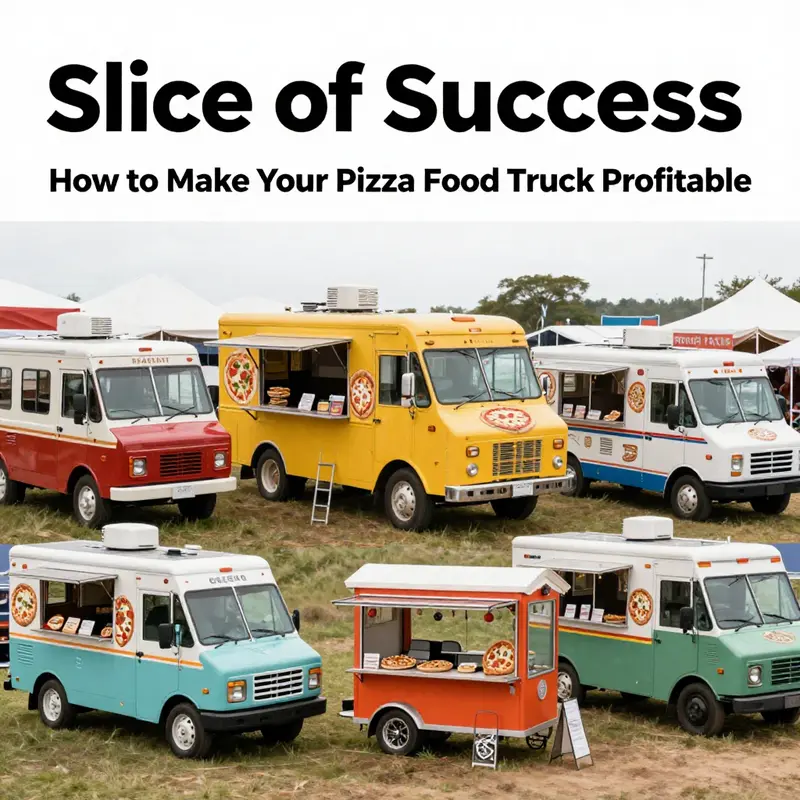
Profitability in the pizza truck space comes from more than a great recipe. It depends on model selection, location strategy, equipment choices, labor planning, and disciplined cost control. This chapter outlines how two primary mobile formats – made-to-order pizza trucks and mobile food trailers – create distinct profitability profiles, and how operators can choose and tune their approach to fit markets, capital, and risk tolerance. Real-world patterns from urban districts and event markets show that throughput, reliability, and repeat customers are the levers that turn a busy shift into steady margins.
The made-to-order truck concentrates on on-site dough prep, rapid oven turnover, and high customization. The payoff comes from higher average order values and premium pricing that remains sustainable when throughput is high and waste is minimized. Speed is essential, but not at the expense of quality. Ovens optimized for quick bake times, reliable startup, and easily repeatable workflows help a crew move pies from order to table in minutes. In practice, this model rewards operators who invest in predictable layouts, trained staff, and a compact yet capable kitchen on wheels.
Mobile trailers offer durability, turnkey presentation, and predictable maintenance schedules. They support longer operating windows and fewer downtime surprises, which reduces the risk of cancellations and missed shifts. The trade-off is higher upfront cost, but the payoff comes in longer lifespans, better resale value, and the ability to operate in venues requiring a more finished, uniform look. Trailers often enable steadier calendars, repeat contracts, and simpler compliance in some markets.
Across both formats, the heating strategy, energy costs, and waste management drive margins as much as menu design. Convection ovens and efficient heat management can boost throughput and crust consistency while reducing labor intensity. The capital mix matters too: an initial investment that matches expected volume, supported by favorable financing or partnerships, accelerates time-to-profitability. The chapter closes with practical guidance on choosing between models, testing assumptions, and building a scalable operation that can flex with demand while preserving quality and cost discipline.
Fuel, Flame, and Profit: How Equipment Shape a Mobile Pizza Business
Equipment is more than a backdrop for a pizza food truck; it is the engine that determines speed, quality, safety, and ultimately profitability. In a business where margins hinge on throughput and consistency, the cooking apparatus sits at the center of every decision—from the moment a truck is designed and the license is secured, to the cadence of a crowded festival line and the quiet efficiency of a weekly corporate shift. The practical truth is that a profitable pizza truck blends authenticity with pragmatism. The oven, of course, carries the most symbolic weight, but the entire kitchen ecosystem—the heat source, the ventilation and safety systems, the cold chain, and the supporting tools—must work in harmony to deliver a product that is both crave-worthy and cost-effective. A simple calculation from a recent financial overview reveals how a modest initial investment can translate into meaningful revenue, yet it also hints at the fragile balance that underpins long-term profitability. A new operator, armed with a modest $5,000 start, rented a truck, and sold five hundred pizzas at ten dollars a pop in a single month, signaling break-even potential when overhead stays tightly controlled. That tidy arithmetic, however, rests on the right equipment mix and the ability to scale volume without eroding margins. The equation becomes more favorable when throughput is increased through reliable heat, quick startup times, and equipment that minimizes downtime between orders. In other words, the path to profitability is paved not just with a tasty recipe, but with a kitchen that can deliver that recipe quickly, consistently, and safely, regardless of how long the queue grows or how dramatic the weather may be.
If there is a central pivot point in equipment decisions, it is the oven. For operators seeking authenticity without the logistical baggage of wood and ash, propane-powered pizza trailers have emerged as a widely adopted compromise. They capture the high-heat, fast-cooking environment that gives a true pizza its blistered crust and charred edges, yet they spare the business from the complexities of wood storage, ash cleanup, and the variable heat that comes with natural fuel sources. The propane model offers a reliable heat source, precise temperature control, and predictable startup times—factors that translate directly into more pizzas per hour and fewer service delays during peak moments. In practical terms, these ovens enable operators to maintain a steady rhythm during hot summer events, bustling farmers markets, and busy lunch hours in office districts. They also help meet city and venue fire-code requirements by eliminating wood storage and open flame management in many spaces where a traditional wood-fired setup would be impractical or restricted. The result is a more dependable workflow that keeps the line moving and the customers satisfied, which in turn supports repeat business and positive word of mouth—two critical drivers of sustained profitability.
Beyond the oven, the rest of the kitchen plays a crucial supporting role in profitability as well. Deep fryers, for example, expand the menu beyond pizza, allowing operators to offer a balance of quick-service items like fries, chicken tenders, and even doughnuts that complement pizza sales without slowing the kitchen down. The presence of oil-based equipment introduces its own set of considerations, from oil management and filtration to fryer size and maintenance schedules. The goal is to select fryers that align with the truck’s menu strategy and the expected volume of orders, with capacities typically ranging from ten to thirty pounds. This range captures most mobile operations that want to deliver a broader snack or side offering without overwhelming the primary pizza line. In this context, the ability to run multiple stations efficiently becomes a key profitability lever. A well-timed fry station can generate incremental revenue during lulls in pizza demand or in markets where concession-style setups dominate the event experience.
Refrigeration rounds out the essential cold chain that keeps toppings fresh, dough relaxed, and ingredients safe from the heat of the day. A compact, purpose-built pizza prep fridge designed for mobile kitchens provides a functional workspace with a generous countertop for several team members and a cooling system that keeps ingredients crisp. Mobility is not an afterthought here; durable casters and streamlined airflow ensure that the fridge can be rolled to a new position when the kitchen layout needs to adapt to different events or staffing configurations. The synergy between a reliable cold chain and a high-heat oven matters because it reduces waste and protects quality, two factors that directly affect a kitchen’s bottom line. When ingredients stay fresher longer and waste is minimized, profit margins can improve even as ticket pricing remains stable.
A holistic view of the equipment stack also emphasizes the importance of a compact, efficient prep area. The mobile pizza prep fridge, designed with space constraints in mind, helps teams work more smoothly in tight quarters. It supports multiple staff members operating in parallel, which is essential for high-volume service. The ability to keep the front-line station well organized reduces downtime and improves accuracy in order assembly. A clean, well-arranged workspace translates into faster service, fewer mistakes, and a better customer experience. In practical terms, the right combination of oven, fryers, and refrigeration means that the kitchen can handle peak demand without collapsing into chaos, a factor that directly influences throughput and profitability. The philosophy here is simple: reliability reduces waste, and reliability comes from thoughtful equipment selection and regular maintenance.
As operators increasingly explore the equipment landscape, a handful of important trade-offs become clearer. Propane ovens, despite higher upfront costs when compared with basic electric or propane-only designs, often yield a stronger long-run value proposition. They tend to require less maintenance than wood-fired setups, with no soot buildup to contend with and no ash cleanup. This practical cleanliness helps reduce downtime and keep service on track during long deployments or multi-day event runs. Propane systems also offer flexibility in permitting and urban settings where open flames and wood storage are restricted or prohibited. In markets where heat control and quick startup times are paramount, a propane solution can align with stricter fire codes while still delivering the authentic flavor fans expect. This balance—authenticity married to practicality—has become a cornerstone of profitability in the mobile pizza sector. The equipment choice, then, is not simply about nostalgia for a wood-fired crust; it is about creating a dependable and scalable operation that can respond to different venues, audience sizes, and weather conditions without compromising quality.
Beyond the core oven, operators have started to explore higher-throughput options such as conveyor ovens. These devices promise greater throughput and more consistent results, which is especially valuable for franchises or high-demand locations where the pizza volume can be predictable and plate-stacking rapid. However, conveyors bring higher upfront costs and ongoing maintenance considerations, including more complex electrical requirements and greater heat management needs. The decision to invest in a conveyor is usually a strategic one, tied to a business plan that targets steady, large-scale events or fixed-location gigs where the truck can operate multiple shifts. In those scenarios, the incremental revenue from each additional pizza hour can offset the significant initial and ongoing investments. Yet for many operators, the simpler, more flexible propane-powered trailer or cart provides the ideal balance of authenticity, ease, and reliability for the day-to-day hustle of mobile service. The key is not simply choosing the most fashionable piece of equipment, but curating a suite of tools that supports the brand’s service model while keeping occupancy, labor, and energy costs in check.
That approach naturally leads to questions of labor efficiency and process design. Equipment does not exist in a vacuum; it dictates how staff move through the kitchen, how orders flow from screen to oven to plate, and how quickly a crew can pivot when a line swings from brisk to blistering. Efficient equipment can shorten cooking times, but it also must integrate with a clean, safe, and ergonomic workflow. A well-planned layout minimizes walking distance between the oven, the prep station, the fryer, and the refrigeration unit. Staff training becomes simpler when each tool has clear, repeatable operating procedures, reducing errors and waste. When these elements come together, they form a slightly invisible but powerful driver of profitability: reliability in service. Customers experience speed and consistency, and operators enjoy predictable labor costs and waste reduction, both of which contribute to healthier margins over time.
The single most important insight from equipment-focused discussions is that profitability emerges from a system, not a single instrument. A strong oven is essential, but so is a dependable refrigeration line that keeps ingredients fresh, a fryer that can run consistently during peak hours, and a prep area that supports multiple cooks without creating bottlenecks. The goal for any operator is to assemble a cabinet of tools that fits the local environment: the venues, the weather patterns, the competition, and the target audience. The right mix should offer flexibility to pivot between different event types, budgets, and customer expectations. In this planning, it helps to look at the broader picture: how many pizzas can be produced per hour, what is the marginal revenue per additional unit, and how does energy use affect operating costs? A sound calculation considers not just the food costs and labor, but the incremental gains that come from improved throughput and reduced downtimes. If an operator can push throughput without raising labor costs or compromising quality, profit grows. If the equipment is too specialized or too costly to maintain, margins shrink even as sales rise. The balance point is a moving target, but it rests on the clarity of the operator’s business model and the discipline to align equipment choices with that model.
For anyone planning a mobile pizza operation, this alignment often translates into recognizing the value of a phased equipment approach. Start with a reliable, regulation-friendly oven and a compact cold chain, then add a fry station or an extra prep space as demand dictates. Consider the event ecosystem—farmers markets favor speed, consistency, and low overhead; outdoor festivals reward high throughput and resilience in long service days; corporate catering values reliability and presentation. A trailer with a propane oven can meet these needs across many venues by delivering a consistent crust and a controlled kitchen environment, while a cart with a heat source may offer the nimbleness required for smaller, more frequent deployments. The incremental upgrades should be justified by revenue opportunities, not by the allure of newer technology. In practice, operators who plan for modular growth tend to build brands around reliability and speed, and those brands prosper where customers value convenience and quality as much as price. When the pieces click, the math behind profitability becomes straightforward: more pizzas per hour at a stable or reduced unit cost, achieved through intelligent equipment choices and disciplined operations, translates into healthier gross margins and a stronger brand position in a competitive market.
No discussion of equipment and profitability should overlook the value of learning from peers and existing operators. The field is rich with experiential knowledge about what works in different settings. For instance, practitioners frequently note that propane-powered trailers provide a favorable blend of authenticity and practicality, especially in urban and festival environments where wood-fired setups would be cumbersome or prohibited. The practical appeal is not only in flavor replication but in the flexibility to relocate quickly and the simplification of permitting processes. As an operator grows, the equipment strategy should evolve to match the evolving business plan: a lean setup for markets with tight budgets, a mid-range system for steady daily demands, or a high-throughput, multi-station configuration for enterprises that service large audiences and long event days. The overarching theme is adaptability—equipment should enable the business to respond to market opportunities rather than constrain it.
For readers who want to explore the experiential side of operating a mobile pizza unit, the broader community offers insights into how equipment decisions impact service flow and customer satisfaction. The narratives found in the industry conversations underscore a common truth: even the most delicious dough can fail to meet customer expectations if the oven is slow to heat, if the refrigeration falters mid-shift, or if the prep space becomes a bottleneck. The real-world takeaway is clear. Investing in the right mix of equipment can support a consistent, high-quality product while also enabling the business to scale and adapt to different revenue opportunities. The optimal setup often emerges from a process of staged investment, guided by the operator’s target venues, expected volumes, and the practical realities of daily life on the road. The journey from a modest start to a robust, profitable operation is not a glamorous leap but a careful sequence of calibrated upgrades that align with market demand and the business plan.
For readers seeking a concise synthesis that ties equipment choices to day-to-day profitability, a closer look at the hands-on experiences of other operators can be instructive. The narrative shared in the industry discussions emphasizes that the best equipment strategy is one that minimizes downtime, reduces waste, and delivers consistent quality under diverse conditions. It is not merely the presence of a high-end oven or a powerful fryer that makes a business thrive; it is the orchestration of heat, cold, and workflow into a smooth, repeatable cadence that customers can rely on. The lesson is practical and actionable: prioritize reliability, ease of use, and regulatory compatibility; choose heat sources and equipment that support efficient labor and energy use; and design a kitchen layout that keeps the team moving. When these elements align, a mobile pizza operation can convert volume into value, and value into a durable competitive advantage that endures across seasons and event cycles. The chapter’s core takeaway remains consistent with the broader analysis: equipment choices are a strategic lever in profitability, and their impact grows with thoughtful planning, disciplined execution, and an ongoing eye toward the evolving needs of the market.
For further context on related experiences and practical considerations, you can explore the broader discussion around pizza truck operations and the experiences documented by industry practitioners, which align with the themes discussed here and offer real-world validation of the equipment-driven approach. Pizza Truck Experience.
External resource: Propane-Powered Pizza Trailers: The Ideal Balance of Authenticity and Practicality. https://www.foodtrucks.com/propane-pizza-trailers-authenticity-practicality/
Chapter 4: Slices of Success: Marketing That Turns Pizza Food Trucks into Profitable Local Landmarks
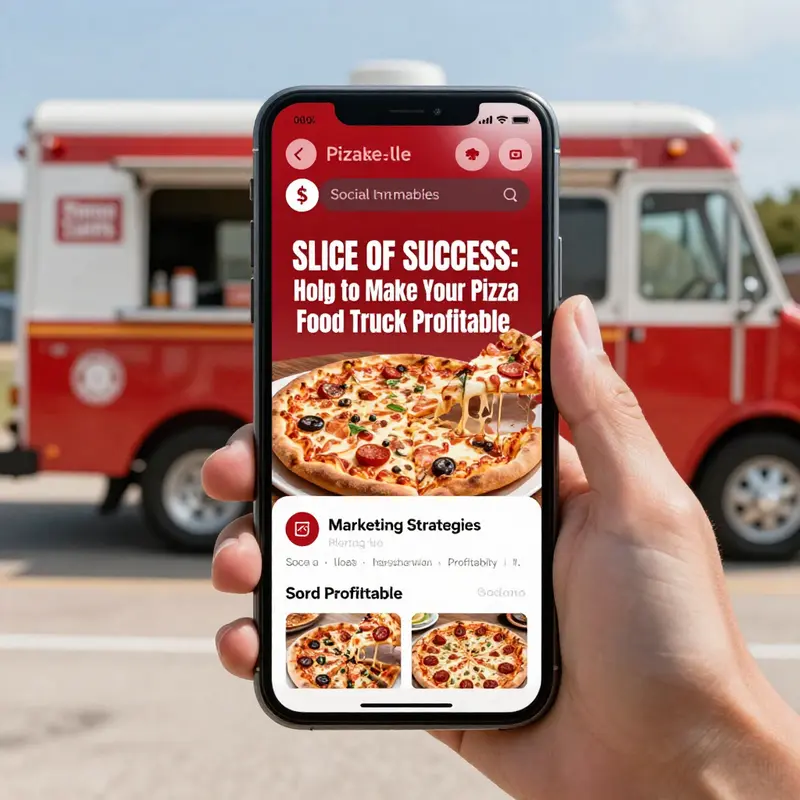
Marketing is not a afterthought for a pizza food truck; it is a vital part of the recipe for profitability. A truck’s wheels may carry the aroma of a great dough and a perfectly blistered crust, but it is the plan to tell people where you are, why your pies taste different, and how they can find you again that turns good days into steady revenue. In this mobile business, where location and timing shift with the wind, marketing acts as a compass. It aligns operations with demand, builds trust with customers, and converts casual passersby into loyal fans. The simple truth is that great pizza can draw a crowd, but a smart marketing approach keeps the crowd coming back week after week. The mix of imagination, data, and consistent execution is what elevates a truck from a daily seller to a local institution that can weather slow days as reliably as it rides the surge of a busy festival weekend.
A central pillar of effective marketing for a pizza truck is the strategic use of social media. The visual nature of pizza makes it especially suited to platforms that reward striking images and dynamic video. When a truck posts high-quality photos of a steaming tray of slices cooling on a steel deck or a short film showing dough spinning into a perfect circle, the audience is drawn in not just by appetite but by curiosity. Short videos of a wood-fired oven releasing an early morning crackle or a behind-the-scenes glimpse of a cook shaping a dough ball into a crisp-edged pie can generate engagement that translates into visits. The data in recent industry reports shows that trucks with active social media accounts see a meaningful uptick in repeat customers, with figures indicating a roughly one-third increase in loyalty compared with trucks that neglect digital engagement. This is not a magic trick; it is a disciplined habit—consistent posting, timely responses to comments, and regular updates on locations, specials, and new menu items.
Yet social media alone cannot secure profitability. The truck must meet demand where it lives. In this sense, marketing threads through partnerships with local businesses, events, and institutions. The value comes from meeting people where they are and providing a frictionless path to a meal. Offices seeking a lunch option during the workweek, farmers markets drawing families on weekend mornings, music festivals, and neighborhood block parties—all offer opportunities to anchor a reliable stream of customers. Establishing a calendar that aligns with these venues creates predictability in revenue and justifies thoughtful pricing and staff planning. The approach is not simply to stand on a corner and shout about pizza. It is to be present in a community rhythm by securing recurring gigs at predictable times and places. The payoff, as some venues and organizers report, is a significantly higher profit margin when trucks participate in multiple local events each month. The emphasis on consistent, high-quality service at these gatherings builds a brand narrative that extends beyond a single slice. It anchors the story of a local business that shows up, feeds people well, and leaves a lasting impression that invites repeat visits.
A strong brand narrative is essential. The branding work goes beyond a catchy name or a gleaming wrap; it encompasses the truck’s story, the sourcing of ingredients, and the care given to every pie. A distinctive brand identity helps justify pricing, communicates reliability, and fosters an emotional connection with customers. When a truck communicates its values clearly—whether it is a commitment to locally sourced ingredients, a dedication to Neapolitan-inspired technique, or a focus on inclusive options such as vegan or gluten-conscious pies—the story resonates more deeply. This narrative is reinforced through every touchpoint: the truck’s design, staff interactions, digital content, and the menus offered at events. A case study from recent industry research highlighted that trucks with a well-defined niche and professional branding experience higher customer satisfaction and better returns on investment in their first year. In practice, this means choosing a clear proposition—authentic techniques, regional ingredients, or a fast, family-friendly experience—and staying loyal to it across all channels.
Loyalty programs provide another pathway to profitability. A digital loyalty system, whether delivered through a mobile app or a simple QR-based card, rewards customers after a certain number of visits or purchases. The psychology behind loyalty programs is straightforward: customers return when there is a tangible benefit they can measure and redeem. For a mobile business, a credible loyalty scheme can be implemented with minimal overhead and a maximum effect. A well-designed program converts occasional visitors into repeat customers, who then become brand ambassadors, recommending the truck to colleagues, friends, and families. The effect compounds when the program is integrated with real-time updates about locations, daily specials, and seasonal menu items. It also creates valuable data about customer preferences, which can guide menu planning and promotional tactics. In practice, the deeper the relationship with the customer, the more opportunities exist to upsell while preserving perceived value. A common strategy is to reward not just the frequency of visits but the breadth of engagement—free slices after multiple purchases, exclusive previews of new toppings, or members-only deals during slower periods. These moves drive traffic and raise average order values without eroding margins if costs are carefully managed.
The pricing approach is inseparable from the marketing framework. In a market where the difference between success and struggle often comes down to a few dollars per order, operators must balance value with cost of goods and overhead. Bundling meals, offering limited-time combos, and designing family or office catering packages can increase per-transaction value and drive more efficient throughput during peak hours. The trick is to maintain pizza quality while encouraging larger orders. Promotions should be timed to align with the highest consumer willingness to spend—lunch breaks near business districts, weekend foot traffic at neighborhoods, or post-event afterglow where people seek comfort food after a long day. A carefully crafted pricing strategy also necessitates transparency; it should clearly communicate what customers get for their money, avoiding hidden fees or surprise charges that can erode trust. When customers feel they are getting real value, the likelihood of repeat business rises, and so does the probability of word-of-mouth referrals that carry further reach.
There is also a practical dimension to the marketing mix: visibility and accessibility. A truck can be in the right neighborhood at the wrong time, or in the right time slot with limited visibility. Marketing should optimize both. Location data, event calendars, and downtown foot traffic analyses inform where the truck should park for maximum impact. A responsive approach—adjusting locations to match weather, school schedules, and local workflows—helps capture bursts of demand that can significantly tilt profitability toward the positive. In the era of mobile dining, customers want a predictable sense of where to find their favorite pizza, and the marketing plan plays a direct role in delivering that reliability. For many operators, the simplest trigger is a location update posted in real time, coupled with a reminder of the day’s specials. Combined with a well-timed loyalty offer, the notification can translate into a surge of orders and a spike in repeat visits.
All these threads converge into a single objective: convert marketing activity into measurable growth. When a truck builds a recognizable, trusted brand and ties that brand to consistent, high-quality pizza and dependable service, it turns casual browsers into repeat customers. The data-driven marketer will track location performance, promotion adoption, and loyalty engagement to identify what resonates and what does not. The more the operator learns from each event or daily route, the better they can tune the menu, adjust pricing, and refine the promotional calendar. The result is a self-reinforcing loop where marketing drives demand, operations sustain quality, and customer satisfaction feeds further awareness and trust. In this loop, the arc of profitability is less about a single hit and more about a steady climb fueled by consistent messaging, reliable experiences, and a brand that customers begin to trust as a familiar, comforting part of their local fabric. This alignment between front-end marketing and back-end operations—between who you are and how people experience you—creates a durable competitive advantage that sustains growth across seasons and market changes. To see this in practice, consider the narrative of a truck that maintains a regular presence at a major corporate campus, participates in monthly farmers markets, and experiments with seasonal toppings for neighborhood events. The marketing plan might involve a rotating set of specials, a loyalty reward for lunchtime repeat visits, and a series of short, shareable clips that capture the assembly line rhythm of the kitchen. The payoff is more than fresh slices; it is a community relationship that converts a simple food truck into a reliable, beloved destination.
This integrated approach to marketing also invites a practical link to broader resources that inform best practices. For instance, the vehicle’s experience at daily and weekly events can be enhanced by tapping into documented industry insights that emphasize the value of consistent presence and community integration. When readers explore the ongoing dialogue about pizza trucks and mobility, they gain a deeper understanding of how traditional marketing principles apply in a constantly moving setting. For a more concrete example of how a truck’s experience translates into scalable marketing lessons, see the practical case study compiled under the heading that focuses on the real-world experience of a pizza truck and its approach to audience engagement. This resource highlights how a single trip across multiple venues can be a blueprint for sustainable customer growth. Pizza Truck Experience.
In sum, profitability for a pizza food truck is less about the size of the menu or the flamboyance of the oven and more about the discipline of marketing. It requires a clear brand story, regular, engaged communication with potential customers, and a willingness to meet people where they are—on social media, at offices and markets, and during community events. It also demands a practical, data-informed pricing strategy that respects costs while delivering perceived value. When marketing aligns with operations—when the truck is reliable, the service is fast, and the pies are consistently excellent—the path to profitability becomes a natural consequence of a well-executed plan. The narrative is not about chasing trends, but about building enduring relationships with a community that tastes and trusts what the truck offers. That trust converts into repeat business, referrals, and sustainable margins, turning a mobile culinary venture into a resilient local institution.
External resource: https://www.sba.gov/business-guide/plan-your-business/start-and-run-a-small-business
Final thoughts
The journey into the world of pizza food trucks is filled with opportunities for those passionate about craft and culinary delight. By understanding the key factors that influence profitability—from strategic location choices and equipment investments to innovative marketing techniques—you can carve a unique niche in the bustling food truck scene. Embracing the diverse types of pizza trucks available allows aspiring operators to tailor their offerings to meet market demand effectively. With dedication, smart choices, and a sprinkle of creativity, your pizza food truck can thrive and deliver not just delicious pizzas but also a fulfilling business journey.